2nd Month Pregnancy Belly: What You Need to Know

Key Takeaways
- At two months, a visible baby bump is often small or not yet noticeable.
- Bloating and constipation can make the belly feel fuller or firmer.
- Mild cramping, breast tenderness, nausea, and fatigue are common early pregnancy symptoms.
- A sudden severe pain, heavy bleeding, or dizziness should be checked by a doctor promptly.
- Healthy eating, hydration, and rest can ease many early pregnancy discomforts.
A 2nd month pregnancy belly is usually shaped more by bloating, constipation, and uterine changes than by a clearly visible bump. Many people notice tightness, tenderness, or no outward change at all during this stage.
Overview
During the second month of pregnancy, the belly often reflects early internal changes more than an obvious outward bump. For many people, the uterus is still small and sits low in the pelvis, so what is noticed most is abdominal fullness, puffiness, or a general sense that clothes feel different around the waist.
The phrase 2nd month pregnancy belly can mean different things from one person to another. Some notice bloating from hormonal changes, while others feel no visible difference at all. Both experiences can be normal, and the size of the belly at this stage does not tell the full story of how the pregnancy is progressing.
At about 5 to 8 weeks, the body is working hard behind the scenes. Hormones support the pregnancy, blood volume begins to rise, and the digestive system often slows down. These changes can create a belly that feels tender, tight, or swollen even before a true bump is seen.
What a 2nd Month Pregnancy Belly May Feel Like
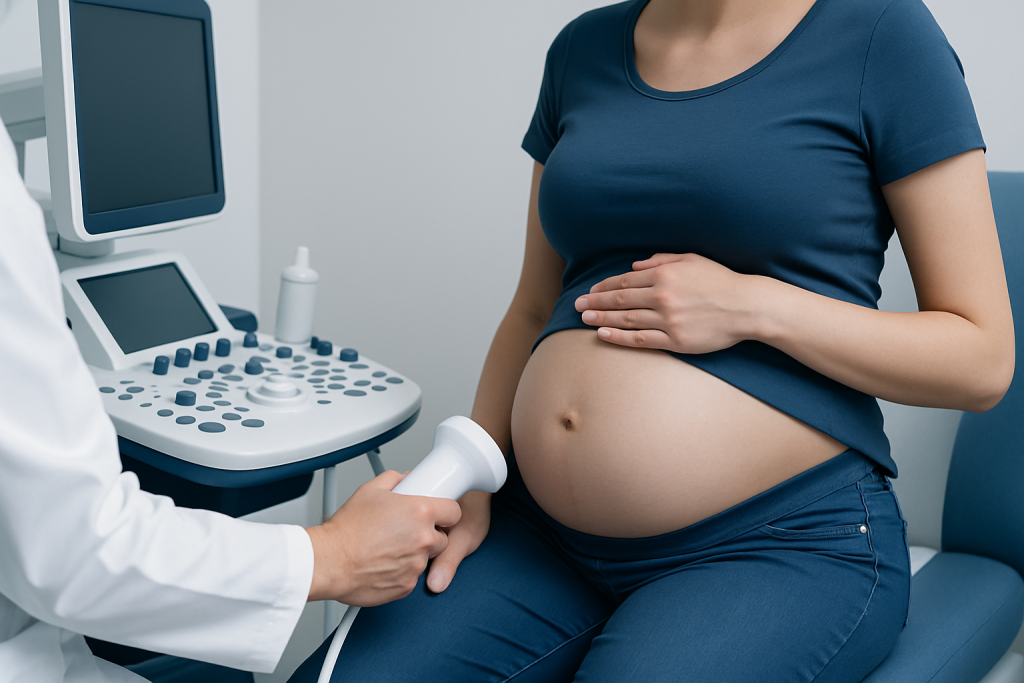
Many people describe the second-month belly as “full” rather than visibly pregnant. The abdomen may look flatter in the morning and more bloated later in the day, especially after meals. This is often related to slower digestion, gas, or constipation rather than the uterus itself.
Some people also notice that the lower abdomen feels slightly firmer or more sensitive to touch. Mild stretching sensations can happen as the uterus begins to grow, although this is usually subtle. Because symptoms vary so much, comparing belly size from one pregnancy to another — or from one person to another — is rarely useful.
It is also common for the belly to change from day to day. Clothing fit, posture, hydration, bowel movements, and food choices may all affect how the abdomen looks or feels. These small shifts are part of the normal early-pregnancy picture.
Common Early Pregnancy Symptoms Alongside Belly Changes
In the second month, belly changes often appear together with other first-trimester symptoms. Nausea, food aversions, breast tenderness, tiredness, and more frequent urination are all common. Some people also experience mood changes or a heightened sense of smell.
Digestive symptoms are especially relevant to the belly. Hormonal shifts can slow the bowel, which may lead to constipation, bloating, and gas. This can make the abdomen feel larger than expected even when the pregnancy is still quite early.
- Nausea or vomiting
- Bloating and abdominal fullness
- Mild cramping without heavy bleeding
- Breast soreness
- Fatigue and sleepiness
- Constipation or gas
These symptoms can be uncomfortable, but many are typical in early pregnancy. Still, any symptom that feels intense, one-sided, or unusual deserves medical attention.
Why the Belly Changes in the Second Month
Hormones are the main reason early pregnancy affects the belly. Progesterone slows the digestive tract, which can increase gas and constipation. At the same time, the uterus begins to enlarge, although this growth is usually not enough to create a pronounced bump yet.
Fluid shifts and increased blood flow can also contribute to a puffy or heavy feeling in the lower abdomen. For some people, the body’s response to early pregnancy is very noticeable; for others, the changes are so mild that only a care provider can confirm them on examination or ultrasound.
Body type, number of previous pregnancies, and digestive habits can influence whether a belly change is visible this early. Someone who has been pregnant before may notice a bump sooner, while a first pregnancy may remain mostly private to the eye for a bit longer.
How Doctors Check Early Pregnancy Progress
When someone is in the second month of pregnancy, a doctor may confirm pregnancy through testing and then assess overall early development with a history, examination, and sometimes ultrasound. The goal is not to judge belly size, but to ensure the pregnancy is located in the uterus and progressing as expected.
Ultrasound timing can vary. In some pregnancies, early imaging may show the gestational sac, yolk sac, or fetal heartbeat; in others, it may simply be too soon for clear findings. If an ultrasound is not yet definitive, a clinician may recommend follow-up testing after a short interval.
Because early symptoms overlap with normal hormonal changes and other conditions, medical evaluation is helpful when there is pain, bleeding, or uncertainty about dates. This is especially important if the pregnancy was achieved with fertility treatment or if there is a history of ectopic pregnancy or miscarriage.
Ways to Support Comfort and Self-care
Simple habits can make the second-month belly feel more comfortable. Small, frequent meals may reduce nausea and bloating, while drinking enough water can help the bowel move more easily. Gentle walking is often useful if the person’s doctor has not advised otherwise.
Clothing choices can also help. Softer waistbands, looser tops, and support that does not press on the abdomen may feel better on days when the belly is sensitive or distended. Rest matters as well, because fatigue can make all early symptoms feel more intense.
Safe self-care during this stage usually focuses on balance rather than major change. A prenatal vitamin recommended by a clinician, regular meals, and attention to constipation can go a long way. If nausea or bloating is difficult to manage, a doctor can suggest pregnancy-appropriate options.
When to See a Doctor
Not every belly sensation in early pregnancy is a warning sign, but certain symptoms should be assessed promptly. Heavy bleeding, severe or one-sided abdominal pain, shoulder pain, fainting, fever, or persistent vomiting are reasons to seek urgent medical care. These symptoms may need immediate evaluation.
It is also sensible to contact a doctor if abdominal discomfort is getting worse instead of better, if constipation becomes severe, or if there is uncertainty about whether symptoms are normal. Early reassurance is often helpful, and in many cases the concern turns out to be a manageable part of pregnancy rather than a serious problem.
For people traveling from another country or arranging care from abroad, early pregnancy questions are worth discussing sooner rather than later. A coordinated team can help interpret symptoms, schedule the right scan at the right time, and provide follow-up that fits the pregnancy timeline. Acibadem Health Point’s multidisciplinary specialists and JCI-accredited hospitals diagnose and treat this condition for Myomectomy Recovery for International Patients: The Usual Travel Timeline" class="ahp-ilk">international patients.
Frequently asked questions
01Is a visible belly normal at 2 months pregnant?
Yes, but it is also normal not to have a visible bump yet. In the second month, the abdomen is often affected more by bloating and digestive changes than by the uterus’s size. Body shape, previous pregnancies, and fluid retention can all influence what is seen.
02Why does my belly feel bloated so early in pregnancy?
Hormonal changes can slow digestion and lead to gas, constipation, and fullness. This can make the lower abdomen feel larger or tighter even before a baby bump develops. Eating smaller meals and drinking enough water may help.
03Should mild cramping worry me at 2 months pregnant?
Mild cramping can happen as the uterus changes and the body adjusts to pregnancy. However, pain that is strong, one-sided, or paired with bleeding should be reviewed by a doctor. If the symptom feels unusual, it is best to ask for medical advice.
04When does the pregnancy belly usually start to show?
There is no single timeline that fits everyone. Some people notice a small change later in the first trimester, while others do not show until well into the second trimester. A first pregnancy often shows later than a subsequent one.
05Can constipation make my 2nd month pregnancy belly look bigger?
Yes. Constipation is a common reason the abdomen feels fuller in early pregnancy. Slower bowel movement can add to bloating and make clothes feel tighter around the waist.
06How can I tell the difference between normal bloating and a problem?
Normal bloating usually comes and goes and may vary with meals, bowel movements, or the time of day. Severe pain, heavy bleeding, fever, fainting, or pain on one side is not typical and should be checked promptly. When in doubt, it is safer to speak with a doctor.
This article is for general information only and is not a substitute for professional medical advice. Please consult a qualified doctor about your individual situation.
Persistent digestive symptoms? Get evaluated in Turkey
JCI-accredited · board-certified surgeons · reply within 24h
Add us as a Preferred Source to see more of our trusted health content across Google Search, AI Overviews and Discover.