

Ophthalmology
Comprehensive eye care from laser vision correction to retina, cornea and cataract surgery.
Medically reviewed by the Acıbadem clinical team — June 12, 2026
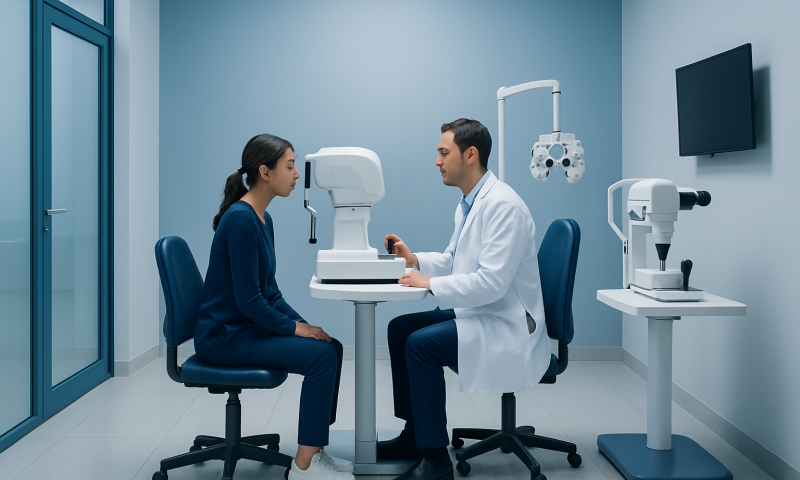
Ophthalmology is the medical unit that cares for the eyes and vision — diagnosing and treating eye conditions, performing eye surgery, and helping protect sight across every stage of life. At Acıbadem International, ophthalmology covers the full range of eye care, from common conditions such as cataracts and refractive errors to complex retinal and corneal disease, using precise diagnostic technology and microsurgical techniques. For people travelling from abroad, that combination of experienced eye surgeons, modern equipment and well-coordinated support is what makes treating something as precious and delicate as sight feel safe.
This page explains what the ophthalmology unit covers, the conditions it treats, how eye problems are assessed, the treatments available, and how international patients are supported through diagnosis, treatment and recovery.
What the ophthalmology unit covers
Ophthalmology is highly specialized, and the unit is organized so that the right expertise is applied to each part of the eye. Its main areas of work include:
- Cataract surgery — one of the most common and successful eye operations.
- Refractive surgery — correcting short-sightedness, long-sightedness and astigmatism.
- Retinal conditions — including diabetic eye disease and other diseases of the retina.
- Glaucoma — diagnosis and treatment to protect sight.
- Corneal conditions and surgery.
- Pediatric ophthalmology — eye care for children.
This breadth means that a wide variety of eye problems can be assessed and treated within one unit, with the wider hospital group available when an eye condition is linked to a broader health issue.
Conditions we treat
The unit cares for the full range of eye and vision conditions. Common reasons international patients are referred include:
- Cataracts — clouding of the eye’s lens that blurs vision.
- Refractive errors — short-sightedness, long-sightedness and astigmatism.
- Glaucoma — a condition that can damage sight if not treated.
- Diabetic retinopathy and other retinal diseases.
- Corneal conditions — affecting the clear front surface of the eye.
- Age-related and other conditions affecting vision.
Many patients arrive wanting to restore or protect their vision — whether through cataract surgery, vision correction, or treatment of a condition diagnosed at home. The unit’s first task is to assess the eye accurately and explain the realistic options clearly.
How eye conditions are assessed
Precise diagnosis is essential in ophthalmology, where small details matter greatly, and the unit assesses each patient with detailed examination and imaging. These may include:
- Comprehensive eye examination — assessing vision and the health of the eye.
- Retinal imaging and scanning — to examine the retina in fine detail.
- Pressure measurement — important for detecting and monitoring glaucoma.
- Corneal and refractive assessment — to plan vision correction precisely.
These are supported by the hospital group’s medical technologies, and the findings guide a treatment plan tailored to the eye and the patient’s needs. For international patients, an initial review of existing reports can often begin remotely before travel.
Treatments and procedures
The unit offers a full range of eye treatment, from medical management to precise microsurgery.
Cataract surgery
Cataract surgery removes the clouded lens and replaces it with a clear artificial lens, restoring vision. It is one of the most common and successful operations in medicine, usually performed as a precise, minimally invasive procedure, and the type of replacement lens is chosen according to the patient’s needs and vision goals.
Refractive (vision correction) surgery
Refractive procedures correct short-sightedness, long-sightedness and astigmatism, reducing or removing the need for glasses or contact lenses. Suitability is assessed carefully, as not every eye is suited to every technique, and the unit advises honestly on the best option for each patient.
Retinal and glaucoma treatment
Retinal conditions, including diabetic eye disease, are treated with the appropriate medical, laser or surgical approaches to protect sight. Glaucoma is managed to control pressure and prevent damage, with treatment tailored to the individual and ongoing monitoring.
Corneal and other procedures
The unit treats corneal conditions with medical and surgical approaches, including corneal surgery where needed. Specific procedures can be explored in the treatments library.
Technology and approach
Ophthalmology is among the most technology-driven fields in medicine, because the eye demands extraordinary precision. The unit uses detailed diagnostic imaging to assess the eye accurately and microsurgical techniques to treat it with great precision, supported by modern equipment. But technology serves judgment: the decision of whether and how to treat is made after careful assessment, with honest advice about what each option can realistically achieve. Where an eye condition is linked to a broader health issue such as diabetes, the unit draws on the wider hospital group so the whole picture is considered.
Protecting sight, not just treating it
Much of ophthalmology is about protecting vision before it is lost, and the unit places great importance on this. Conditions such as glaucoma and diabetic retinopathy can damage sight gradually and often without early symptoms, so detection and monitoring are vital. The unit assesses patients carefully, treats conditions promptly where needed, and provides clear guidance on monitoring to protect long-term vision. This preventive perspective — catching and managing conditions before they cause irreversible damage — is as important as treating problems that have already developed.
The link between eye health and overall health
The eyes can reflect wider health, and some eye conditions are closely linked to general medical conditions. Diabetic eye disease is a clear example, where good management of diabetes is central to protecting vision; here the unit works with endocrinology so that the eye and the underlying condition are managed together. Treatment within a large hospital group means these connections are recognized and addressed, rather than the eye being treated in isolation. This integrated view is part of caring for the patient as a whole.
Your team
Your care may involve an ophthalmologist with the relevant subspecialty, supported by specialist nurses and technicians, with input from other specialties where an eye condition is linked to broader health. The physicians who lead this unit are listed on the doctors page, and treatment is delivered across Acıbadem’s accredited hospitals, which maintain international quality and safety standards.
The international patient journey
The unit is organized to make eye care clear and well supported for international patients.
1. Remote review
You begin by sharing your history, symptoms and any eye reports. The team reviews them, advises on the likely options, and where helpful offers a second opinion — all before you decide to travel.
2. A clear plan
If treatment in Turkey makes sense, you receive a plan explaining what is recommended, what it would involve, how long you would stay and what to expect. Because some eye conditions need detailed in-person assessment, the plan makes clear what will be confirmed on arrival.
3. Coordinated care
A dedicated coordinator arranges appointments, interpreting and travel logistics. Your eye is assessed in detail in person, and the final plan is confirmed before any procedure.
4. Follow-up
You receive clear documentation and a follow-up plan to continue at home, with guidance on any monitoring needed, and the team remains reachable for questions. To begin, request an online consultation.
Why patients choose Acıbadem for eye care
Acıbadem International offers experienced eye surgeons, precise diagnostic and microsurgical technology, a full range of eye care from cataracts to complex retinal disease, and well-coordinated international patient support — all within accredited hospitals. For patients travelling from abroad, the combination of technical precision, the resources of a large hospital group, and structured support is what sets the experience apart. The unit treats something as precious as sight with the care, precision and honesty it deserves.
What to expect and practical notes
Many eye procedures, including cataract and refractive surgery, are precise and minimally invasive, often allowing a relatively quick recovery, while complex retinal or corneal conditions may need more involved treatment and follow-up. Your coordinator plans your time abroad around safe recovery and any monitoring, and the unit is honest about what each treatment can realistically achieve. Suitability for certain procedures depends on a detailed in-person assessment of the eye, which is why the final plan is confirmed on arrival. The aim throughout is to protect and restore vision safely.
Coordinated care for related conditions
Eye health can be connected to wider medical conditions, and treatment within a large hospital group means the right experts are on hand. Diabetic eye disease is managed alongside endocrinology so the eye and the underlying diabetes are addressed together; and where an eye condition is linked to other health issues, the relevant specialists are available within the same group. This integrated approach means a patient’s eye care is informed by their overall health, which matters most when a condition such as diabetes affects the eyes.
Understanding cataract surgery and lens choices
Cataract surgery is one of the most common and successful operations in all of medicine, and understanding it removes much of the worry. A cataract is a clouding of the eye’s natural lens that gradually blurs vision; surgery removes the clouded lens and replaces it with a clear artificial lens, restoring clarity. The procedure is precise and usually minimally invasive. An important part of the process is choosing the replacement lens, as different types can address vision in different ways — for example, helping with distance or reducing dependence on glasses. The unit discusses these options according to the patient’s needs, lifestyle and vision goals, so that the choice is informed and individual. For many people, cataract surgery is genuinely transformative, restoring vision that had slowly faded and, with it, independence and quality of life.
Vision correction explained
Refractive surgery aims to reduce or remove the need for glasses or contact lenses by correcting short-sightedness, long-sightedness or astigmatism. There are different techniques, and the right one — if any — depends on a detailed assessment of the eye, including the shape and thickness of the cornea and the nature of the refractive error. Crucially, not every eye is suited to every technique, or to refractive surgery at all, and the unit assesses suitability honestly rather than assuming surgery is appropriate. Where it is suitable, vision correction can be life-changing for those who have depended on glasses or lenses for years. The unit’s role is to determine whether a patient is a good candidate and, if so, to recommend the most appropriate approach for their eyes.
Caring for the retina
The retina — the light-sensitive layer at the back of the eye — is involved in many sight-threatening conditions, and caring for it is a specialized part of ophthalmology. Diabetic retinopathy, in which diabetes damages the blood vessels of the retina, is a leading example and a major cause of vision loss worldwide; it is treated with medical, laser or surgical approaches and is best managed alongside good control of the underlying diabetes. Other retinal conditions, including age-related changes, are also assessed and treated. Because retinal disease can progress without obvious early symptoms, timely detection and treatment are vital to protecting sight. The unit uses detailed retinal imaging to assess these conditions precisely and treats them with the goal of preserving as much vision as possible.
Glaucoma: protecting sight before it is lost
Glaucoma is sometimes called a silent threat to sight because it can damage vision gradually, often without early symptoms, until significant and irreversible loss has occurred. This makes detection and monitoring especially important. The unit assesses patients for glaucoma, including measuring the pressure within the eye, and where it is found, treats it to control pressure and prevent further damage, with treatment tailored to the individual. Ongoing monitoring is central, because glaucoma is usually a long-term condition that needs managing over time rather than curing outright. The unit’s emphasis on detecting and managing glaucoma reflects a wider commitment to protecting vision proactively, not only treating problems once they have caused symptoms.
Preparing for eye treatment
Because the eye is so delicate and precise, detailed in-person assessment is often essential before treatment, and the unit makes this clear from the start. The likely plan can usually be discussed remotely from existing reports, but the final plan is confirmed after the eye is examined in detail in person. Before treatment, the patient receives clear information about what the procedure involves, what to expect and any preparation needed. For international patients, the coordinator plans the visit so that assessment and treatment are arranged efficiently, and any monitoring or follow-up is built into the plan. This careful preparation ensures that treatment is appropriate for the individual eye and that the patient knows what to expect.
Frequently asked questions
Can my eye reports be reviewed before I travel?
Yes. You can share your history, symptoms and any eye reports for an initial remote assessment and receive advice on the likely options, including a second opinion where helpful, before deciding to travel.
How is cataract surgery performed?
Cataract surgery removes the clouded lens and replaces it with a clear artificial lens, usually as a precise, minimally invasive procedure. The type of replacement lens is chosen according to your needs and vision goals.
Am I suitable for vision correction surgery?
Suitability depends on a detailed assessment of your eyes, as not every eye is suited to every technique. The unit advises honestly on the best option for you, or whether surgery is appropriate at all.
Can you treat diabetic eye disease?
Yes. Diabetic retinopathy and other retinal conditions are treated with appropriate medical, laser or surgical approaches, managed alongside endocrinology so the eye and the underlying diabetes are addressed together.
How is glaucoma treated?
Glaucoma is managed to control pressure and prevent damage to sight, with treatment tailored to the individual and ongoing monitoring, since early detection and management are key to protecting vision.
Do you treat children’s eye conditions?
Yes. Pediatric ophthalmology is part of the unit, providing eye care for children with conditions suited to their needs.
How long will I need to stay in Turkey?
It depends on the treatment. Procedures such as cataract surgery often allow a relatively quick recovery, while complex conditions may need more follow-up. Your coordinator gives a realistic estimate in advance.
Will the final plan be confirmed on arrival?
Yes. Some eye conditions require detailed in-person assessment, so the final treatment plan is confirmed after your eye is examined in person, with the likely plan discussed remotely beforehand.
Are the procedures precise and minimally invasive?
Many eye procedures are highly precise and minimally invasive, performed with microsurgical techniques and modern equipment to treat the eye gently and accurately.
Can I get a second opinion on my eye condition?
Yes. The unit can review your case and provide an honest second opinion, advising on the most appropriate treatment for your eyes.
What follow-up will I need?
You receive clear documentation and a follow-up plan, with guidance on any monitoring needed to protect your vision, and the team remains reachable for questions after you return.
Will my overall health be taken into account?
Yes. Because relevant specialists are part of the same hospital group, eye care is informed by your overall health, particularly where conditions such as diabetes affect the eyes.
Can I receive care in my own language?
Yes. The international patient coordinator arranges interpreting and supports you through the practical and clinical steps of your care.
How soon can urgent eye problems be seen?
Acıbadem International hospitals operate around the clock, and more urgent eye problems can be prioritized. Sharing your details allows the team to advise on how quickly you should be seen.
Is cataract surgery painful?
Cataract surgery is usually performed with the eye numbed, and most patients are comfortable during the procedure. Your team explains what to expect and provides aftercare guidance.
Can both eyes be treated?
Where both eyes are affected, your ophthalmologist advises on whether and how to treat them, based on what is safest and most appropriate for you.
How soon will my vision improve after cataract surgery?
Many patients notice clearer vision quite soon after cataract surgery, though full settling takes a little time. Your team gives a realistic picture for your case.
Will I still need glasses after surgery?
This depends on the procedure and the lens chosen. The unit discusses your vision goals and what each option can realistically achieve before treatment.
Do you treat age-related retinal conditions?
Yes. Age-related and other retinal conditions are assessed with detailed imaging and treated with appropriate medical, laser or surgical approaches.
Do you coordinate with my doctor at home?
Yes. You receive clear documentation and a follow-up plan, with guidance on any monitoring, so your care continues smoothly after you return.
Will my treatment be tailored to my eyes and lifestyle?
Yes. From the choice of replacement lens in cataract surgery to the approach for vision correction, the unit tailors treatment to your eyes, needs and lifestyle, discussing the options so the choice is informed and individual.
How quickly can an urgent eye problem be assessed?
Acıbadem International hospitals operate around the clock, and more urgent eye problems can be prioritized. Sharing your details allows the team to advise on how quickly you should be seen and to plan appropriate assessment.
Is the equipment used precise and modern?
Yes. Ophthalmology depends on precision, and the unit uses detailed diagnostic imaging and microsurgical techniques supported by modern equipment to assess and treat the eye accurately.
Will I receive clear guidance on protecting my vision?
Yes. The unit provides clear guidance on any monitoring needed to protect your sight long term, reflecting its emphasis on preventing vision loss as well as treating problems that have developed.
Does the wider hospital group support related conditions?
Yes. Where an eye condition is linked to broader health, such as diabetes, the unit draws on the wider hospital group so the eye and the underlying condition are managed together as part of your overall care.
Can I receive eye care in my own language?
Yes. The international patient coordinator arranges interpreting and supports you through every practical and clinical step of your eye care, so that you understand each stage clearly throughout your treatment and follow-up.
This page provides general health information about the services of this unit and is not a substitute for personal medical advice. Any diagnosis and treatment plan is determined after individual assessment by a qualified physician.
Treatments in Ophthalmology
Specialists in this Unit

Prof. Dr. Altan Göktaş
Ophthalmology
Prof. Dr. Banu Coşar
Ophthalmology
Prof. Dr. Berna Özkan
Ophthalmology
Prof. Dr. Dilaver Erşanlı
Ophthalmology
Prof. Dr. Dilek Güven
Ophthalmology
Prof. Dr. G. Ertuğrul Mirza
Ophthalmology
Prof. Dr. Haluk Esgin
Ophthalmology
Prof. Dr. Mehdi S. Öğüt
Ophthalmology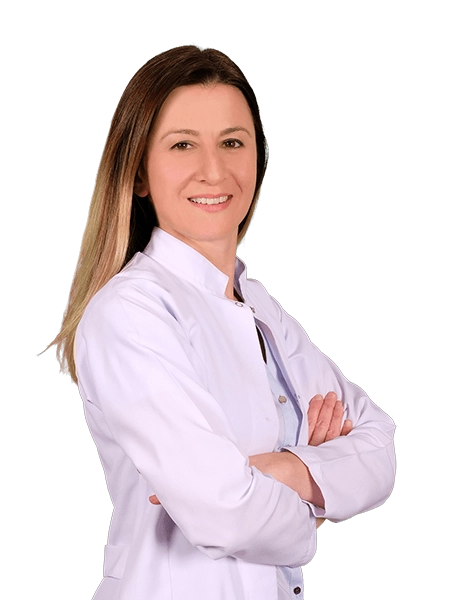
Assoc. Prof. Dr. Ayşe Ebru Bahadır
Ophthalmology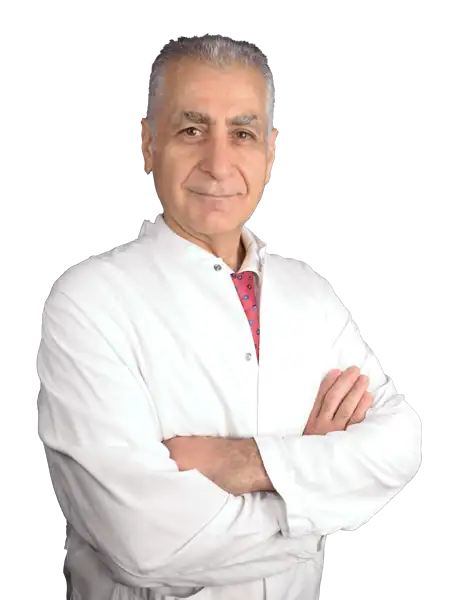
Asst. Prof. Dr. İbrahim Şahbaz
Ophthalmology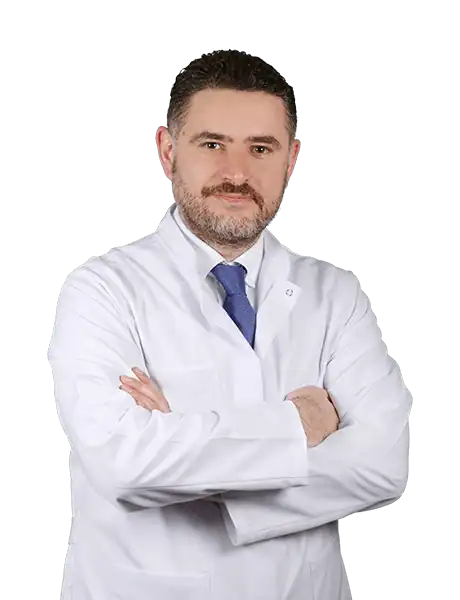
Dr. Bülent Raşit Tuncel
Ophthalmology
Dr. Burak Tanyıldız
Ophthalmology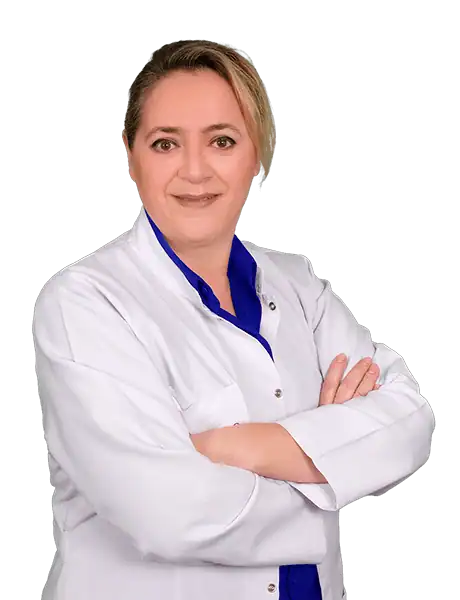
Dr. Dilek Tomatır
Ophthalmology
Dr. Emel Çolakoğlu
Ophthalmology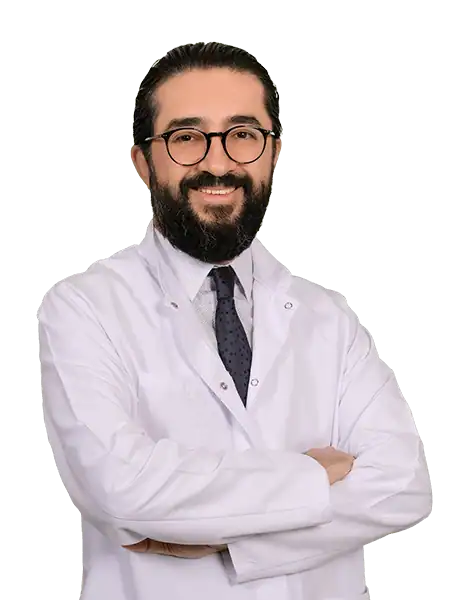
Dr. Emre Çakır
Ophthalmology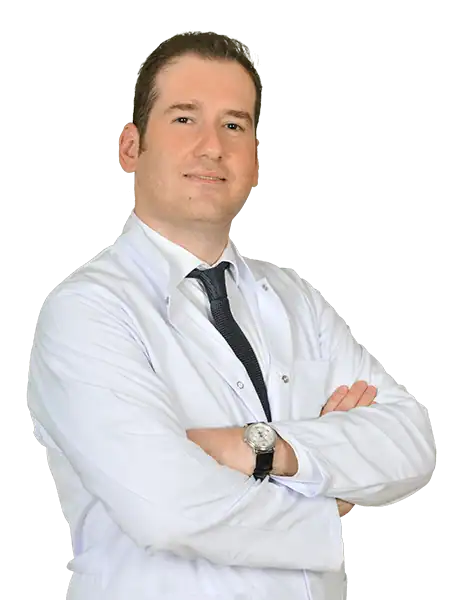
Dr. Emre Sübay
Ophthalmology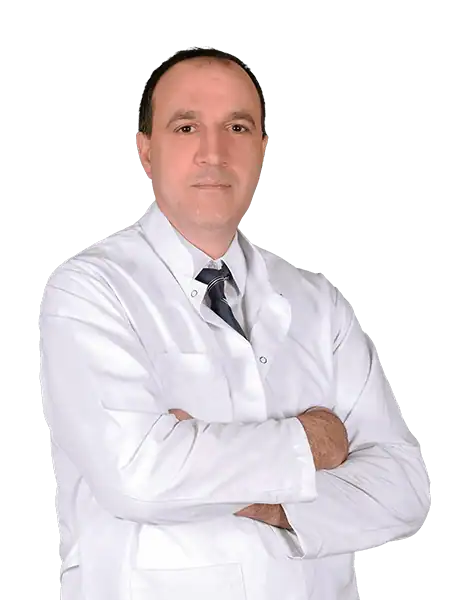
Dr. Erbil Ulus Duman
Ophthalmology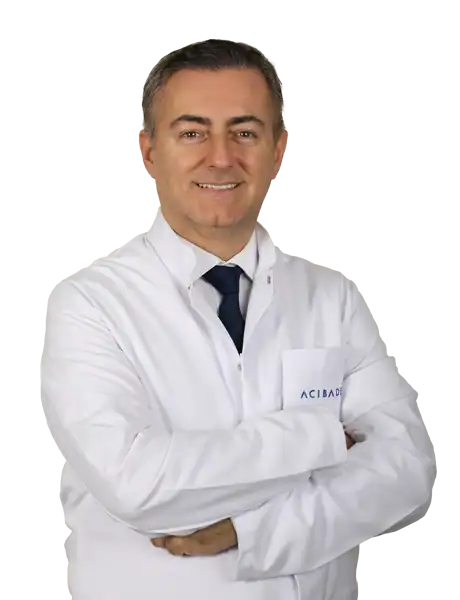
Dr. Ercan Paşaoğlu
Ophthalmology
Dr. Evren Baca
Ophthalmology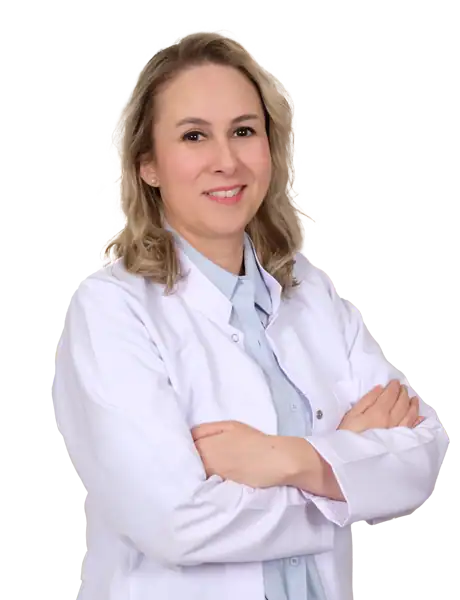
Dr. Feride Pinar Doğru
Ophthalmology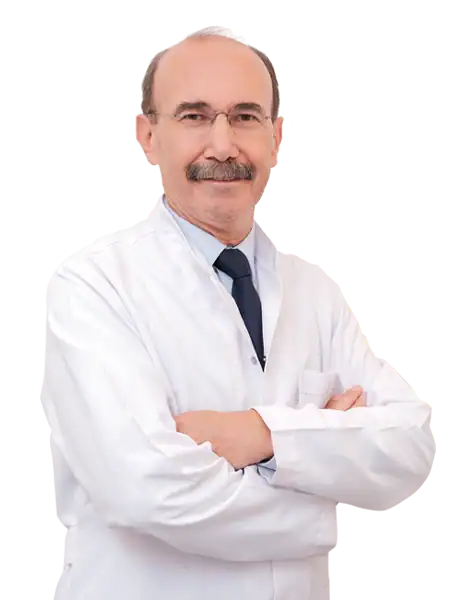
Dr. Hasan Şen
Ophthalmology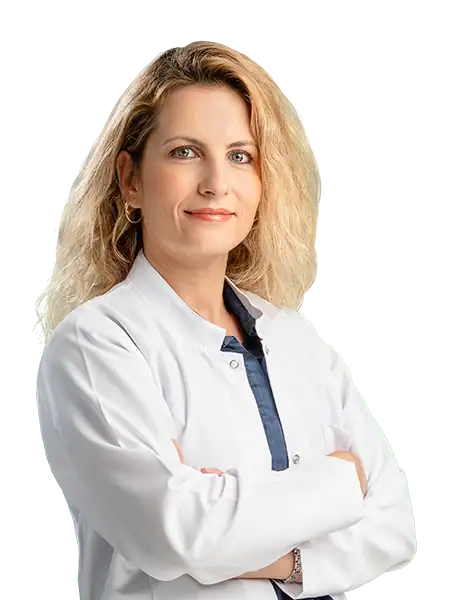
Dr. Hülya Deveci
Ophthalmology
Dr. Mahir Kenduşim
Ophthalmology
Dr. Melike Lider Gezer
OphthalmologyMedical Technologies Used
Speak with our medical team
Share your case and our international patient team will guide you to the right specialist — free of charge.