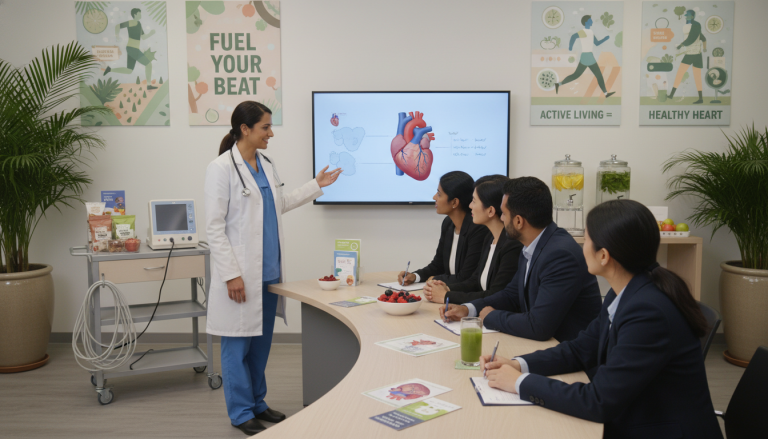







Modern medicine is moving towards a proactive approach. At a leading heart hospital, our main goal is to cut down on heart disease deaths. We think clinical excellence begins before emergencies happen.
Our hospital uses the latest tech for prevention treatment for all patients. We combine precise diagnostics with a team of experts. This way, we make sure each person gets a wellness plan that fits them.
We put patient safety and long-term health first. While we do complex heart surgery, our main focus is on lasting wellness. We aim to safeguard your future with cutting-edge care and innovation.
Key Takeaways
- Integrated care models significantly reduce cardiovascular mortality rates.
- Advanced diagnostic technology allows for early risk identification.
- Multidisciplinary teams provide a holistic approach to patient wellness.
- Proactive strategies are essential for long-term cardiovascular health.
- Institutional commitment to safety ensures superior clinical outcomes.
The Evolution of Preventive Cardiology in Modern Healthcare
Historically, heart health was mostly treated after problems arose. Now, we focus on long-term, data-based plans. The medical field has shifted to preventive medicine to help patients before they get sick.
Today, doctors use advanced tools to spot heart risks early. This lets them plan care that fits each patient’s needs. It’s all about being proactive and personal.
Regular health checks are key to staying well. Patients should learn about the value of preventive check-ups. Early intervention is the best way to protect the heart and improve life quality.
Using big data and expert knowledge, we create personalized preventive medicine plans. We don’t follow one-size-fits-all rules anymore. Instead, we focus on each person’s unique health needs.
The change in heart treatment shows our commitment to lasting health. We keep an eye on patients and adjust plans as needed. This way, we help patients manage their heart health and work towards a healthier future.
Defining the Multidisciplinary Team Approach
The heart of advanced clinical excellence is the multidisciplinary team approach. It brings together experts like interventional cardiologists, cardiothoracic surgeons, and specialized nursing staff. They work together to manage complex heart problems. This ensures each patient gets a detailed evaluation based on their medical history.
The teamwork is essential for top-notch care. Instead of one view, our teams use a collaborative model. They review every detail to make sure treatment plans are precise and effective.
We stick to this model for smooth care transitions. Integrated care pathways help make decisions faster. This means the right specialists are involved at key moments. Patients know their health is in the hands of a skilled, unified team.
| Specialist Role | Primary Responsibility | Contribution to Care |
|---|---|---|
| Interventional Cardiologist | Diagnostic Imaging | Precision Mapping |
| Cardiothoracic Surgeon | Surgical Intervention | Advanced Repair |
| Specialized Nursing Staff | Patient Monitoring | Continuous Support |
This teamwork leads to innovation and sustained excellence in patient care. By combining our resources, we tackle even the toughest heart issues. This teamwork is at the core of our mission to offer top cardiovascular services.
Advanced Cardiac Imaging and Diagnostic Precision
We use top-notch cardiac imaging systems to find heart problems early. Our team can spot signs of heart disease before they become serious. This helps us give each patient the best care possible.
At our heart hospital, we think detailed data is key to understanding risks. Doctors use this info to create treatment plans that fit each patient’s needs. This way, we catch every sign of heart stress during exams.
New tech in cardiac imaging means better health for patients. With clear images, doctors can make choices that help patients stay healthy longer. Our heart hospital keeps up with these advances to offer the best care.
We believe the future of heart care is combining tech and medical skills. Our heart hospital is always getting better. We make sure every patient gets the latest in heart health science. This is our promise to keep hearts healthy for everyone.
Risk Stratification and Personalized Prevention Plans
We use advanced risk stratification to make sure every prevention treatment fits each patient perfectly. Our team goes beyond generic plans to find out who might be at risk. This way, we can stop heart problems before they start.
We look at many things to understand a patient’s health fully. We consider genetic markers, lifestyle, and medical history together. This holistic perspective helps our teams predict risks accurately.

After figuring out a patient’s risk, we create plans for long-term health. These plans have clear goals and help pick the best prevention treatment options. Patients get a plan that’s tailored to their heart health needs.
We make sure everyone gets the best care from the latest medical science. Our models keep getting better to meet our patients’ changing needs. We think personalized prevention treatment is key to keeping hearts healthy and improving life quality.
The Role of Minimally Invasive Heart Surgery
Minimally invasive heart surgery is a big step forward in caring for patients. It uses smaller cuts and special tools. This way, our teams get great results with less harm.
Patients usually heal faster and face fewer problems than with old methods. These new ways help people get back to their lives sooner. We choose these methods to give patients the best care.
Our surgery combines skill and the latest tech. Doctors use top-notch images and robots for precise surgeries. This mix of human talent and tech is key to our success.
The table below shows how new methods differ from old ones:
| Feature | Traditional Surgery | Minimally Invasive |
|---|---|---|
| Incision Size | Large (6-8 inches) | Small (1-3 inches) |
| Recovery Time | 6 to 8 weeks | 2 to 4 weeks |
| Risk of Infection | Moderate | Low |
| Hospital Stay | 5 to 7 days | 2 to 4 days |
Choosing minimally invasive heart surgery makes things safer and more comfortable for patients. We aim to offer top-notch heart surgery that focuses on long-term health and well-being.
Integrating Preventive Medicine into Daily Clinical Practice
Adding preventive medicine to our daily work is key to keeping patients healthy for the long term. We make sure every patient gets a chance to stay healthy by using these methods all the time. This way, we catch problems early before they get worse.
Watching patients closely is our main way to prevent problems. Our doctors use special tools to keep an eye on how patients are doing. This helps them act fast when needed. Keeping a close eye on patients with serious health issues is very important.
Teaching patients is also a big part of what we do. We give them the tools they need to take care of themselves at home. This teaching helps them stick to healthy habits and take their medicine as they should.
By making these practices a part of our work, we keep our focus on health and wellness. We think that proactive care is the best way to help our community. Our commitment to preventive medicine keeps pushing us to find new ways to improve care.
Specialized Heart Valve Repair Techniques
We focus on keeping your heart valves working right. This is key to keeping you healthy for a long time. Our team works hard to repair your valves instead of replacing them. This way, you can live better and longer.
We use the latest technology to do this. Our surgeons use robots and tiny cameras to fix your heart. This makes the surgery safer and less scary for you.
Choosing minimally invasive heart surgery is a big step forward. It means you’ll heal faster and face fewer risks. Our doctors aim for the best results while keeping you safe.
Here’s why choosing repair over replacement is better for some patients:
| Feature | Traditional Surgery | Minimally Invasive Approach |
|---|---|---|
| Incision Size | Large (Sternotomy) | Small (Keyhole) |
| Recovery Time | Extended | Rapid |
| Tissue Trauma | Significant | Minimal |
| Valve Preservation | Variable | High Priority |
We keep getting better at heart valve repair thanks to new tech. We think minimally invasive heart surgery is the future. It helps us make you healthier for years to come.
The Importance of Comprehensive Cardiac Rehabilitation
Cardiac rehabilitation is key for long-term heart health after medical treatment. Surgery fixes immediate problems, but recovery needs a detailed plan. We focus on this phase to help patients get strong and confident again.
Our programs include structured exercise, nutritional counseling, and psychological support. These elements work together to meet physical and emotional needs. This approach is essential for avoiding future health issues and improving life quality.

Exercise plans are made just for each patient, based on their fitness and health history. Our experts guide them in safe, monitored workouts. This helps strengthen the heart muscle without risks.
Nutritional advice is also critical for heart health. Our dietitians help patients make lasting changes in their diet. These changes are easy to follow, helping patients stay healthy long after they leave us.
In the end, cardiac rehabilitation helps people take charge of their health. We give them the tools and support they need for a healthier life. Our goal is to help them live an active, healthier lifestyle.
Managing Comorbidities in High-Risk Populations
Effective heart treatment goes beyond just the heart. Many patients have complex medical histories, like diabetes or kidney problems. These issues affect how well heart treatments work and need a careful plan.
Our teams bring together doctors from different fields to tackle these health challenges. By working together, endocrinologists, nephrologists, and cardiologists make sure all parts of a patient’s health are checked. This holistic perspective helps us lower risks before they harm treatment results.
Patients with many health problems need special care during recovery. Our treatment plans are safe and work well, even for the most complex cases. For those facing these challenges, we offer advanced terapije i tretmani za srcanu insuficijenciju to help improve their quality of life.
Addressing the whole patient is our main goal. By handling both heart issues and other health problems, we lower the chance of complications. This focus on complete care means every patient gets a plan made just for them.
Technological Innovations in Remote Patient Monitoring
At our heart hospital, we’re changing how we care for patients. We use advanced tech to watch over patients from home. This way, we can keep an eye on their heart health all the time.
Wearable sensors and digital health platforms connect patients with our doctors. These tools track important health signs like heart rate and blood pressure. If something looks off, we get a quick alert to check it out.
We’re all about using tech to help our patients. By catching heart problems early, we can stop them from getting worse. This helps our patients live healthier, longer lives.
| Monitoring Feature | Clinical Benefit | Patient Impact |
|---|---|---|
| Wearable Sensors | Early Symptom Detection | Increased Peace of Mind |
| Digital Platforms | Seamless Data Sharing | Reduced Hospital Visits |
| Automated Alerts | Rapid Clinical Response | Enhanced Safety Protocols |
We think tech should help patients and keep them safe. Our dedicated digital infrastructure checks every piece of data carefully. As a top heart hospital, we’re using these tools to make cardiac care better for everyone.
Ethical Considerations and Patient-Centered Care
Every medical decision is a big responsibility to respect the patient’s values. We follow a strict ethical framework in our work. This ensures our care is both advanced and respectful of each person’s wishes.
Informed consent is key in our process. We make sure patients get all the facts about their heart health. This way, they feel informed and supported during their care.
Trust comes from honest talks between us and our patients. We believe ethical integrity is the base of good medical care. When patients feel valued, the care they get is better.
We focus on several key areas to keep our service high and our morals strong:
| Ethical Pillar | Clinical Application | Patient Benefit |
|---|---|---|
| Informed Consent | Detailed procedure briefings | Increased confidence |
| Transparency | Open data sharing | Enhanced trust |
| Patient Autonomy | Shared decision-making | Personalized outcomes |
| Integrity | Standardized safety protocols | Reduced clinical risk |
We stick to these values to build a caring and innovative culture. Our aim is to offer top-notch care while respecting human dignity. We’re committed to the long-term health of every patient who trusts us with their heart.
The Future of Collaborative Cardiac Surgery
The future of heart medicine is bright, thanks to teamwork. We’re seeing new ways of working together in multidisciplinary care models. This means every patient gets a full plan for their heart health.
New research and tech are making cardiac surgery better. Our team can now do complex surgeries with more precision. This leads to better results for our patients.
We’re always pushing to be leaders in medical innovation. Our team keeps learning to stay ahead in heart surgery. This way, we can meet tomorrow’s challenges while caring for patients today.
We see the future of cardiac surgery as a mix of human skill and digital tools. We’re investing in new tech and research. Our goal is to lead in heart health for years to come, making sure every patient gets the best care.
Advancing the Standard of Care for Long-Term Heart Health
Modern medicine is moving towards proactive wellness and precise diagnostics. Our institution is committed to improving care for patients seeking lasting health.
We focus on combining advanced cardiac surgery with sustainable healthcare. This approach ensures each patient gets heart treatment that fits their needs.
Innovation is key to our clinical excellence and the future of medicine. We set high standards to improve patient outcomes worldwide.
Our teams work hard to improve every part of heart treatment. We believe teamwork leads to better results in complex surgeries.
Explore our resources to learn about our specialized programs. Your path to better heart health begins with informed choices and expert advice!
FAQ
Q: How does a multidisciplinary team approach heart attack prevention at an advanced heart hospital?
A: At top places like the Cleveland Clinic, experts like cardiologists and nutritionists work together. They create detailed plans to prevent heart attacks. This team uses the latest technology and shares their knowledge to keep patients safe.
Q: What defines the modern evolution of preventive medicine in cardiology?
A: The field has moved from just treating problems to preventing them. Now, doctors use data to find risks early. This way, they can manage patients’ health better in high-risk settings.
Q: Who constitutes the multidisciplinary team in a cardiac care setting?
A: Teams include cardiologists, surgeons, and nurses. Working together, they make sure every part of a patient’s heart health is checked. This teamwork leads to top-notch care for complex heart issues.
Q: Why is cardiac imaging essential for diagnostic precision?
A: Cardiac imaging lets doctors spot early signs of disease. Tools like those from GE Healthcare give them the detailed info needed for accurate diagnosis and treatment.
Q: How is risk stratification used to create personalized prevention treatment plans?
A: Risk stratification uses genetic, lifestyle, and health data to create plans for each patient. This approach ensures each person gets care tailored to their needs.
Q: What are the clinical advantages of minimally invasive heart surgery?
A: Minimally invasive surgery has many benefits. It means less recovery time, fewer complications, and less harm to the body. These techniques blend surgical skill with new technology, raising the bar for patient care.
Q: How is preventive medicine integrated into daily clinical workflows?
A: Preventive medicine is a big part of daily care. By watching patients closely and teaching them, we help them stay healthy long-term. This focus on prevention is key to our mission.
Q: What techniques are used for specialized heart valve repair?
A: Doctors use advanced robotic systems, like the da Vinci Surgical System, for heart valve repair. This method helps keep the patient’s own valve working better, improving their quality of life.
Q: Why is cardiac rehabilitation critical after a procedure?
A: Cardiac rehab is a complete recovery plan. It includes exercise, nutrition advice, and mental support. These programs help patients keep their health gains by making lifestyle changes and getting ongoing support.
Q: How do multidisciplinary teams manage comorbidities in high-risk populations?
A: Teams handle complex health issues by working together. They coordinate care across different specialties. This teamwork makes sure treatments are safe and effective for the whole patient.
Q: How does remote patient monitoring enhance the safety of heart treatment?
A: Remote monitoring uses wearables and digital platforms to keep an eye on patients. This way, doctors can spot problems early. It’s a key part of modern healthcare.
Q: What ethical considerations guide patient-centered care in cardiac surgery?
A: Our care is guided by ethics. We make sure decisions focus on the patient’s values and well-being. Trust is built through clear communication and informed consent.
Q: What is the future of collaborative cardiac surgery and heart treatment?
A: The future is all about improving care models and research. Our goal is to keep leading in cardiac surgery and care for years to come.
Q: How is the standard of care for long-term heart health being advanced?
A: We’re improving care by combining advanced surgery with prevention. Our focus on innovation and high standards means a healthier future for our patients.