

What to Expect at Your First Acibadem Appointment

Learn how your first Acibadem appointment works, what to bring, who you’ll meet, and how international patient support helps you settle in.
Your first appointment at Acibadem is designed to help you settle in, share your concerns clearly, and understand the next steps without feeling rushed. This guide walks you through the practical details so you know what to bring, who you may meet, and how Acibadem Health Point supports international patients from the moment you arrive.
At a glance
- Best for: International patients preparing for an initial consultation
- What you’ll do: Registration, paperwork review, history discussion, examination, and next-step planning
- Support available: Interpreters, international patient coordination, and logistics guidance
- Typical focus: Understanding your goals, medical history, and the right care pathway
- Bring with you: Identification, prior reports, imaging, medication list, and questions
Why the first appointment matters more than you may think
Your first Acibadem appointment is usually less about “starting treatment” and more about building a clear picture of you. The team needs to understand your symptoms, previous care, medications, test results, travel constraints, and what you hope to achieve so they can suggest the right plan.
For international patients, this visit also helps turn a distant medical decision into a practical one. You can confirm how care may fit into your travel dates, whether you need additional tests, and what support you may need while you are in Turkey.
At Acibadem Health Point, the process is organized to reduce guesswork. Because the hospitals are JCI-accredited and work with multidisciplinary specialist teams, your appointment may involve more than one perspective if your case benefits from it.
How the appointment usually unfolds
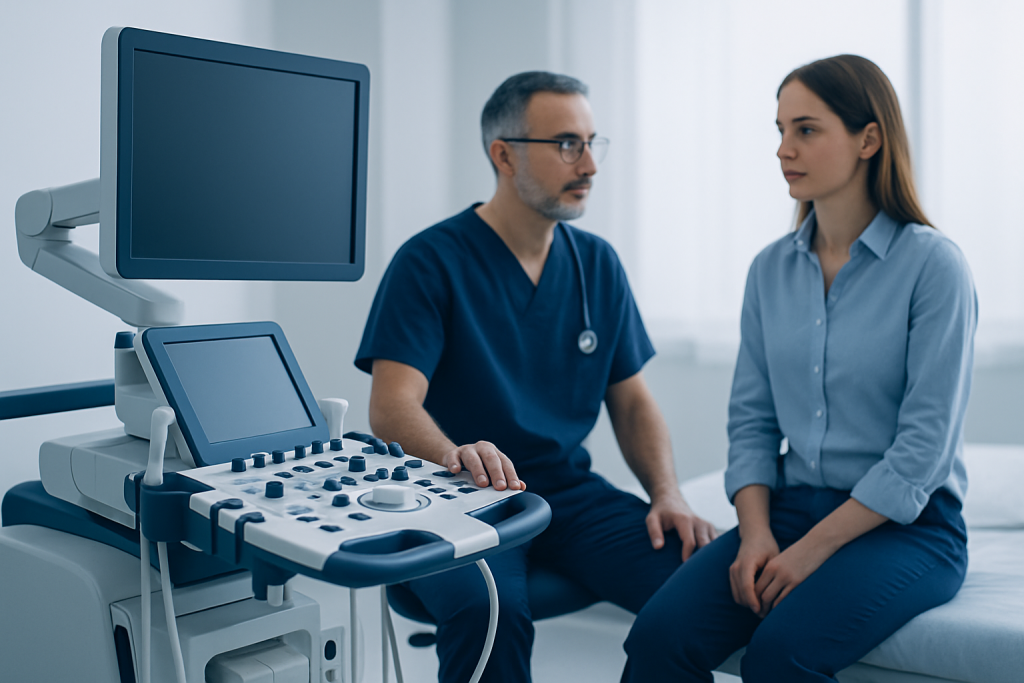
When you arrive, you will first go through registration and identity checks. If you are using Acibadem Health Point’s international patient services, you may also be guided by a coordinator who helps with language support, timing, and where to go next.
After that, you typically meet the relevant doctor or specialist team. The conversation usually starts with your medical history: when symptoms began, what makes them better or worse, what treatments you have already tried, and whether you have any allergies or ongoing conditions.
Depending on your situation, the appointment may include a physical examination, a review of imaging or lab work, or a discussion of additional tests. If further assessment is needed, you should leave with a clear idea of why it is being recommended and what the next step looks like.
What to bring so the visit runs smoothly

The more organized your documents are, the easier it is for the team to give you useful guidance on the first visit. If you have records from home, bring them in a format that can be reviewed quickly, ideally both printed copies and digital files if possible.
Helpful items often include a passport or ID, any referral letter, recent test results, scan reports, imaging discs or links, a current medication list, and notes about allergies or past procedures. If you use medical devices, bring details such as model names, settings, or photos when relevant.
It also helps to write down your main questions in advance. Many patients forget important points once they are in the room, especially if they are traveling in a new country or relying on an interpreter.
- Passport or national ID
- Previous medical reports and discharge summaries
- Recent imaging and lab results
- Medication and supplement list
- Allergy information
- Insurance or payment documents, if applicable
How language and communication support can help
If you are nervous about speaking in English or Turkish, say so early. Acibadem Health Point can arrange interpreter support so you can explain your symptoms accurately and understand the doctor’s recommendations without having to guess.
That matters because medical appointments can move quickly, and small misunderstandings can affect timing, testing, or follow-up plans. A good interpreter does more than translate words; they help make sure your concerns are heard clearly and that you understand the practical implications of each option.
You can also ask for information to be repeated, written down, or explained in simpler terms. If you are comparing care options from abroad, clear communication is not a luxury—it is part of safe decision-making.
Questions you may want to ask during the visit
Your first appointment is the right time to move from broad research to specific answers. Rather than trying to ask everything at once, focus on the questions that help you decide whether this path fits your health needs and your travel plan.
Useful topics include what the doctor thinks is going on, which tests are needed, whether any treatment can start during this trip, how long you may need to stay in Turkey, and what recovery or follow-up could look like once you return home.
If you are considering care at Acibadem, you can also ask how your case is coordinated across departments, who your main point of contact will be, and how communication continues after you leave the hospital.
- What is the likely next step after this visit?
- Do I need more tests before a decision is made?
- Can treatment be completed in one trip?
- What should I do before I travel home?
- Who can I contact if I have questions later?
What happens after the appointment
Before you leave, you should know what comes next. That may mean booking another consultation, scheduling tests, receiving a written summary, or getting instructions for medication, preparation, or travel.
If you are an international patient, the logistics may be as important as the medical plan. Acibadem Health Point can help coordinate practical details such as timing, interpreter needs, and travel or accommodation guidance so you are not left trying to manage everything alone.
In many cases, the first appointment is the point at which your plan becomes much more concrete. Even if treatment does not start that day, you should walk away with a clearer picture of your condition, your options, and the safest pace for the next steps.
Staying calm if the visit feels overwhelming
It is completely normal to feel unsettled at a first medical appointment, especially if you have flown in from another country. You may be tired, worried, or unsure whether you asked the right questions.
If that happens, slow the conversation down. Ask the team to repeat the summary, request written instructions, or pause before agreeing to any next step. A well-run appointment should make you feel informed, not rushed.
At Acibadem Health Point, the aim is to help you leave with enough clarity to make a good decision. If something is still unclear, it is better to ask again than to pretend you understood.
Step by step
- Confirm your appointment details before you travel. Check the clinic location, date, time, and whether you need to arrive early for registration. If you are traveling from abroad, allow extra time for transport, traffic, or airport delays so the appointment starts calmly.
- Gather your records in one place. Put reports, scans, medication lists, and previous diagnoses together before you pack. Having everything ready saves time and gives the doctor a more complete view of your history.
- List your goals and questions. Write down your main symptoms, what you want to understand, and what would count as a successful outcome for you. A short list is often more useful than trying to remember everything in the room.
- Tell the team about language or mobility needs early. If you need an interpreter, wheelchair access, or extra support moving between areas, share that in advance if possible. Acibadem Health Point can help coordinate these practical details so the day feels more manageable.
- Be ready for more than one discussion. Your first visit may lead to a second opinion, further tests, or a plan that takes shape over several steps. That does not mean the appointment was incomplete; it means the team is tailoring care to your situation.
- Ask for a written plan before you leave. Before you go, make sure you understand what happens next, who to contact, and whether anything is time-sensitive. A short written summary can make it much easier to follow instructions once you are back at your hotel or home.
Your checklist
- Passport or ID
- Appointment confirmation details
- Referral letter, if you have one
- Recent imaging and lab results
- Medication list and allergy information
- Previous discharge summaries or operative reports
- A list of questions for the doctor
- Comfortable clothing for examination
- Insurance or payment paperwork, if applicable
Key takeaways
- Your first Acibadem appointment is mainly about understanding your history and mapping the next step.
- International patient support can help with language, timing, and travel-related logistics.
- Bring records, medication details, and a short question list so the visit is efficient.
- You should leave with a clearer plan, even if treatment starts later.
- If anything is unclear, ask for it to be repeated or written down before you go.
01How long does a first Acibadem appointment usually take?
It depends on the specialty and how complex your case is. Some visits are straightforward and brief, while others take longer because the doctor needs to review records, ask detailed questions, or coordinate additional tests. It is wise to allow extra time so you do not feel rushed afterward.
02Do I need to bring all my previous medical records?
Bring as much relevant information as you can, especially recent reports, scans, and medication details. If you cannot gather everything, bring the most recent and important documents first, because even partial records can help the team understand your situation. If needed, Acibadem Health Point may guide you on what else to send later.
03Will there be an interpreter at my appointment?
Interpreter support can often be arranged for international patients, especially if language might affect understanding. It is best to request this in advance so the service can be organized smoothly. Clear communication is important when discussing symptoms, options, and follow-up steps.
04Can I start treatment during the first visit?
Sometimes yes, but not always. The first appointment may be enough to begin a plan, or it may be used to gather more information before any treatment decision is made. The priority is making sure the plan is appropriate and safe for your specific case.
05What if I arrive with questions I forgot to ask?
That happens often, especially when you are traveling and trying to absorb new information. Ask for a written summary, a follow-up contact point, or the best way to send questions after the visit. It is better to clarify later than to leave confused.
06How does Acibadem Health Point help international patients after the appointment?
The support does not stop when you leave the consultation room. International patient services can help with the next steps, including scheduling, coordination across departments, travel or accommodation guidance, and communication after you return home. That continuity can be especially helpful if you are managing care from another country.
Add us as a Preferred Source to see more of our trusted health content across Google Search, AI Overviews and Discover.
More Patient Guides

What Companions Should Know Before Surgery in Turkey
Know how to support a loved one before surgery in Turkey, from travel and paperwork to hospital routines, rest, and communication.
8 min read
Preparing for Diagnostic Tests in Turkey
Learn how to prepare for diagnostic tests in Turkey, what to bring, and how Acibadem Health Point supports you before, during, and…
8 min read
Special Needs Travel Checklist Before Surgery in Turkey
Plan a smoother surgery trip to Turkey with a practical special needs checklist for mobility, documents, medications, and support needs.
8 min read