

Hotel or Hospital Room for Recovery? How to Choose the Right Post-Procedure Stay

Choose between a hotel or hospital room after a procedure with practical tips on safety, mobility, medication, and follow-up planning.
Choosing where you stay after a procedure is not just about comfort; it is about how much support you may need in the first hours and days. This guide helps you compare a hotel and a hospital room in practical terms so you can plan a safer, calmer recovery.
At a glance
- Best for close monitoring: A hospital room
- Best for privacy and flexibility: A hotel
- Main deciding factor: How much help you need with mobility, medication, and wound care
- International patient tip: Plan transport, interpreter support, and follow-up before discharge
- Common mistake: Choosing comfort before confirming you are medically ready
Start with the question that matters most: how much support do you need?
After a procedure, the right place to sleep is the one that matches your actual needs, not the one that sounds nicest on paper. If you are likely to need regular checks, pain control adjustments, dressing changes, or help moving around, a hospital room is usually the safer first step. If your clinician has already confirmed that you are stable and you mainly need rest, a hotel may be a reasonable part of your recovery plan.
For international patients, the decision can feel more complicated because you are also thinking about luggage, airport transfers, language, companions, and how far you are from the clinic. Acibadem Health Point’s international patient services can help you think through those logistics early, so your stay fits the medical plan rather than working against it. That kind of planning matters most when you are far from home and cannot simply “drop by” if something feels off.
A good rule is simple: the less predictable your immediate aftercare needs, the closer you should stay to medical support. A hotel can still be part of the recovery picture, but only when the first critical period has passed and you can manage with a clear plan.
What a hospital room gives you that a hotel cannot
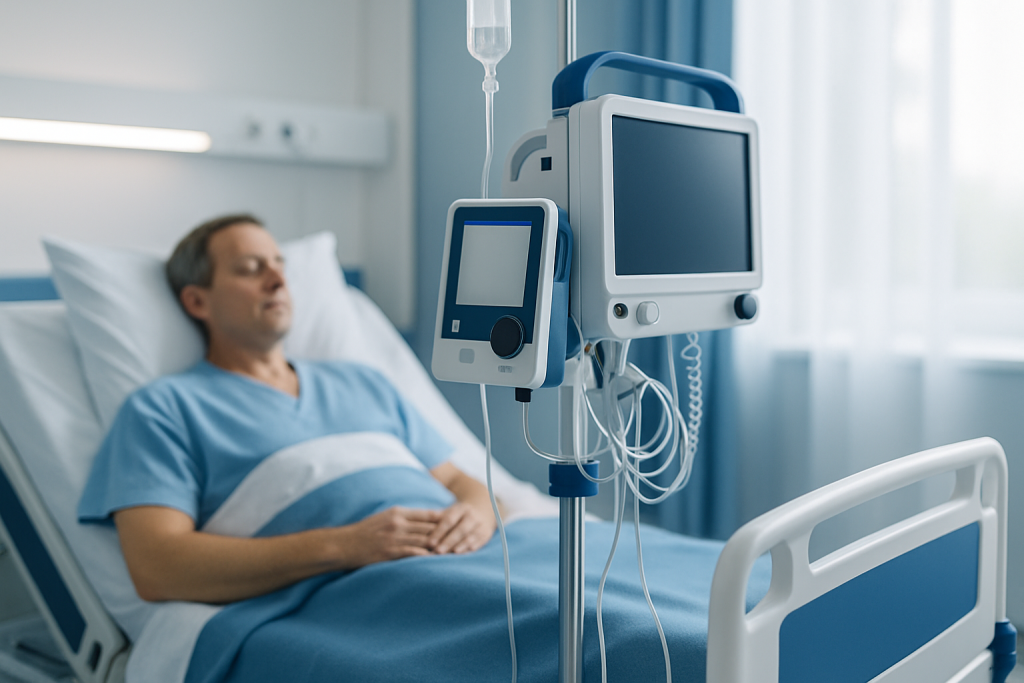
A hospital room is not only for emergencies. It can be the most practical option when you need overnight observation, regular vital sign checks, scheduled medications, assistance walking, or quick access to a nurse if symptoms change. If you feel faint, nauseated, unsteady, or unsure about wound care, being in the hospital reduces the stress of “what if” questions.
There is also a hidden benefit: decisions can be made faster. If your surgeon or care team notices swelling, unusual pain, dehydration, or other concerns, they can assess and adjust your plan without delay. For many patients, that speed is reassuring during the early recovery window when everything feels a little unfamiliar.
A hospital room can be especially helpful if you:
- need monitoring after sedation or anesthesia
- have limited mobility or need help standing, walking, or using the bathroom
- require regular dressings, drains, or medication timing
- are traveling without a companion
- are recovering from a procedure that your clinician expects to need close observation
If you are staying with Acibadem Health Point, the team can coordinate with the hospital setting and explain what to expect before discharge, which makes the transition feel much less abrupt.
When a hotel can work well for recovery

A hotel may suit you if you are medically stable, able to move independently, and comfortable following a simple aftercare plan on your own. Many patients appreciate having a quieter room, more personal space, and a more relaxed atmosphere once the most intense monitoring phase is over. For some, the chance to sleep better and feel less “hospital-like” can make recovery feel more human.
That said, a hotel only works if the basics are already covered: you know how to take your medications, when to contact your team, what symptoms are expected, and what would count as a warning sign. You should also have a realistic plan for meals, hydration, getting in and out of transport, and returning for review if needed.
Think of a hotel as a recovery base, not a substitute for medical support. If you are still dizzy, dependent on pain relief changes, or unsure about dressing care, the convenience of a hotel may be outweighed by the safety of staying closer to the hospital.
Questions to ask before you book either option
The right choice becomes much easier when you ask a few specific questions before the procedure rather than after it. First, ask your clinician what level of observation you may need and for how long. Then ask whether you can manage in a hotel, what daily tasks you should be able to do independently, and whether any companion support is recommended.
It also helps to ask about practical follow-up: Will you need a review appointment the next day? Could you need dressing changes, scans, or blood tests? If you are using Acibadem Health Point, international coordinators can help organize these details alongside interpreter support, so you do not have to piece everything together in a new city while you are recovering.
Useful questions include:
- How soon after the procedure can I safely leave the hospital?
- What symptoms mean I should return for assessment?
- Do I need a companion for the first 24 hours?
- Should I stay within a short drive of the hospital?
- What is the plan if my pain or nausea changes?
Hotel, hospital, or a hybrid plan: sometimes the answer is both
Recovery does not always have to be an either-or decision. Some patients do best with one or more nights in a hospital room, followed by a hotel stay once they are stable and comfortable. This can be a sensible middle ground for international travel, especially when you need to rest for a few days before flying home.
A hybrid plan works best when it is arranged in advance. You want to know exactly when the transfer from hospital to hotel will happen, who will help with bags and transport, and how your follow-up contact will work. If you are using Acibadem Health Point, this is the kind of coordination that can be handled alongside appointment planning and accommodation support, which removes a lot of last-minute stress.
The key is continuity. Whether you sleep in a ward or a hotel bed, your care instructions should stay the same, your contact numbers should be easy to find, and your next check should already be scheduled. That is what makes recovery feel controlled rather than improvised.
How to make a hotel stay safer after a procedure
If you are planning to recover in a hotel, treat it like a temporary care space. Ask for a room that is easy to access, preferably without long walks, stairs, or awkward bathroom layouts. Keep your essentials close: medication, water, phone charger, written instructions, and a list of emergency contacts.
You should also plan for realistic day-to-day needs. Can you reach food without overexerting yourself? Is the room quiet enough for sleep? Will you have help with luggage, showering, or getting transportation if you feel tired? These details matter more after a procedure than they would on a normal trip.
It is wise to choose a hotel near the hospital, especially if you have follow-up appointments or if your team wants you nearby for the first couple of days. Short travel time can make an enormous difference if you need a quick review or simply feel more secure being close to the clinic.
The decision is easier when recovery is planned before you travel
The smoothest recoveries often happen when the stay plan is made alongside the medical plan, not after the procedure is finished. That means thinking ahead about where you will sleep, who can accompany you, how you will get to and from appointments, and what support you may need if you are not feeling well enough to manage alone.
For patients traveling to Turkey, Acibadem Health Point can help connect the medical side with the practical side: interpreting, accommodation, timing, and travel coordination. That matters because recovery rarely happens in a straight line. Some people feel ready to move to a hotel quickly, while others need a little more time in a monitored setting before they are comfortable.
The best choice is the one that protects your safety first and your comfort second. When those two line up, recovery feels less like a challenge and more like a well-managed transition home.
Step by step
- Ask for your discharge timing early. Before your procedure, ask your care team what the likely discharge window looks like. Knowing whether you may leave the same day, after one night, or later helps you decide if a hotel stay is realistic.
- Match the setting to your level of independence. Be honest about how well you can walk, dress, shower, and take medication on your own. If you need frequent help or feel unsteady, staying in a hospital room is usually the safer choice.
- Check how far you need to be from the hospital. If your team wants you nearby for review or observation, choose accommodation close to the clinic. Short transfer times can reduce anxiety and make return visits much easier.
- Plan a companion if you may need one. Some patients do better with someone else present for the first 24 hours, especially after anesthesia or when mobility is limited. A companion can help with transport, meals, and remembering instructions.
- Prepare your recovery space before you arrive. Whether you choose a hotel or hospital room, keep medicines, documents, and chargers easy to reach. A calm room, clear instructions, and simple access to water and food can make a big difference.
- Confirm your follow-up plan before you leave. Make sure you know who to contact, when your next review is, and what symptoms should trigger a call. If you are returning home soon, ask for instructions that you can follow after travel as well.
Your checklist
- Discharge instructions in writing
- Medication schedule and dosage times
- Emergency contact numbers saved on your phone
- A companion arranged if needed
- Hotel close to the hospital if applicable
- Transportation booked in advance
- Interpreter support confirmed if needed
- Follow-up appointment date and time
- Comfortable clothes that are easy to put on
- Essential documents kept together
Key takeaways
- Your recovery setting should match your medical needs, not just your preference.
- A hospital room is safer when you need observation, medication adjustments, or help moving around.
- A hotel can work well once you are stable and know how to manage your aftercare.
- International patients should plan transport, interpretation, and follow-up before discharge.
- A hybrid plan — hospital first, hotel later — is often the most practical option.
01How do I know if I am ready to leave the hospital after a procedure?
Your care team should tell you when you are medically stable enough to go. In general, you should understand your medication plan, be able to move safely, and know who to contact if something changes. If any of that feels unclear, ask before you leave.
02Is a hotel ever better than a hospital room for recovery?
Yes, if you are stable and mostly need rest rather than monitoring. Many patients feel more comfortable in a hotel once the first recovery phase is over. The important part is making sure the hotel stay still fits your medical instructions.
03Should I stay close to the hospital even if I book a hotel?
Usually, yes, especially in the first days after a procedure. Staying nearby makes follow-up visits, check-ins, and unexpected reviews much easier. It also reduces stress if you are tired or not feeling well.
04Do I need someone with me after I leave the hospital?
Sometimes, especially after anesthesia, if you are unsteady, or if your instructions are complex. A companion can help with transport, meals, and remembering medication times. Ask your team whether they recommend someone staying with you.
05What should I do if I feel worse after checking into a hotel?
Follow the contact instructions your team gave you and do not wait until the symptom becomes severe. Keep your discharge papers, medication list, and emergency numbers where you can reach them quickly. If you are using Acibadem Health Point, your international patient contact can help guide the next step.
06Can Acibadem Health Point help with accommodation planning?
Yes, international patient services can help coordinate practical details such as accommodation, transfers, and interpreter support. That can make it easier to match your recovery stay with your medical schedule. It is especially useful when you are planning care from another country.
Add us as a Preferred Source to see more of our trusted health content across Google Search, AI Overviews and Discover.
More Patient Guides

Patient Guide to Accessible Clinics and Hospital Facilities
Plan a smoother hospital visit with practical accessibility tips, mobility support, interpreter help, and international patient services.
8 min read
How to Arrange Mobility Equipment for Your Stay in Turkey
Plan mobility equipment before you travel to Turkey with a simple checklist for wheelchairs, walkers, beds, and hotel or airport support.
8 min read
Accessible Hotel Planning for Medical Patients in Turkey
Plan an accessible hotel stay in Turkey with confidence: room features, transport, mobility needs, and support from Acibadem Health Point.
8 min read