





Ease Knee Tension with Simple Solutions
Knee tension is a common problem that affects many people. It can make daily activities harder and lower your quality of life. In the United States, millions face knee discomfort, often due to age or sports.
This article will share simple ways to ease knee pain and improve mobility. It’s important to act quickly to avoid long-term knee issues. We’ll explore tips and exercises to help you manage knee tension.
Understanding Knee Tension and Its Causes
Knee tension is a common issue for many people. It can lead to physical challenges. Knowing the symptoms is key to solving the problem. Symptoms include swelling, stiffness, and less range of motion.
Common Symptoms of Knee Tension
Knee tension shows up in different ways. It’s important to recognize these signs. Common symptoms are:
- Swelling around the knee joint.
- Stiffness, mainly after sitting or lying down for a while.
- Pain when moving or putting weight on the knee.
- A popping or clicking sound when bending or straightening the knee.
Potential Causes of Knee Discomfort
Many things can cause knee tension. Some main causes are:
- Arthritis, leading to inflammation and pain.
- Ligament injuries from sports or accidents.
- Too much use from doing the same thing over and over, like high-impact exercises.
- Being overweight, which adds stress to the knees.
- Not being flexible enough in the muscles around the knee, which affects how well it moves.
When to Seek Medical Attention
It’s important to know when to see a doctor for knee pain. You should go if you have:
- Severe pain that doesn’t get better with rest or common medicines.
- Big swelling or visible changes in the knee.
- Can’t put weight on the knee at all.
Seeing a doctor quickly can help find and treat serious problems. It can also prevent things from getting worse.
Knee Tension – Simple Solutions
Knee tension can be eased with several effective methods. Doing specific exercises, using temperature therapies, and wearing the right shoes help a lot. These actions can
greatly improve knee comfort and health.
Stretching Exercises for Knee Relief
Adding stretching exercises to your daily routine can boost flexibility and lessen knee tension. Here are some effective exercises:
- Quadriceps Stretch: Stand on one leg and pull the opposite foot towards the buttocks, ensuring the knee remains aligned.
- Hamstring Stretch: Sit on the ground with one leg extended, reaching towards the toes to stretch the back of the thigh.
- Calf Stretch: Press the heel of one foot against a wall while keeping the other leg straight, stretching the calf muscles.
Strengthening Muscles Around the Knee
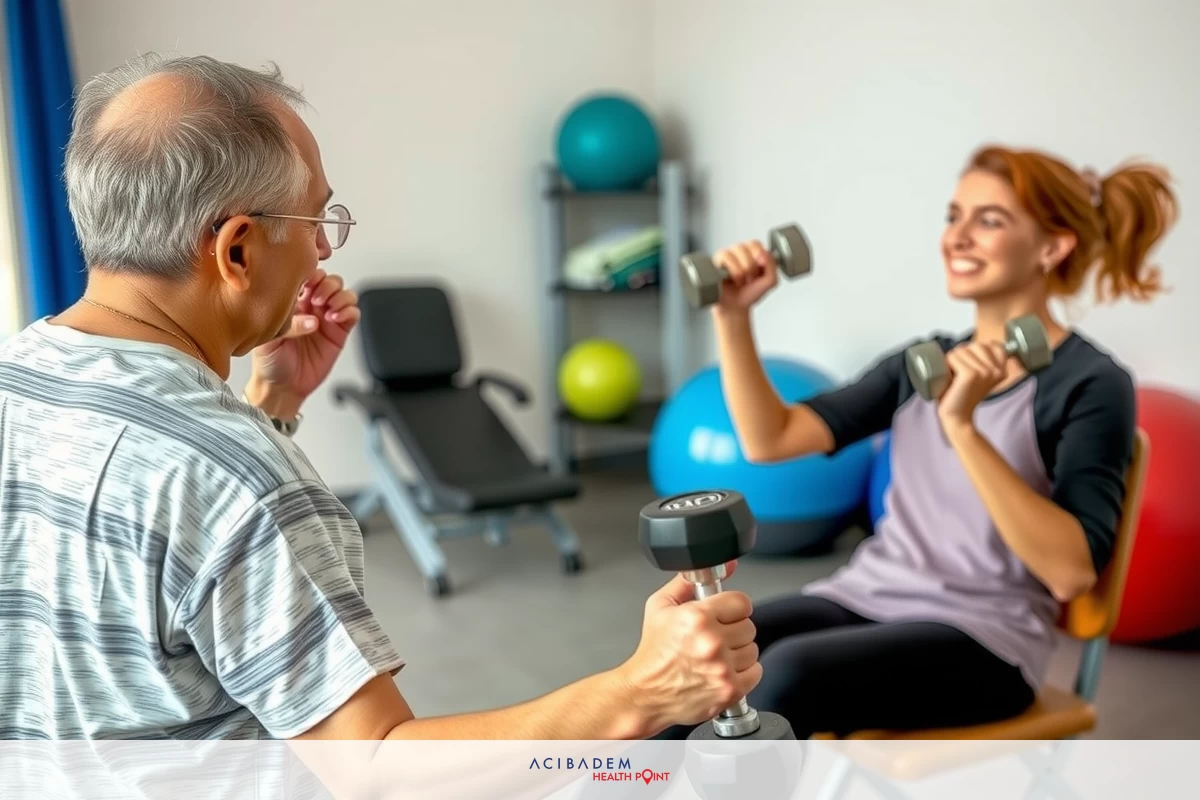
Building strong knee muscles is key for support and stability. Here are some exercises to try:
- Leg Lifts: Lying on your back, lift one leg while keeping it straight to target the quadriceps.
- Wall Sits: Lean against a wall and slide down into a sitting position, engaging the thigh muscles.
- Step-Ups: Using a sturdy step, alternate stepping up and down to build strength in the legs.
Applying Heat and Cold Therapy
Heat and cold therapy can greatly help with knee pain and recovery. Heat relaxes muscles before exercise, while cold therapy reduces inflammation and numbs pain after. Switching between these can help your knees heal faster.
Importance of Proper Footwear
Choosing the right shoes is vital for knee comfort. Shoes with good arch support and cushioning lessen knee strain. Avoid high heels and choose well-fitted, supportive shoes to keep your knees safe and aligned.
Lifestyle Changes to Alleviate Knee Tension
Managing knee tension is not just about treatment. It’s also about making lifestyle changes for better knee health. Eating a diet full of anti-inflammatory foods is key. Foods like salmon, walnuts, fruits, and vegetables help reduce inflammation and improve mobility.
Doing regular, low-impact exercises can also help a lot. Swimming and cycling strengthen the muscles around the knee without putting too much stress on it. Keeping a healthy weight is also important. It reduces the strain on your knees, making daily activities easier and more comfortable.
Also, paying attention to your posture and ergonomics is very beneficial, even more so for those with desk jobs. Using the right posture and ergonomic furniture can help reduce knee tension. By making these changes, you can support your knee health and overall well-being. This leads to long-term relief from knee tension.


