Clear Fluid From a Pimple Is Usually Serum, Not Pus

You squeeze a pimple and instead of the thick white stuff you expected, a thin, clear liquid comes out. Should you worry? Usually not. That clear fluid is often serum — a thin fluid released when the skin is irritated, squeezed, or has a small break in its surface. It is not the same as true pus.
Most of the time, this settles with gentle skin care. But if a spot keeps draining, hurts a lot, shows spreading redness, or comes back again and again, it is time to have a doctor look at it.
Overview: What It Means When a Zit Leaks Clear Liquid
A zit that leaks clear liquid usually means the skin surface has been irritated or opened, allowing a small amount of serum to come out. Serum is a clear to slightly yellow fluid that is part of the body’s healing response. It is different from thick white or yellow pus, which is more suggestive of a collection of inflammatory cells and bacteria inside a pimple or skin infection.
This can happen after squeezing a pimple, scratching it, rubbing it with a towel, or using strong skin products that damage the skin barrier. Some inflamed acne spots can also form a tiny blistered or weeping surface if the top layer of skin becomes fragile. The fluid itself is not always a sign of something serious. The bigger problem is picking — keep touching the spot and it gets more irritated and heals more slowly.
Many people describe this as a “pimple leaking water,” but several skin problems can look similar. A true acne lesion, an irritated hair follicle, a small superficial wound, or even a cold sore or other rash may all ooze clear fluid at times. The most useful clues are how the spot started, where it is located, whether it is painful or itchy, and whether the fluid becomes cloudy, bloody, or foul-smelling.
Common Symptoms and What They Can Suggest
A simple zit with clear drainage may start as a small red bump, whitehead, or tender acne spot. After pressure or friction, the surface may break and release a thin, watery, or slightly sticky fluid. The skin may then look shiny, raw, or crusted as it dries. Mild tenderness is common, especially if the lesion has been squeezed.
Other symptoms can help distinguish an uncomplicated healing pimple from one that needs more attention. Signs that are more consistent with irritation or healing include a small amount of clear fluid, mild redness around the spot, light crusting, and gradual improvement over a few days. Some people also notice temporary discoloration after the spot settles.
Features that can suggest a more inflamed lesion or another skin condition include:
- Increasing pain, swelling, or warmth
- Thick white, yellow, or green drainage
- Spreading redness around the lesion
- A firm, deep lump under the skin
- Repeated drainage from the same spot
- Itching, grouped blisters, or rash-like spread
- Bleeding, a bad odor, or delayed healing
If your breakouts keep coming back, cover a wide area, or leave marks and scars, you are probably dealing with a broader acne pattern — not just one irritated pimple. In that case, a more structured acne plan can help cut down future breakouts and skin damage.
Causes and Risk Factors

The most common reason for clear liquid from a zit is simple skin barrier disruption. When a pimple is squeezed or scraped, the top layer of skin can tear and leak serum. This is especially common with whiteheads, inflamed papules, or spots that have been treated too aggressively with exfoliating acids, retinoids, benzoyl peroxide, or alcohol-based products.
Inflammation from acne itself can also make the skin more fragile. Oil, dead skin cells, and bacteria can block the follicle and trigger swelling. If pressure builds up or the skin surface thins, the lesion may drain. Friction from helmets, masks, tight clothing, phone contact, or shaving can worsen this process, particularly on the face, jawline, chest, back, or scalp.
Sometimes a lesion that seems like a pimple is actually something else. Folliculitis, contact dermatitis, insect bites, herpes simplex, eczema, impetigo, or small cysts can all ooze clear fluid. A painful boil or a recurring lump may behave differently from ordinary acne and may need a different treatment approach. People with diabetes, weakened immunity, chronic skin disease, or frequent skin picking may be more prone to slow healing and secondary infection.
Risk factors for persistent or complicated acne lesions include hormonal changes, family history, oily skin, occlusive cosmetics, stress, and skin care routines that are either too harsh or too heavy. In some cases, repeated deep bumps may overlap with sebaceous cyst-type lumps or other non-acne lesions, which can be mistaken for stubborn pimples.
How Doctors Evaluate a Leaking Pimple
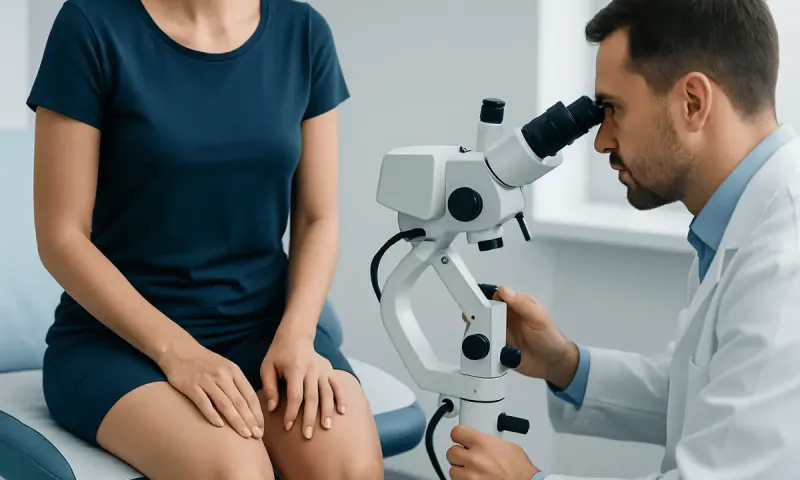
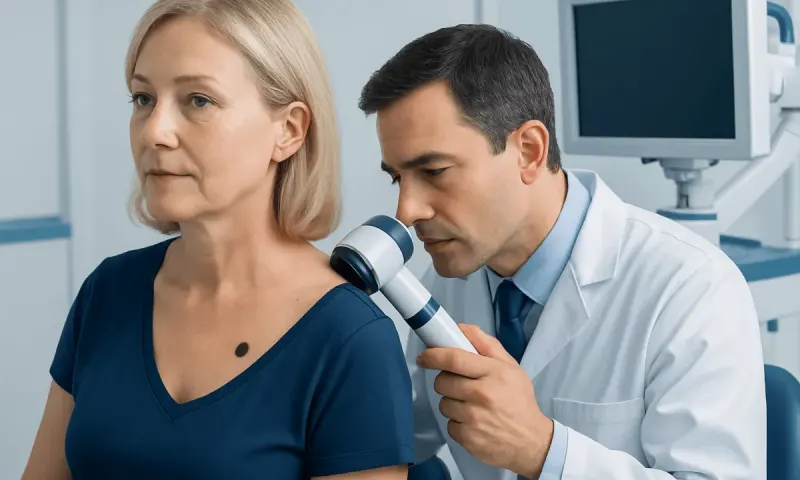
Most isolated zits that leak a small amount of clear fluid do not need extensive testing. A doctor will usually diagnose the cause by examining the lesion and asking how long it has been present, whether it was squeezed, what the drainage looks like, and whether there are symptoms such as fever, itching, rapid enlargement, or repeated recurrence.
The appearance of the skin often provides the main answer. Acne tends to occur with blackheads, whiteheads, and inflamed bumps in common acne-prone areas. A clustered blistering rash may suggest a viral cause, while a honey-colored crust may suggest a superficial bacterial infection. A deep, fluctuant, very tender lesion may be more like an abscess or boil than a routine pimple.
Additional testing is not always necessary, but it may be considered if the lesion is severe, recurrent, unusual in appearance, or not improving. In those cases, a clinician may consider a bacterial culture, a swab, or evaluation for another skin disorder. If a persistent nodule or cyst-like lump is present, imaging or minor procedural assessment can occasionally be useful, especially when there is concern about a non-acne growth.
Treatment and Skin Care at Home
First things first: leave the spot alone. No more squeezing or picking. Wash the area gently with lukewarm water and a mild cleanser, then pat it dry. If the skin is weeping, a simple non-irritating protective layer may help reduce friction while it heals. Harsh scrubs, repeated alcohol application, and frequent touching can delay recovery and increase the chance of a scar or secondary infection.
For people who are prone to acne, routine treatment of the underlying breakout pattern is often more helpful than focusing only on one leaking spot. Non-comedogenic moisturizers, gentle cleansers, and acne treatments used as directed can reduce future lesions. A doctor may recommend topical therapy or other options depending on skin type, acne severity, and whether there is inflammation or scarring. In some cases, broader acne treatment planning is the best way to prevent repeated irritated pimples.
If the area becomes increasingly swollen, hot, or filled with thick drainage, medical care may be needed. Some lesions require prescription medicines, drainage, or a different diagnosis altogether. When a painful deeper infection is suspected, doctors may evaluate whether skin abscess drainage or other targeted care is more appropriate than standard acne management.
People with a recurring lump beneath the skin that repeatedly swells and leaks may not be dealing with a simple zit. If a cyst is present, clinicians may discuss options such as sebaceous cyst removal when inflammation has settled and the diagnosis is clear.
Prevention and Self-Care Tips
Preventing a zit from leaking often starts with protecting the skin barrier. Gentle cleansing twice daily, avoiding over-exfoliation, and choosing fragrance-free or non-comedogenic skin care products can reduce irritation. Acne-prone skin generally responds better to consistent, moderate care than to aggressive spot treatments used repeatedly throughout the day.
Keep your hands off. Picking, popping, and scratching can turn a small pimple into an open sore. Keeping nails short, avoiding close mirror manipulation, and being mindful of rubbing from masks, sports gear, hats, or collars may help. For people who shave, using a clean razor and gentle technique can reduce follicle irritation and ingrown hairs that may mimic pimples.
Everyday habits count too. Wash after sweating, take off makeup before bed, and change pillowcases and sports equipment liners regularly — all of this may help reduce clogged pores and surface irritation. If breakouts are frequent or leave marks, early treatment is often the best prevention against ongoing inflammation and scarring.
When to Seek Medical Care
A small amount of clear fluid from a recently irritated pimple is often manageable at home. However, medical advice is important if the area becomes more painful, larger, or more inflamed instead of improving. This is especially true if the lesion keeps draining, forms a deep lump, or returns in the same place.
See a doctor if you notice spreading redness, warmth, fever, swollen lymph nodes, thick pus, or a boil-like lesion that is growing fast. A doctor should also evaluate a spot near the eyes, a lesion on the genitals, any painful clustered blisters, or any skin lesion that does not heal in a reasonable time. People with diabetes, weakened immune systems, or chronic skin conditions should have a lower threshold for getting checked.
If needed, multidisciplinary specialists at Acıbadem Health Point and its JCI-accredited hospitals evaluate skin lesions and acne-related concerns for international patients, particularly when the diagnosis is uncertain or recurring lesions require coordinated care.
Frequently asked questions
01Is clear liquid from a zit normal?
It can be. Clear liquid often represents serum from irritated or broken skin rather than pus. This commonly happens after squeezing, scratching, or rubbing a pimple.
02Does a pimple leaking clear fluid mean it is infected?
Not necessarily. Infection is more likely when the area becomes increasingly red, hot, painful, swollen, or starts draining thick yellow or green material. A small amount of clear fluid alone is usually more consistent with irritation or healing.
03Should a leaking zit be popped or drained more?
No. Further squeezing can push inflammation deeper, damage the skin barrier, and raise the risk of infection or scarring. It is usually better to gently cleanse the area and leave it alone.
04How long should a leaking pimple take to heal?
A mildly irritated spot often begins to dry and improve within several days. Healing may take longer if the area is repeatedly picked, if there is deeper inflammation, or if another skin condition is present. If it is not improving or keeps returning, a doctor should assess it.
05What is the difference between clear fluid and pus in a zit?
Clear fluid is usually thin serum that leaks from inflamed or injured skin. Pus is typically thicker and white, yellow, or greenish, and it is more suggestive of significant inflammation or infection. The appearance and accompanying symptoms help guide what is most likely.
06Can something other than acne cause a zit-like bump to leak clear liquid?
Yes. Folliculitis, eczema, contact dermatitis, herpes simplex, impetigo, insect bites, and small cysts can sometimes resemble a pimple and ooze clear fluid. Persistent, unusual, very painful, or recurrent lesions deserve medical evaluation.
This article is for general information only and is not a substitute for professional medical advice. Please consult a qualified doctor about your individual situation.
Hair transplant in Turkey — costs, graft counts & a free assessment
JCI-accredited · board-certified surgeons · reply within 24h
Add us as a Preferred Source to see more of our trusted health content across Google Search, AI Overviews and Discover.