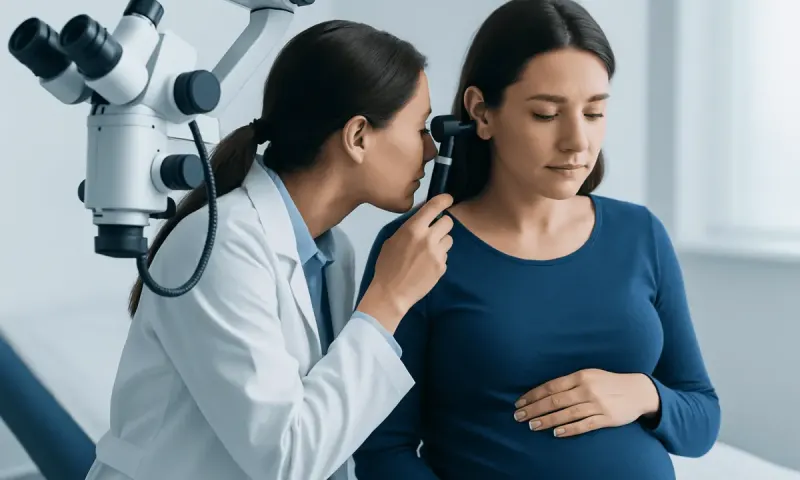
Yeast Infection After Period: Symptoms and Care
A yeast infection after period is not unusual and may occur when menstrual-cycle hormone changes, moisture, or irritation disrupt the vagina’s normal balance. Symptoms such as itching, burning, and thick white discharge are treatable, but similar symptoms can also have other causes, so an accurate diagnosis is important when symptoms are new, recurrent, or severe.
Why a Yeast Infection May Happen After a Period
A yeast infection after period can happen when the balance of microorganisms in the vagina changes around menstruation. Small amounts of Candida, a type of yeast, can normally live in the vagina without causing symptoms. When yeast grows excessively, it can lead to vulvovaginal candidiasis, commonly called a vaginal yeast infection.
Hormone levels shift before, during, and after a menstrual period. Blood, changes in vaginal acidity, prolonged dampness from pads or liners, and irritation from fragranced products may also affect the local environment. These factors do not mean that a person has done anything wrong, and a post-period yeast infection is not usually a sign of poor hygiene.
Symptoms soon after a period are not automatically caused by yeast. Some changes in discharge and mild sensitivity can occur naturally through the menstrual cycle. Symptoms are more suggestive of infection when they are persistent, uncomfortable, or accompanied by noticeable changes in discharge or skin irritation.
Symptoms That May Suggest a Yeast Infection
The most common symptom is intense itching of the vulva, the external genital area. Burning, redness, swelling, tenderness, and small skin cracks may occur, particularly if the area has been scratched or irritated. Some people feel burning when urine touches irritated skin or discomfort during sex.
Vaginal discharge can be thick, white, and clumpy, sometimes described as cottage-cheese-like. It often has little or no strong odor. However, discharge is not the same for everyone, and some people with a yeast infection have very little discharge.
Features that are less typical of a simple yeast infection include a strong fishy odor, thin gray discharge, green or yellow discharge, blisters, sores, lower abdominal pain, or fever. These signs may point to another condition and should be assessed by a healthcare professional rather than treated as yeast without confirmation.
- Itching, burning, or soreness around the vaginal opening
- Redness or swelling of the vulva
- Thick white discharge with no prominent odor
- Stinging with urination due to irritated external skin
- Discomfort during vaginal intercourse
Other Reasons for Symptoms After a Period

Several conditions can resemble a yeast infection after menstruation. Bacterial vaginosis, for example, often causes a thin white or gray discharge and a noticeable fishy smell. It results from a change in vaginal bacteria rather than an overgrowth of yeast, so antifungal treatment will not address it.
Contact dermatitis is another possibility. Fragranced pads, tampons, wipes, menstrual underwear detergents, bubble baths, lubricants, and intimate washes may irritate sensitive vulvar skin. In these cases, itching or burning may improve after stopping the triggering product, though persistent symptoms still merit clinical advice.
Sexually transmitted infections may also cause discharge, burning, bleeding after sex, pelvic discomfort, or sores, although symptoms vary. A clinician can distinguish among these causes by reviewing symptoms, examining the area when appropriate, and testing a sample of vaginal fluid. This is particularly useful for a first episode or when treatment has not helped.
Causes and Factors That Can Increase Risk
Menstrual-cycle changes may be one contributor, but yeast infections usually develop from a combination of factors. Recent antibiotic use can reduce protective bacteria and allow yeast to multiply. Pregnancy, diabetes that is not well controlled, and medications or medical conditions that affect immune function can also increase the likelihood of infection.
Warm, moist conditions may worsen symptoms or support yeast growth. Wearing tight, non-breathable clothing for long periods, staying in wet swimwear, and using pads or liners longer than needed can contribute to irritation and moisture. These are modifiable influences, not direct proof of the cause.
Yeast infection is not generally considered a sexually transmitted infection. It can occur in people who are not sexually active, and routine partner treatment is usually not needed. Still, sex can be uncomfortable while symptoms are present, and a doctor may recommend testing if symptoms raise concern for another infection.
How a Yeast Infection Is Diagnosed
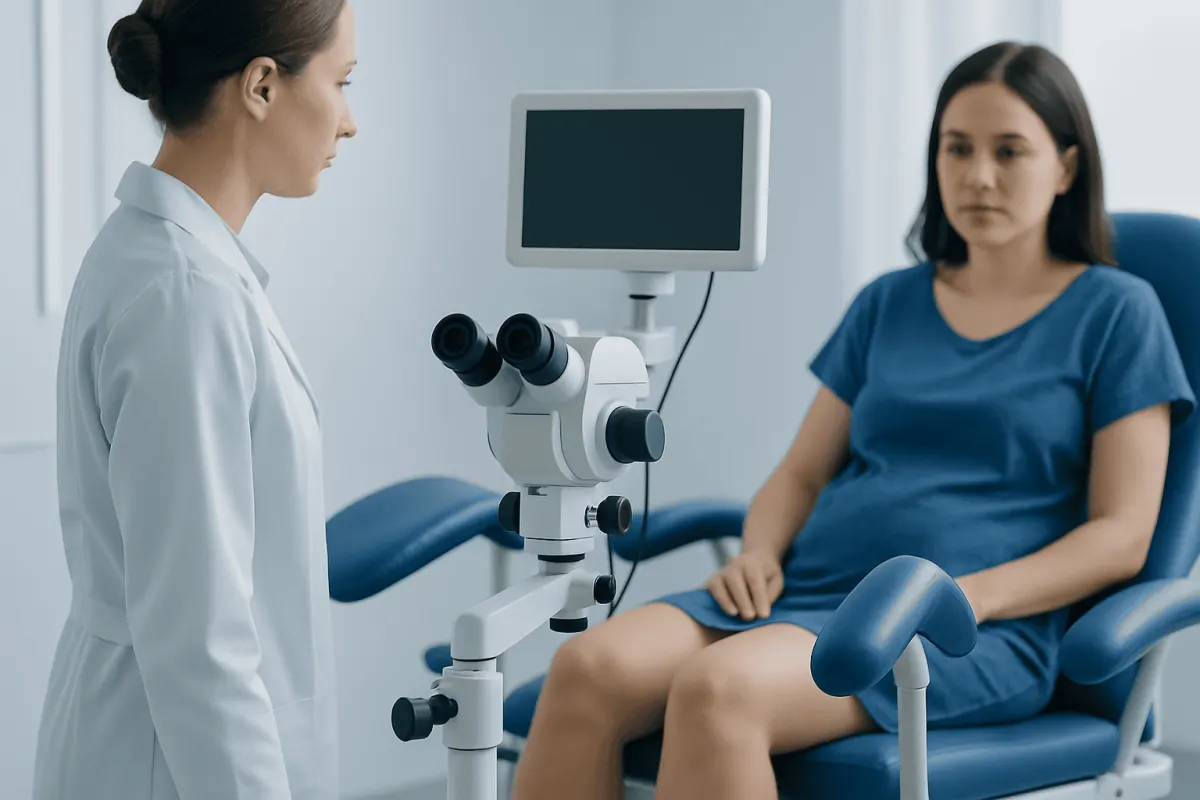
A clinician begins by asking about the timing of symptoms, menstrual pattern, recent antibiotics, new personal-care products, medical conditions, pregnancy status, and previous infections. A pelvic examination may be offered when it is appropriate and with the patient’s consent. The examination can help identify inflammation, skin conditions, or discharge patterns that suggest a different diagnosis.
A sample of vaginal discharge may be examined under a microscope or sent for laboratory testing. Testing is especially helpful if symptoms are occurring for the first time, if they are frequent, if treatment did not work, or if the symptoms are not typical. Laboratory testing can identify yeast and, in some cases, the specific species involved.
Recurrent vulvovaginal candidiasis generally means repeated confirmed episodes over time. A healthcare professional may look for contributing factors such as diabetes, repeated antibiotic exposure, or a less common yeast species. Individualized treatment and follow-up are more useful than repeatedly self-treating without a clear diagnosis.
Treatment Options and Symptom Relief
Uncomplicated vaginal yeast infections are commonly treated with antifungal medicines used in the vagina or taken by mouth. The most suitable option depends on the person’s symptoms, medical history, pregnancy status, medicines, and whether the diagnosis is certain. A clinician or pharmacist can help determine whether self-care treatment is appropriate.
People who have had a previously diagnosed, typical yeast infection may recognize recurring symptoms. Even then, it is sensible to seek advice if symptoms differ from prior episodes, do not improve after treatment, return soon afterward, or occur repeatedly. Using antifungal products for a condition that is not yeast can delay the correct diagnosis.
During pregnancy, it is important to contact an obstetric clinician before using oral antifungal medication or treating symptoms independently. Treatment recommendations can differ during pregnancy. People with diabetes, immune suppression, or frequent infections should also seek individualized care.
Until symptoms settle, avoiding scented products and choosing gentle external cleansing with water or a mild, fragrance-free cleanser can reduce irritation. Douching is not recommended because it can disrupt the vaginal environment. A clinician can provide further guidance on gynecological care when symptoms are recurrent or difficult to identify.
Prevention and Everyday Self-Care
There is no guaranteed way to prevent every yeast infection after a period, but simple measures may reduce irritation and moisture. Changing pads, tampons, period underwear, or menstrual cups according to product instructions, and changing out of wet clothing promptly, can help keep the area more comfortable.
Breathable underwear and looser clothing may be preferable when symptoms tend to occur. Fragrance-free menstrual products and personal-care items can be useful for people who notice irritation with scented products. The vulva does not need internal cleansing: the vagina is self-cleaning, and douching or deodorizing products can disturb its normal balance.
For people with diabetes, following the care plan that supports stable blood glucose may help reduce the risk of infections. Antibiotics should be used only when prescribed and taken as directed. Probiotics, special diets, and home remedies are sometimes promoted for yeast infections, but evidence that they reliably prevent or cure vaginal yeast infections is limited.
When to Seek Medical Care
Medical assessment is recommended for a first suspected yeast infection, symptoms that are severe, or symptoms that do not improve after appropriate treatment. It is also important to seek care when infections recur, especially if there are several episodes within a year. A diagnosis can prevent unnecessary treatment and identify other causes of vaginal symptoms.
Prompt care is advisable for fever, chills, pelvic or lower abdominal pain, nausea, sores or blisters, abnormal bleeding, a strong-smelling discharge, or concern about an STI. These findings are not typical of a simple yeast infection and may need different testing or treatment.
Pregnant people, those with diabetes or a weakened immune system, and anyone with new symptoms after a new sexual partner should contact a healthcare professional. Acıbadem Health Point’s multidisciplinary specialists and JCI-accredited hospitals can evaluate vaginal symptoms and provide individualized care for Myomectomy Recovery for International Patients: The Usual Travel Timeline" class="ahp-ilk">international patients.
Frequently asked questions
01Is it normal to get a yeast infection after a period?
It can occur after a period because hormone shifts, moisture, and irritation may alter the vaginal environment. However, symptoms after menstruation are not always caused by yeast, so persistent or new symptoms should be assessed if the diagnosis is uncertain.
02How soon after a period can a yeast infection start?
Symptoms may begin during menstruation or in the days after bleeding ends. The timing alone cannot confirm a yeast infection, since bacterial vaginosis, product irritation, and other conditions may also cause post-period symptoms.
03Can pads or tampons cause a yeast infection?
Pads and tampons do not directly cause every yeast infection, but prolonged moisture or sensitivity to fragranced materials may contribute to irritation. Changing menstrual products regularly and choosing fragrance-free options may be helpful for people who are sensitive.
04What does a yeast infection after a period smell like?
A typical yeast infection often has little or no strong odor. A fishy or otherwise strong vaginal odor is more suggestive of another condition, such as bacterial vaginosis, and should not be assumed to be yeast.
05Should a person use over-the-counter treatment for a yeast infection after a period?
Over-the-counter antifungal treatment may be appropriate for some people with a previously diagnosed, typical uncomplicated yeast infection. Medical advice is preferable for a first episode, pregnancy, severe symptoms, repeated infections, or symptoms that do not improve.
06Can a yeast infection go away without treatment?
Mild symptoms may occasionally settle, but untreated symptoms can persist and may be confused with another vaginal condition. Seeking advice is sensible when symptoms are bothersome, unusual, recurrent, or accompanied by pain, fever, or strong odor.
This article is for general information only and is not a substitute for professional medical advice. Please consult a qualified doctor about your individual situation.
Explore treatments in Turkey — costs, top hospitals & a free quote
JCI-accredited · board-certified surgeons · reply within 24h
Add us as a Preferred Source to see more of our trusted health content across Google Search, AI Overviews and Discover.