Wisdom Teeth: Symptoms, Removal and Recovery

Key Takeaways
- Wisdom teeth may erupt normally, remain trapped under the gum, or come in at an angle and affect nearby teeth.
- Pain, swelling, gum irritation, jaw stiffness, and repeated infections are common reasons for a dental review.
- Dentists use an oral exam and imaging, such as X-rays, to see where the teeth are positioned and whether they are causing harm.
- Treatment ranges from observation and symptom relief to surgical removal, depending on symptoms and risk.
- Good oral hygiene and timely follow-up help reduce complications, especially when travel or cross-border care is involved.
Wisdom teeth are the third molars at the back of the mouth, and they do not always have enough space to emerge comfortably. When they become impacted or painful, a dental evaluation helps decide whether monitoring or removal is the safest next step.
Overview
Wisdom teeth are the last set of molars to develop, usually appearing in the late teens or early adulthood. For some people they emerge in a straightforward way and become ordinary chewing teeth; for others, there is simply not enough space in the jaw, and the teeth stay partly or fully trapped.
That difference matters because the shape of the jaw, the angle of eruption, and the condition of nearby teeth all influence whether wisdom teeth need treatment. In international patients, this often becomes a practical decision as well as a medical one: a short consultation may clarify whether the teeth can be safely observed locally or whether they are likely to need removal before travel plans, work, or study commitments are disrupted.
Wisdom teeth are also called third molars. They do not always need to be removed, but they do deserve attention when they begin to cause pressure, decay, swelling, or recurrent gum problems.
Symptoms
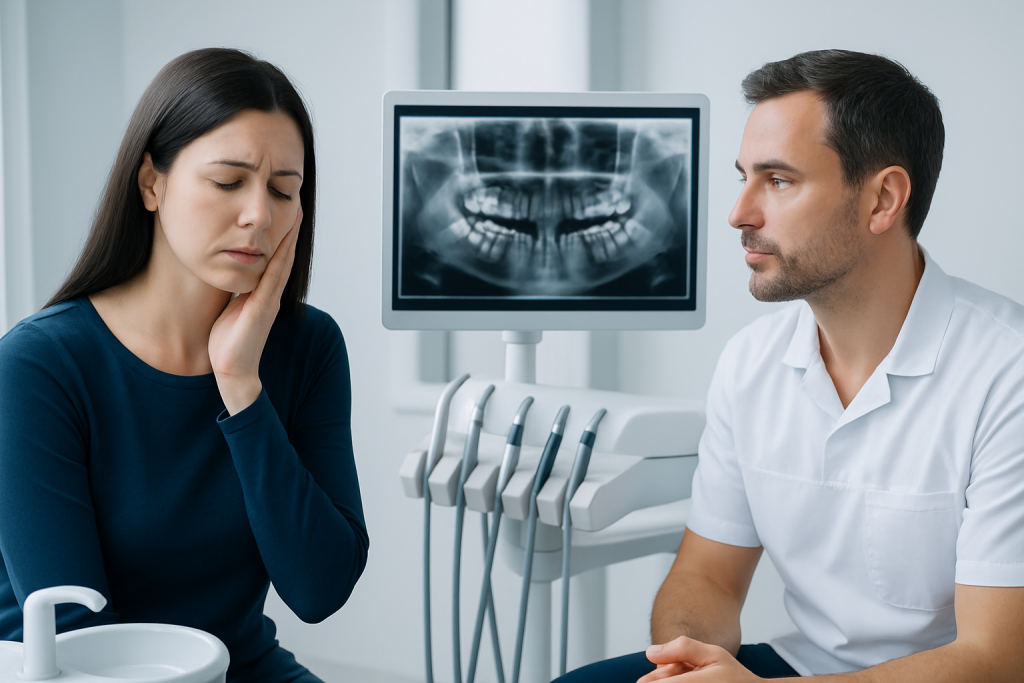
Some wisdom teeth cause no symptoms at all and are found only on a routine dental check or X-ray. Others announce themselves with a dull ache at the back of the mouth, tenderness when chewing, or a feeling that the jaw is crowded.
When a wisdom tooth is partly erupted, the gum flap over it can trap food and bacteria. This may lead to redness, bad breath, an unpleasant taste, swelling, or difficulty opening the mouth fully. Pain may come and go, which can make the problem easy to ignore until it flares again.
Possible signs that a wisdom tooth is causing trouble include:
- Pain or pressure at the back of the jaw
- Swollen, red, or bleeding gums around the tooth
- Jaw stiffness or difficulty opening the mouth
- Bad breath or a recurring bad taste
- Cheek tenderness or swelling
- Pain that spreads to the ear or nearby teeth
Symptoms do not always reflect the full picture. A tooth can be impacting adjacent teeth or developing cyst-like changes without dramatic discomfort, which is why imaging is often part of the assessment.
Causes & Risk Factors
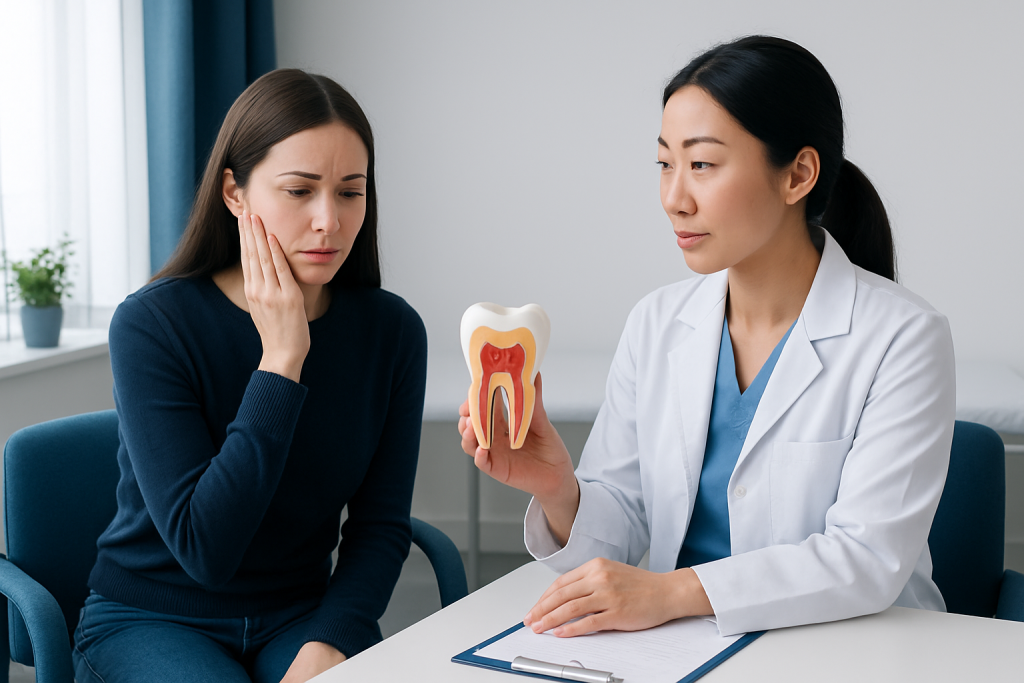
The most common reason wisdom teeth become problematic is simple anatomy: the jaw may not have enough room for them to come through in a healthy position. As a result, the tooth may remain buried in bone, appear only partly through the gum, or grow toward the next tooth.
Impaction can happen in several ways. A wisdom tooth may lie horizontally, tilt forward into the second molar, or erupt at a partial angle that makes cleaning difficult. When plaque and food collect around the tooth, gum inflammation and infection become more likely.
Factors that can increase the chance of difficulty include:
- Smaller jaw size or limited space at the back of the mouth
- Teeth that erupt at an angle or stay impacted
- Poor access for brushing and flossing around the third molars
- Repeated gum infections around a partially erupted tooth
- Existing decay or damage in the neighboring second molar
Family tendency can influence how teeth erupt, but it is not the only factor. A person may have one problematic wisdom tooth and three that never cause any trouble, so assessment is usually tooth-specific rather than based on age alone.
Diagnosis
Evaluation usually starts with a dental history and a careful look inside the mouth. The dentist checks whether the gums are inflamed, whether the tooth is visible, and whether neighboring teeth show signs of pressure, decay, or shifting.
Dental imaging is often the next step. A panoramic X-ray is commonly used because it shows the position of the wisdom teeth, the roots, and nearby structures. In some cases, additional imaging may be recommended if the tooth lies close to the nerve canal or if surgical planning needs more detail.
The goal is not only to confirm whether the wisdom teeth are present, but also to understand whether they are likely to remain stable or create future problems. For people arranging treatment from another country, this stage is especially useful because it helps estimate the scope of care, the likely Teeth Removal Recovery Time: An Evidence-Based Guide for Patients" class="ahp-ilk">recovery time, and whether removal should be coordinated before a return flight or after a follow-up visit.
Treatment Options
Treatment depends on symptoms, tooth position, age, and the health of the surrounding tissues. If a wisdom tooth is healthy, fully erupted, and easy to clean, careful observation may be enough. Regular check-ups then help ensure the tooth stays stable and does not begin to affect the second molar.
If the tooth is causing pain, repeated swelling, decay, or gum infections, removal is often considered. Wisdom tooth extraction may be performed by a general dentist or an oral and maxillofacial surgeon, depending on how deeply the tooth is impacted and how complex the roots are. The procedure may involve local anesthesia, sedation, or another tailored approach based on the patient’s comfort and the surgical plan.
In some cases, treatment focuses first on calming active inflammation. This might include improved cleaning around the area, rinses recommended by the dentist, and management of infection if present. Once the tissues settle, the team can decide whether extraction is still the best option. When a tooth is very close to important structures, the specialist may discuss a more cautious approach and explain the expected benefits and trade-offs clearly.
After removal, patients are usually given instructions to protect the blood clot, support healing, and reduce the chance of dry socket or infection. For international patients, it is wise to plan the timing of treatment so the first healing period happens before long travel whenever possible.
Prevention & Self-care
Not every wisdom tooth problem can be prevented, but good daily habits can lower the chance of irritation and make early warning signs easier to notice. The back of the mouth is harder to clean, so extra attention there is worthwhile even before symptoms begin.
Careful brushing along the gumline, daily flossing, and regular dental visits help reduce plaque buildup around partly erupted teeth. If a wisdom tooth has a gum flap over it, the dentist may suggest specific cleaning methods to keep food from collecting in that space.
Helpful self-care measures may include:
- Brushing gently but thoroughly around the back molars
- Using floss or other cleaning aids as advised by a dentist
- Rinsing after meals if food tends to collect near the area
- Avoiding very hard or sticky foods if the tooth is sore
- Keeping follow-up appointments even if pain settles temporarily
After extraction, home care becomes just as important as the procedure itself. Rest, soft foods, and careful oral hygiene around the surgical site support healing. Patients should follow the specific instructions provided by their dental team, especially if they are recovering while traveling or coordinating care across different countries.
When to See a Doctor
A dental evaluation is sensible whenever wisdom teeth cause ongoing pain, swelling, bleeding gums, or repeated infections. Even if symptoms fade, the underlying issue may still be present and can return at a less convenient time.
Prompt review is particularly important if there is facial swelling, difficulty opening the mouth, fever, or pain that affects eating and sleeping. These symptoms do not always indicate a serious complication, but they do deserve timely assessment so treatment can be planned appropriately.
Patients who are considering travel for treatment should speak with a qualified dentist or oral surgeon before making decisions. A clear review of scans, timing, and recovery expectations helps prevent surprises and supports a smoother return home. Acibadem Health Point’s multidisciplinary specialists and JCI-accredited hospitals diagnose and treat wisdom teeth conditions for international patients, with care plans coordinated around the individual’s needs.
Any sudden swelling of the face, trouble swallowing, or rapidly worsening pain should be assessed without delay. As with all dental concerns, early advice is usually easier and less disruptive than waiting for a flare-up to pass on its own.
Recovery After Removal
Recovery after wisdom tooth removal is usually gradual and predictable, but it varies with the complexity of the extraction and the number of teeth removed. Mild swelling, tenderness, and limited mouth opening are common in the first few days, and they generally improve with rest and adherence to the aftercare plan.
Patients are typically advised to protect the extraction site, avoid disturbing the clot, and choose foods that are soft and easy to chew at first. Good hydration and careful oral hygiene are important, but the surgical area should be cleaned only as directed so healing is not interrupted.
Follow-up may be especially helpful for international patients, since travel schedules can make it harder to check healing at the usual pace. A clear post-operative plan, including when to resume normal foods, exercise, and long-distance travel, helps patients recover with fewer concerns and better confidence.
Long-Term Outlook
Most people do well after wisdom teeth are monitored or removed. If the teeth are managed before they repeatedly inflame the gums or damage neighboring teeth, the long-term outlook is usually straightforward.
What matters most is matching the plan to the individual mouth rather than to a general rule about age. Some wisdom teeth remain harmless for years, while others need intervention earlier because they are infected, hard to clean, or pressing on adjacent structures.
When patients understand what the X-rays show and why a particular recommendation is being made, the choice between observation and extraction becomes much clearer. That informed approach is especially valuable when care is being arranged from abroad, where timing, recovery, and continuity of follow-up need to fit into a larger life plan.
Frequently asked questions
01Do wisdom teeth always need to be removed?
No. If they are fully erupted, healthy, and easy to keep clean, they may be monitored instead of removed. A dentist decides based on symptoms, position, and whether the teeth are affecting nearby structures.
02What does an impacted wisdom tooth mean?
An impacted wisdom tooth is one that cannot erupt normally because of lack of space, angle, or obstruction. It may remain under the gum or emerge only partly, which can raise the risk of pain, infection, or decay.
03Can wisdom teeth cause pain even if they are not visible?
Yes. A tooth can be trapped under the gum or in bone and still cause pressure, inflammation, or discomfort. Imaging helps show what is happening below the surface.
04How long does recovery take after removal?
Many people feel noticeably better within several days, but full healing takes longer. The timeline depends on how complex the extraction was and how closely aftercare instructions are followed.
05Is wisdom tooth surgery safe for older adults?
It can be, but the decision is individualized because healing and surgical complexity may differ with age and health conditions. A dentist or oral surgeon reviews the benefits and risks before recommending treatment.
06What should a patient do before traveling for wisdom tooth treatment?
They should arrange an evaluation, review imaging, and understand the expected recovery window before travel. It is also helpful to plan for follow-up, because aftercare can be an important part of a smooth result.
This article is for general information only and is not a substitute for professional medical advice. Please consult a qualified doctor about your individual situation.
Explore treatments in Turkey — costs, top hospitals & a free quote
JCI-accredited · board-certified surgeons · reply within 24h
Add us as a Preferred Source to see more of our trusted health content across Google Search, AI Overviews and Discover.