Will a Blood Test Show Lymphoma? Understanding Results
A blood test alone usually cannot confirm or rule out lymphoma. It can identify blood-count changes, inflammation, organ function concerns, or clues that help a clinician decide whether imaging or a lymph node biopsy is needed.
Can a blood test show lymphoma?
Blood tests can raise suspicion of lymphoma or show how the body is being affected, but they usually cannot diagnose lymphoma on their own. Many people with lymphoma have normal routine blood results, particularly when the condition is limited to lymph nodes and has not affected the bone marrow or other organs.
Doctors commonly use blood tests alongside a physical examination, medical history, imaging, and tissue testing. If lymphoma is suspected, removing all or part of an enlarged lymph node for a biopsy is generally the most reliable way to confirm the diagnosis and identify the specific lymphoma type.
Blood results should be interpreted in context. A value outside a laboratory reference range does not automatically mean cancer, and a value within range does not always exclude a health problem. Recent infections, medicines, pregnancy, alcohol use, nutritional deficiencies, chronic inflammatory conditions, and many other factors can affect results.
How reference ranges and context affect blood results
A reference range is the interval of results commonly seen in a healthy population tested by a particular laboratory. The report usually displays the laboratory’s own range next to the result. For example, blood cell counts may be presented as cells per microlitre or as units per litre, and ranges can differ slightly between laboratories.
Age, sex assigned at birth, pregnancy status, altitude, hydration, smoking, exercise, recent illness, and medications can all influence blood counts and related tests. Children normally have different blood-count patterns from adults, while older adults may have other medical conditions that affect results. A clinician looks for the size of the change, whether it persists, and whether several findings form a meaningful pattern.
A mildly high or low result is often temporary and may simply need repeating. Results become more medically meaningful when abnormalities are substantial, continue over time, occur in more than one blood-cell line, or are accompanied by symptoms such as persistent swollen lymph nodes, fever, drenching night sweats, or unintentional weight loss.
What labs would be abnormal with lymphoma?

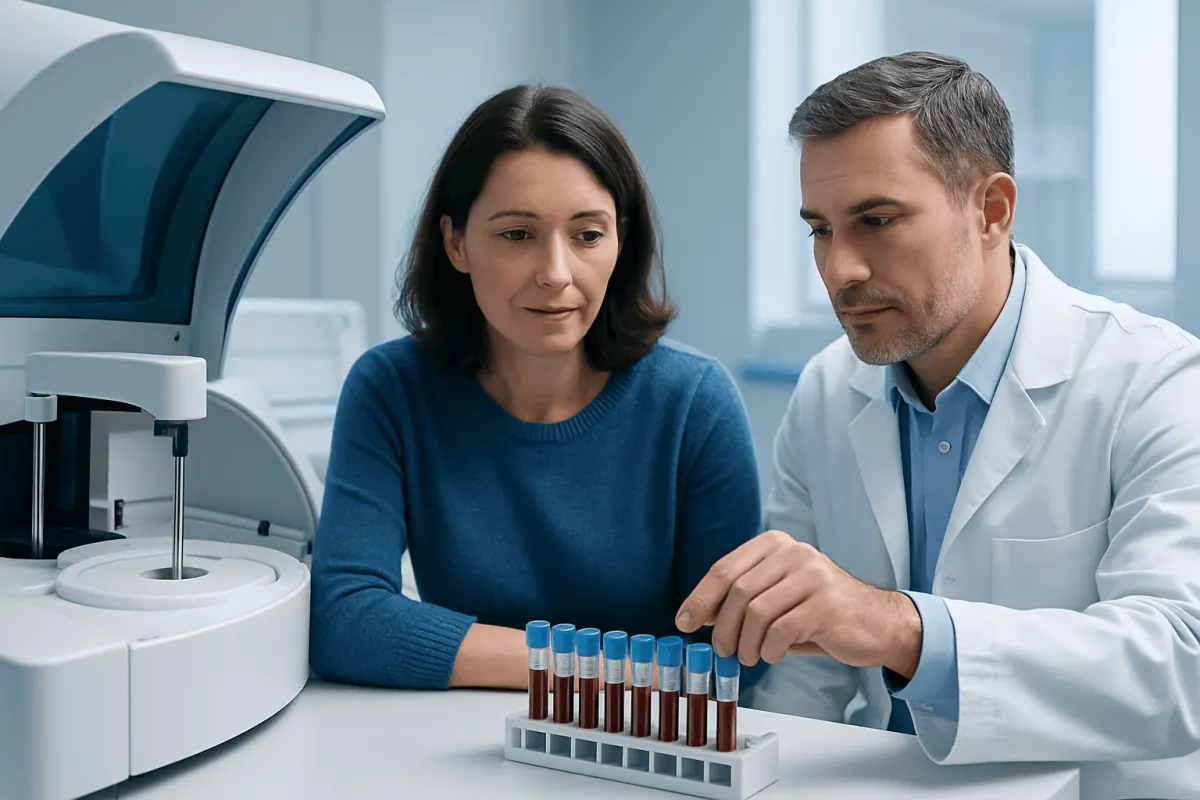
There is no fixed laboratory pattern for lymphoma. A clinician may order a complete blood count (CBC), blood chemistry tests, liver and kidney function tests, lactate dehydrogenase (LDH), and tests for inflammation or infection. These tests help assess overall health, investigate symptoms, and plan further evaluation if needed.
A CBC may show anemia, low platelets, low white blood cells, or less commonly elevated or unusual white blood-cell populations when lymphoma involves the bone marrow or blood. LDH can be raised when cells are turning over more rapidly, but it is nonspecific and may increase with infection, inflammation, liver disease, strenuous exercise, tissue injury, and other cancers.
Some people may have abnormal liver enzymes, kidney function, calcium, uric acid, or protein levels if lymphoma affects particular organs or causes complications. These findings do not establish lymphoma. They indicate that further assessment may be appropriate and help doctors evaluate a person safely if treatment is required.
- CBC: checks red cells, white cells, hemoglobin, and platelets.
- Blood chemistry: assesses kidney function, liver function, electrolytes, and calcium.
- LDH: can support assessment of disease activity but is not a diagnostic test.
- Peripheral blood smear and flow cytometry: may be used when abnormal blood cells are present.
What will your CBC look like with lymphoma?
A CBC can look completely normal in lymphoma. When it is abnormal, the pattern depends on the lymphoma type, its location, the extent of disease, and whether the bone marrow is involved. A CBC therefore cannot be used as a screening test that reliably finds lymphoma in otherwise well people.
Possible changes include low hemoglobin or a reduced red blood-cell count, known as anemia. This can contribute to tiredness, shortness of breath on exertion, dizziness, or paleness, although these symptoms have many other common causes. Platelet levels may be low if marrow function is affected, which can increase the tendency to bruise or bleed.
White-cell counts may be low, normal, or high. The differential count, which shows the different types of white blood cells, can offer more detail than the total white-cell count. If there are unusual lymphocytes or other atypical cells, a specialist may request a blood smear or flow cytometry to examine the cells more closely.
In some lymphomas that circulate in the blood, especially certain leukemic forms of lymphoma, blood findings can be more prominent. Even then, specialists typically combine blood tests with imaging and tissue or bone marrow testing to reach an accurate diagnosis.
What is the biggest indicator of lymphoma?
The most important indicator is not a single blood result. A persistent, unexplained enlarged lymph node or a mass that requires examination and, when appropriate, biopsy is often the central finding that leads to diagnosis. Lymphoma can affect lymph nodes in the neck, underarm, groin, chest, or abdomen, and not all enlarged nodes can be felt from outside the body.
Lymph nodes commonly enlarge during or after infections and often settle within a few weeks. Features that deserve medical review include a node that continues to enlarge, does not improve, feels firm or fixed, appears without a clear infection, or occurs with persistent fever, drenching night sweats, unexplained weight loss, marked itching, or ongoing fatigue.
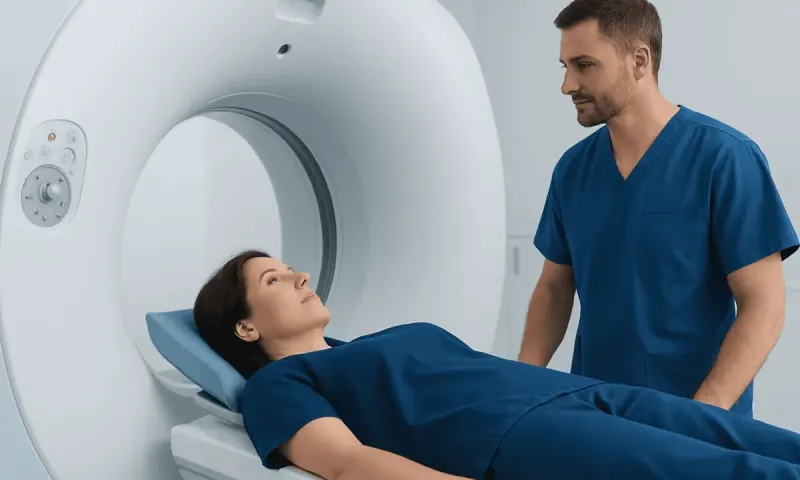
Imaging such as ultrasound, CT, PET-CT, or MRI may help show the location and extent of enlarged nodes. However, imaging also cannot define the exact lymphoma type. A biopsy enables pathologists to examine cells and perform specialized testing, which is essential for distinguishing lymphoma from infections, immune conditions, and other causes of lymph-node enlargement.
What blood count is high with lymphoma?
Some people with lymphoma have a high white blood-cell count, particularly a high lymphocyte count, but this is not present in most cases and is not specific to lymphoma. Viral infections, stress, smoking, inflammation, medications, and other blood conditions can also raise white blood cells or lymphocytes.
A high white-cell count needs interpretation alongside the differential count, blood smear, symptoms, and examination findings. A temporary rise during an infection is common. A persistent or markedly abnormal count, especially with atypical cells, may prompt repeat testing and referral to a hematology specialist.
Platelets can sometimes be high in inflammatory states, iron deficiency, or other conditions, but a high platelet count is not a typical stand-alone indicator of lymphoma. Similarly, an elevated LDH level may accompany lymphoma but does not identify it. The overall clinical picture is more important than any individual number.
When to seek medical care
Medical advice is appropriate for an unexplained swollen lymph node that lasts longer than a few weeks, becomes larger, or is associated with other ongoing symptoms. A clinician can examine the area, review medical history and medications, and decide whether repeat blood tests, imaging, or referral are needed.
Prompt assessment is particularly important for persistent fever without a clear cause, drenching night sweats, unintentional weight loss, increasing shortness of breath, significant fatigue, easy bruising or bleeding, or recurrent infections. These symptoms are not specific to lymphoma, but they deserve evaluation.
Emergency care should be sought for severe breathing difficulty, chest pressure, confusion, fainting, uncontrolled bleeding, or rapidly worsening illness. For non-emergency concerns, it can be useful to bring previous blood-test reports and note when symptoms began, whether a lump has changed, and any recent infections or new medicines.
How lymphoma is confirmed and assessed
If a doctor suspects lymphoma, the next step may include imaging and a lymph node or tissue biopsy. Excisional biopsy, in which all or much of a lymph node is removed, often provides the most complete sample. The pathologist may use microscopy, immunohistochemistry, flow cytometry, and genetic or molecular tests to classify the condition accurately.
After diagnosis, further tests may assess where lymphoma is present and how it is affecting the body. These can include PET-CT or CT scans, selected blood tests, and sometimes a bone marrow biopsy. The results guide discussions about observation, medication-based treatment, radiotherapy, or other approaches.
Treatment differs greatly between lymphoma subtypes. Some slow-growing forms may be monitored carefully before treatment is needed, while others require more active care. Depending on the diagnosis, treatment may include chemotherapy, immunotherapy, targeted medicines, radiotherapy, or stem cell transplantation.
Acıbadem Health Point’s multidisciplinary specialists and JCI-accredited hospitals support international patients undergoing diagnostic assessment and treatment planning for lymphoma. Individual testing and treatment decisions should always be made with a qualified hematology or oncology team.
Frequently asked questions
01Can lymphoma be ruled out with normal blood tests?
No. Routine blood tests can be normal in people with lymphoma, particularly when the disease has not affected the blood or bone marrow. A clinician considers symptoms, examination findings, imaging, and biopsy results when lymphoma is a concern.
02Does high LDH mean lymphoma?
No. LDH can be elevated in lymphoma, but it also rises with many non-cancerous conditions, including infection, inflammation, liver problems, muscle injury, and strenuous exercise. It is useful as part of a wider assessment, not as a diagnostic test by itself.
03Can a CBC detect lymphoma early?
A CBC may identify anemia, unusual white-cell findings, or low platelets, but it cannot reliably detect lymphoma early. Some people have normal CBC results despite lymphoma. Persistent symptoms or enlarged lymph nodes should be assessed even if a CBC is normal.
04Are swollen lymph nodes always a sign of lymphoma?
No. Swollen lymph nodes are very often caused by common infections and immune responses. A node that persists, grows, feels unusually firm, or occurs with unexplained systemic symptoms should be checked by a clinician.
05Which doctor investigates possible lymphoma?
A primary care clinician may begin the assessment and arrange initial blood tests or imaging. If findings raise concern, a hematologist or medical oncologist usually coordinates further testing, including biopsy review and treatment planning.
06How long should an enlarged lymph node be monitored?
The appropriate timeframe depends on the node’s location, size, associated symptoms, and whether there was a recent infection. A lymph node that does not improve over several weeks, enlarges, or is associated with concerning symptoms should be reviewed rather than monitored indefinitely.
This article is for general information only and is not a substitute for professional medical advice. Please consult a qualified doctor about your individual situation.
Oncology care in Turkey — second opinion and treatment plan
JCI-accredited · board-certified surgeons · reply within 24h
Add us as a Preferred Source to see more of our trusted health content across Google Search, AI Overviews and Discover.