Why Is My Anxiety So Bad? Causes and Support
Anxiety can feel overwhelming when the body’s natural threat-response system stays active for longer than needed. It is often linked to stress, sleep changes, health factors, substance use, or an anxiety disorder, and effective support is available.
Why Anxiety Can Feel So Bad
When someone asks, “why is my anxiety so bad?”, the answer is often that their normal alarm system is working overtime. Anxiety is a protective response that prepares the body to manage threat or uncertainty. During a stressful period, it can cause racing thoughts, muscle tension, a faster heartbeat, stomach discomfort, poor sleep, and a strong urge to avoid situations that feel difficult.
For many people, these feelings are temporary and improve as a stressor passes or with rest, support, and practical changes. Anxiety may feel more intense when several pressures occur together, such as work or family strain, illness, financial concerns, grief, lack of sleep, or major life change. Experiencing anxiety does not mean a person is failing to cope or that something is permanently wrong.
However, anxiety deserves medical attention when it is persistent, difficult to control, out of proportion to the situation, or interfering with daily life. A clinician can help distinguish a normal response to stress from an anxiety disorder or a physical condition that may be contributing to the symptoms.
What Anxiety May Feel Like
Anxiety affects thoughts, emotions, the body, and behavior. Symptoms vary from person to person and may come and go, build gradually, or occur suddenly. A person may be especially aware of physical sensations, which can make anxiety feel alarming even when the body is safe.
- Thoughts and emotions: excessive worry, fear of making mistakes, a sense of impending danger, irritability, difficulty concentrating, or feeling unable to relax.
- Physical symptoms: a pounding heart, sweating, trembling, shortness of breath, nausea, diarrhea, dizziness, headaches, fatigue, or muscle pain.
- Behavior changes: avoiding places or conversations, repeatedly seeking reassurance, checking symptoms online, withdrawing socially, or using alcohol or other substances to cope.
A panic attack is a sudden surge of intense fear or discomfort that may include chest tightness, dizziness, shaking, tingling, and a fear of losing control. Although panic attacks are frightening, they are not usually dangerous in themselves. New or severe chest pain, fainting, major breathing difficulty, or symptoms that could indicate a physical emergency should always be assessed urgently.
Why Anxiety May Become Persistent or Severe
There is rarely one single cause of severe anxiety. It usually develops through a combination of biological sensitivity, learned responses, life experiences, current stress, and health habits. Some people have a family history of anxiety or other mental health conditions, while others first notice symptoms after a demanding or traumatic event.
Ongoing uncertainty can keep the nervous system in a heightened state. Poor sleep, irregular meals, chronic pain, caregiving responsibilities, work overload, relationship difficulties, and social isolation can all lower a person’s ability to recover from stress. Repeated avoidance may bring short-term relief but can reinforce anxiety over time by teaching the brain that ordinary situations are unsafe.
Caffeine, nicotine, alcohol, recreational drugs, and some prescription or over-the-counter medicines can also worsen restlessness, palpitations, sleep problems, or panic-like symptoms. Alcohol may briefly feel calming but can increase anxiety as its effects wear off. It is important not to stop prescribed medication suddenly; a doctor or pharmacist can advise on safe changes.
Physical conditions can sometimes resemble or contribute to anxiety. Examples include thyroid disorders, heart rhythm problems, respiratory conditions, low blood sugar, anemia, hormonal changes, and sleep disorders. This does not mean anxiety symptoms are “all physical” or “all psychological”; both areas of health can affect each other.
When to Seek Medical Care
Most anxiety symptoms are not a sign of an immediate medical emergency, but they should not be dismissed when they are severe, new, or disruptive. It is sensible to arrange a medical review if worry lasts for weeks, affects work, study, relationships, sleep, or self-care, or leads to avoidance of important activities. A review is also helpful when panic attacks recur or symptoms are becoming more frequent.
Urgent medical assessment is needed for new chest pain, significant shortness of breath, fainting, a very irregular heartbeat, weakness on one side of the body, confusion, or other symptoms that may have a medical cause. Emergency help is also important if a person has thoughts of harming themselves or someone else, feels unable to stay safe, or is experiencing a severe mental health crisis.
A person does not need to wait until anxiety reaches a crisis point to ask for help. Speaking with a primary care doctor, mental health professional, or trusted local support service early can make symptoms easier to address and can provide reassurance about possible causes.
How Doctors Assess Anxiety Symptoms
A medical assessment usually begins with a conversation about the symptoms: when they started, what seems to trigger them, how often they occur, and how they affect daily functioning. The clinician may ask about sleep, mood, recent life events, trauma history, caffeine and alcohol use, other substances, medicines, and any personal or family history of mental or physical health conditions.
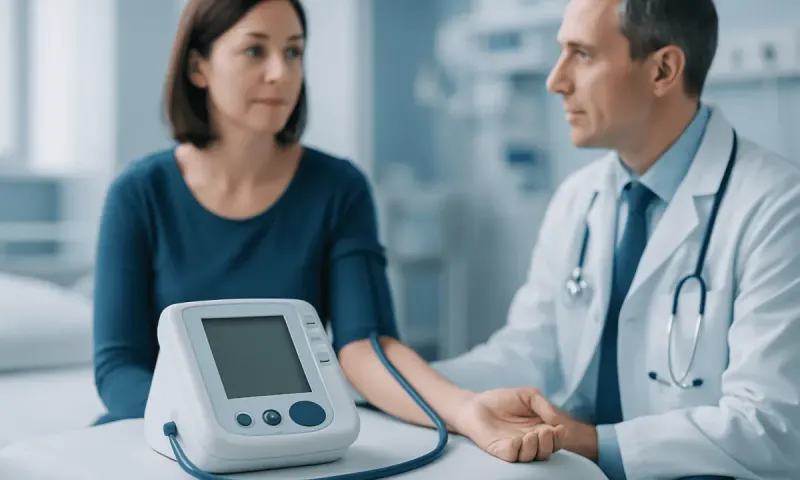
A physical examination and selected tests may be recommended when symptoms are new, unusually severe, or suggest another health condition. Depending on the person’s symptoms and medical history, this may include checking pulse and blood pressure, reviewing medication effects, or arranging blood tests such as thyroid function or tests for anemia. Testing is guided by clinical need rather than used routinely for every person with anxiety.
Clinicians may use structured questionnaires to understand symptom severity, but a diagnosis is based on the full clinical picture. They may consider generalized anxiety disorder, panic disorder, social anxiety disorder, specific phobias, trauma-related conditions, depression, or other conditions. Anxiety can occur alongside other concerns, and an accurate assessment helps shape an appropriate care plan.
Evidence-Based Ways to Manage Anxiety
Effective care is individualized. Talking therapies are commonly recommended and can help a person understand patterns of worry, reduce avoidance, and develop practical coping skills. Cognitive behavioral therapy, often called CBT, has strong evidence for several anxiety disorders. Exposure-based approaches, delivered with professional guidance, may be useful when fears and avoidance are focused on particular situations.
Medication may be considered for moderate to severe anxiety, recurring symptoms, or anxiety that does not improve sufficiently with therapy and self-care alone. The most suitable option depends on symptoms, health history, other medicines, pregnancy considerations, and personal preferences. A qualified clinician should discuss expected benefits, possible side effects, and follow-up; medication should not be started, changed, or stopped without medical guidance.
Daily habits can support treatment, though they are not a substitute for professional care when symptoms are significant. Regular sleep and waking times, gradual physical activity, balanced meals, adequate hydration, and reducing caffeine or alcohol can help steady the body’s stress response. Slow breathing, grounding exercises, mindfulness practice, and scheduling small manageable activities may also help during anxious periods.
It can be useful to share what is happening with a trusted person and to set small, realistic goals rather than trying to eliminate all anxiety at once. Acıbadem Health Point’s multidisciplinary specialists and JCI-accredited hospitals can assess and treat anxiety-related concerns for international patients when specialist care is needed.
Practical Steps for the Next Few Days
When anxiety feels intense, simple steps can help create a sense of stability. A person can begin by noticing the pattern: what was happening before symptoms started, what thoughts appeared, what physical sensations followed, and what helped even slightly. Keeping a brief record can make triggers and recovery patterns clearer for both the individual and their clinician.
It may help to reduce common aggravators for a short period, including excess caffeine, nicotine, alcohol, recreational drugs, skipped meals, and late-night screen use. Gentle movement, daylight exposure, regular meals, and a predictable bedtime routine may support sleep and mood. These changes work best when approached gradually and without self-criticism.
During a surge of anxiety, slowing the exhale, placing both feet on the floor, and naming familiar things that can be seen or heard may redirect attention to the present moment. If symptoms persist, worsen, or interfere with life, the next practical step is to book an appointment with a healthcare professional. Anxiety is treatable, and seeking support is an appropriate form of self-care.
Frequently asked questions
01Why is my anxiety suddenly worse?
Anxiety may worsen during periods of stress, poor sleep, illness, hormonal change, pain, or major life transitions. Changes in caffeine, alcohol, nicotine, recreational substance use, or medication can also contribute. If the change is sudden, severe, or accompanied by concerning physical symptoms, medical assessment is appropriate.
02Can anxiety cause physical symptoms?
Yes. Anxiety activates the body’s stress response and may cause a fast heartbeat, sweating, shaking, nausea, muscle tension, dizziness, or shortness of breath. These symptoms are real, but similar symptoms can also have physical causes, so new, severe, or persistent symptoms should be discussed with a clinician.
03How do I know if anxiety is becoming a disorder?
Anxiety may be an anxiety disorder when it is persistent, hard to control, disproportionate to the situation, and interferes with everyday life. Avoiding work, school, social situations, travel, sleep, or important responsibilities can be a sign that support would be helpful. Only a qualified healthcare professional can make a diagnosis.
04Can lack of sleep make anxiety worse?
Yes. Inadequate or disrupted sleep can make the brain and body more reactive to stress, making worry and physical anxiety symptoms feel stronger. Anxiety can also disturb sleep, creating a cycle that is often improved by addressing both concerns together.
05What is the fastest way to calm anxiety?
There is no single method that works immediately for everyone, but slow breathing, grounding attention in the surroundings, and stepping away from stimulants may help reduce the immediate intensity. Longer-term improvement usually comes from understanding triggers, building coping skills, improving sleep and routines, and seeking professional care when needed.
06Should I see a doctor for anxiety?
A doctor can help if anxiety is frequent, distressing, affecting daily activities, causing repeated panic attacks, or lasting for several weeks. They can review physical health factors, medicines, sleep, and mental health symptoms, then discuss appropriate treatment options. Urgent help is needed if there are thoughts of self-harm, inability to stay safe, chest pain, fainting, or severe breathing difficulty.
This article is for general information only and is not a substitute for professional medical advice. Please consult a qualified doctor about your individual situation.
Persistent digestive symptoms? Get evaluated in Turkey
JCI-accredited · board-certified surgeons · reply within 24h
Add us as a Preferred Source to see more of our trusted health content across Google Search, AI Overviews and Discover.