Why Does Alcohol Make Me Sleepy?

Key Takeaways
- Alcohol may cause short-term drowsiness by depressing the central nervous system.
- Feeling sleepy after drinking does not equal better sleep; alcohol can fragment sleep and reduce restorative rest.
- The effect depends on how much is drunk, body size, food intake, medications, and individual sensitivity.
- Persistent or severe sleepiness after drinking can be a sign to review alcohol use and overall health with a clinician.
- Alcohol should be avoided with sedatives, certain pain medicines, and other substances that also cause drowsiness.
Alcohol can make a person feel sleepy because it slows brain activity and can cause drowsiness soon after drinking. However, that sleepy feeling does not mean alcohol supports healthy rest; it often disrupts sleep quality and can leave a person more tired later.
Overview
When people ask why does alcohol make me sleepy, the short answer is that alcohol slows activity in the brain. In the early part of drinking, this calming effect can feel like relaxation, heaviness, or a strong urge to nap. That is why some people notice drowsiness even after only a modest amount.
The important detail is that alcohol-induced sleepiness is not the same as healthy sleep. Alcohol may help a person fall asleep faster, but it usually interferes with how well the body moves through sleep stages later in the night. The result is often lighter, more broken sleep and less refreshing rest.
For people trying to understand their own response, it helps to think of alcohol as a substance that can first sedate and then disturb. The pattern varies from person to person, which is why some feel relaxed after one drink while others become noticeably sleepy or, in some cases, more alert or unsteady.
Symptoms: What alcohol-related sleepiness can feel like
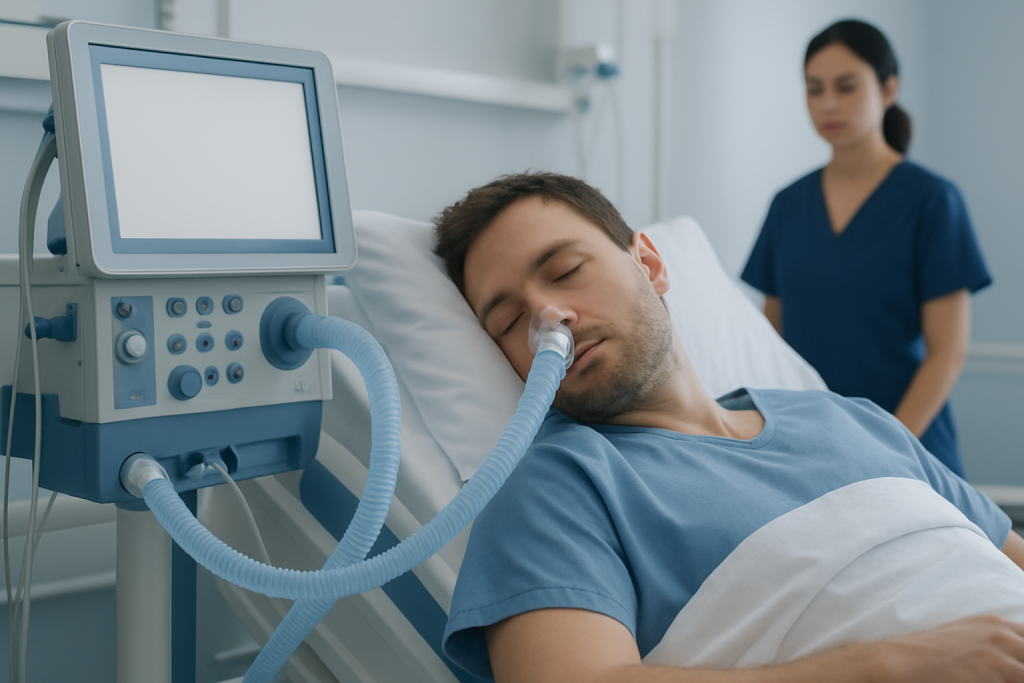
Alcohol-related sleepiness can show up as drooping eyelids, slowed reactions, yawning, poor concentration, or a strong desire to lie down. A person may also notice that conversations feel harder to follow, coordination becomes less steady, and decision-making feels slower. These effects can appear before obvious intoxication.
Some people describe a pleasant sense of calm at first, followed by heaviness or mental fog. Others become sleepy very quickly, especially if they drank on an empty stomach, are already tired, or are using medicines that also affect the nervous system.
Alcohol can also make a person seem sleepy while actually reducing sleep quality later. Common next-day effects include morning grogginess, headaches, a dry mouth, and the feeling of being “unrested” even after spending enough time in bed.
Causes & Risk Factors
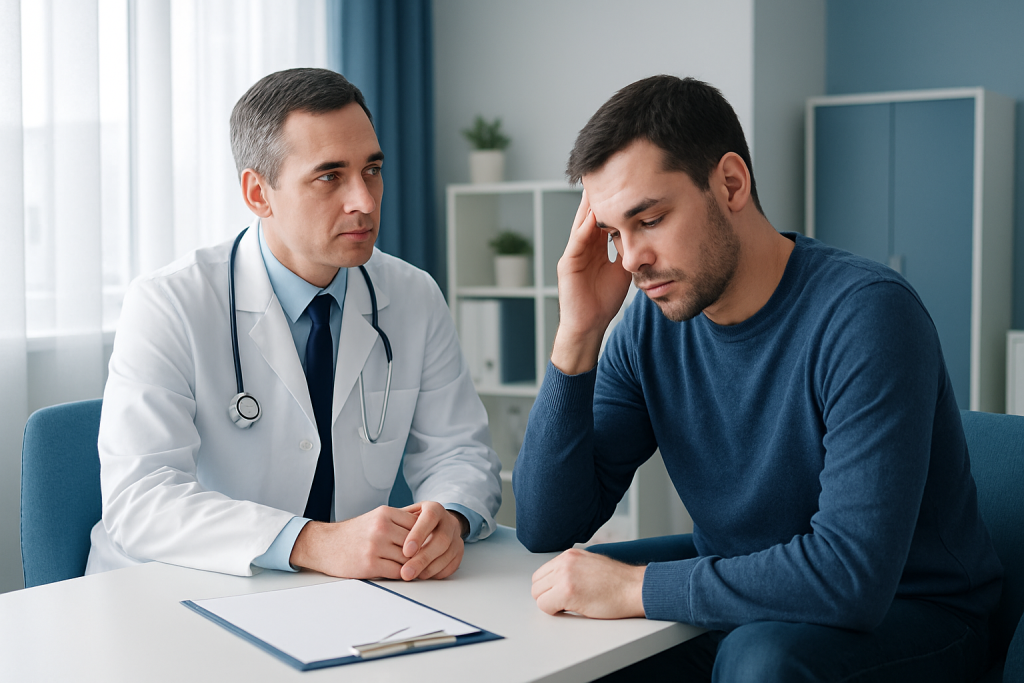
Alcohol acts on the central nervous system, increasing the activity of calming neurotransmitters and reducing overall brain arousal. In practical terms, that means the brain receives stronger “slow down” signals. This is the main reason alcohol can make a person feel sleepy after drinking.
Several factors influence how noticeable that effect becomes. The amount consumed matters, but so do pace of drinking, body size, sex, age, food intake, hydration, and how accustomed the person is to alcohol. Someone who drinks quickly or drinks without eating may feel sleepy earlier.
Certain situations can intensify drowsiness:
- Taking alcohol with sedating medicines, including some sleep aids, antihistamines, anti-anxiety medicines, or opioid pain medicines
- Already being sleep-deprived or fatigued
- Having liver disease or other conditions that affect alcohol processing
- Being sensitive to alcohol or having a lower tolerance
- Using alcohol together with cannabis or other substances that impair alertness
For international patients traveling for care, jet lag, stress, and disrupted routines can make alcohol-related sleepiness feel stronger than expected. A body that is already adjusting to time-zone changes or illness may react more noticeably to even small amounts of alcohol.
Diagnosis: When sleepiness deserves a closer look
Most of the time, alcohol-related sleepiness is identified by the pattern itself: the timing of drowsiness, how much was consumed, and whether other substances were involved. A clinician usually begins by asking about drinking habits, medications, sleep quality, and any symptoms that happen after alcohol use.
If sleepiness is frequent, severe, or out of proportion to the amount of alcohol consumed, a doctor may look for other causes. These can include sleep disorders, thyroid problems, anemia, depression, medication side effects, liver disease, or blood sugar problems. The goal is not to assume alcohol is the only explanation.
People sometimes seek evaluation after repeated episodes of heavy sleepiness, confusion, or unusual sensitivity to alcohol. A careful assessment can help separate a simple alcohol effect from an issue that needs treatment or a change in medication, sleep habits, or alcohol intake.
Treatment Options
There is no specific “cure” for alcohol-induced sleepiness other than allowing time for the alcohol to be metabolized. If a person feels sleepy after drinking, the safest step is to stop drinking, avoid driving or operating machinery, and rest in a safe environment. Water and a light snack may help with comfort, but they do not reverse intoxication.
If alcohol use is interfering with sleep, treatment may focus on the larger pattern. A doctor may discuss safer alcohol limits, sleep hygiene, stress management, or whether a person should reduce or stop drinking altogether. When alcohol use has become difficult to control, evidence-based support for alcohol use disorder may be appropriate.
When medications or medical conditions contribute to drowsiness, the plan may involve adjusting treatment, reviewing side effects, or testing for another health issue. For people traveling internationally for evaluation, multidisciplinary teams can coordinate medical review, laboratory testing, and follow-up planning so care continues smoothly after returning home.
Prevention & Self-care
The best way to prevent alcohol-related sleepiness is to understand personal sensitivity and drink cautiously, if at all. Eating before drinking, pacing intake, and avoiding mixing alcohol with other sedating substances can reduce the chance of sudden drowsiness. It is also wise to plan ahead for transportation and a safe place to stay.
Because alcohol can disrupt sleep architecture, people who want better rest are usually better served by not using alcohol as a sleep aid. Regular sleep schedules, limiting caffeine late in the day, and creating a quiet bedtime routine are safer and more effective strategies.
Helpful self-care steps include:
- Track when sleepiness appears and how much alcohol was consumed
- Do not combine alcohol with sleeping pills, opioids, or sedating antihistamines unless a clinician specifically says it is safe
- Stay hydrated and eat balanced meals
- Choose alcohol-free evenings when the next day requires alertness
- Seek support if drinking is becoming a habit used to manage stress or sleep
People recovering from illness, adjusting to new medications, or managing long-distance travel may want to be especially conservative, since fatigue can make alcohol effects feel stronger and less predictable.
When to See a Doctor
Medical advice is a good idea if sleepiness after drinking happens often, if it occurs after very small amounts of alcohol, or if it comes with other symptoms such as vomiting, blackouts, confusion, falls, breathing problems, or chest pain. These signs should not be dismissed as “just alcohol.”
It is also worth speaking with a doctor if alcohol is being used to fall asleep, if daytime fatigue is persistent, or if a person feels unable to cut back despite wanting to. Sleep problems, mood concerns, and alcohol use can overlap, and a clinician can help identify the main driver.
If a person is traveling for medical care, it can be practical to raise this question during a specialist visit, especially when medications are being started or adjusted. Acibadem Health Point’s multidisciplinary specialists and JCI-accredited hospitals diagnose and treat conditions like alcohol-related sleepiness and its underlying causes for international patients, with follow-up planning designed to fit cross-border care.
Frequently asked questions
01Why does alcohol make me sleepy even after one drink?
Alcohol can slow activity in the brain, and some people are especially sensitive to that calming effect. If a person is tired already, has eaten little, or takes medicines that cause drowsiness, sleepiness may appear sooner. Individual tolerance also varies widely.
02Does alcohol actually help you sleep?
Alcohol may make it easier to fall asleep at first, but it usually worsens sleep quality later in the night. It can lead to lighter sleep, more awakenings, and a less rested feeling in the morning. So it is not a reliable sleep aid.
03Why do I feel more tired the next day after drinking?
Alcohol can disrupt normal sleep cycles and increase dehydration, both of which can leave a person groggy the next day. The body may also still be processing alcohol during the night, which can affect how refreshed the person feels. Poor sleep plus residual effects often explain the next-day fatigue.
04Is it normal to get very sleepy after a small amount of alcohol?
It can happen, but it is worth noticing if the reaction seems stronger than expected. Sensitivity can be affected by medications, health conditions, body size, and whether the person has eaten. If the response is new or severe, a clinician should review it.
05Can alcohol make sleepiness dangerous?
Yes, especially if it leads to impaired driving, falls, or mixing with other sedating substances. Very strong sleepiness can also signal higher levels of intoxication than the person realizes. Safety should always come first after drinking.
06When should someone talk to a doctor about alcohol and sleepiness?
A doctor should be consulted if sleepiness is frequent, severe, or happening after minimal alcohol use, or if there are blackouts, confusion, or breathing concerns. It is also important to seek help if alcohol is being used to manage insomnia or stress. A medical review can help identify safer, more effective options.
This article is for general information only and is not a substitute for professional medical advice. Please consult a qualified doctor about your individual situation.
Persistent digestive symptoms? Get evaluated in Turkey
JCI-accredited · board-certified surgeons · reply within 24h
Add us as a Preferred Source to see more of our trusted health content across Google Search, AI Overviews and Discover.