

Why Do Elderly Die from Broken Bones?

Key Takeaways
- A fracture can trigger complications such as blood clots, pneumonia, infection, immobility, and worsening of existing heart or lung disease.
- Hip and spine fractures are especially serious in older adults because they can quickly reduce mobility and independence.
- Osteoporosis, frailty, falls, and multiple medical conditions all raise the risk of severe outcomes after a break.
- Early medical assessment, good pain control, surgery when needed, and rehabilitation can improve recovery.
- Fall prevention, bone health, and prompt treatment of fractures are key to lowering risk in later life.
Older adults usually do not die from the bone break itself; serious problems after a fracture can make the injury life-threatening. This article explains why fractures are more dangerous with age, what warning signs to watch for, and how treatment, rehabilitation, and prevention can reduce risk.
Overview
The question why do elderly die from broken bones has a difficult but important answer: it is usually not the bone itself that is fatal. The danger comes from what the fracture sets in motion. In older adults, a break can lead to immobility, blood clots, lung infections, pressure sores, dehydration, medication side effects, and a general decline that the body may struggle to recover from.
Age changes the way the body responds to injury. Bones may be weaker because of osteoporosis, muscles may be less able to support movement, and existing conditions such as heart disease, diabetes, kidney disease, or chronic lung disease can make healing slower and more complicated. A fracture can therefore become a major turning point, especially when it affects the hip, pelvis, spine, or femur.
For many families, the most helpful way to understand the issue is this: a broken bone in an older person is often a signal of broader vulnerability. Quick evaluation, careful treatment, and early rehabilitation can make a meaningful difference. With the right support, many older adults recover function and avoid the cascade of complications that can follow a fracture.
Symptoms and warning signs
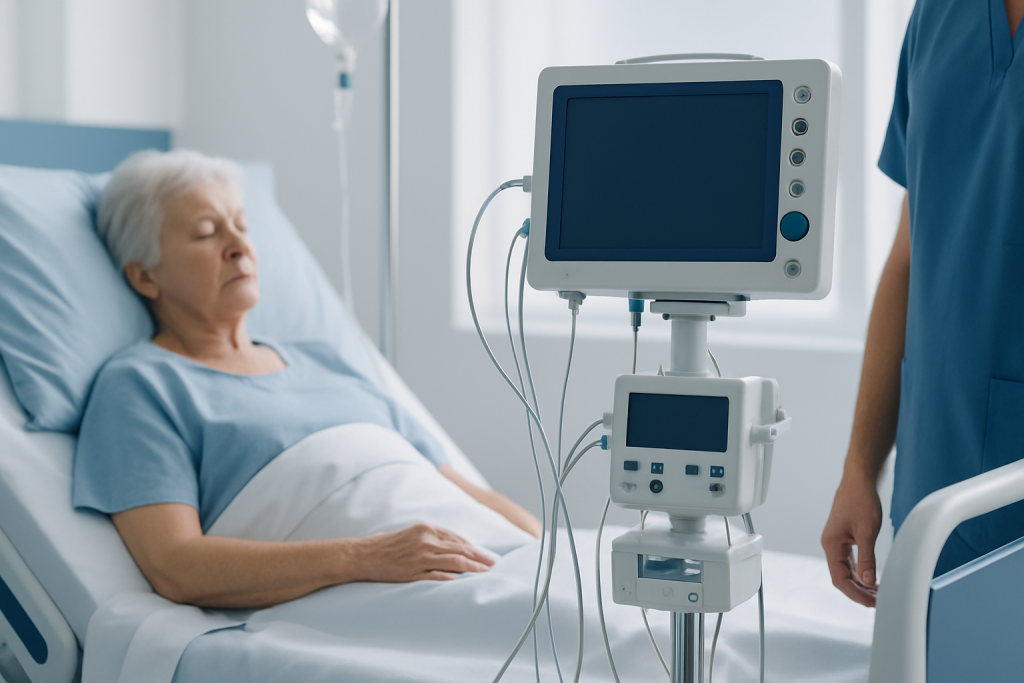
Fractures in older adults do not always look dramatic. Some people fall and cannot stand afterward, while others feel pain only when they try to move the injured area. Hip fractures may cause groin, thigh, or buttock pain and make walking impossible. Spine fractures may present as sudden back pain, loss of height, stooped posture, or pain that worsens with movement.
Family members often notice more subtle changes first. An older adult may become confused after a fall, avoid putting weight on a leg, or seem unusually short of breath or weak. These changes deserve attention because they can suggest not only a fracture but also dehydration, bleeding, medication effects, or another medical problem that needs assessment.
- Severe pain or tenderness after a fall
- Inability to bear weight or use the limb normally
- Swelling, bruising, deformity, or shortening of a leg
- New back pain, height loss, or a sudden stooped posture
- Confusion, sleepiness, or reduced alertness after injury
Because older adults can sometimes have fractures with limited obvious swelling or deformity, any new pain or loss of function after a fall should be taken seriously. A timely medical exam helps avoid delays that can raise the risk of complications.
Causes and risk factors
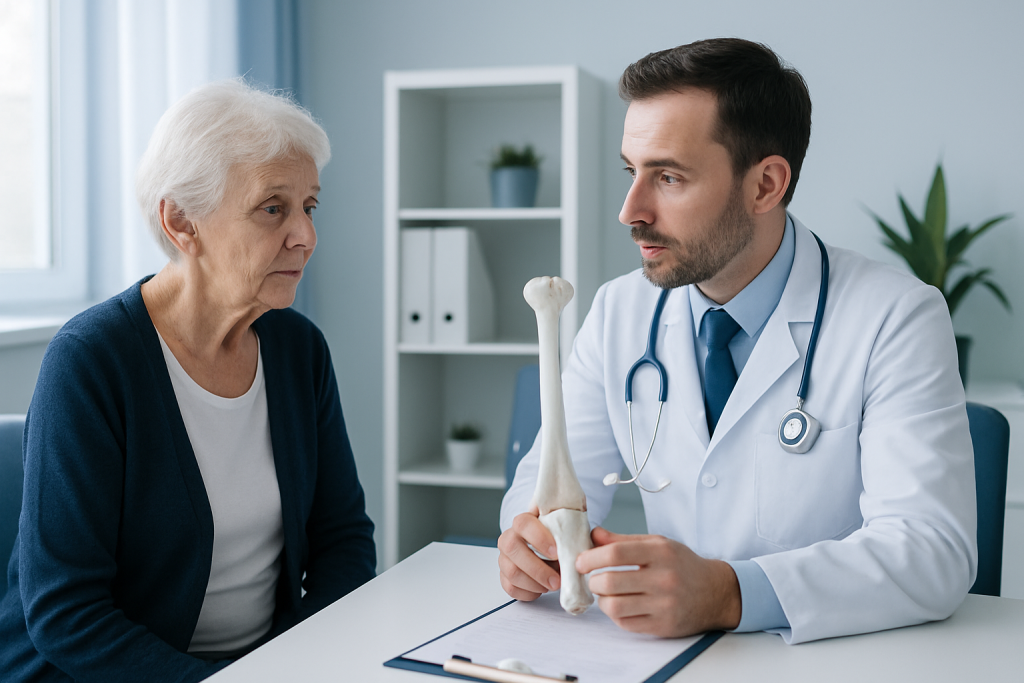
Several factors explain why fractures become more dangerous with age. Osteoporosis is a major one: bones lose density and can break after a minor fall, sometimes even after a simple twist or misstep. Frailty, balance problems, vision loss, joint disease, and muscle weakness also increase the chance of falling in the first place.
After the fracture happens, the body may have less reserve to handle the stress. Older adults are more likely to develop complications from bed rest or reduced movement. They may also take medicines that affect blood pressure, alertness, blood clotting, or bone strength, which can complicate both the injury and the treatment plan.
Risk is not determined by age alone. Some older adults remain active and relatively robust, while others have multiple chronic illnesses that increase vulnerability. The following factors are commonly involved:
- Osteoporosis or low bone density
- History of falls or poor balance
- Frailty, muscle loss, or reduced mobility
- Previous fractures
- Chronic illness such as heart, lung, kidney, or neurologic disease
- Use of sedating medicines or medicines that increase fall risk
- Poor nutrition, low vitamin D, or smoking history
Hip fractures deserve special attention because they often require surgery and a period of reduced mobility. That combination can trigger complications quickly if the patient is not monitored closely and mobilized safely.
How doctors make the diagnosis
Diagnosis begins with a careful history and physical examination. A doctor will ask how the injury happened, where the pain is, whether the person can bear weight, and whether there has been any confusion, shortness of breath, dizziness, or loss of consciousness. In older adults, a fall may sometimes be the first sign of another issue such as fainting, dehydration, infection, or a heart rhythm problem.
Imaging is usually needed to confirm the fracture and determine its location and severity. X-rays are commonly the first test, while CT scans or MRI may be used when the fracture is subtle or when more detail is needed for planning treatment. Blood tests may also be ordered to check blood counts, kidney function, infection markers, electrolytes, and overall readiness for surgery if that is being considered.
Doctors also assess broader risks: the patient’s mobility before the injury, cognitive status, medications, hydration, and ability to participate in rehabilitation. In international care settings, this broader evaluation matters because discharge planning and follow-up must be practical once the patient returns home or continues recovery abroad. The goal is not only to find the broken bone but to understand the whole person around it.
Treatment options
Treatment depends on the type of fracture, the patient’s overall health, and how much function is affected. Some stable fractures can be managed with pain control, bracing, protected weight-bearing, and close follow-up. Other injuries, especially hip fractures and certain displaced fractures, may require surgery to restore alignment and reduce the harm caused by prolonged immobility.
In older adults, treatment plans are usually built around more than bone healing alone. Good pain control helps the person breathe deeply, move safely, and participate in physical therapy. Surgery, when needed, is often paired with early mobilization to lower the risk of pneumonia, blood clots, and pressure injuries. Nurses, orthopedic surgeons, anesthesiologists, physiotherapists, and rehabilitation specialists often work together because coordinated care can change the outcome more than any single treatment by itself.
Common parts of treatment may include:
- Pain management tailored to age and medical history
- Immobilization or bracing when appropriate
- Surgical repair for unstable or displaced fractures
- Physical therapy and gradual return to movement
- Prevention of blood clots, constipation, and pressure sores
- Bone-strengthening evaluation and osteoporosis care
After the acute injury, the care team may review bone health treatment, nutrition, and fall risks. For a patient traveling from another country, clear instructions about wound care, mobility limits, and follow-up imaging are especially important so recovery can continue safely at home.
Why fractures can become life-threatening
The main reason a fracture may become fatal is the chain reaction that follows the injury. When an older person becomes unable to move normally, the body is exposed to risks that can be difficult to reverse. Lying in bed too long can weaken breathing, slow digestion, raise clotting risk, and make confusion or delirium more likely.
Infections are another major concern. A person who is weaker, less mobile, or eating poorly may develop pneumonia, urinary tract infection, or wound infection after surgery. If the fracture causes bleeding, especially in the pelvis or femur, blood loss can also be significant. For patients with heart disease or lung disease, the added strain of injury and surgery may be enough to destabilize an already fragile condition.
Some older adults decline because the fracture reveals a lower baseline reserve. A severe break may not be the only problem; it may be the event that exposes malnutrition, frailty, dementia, poor circulation, or hidden illness. This is why early hospitalization, monitoring, and a coordinated rehabilitation plan are so important after a major fracture.
Prevention and self-care
Prevention starts with reducing fall risk and improving bone strength. Regular vision checks, safe footwear, clear walkways, good lighting, and removal of loose rugs can lower the chance of a fall at home. Exercise that supports balance and strength, when approved by a clinician, can also help older adults stay steadier on their feet.
Bone health deserves equal attention. Adequate calcium and vitamin D intake, smoking cessation, and treatment of osteoporosis when present can reduce fracture risk. Doctors may also review medications that cause dizziness or drowsiness and adjust them if appropriate. For people with a history of fractures, a formal bone health plan is often worthwhile.
After a fracture, self-care focuses on recovery and complication prevention. Following weight-bearing instructions, keeping rehabilitation appointments, staying hydrated, and eating enough protein can all support healing. Families and caregivers should watch for warning signs such as worsening pain, fever, chest pain, shortness of breath, calf swelling, or confusion, and seek medical advice promptly if these occur.
When to see a doctor
Any suspected fracture in an older adult should be assessed medically, especially after a fall. Immediate care is important if the person cannot stand, has severe pain, appears confused, has an obvious deformity, or has head injury symptoms such as vomiting or loss of consciousness. Prompt evaluation can prevent complications that develop when fractures are missed or treated too late.
Medical review is also important after recovery if the person is losing weight, becoming less mobile, or showing signs of depression, fear of falling, or increasing frailty. These issues can interfere with healing and raise the risk of another injury. A doctor can also assess whether osteoporosis treatment, rehab, home safety changes, or mobility aids are needed.
When families are coordinating care across borders, it helps to choose a center that can provide imaging, orthopedic treatment, rehabilitation planning, and clear discharge guidance in one pathway. Acibadem Health Point’s multidisciplinary specialists and JCI-accredited hospitals diagnose and treat fractures for international patients, with attention to both the injury and the recovery process that follows.
Frequently asked questions
Below are answers to common questions families ask after an older adult has a fracture. The most useful answers are usually the ones that connect the injury to the person’s overall health, not just the x-ray report.
Frequently asked questions
01Why do elderly die from broken bones if the bone itself is not fatal?
The fracture often starts a chain of complications rather than causing death directly. Immobility, pneumonia, blood clots, infection, and worsening of chronic illness can all become serious after a major break. The risk is higher when the person is already frail or has other medical conditions.
02Which broken bones are most dangerous in older adults?
Hip fractures are among the most serious because they often require surgery and can sharply reduce mobility. Pelvic, femur, and spine fractures can also cause major problems, especially if they limit walking or breathing. The exact risk depends on the person’s overall health and the fracture pattern.
03Can an older adult recover fully after a fracture?
Many older adults do recover well, especially when the fracture is treated quickly and rehabilitation begins early. Recovery may take longer than in younger people, and some patients need walking aids, home support, or continued therapy. The goal is often to restore as much independence and comfort as possible.
04What complications should families watch for after a fracture?
Watch for worsening pain, fever, shortness of breath, chest pain, swelling in one leg, confusion, poor eating, or increasing weakness. These signs can suggest infection, blood clots, dehydration, or another complication. If any of them appear, medical review is important.
05Does osteoporosis make broken bones more dangerous?
Osteoporosis makes bones easier to break, often after a minor fall. It does not by itself cause death, but it increases the chance of fractures that can lead to serious complications. Treating osteoporosis is one of the best ways to reduce future fracture risk.
06What is the first step after an older person falls and may have broken a bone?
The person should be assessed by a medical professional, especially if there is pain, inability to walk, or any visible deformity. It is best not to force movement or delay evaluation. Early diagnosis helps guide safe treatment and lowers the chance of complications.
This article is for general information only and is not a substitute for professional medical advice. Please consult a qualified doctor about your individual situation.
Joint and spine care in Turkey — expert assessment & treatment
JCI-accredited · board-certified surgeons · reply within 24h
Add us as a Preferred Source to see more of our trusted health content across Google Search, AI Overviews and Discover.


