Gas Can Build Up Overnight and Feel Worse on Waking

Do you wake up bloated and gassy, wondering what happened overnight? You’re not alone — morning gas is very common. Most of the time it comes down to normal overnight digestion, air you swallowed, the foods you ate the day before, constipation, or a sensitive bowel pattern. It’s rarely a sign of anything serious. That said, if gas keeps coming back or hurts, it’s worth getting checked by a doctor.
Overview: why morning gas happens
So why are you so gassy in the morning? The short answer: gas collects in your digestive tract overnight and you simply notice it more once you wake up. Normal digestion, swallowed air, your bowels getting moving after you get out of bed, or the foods you ate the day before can all play a part.
For most people, morning gas is just the body doing its job — not a disease. Your intestines make gas as bacteria break down food, and you swallow some air while eating, drinking, talking, even sleeping. After hours of lying still and not passing much gas, it can feel much more obvious first thing in the morning.
That said, “normal” gas shouldn’t regularly cause you severe pain, major bloating, or disrupt your day. If morning gas is frequent, uncomfortable, or comes with other digestive symptoms, something else may be going on — constipation, a food intolerance, or a bowel condition that needs a proper look.
What causes gas to feel worse in the morning
Several everyday factors can make gas more noticeable at the start of the day. Overnight, the gut continues to digest food that was eaten at dinner or as a late-night snack. If that meal was high in fermentable carbohydrates, fiber, fat, or dairy, more gas may be produced while a person sleeps.
How you’re positioned matters too. You spend hours lying flat, so gas can shift around inside the intestines instead of being passed. Once you stand up, walk, drink your coffee, or eat breakfast, your gut naturally picks up its movement and that trapped gas starts to find its way out.
Another reason is swallowed air. Eating quickly, chewing gum, drinking through a straw, talking while eating, smoking, or wearing loose-fitting dental appliances can all increase the amount of air entering the stomach. Some people also swallow more air if they snore, breathe through the mouth, or use a CPAP device for sleep apnea.
Morning gas can also seem worse when the bowels are not emptying regularly. Constipation allows stool and gas to remain in the colon longer, which can lead to bloating, pressure, and increased flatulence when the bowel starts moving again after waking.
Common triggers: foods, digestion, and bowel patterns

Certain foods are well known to increase intestinal gas. These include beans, lentils, onions, garlic, broccoli, cabbage, Brussels sprouts, apples, pears, wheat, and foods sweetened with sugar alcohols such as sorbitol or xylitol. Carbonated beverages can also add extra air to the digestive tract.
Dairy products are a common trigger, especially in people with lactose intolerance. If morning gas tends to happen after milk, ice cream, or soft cheese, it may be worth discussing lactose intolerance with a doctor. Some people also react to high-FODMAP foods, a group of carbohydrates that can ferment in the gut and cause gas and bloating.
Your bowel habits matter as much as what’s on your plate. Constipation often leaves you feeling “full” and gassy on waking, because stool sits in the colon longer than usual. If you’re straining, going infrequently, or never feel fully emptied, sorting out the constipation may ease the gas too.
Sensitive gut-brain signaling can also play a part. In irritable bowel syndrome, the intestines may be more reactive to normal amounts of gas, making bloating and discomfort feel more intense even when gas production is not dramatically increased.
Symptoms that can go with morning gas
Alongside morning gas, you might notice belching, passing gas, bloating, a rumbling belly, or mild cramps that ease after a bowel movement. Uncomfortable? Yes. But these are often temporary and simply reflect normal intestinal activity.
Some people notice that gas is mainly in the upper abdomen and comes with burping, while others feel lower abdominal fullness and need to pass gas from the rectum. This pattern may offer clues about whether swallowed air, delayed digestion, constipation, or fermentation in the colon is the main issue.
Associated symptoms can help distinguish simple gas from a condition that needs further assessment. For example, bloating with alternating diarrhea and constipation may suggest IBS, while gas with greasy stools or weight loss may raise concern for poor absorption. Persistent reflux, nausea, or early fullness may point to upper digestive causes.
Don’t ignore gas that comes with severe abdominal pain, fever, repeated vomiting, blood in the stool, black stools, or a sudden change in your bowel habits. None of that is typical of ordinary morning gas — see a doctor promptly.
How doctors evaluate frequent or troublesome gas
Your doctor will usually start by talking with you. When did the gas begin? Is it worse after certain foods? How often do you go to the toilet, and do you feel better after passing gas or stool? Keeping a diary of meals and symptoms helps a lot — patterns tell us more than any single episode.
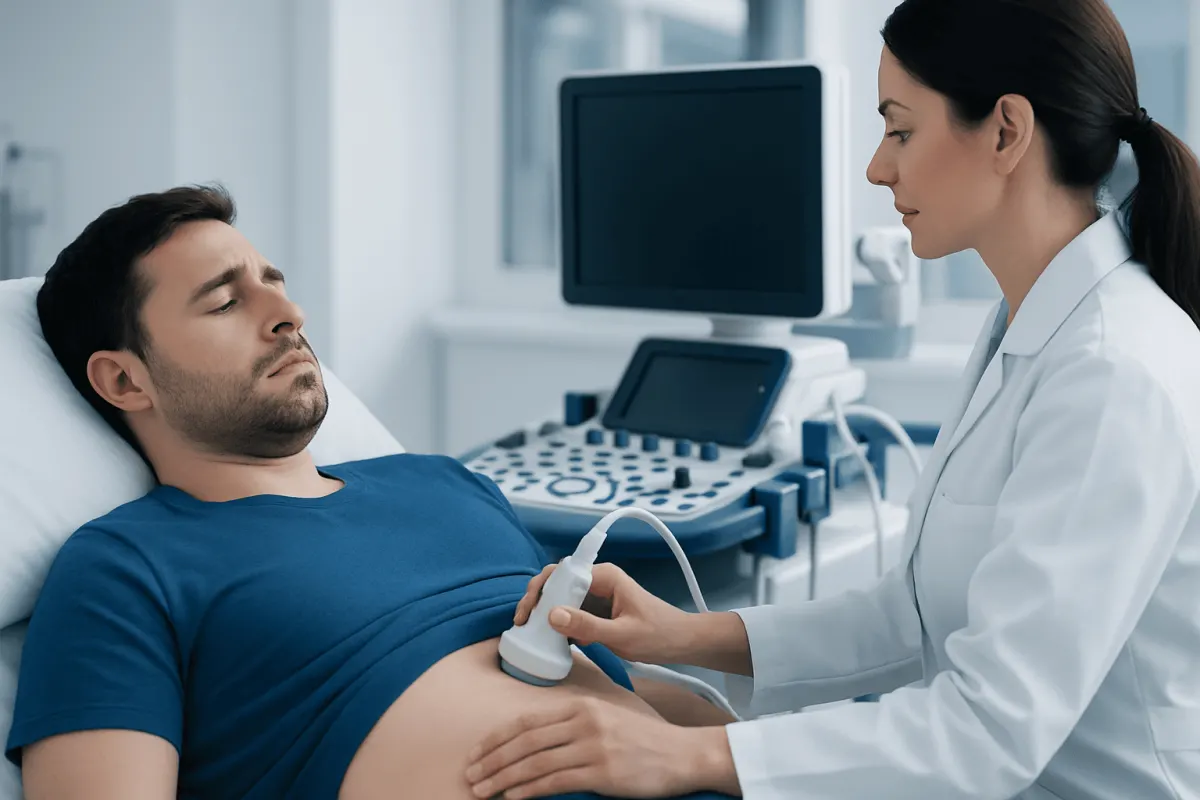
A physical examination may look for abdominal tenderness, visible bloating, bowel sounds, and signs of constipation or other digestive problems. In many cases, a diagnosis can be suggested from symptoms alone, especially when triggers are clear and there are no warning signs.
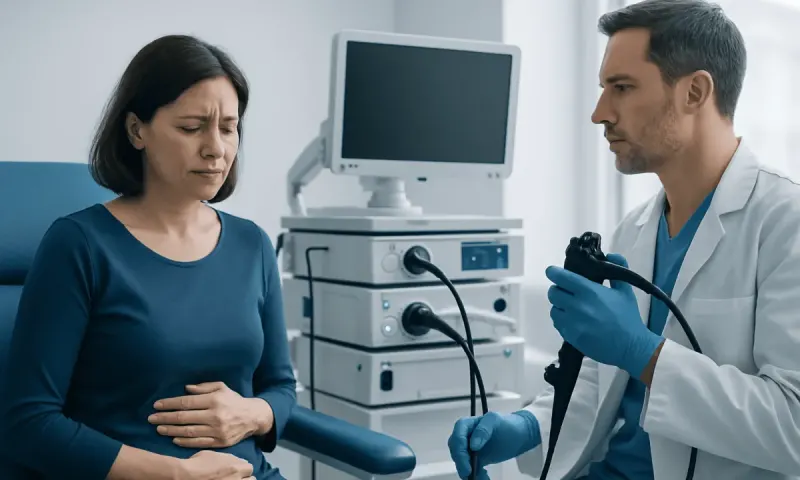
Testing is not always necessary, but it may be recommended if symptoms are persistent, unexplained, or accompanied by red flags. Depending on the situation, doctors may consider stool tests, blood tests, breath testing for food intolerance or bacterial overgrowth, or imaging. If there are concerns about the stomach, intestines, or long-term symptoms, an evaluation with gastroenterology care may be appropriate.
Some people need further testing to rule out conditions such as celiac disease, Ulcerative Colitis, and Flares" class="ahp-ilk">inflammatory bowel disease, or structural problems in the colon. When symptoms strongly suggest constipation, the initial focus may be on bowel habit changes rather than extensive investigations.
Ways to reduce morning gas
Small daily changes often go a long way. Eat more slowly. Skip the big late-night meal. Cut back on fizzy drinks and gum — both add swallowed air. Some people also feel better spreading their fiber across the day instead of loading it into a heavy dinner.
Identifying food triggers is another practical step. It may help to note whether symptoms follow dairy, beans, onions, wheat, artificial sweeteners, or high-fat meals. For those with repeated bloating, a doctor or dietitian may suggest a structured elimination plan rather than cutting out many foods at once.
Regular bowel habits are important. Drinking enough fluids, staying physically active, and not ignoring the urge to have a bowel movement may reduce constipation-related gas. Gentle morning movement, such as walking, can also stimulate the gut and help trapped gas pass more comfortably.
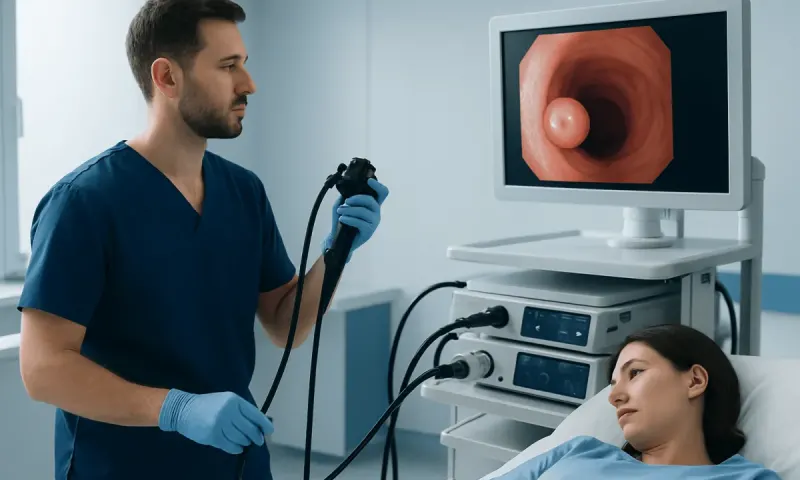
When symptoms are ongoing, treatment depends on the cause. Management may involve dietary guidance, constipation treatment, or evaluation for food intolerance or bowel disorders. In selected cases, doctors may recommend further testing or procedures such as endoscopy or colonoscopy if symptoms suggest a need to look more closely at the digestive tract.
When to seek medical care
Occasional morning gas isn’t an emergency. But make an appointment if it’s frequent, new, or bothersome enough to affect your sleep, work, eating, or quality of life — or if over-the-counter measures and simple diet changes haven’t helped.
Medical care is especially important if morning gas comes with weight loss, ongoing diarrhea, persistent constipation, trouble swallowing, repeated vomiting, blood in the stool, black stools, fever, or severe abdominal pain. These symptoms may suggest something more than ordinary gas and need professional assessment.
People with a strong family history of colon cancer, inflammatory bowel disease, or celiac disease should be particularly attentive to persistent digestive symptoms. The goal is not to assume the worst, but to make sure a treatable cause is not missed.
For international patients who need evaluation for ongoing digestive symptoms, Acıbadem Health Point’s multidisciplinary specialists and JCI-accredited hospitals diagnose and treat gastrointestinal conditions with a personalized approach.
Frequently asked questions
01Is it normal to be gassy every morning?
Mild gas in the morning can be normal because digestion continues overnight and gas may build up while a person is asleep. It becomes more worth discussing with a doctor if it happens daily, causes pain, or comes with other digestive symptoms.
02Why do I wake up bloated and then feel better later?
This can happen when gas or stool has accumulated overnight and then starts moving once the body is upright and active. Passing gas, having a bowel movement, eating breakfast, or walking can stimulate the intestines and relieve that pressure.
03Can constipation cause morning gas?
Yes. Constipation can trap both stool and gas in the colon, leading to bloating and flatulence that may be most noticeable after waking. Improving bowel regularity often reduces this pattern.
04Does what I eat at night affect morning gas?
Often, yes. Late meals that are heavy, fatty, high in fiber, or rich in fermentable carbohydrates can increase overnight gas production. Common triggers include beans, onions, dairy, wheat products, and carbonated drinks.
05Could morning gas mean lactose intolerance or IBS?
It can. Lactose intolerance may cause gas, bloating, and diarrhea after dairy, while IBS can make the gut more sensitive to gas and changes in bowel habits. A doctor can help tell the difference based on symptoms, diet patterns, and sometimes testing.
06When should gas be checked by a doctor?
A doctor should assess gas that is new, persistent, painful, or interfering with daily life. Prompt medical care is important if it occurs with blood in the stool, black stools, vomiting, fever, weight loss, or severe abdominal pain.
This article is for general information only and is not a substitute for professional medical advice. Please consult a qualified doctor about your individual situation.
Persistent digestive symptoms? Get evaluated in Turkey
JCI-accredited · board-certified surgeons · reply within 24h
Add us as a Preferred Source to see more of our trusted health content across Google Search, AI Overviews and Discover.