White Matter Disease: Symptoms, Causes and Treatment

Key Takeaways
- White matter disease is a descriptive imaging finding, not a single disease on its own.
- It is often related to small blood vessel changes in the brain, but other causes are possible.
- Some people have no symptoms, while others may notice balance, thinking, mood, or walking changes.
- Diagnosis usually relies on a neurological evaluation and brain MRI, with additional tests when needed.
- Treatment focuses on the underlying cause and reducing future risk factors such as high blood pressure or diabetes.
White matter disease refers to changes in the brain’s white matter, often seen on MRI and commonly linked to aging, small vessel disease, or other underlying conditions. Many people do not notice symptoms at first, but understanding the finding can help guide follow-up, treatment, and long-term brain health.
Overview
White matter disease is a term doctors use when MRI scans show changes in the brain’s white matter. White matter contains nerve fibers that help different parts of the brain communicate, so changes in this tissue can matter even when they are found incidentally during a scan for another reason.
The finding is common in older adults, but it is not an automatic part of normal aging. In many cases, it reflects long-standing strain on the small blood vessels that supply the brain, though inflammation, migraine, autoimmune disease, prior injury, and certain genetic conditions can also contribute.
For international patients trying to make sense of a scan report from another country, the wording can sound more serious than it is. The most useful next step is usually not panic, but a careful review with a neurologist who can explain whether the changes fit a common pattern or need further investigation.
Symptoms
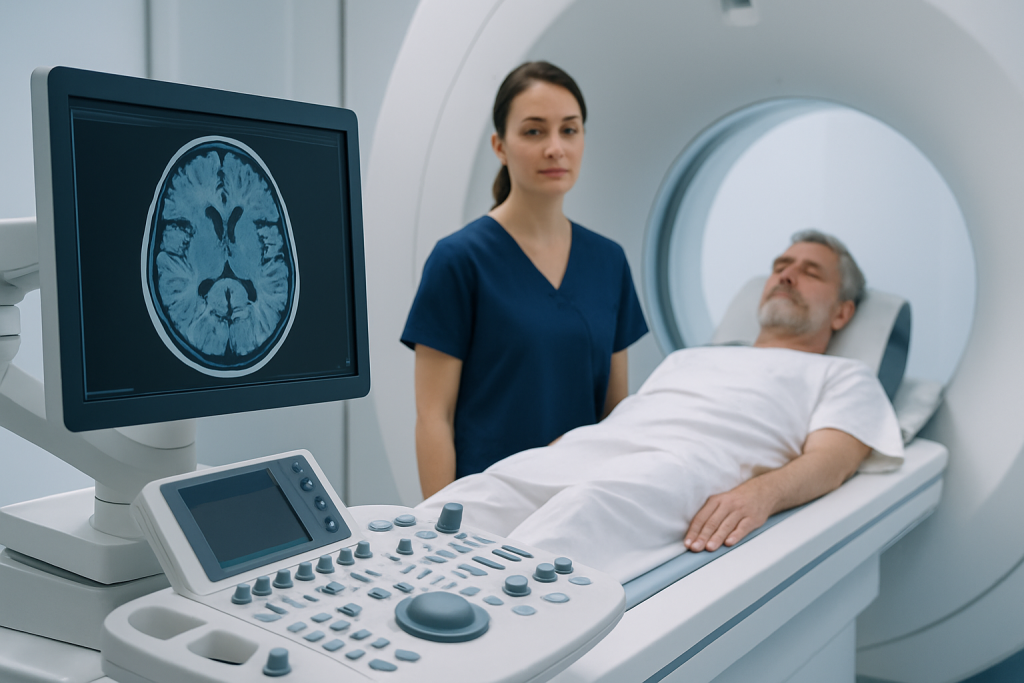
Some people with white matter disease have no noticeable symptoms at all. In those cases, the changes may be discovered during imaging for headaches, dizziness, memory concerns, or after a minor injury.
When symptoms do occur, they often develop slowly rather than suddenly. A person may notice unsteadier walking, slower thinking, trouble with concentration, mood changes, urinary urgency, or a general feeling that everyday tasks require more effort.
Symptoms depend on where the white matter changes are located and what is causing them. Because these changes can overlap with other neurological conditions, a pattern of symptoms is usually interpreted together with the MRI findings and medical history rather than on its own.
Causes & Risk Factors

White matter disease is most commonly associated with small vessel disease, which affects the tiny arteries that nourish the brain. Over time, reduced blood flow can lead to microscopic injury in the white matter and appear as bright areas on MRI.
Several conditions can increase the chance of these changes developing or progressing. High blood pressure is one of the most important risk factors, and diabetes, high cholesterol, smoking, sleep apnea, obesity, and reduced physical activity can also contribute. Age increases risk as well, since blood vessels naturally become less resilient over time.
Not every white matter change is caused by vascular disease. In some people, the pattern may point to migraine-related changes, autoimmune inflammation such as multiple sclerosis, past infection, vitamin deficiency, toxic exposure, or inherited disorders. A neurologist considers the patient’s age, symptoms, and scan appearance to narrow the possibilities.
Diagnosis
Diagnosis begins with a detailed conversation about symptoms, medical history, medications, blood pressure, vascular risk factors, and family history. A neurological examination helps assess balance, reflexes, walking, coordination, cognition, and other functions that may be affected.
Brain MRI is the main test used to identify white matter changes. The scan can show their size, location, and pattern, which gives important clues about the likely cause. In some situations, a doctor may recommend blood tests, memory testing, vascular studies, or spinal fluid analysis to look for inflammation, infection, metabolic issues, or other diagnoses.
Because white matter disease is a broad description rather than one single diagnosis, the goal is to understand what the scan means in context. For a patient traveling for care, it can be helpful to bring prior imaging reports, medication lists, and any previous neurological evaluations so the specialist can compare patterns over time.
Treatment Options
Treatment depends on the cause and on whether the person has symptoms. When the changes are related to small vessel disease, the focus is usually on protecting brain circulation and lowering the risk of progression.
That may involve managing blood pressure, blood sugar, and cholesterol, stopping smoking, improving sleep, and addressing conditions such as atrial fibrillation or sleep apnea when present. Doctors may also recommend physical therapy, occupational therapy, or cognitive rehabilitation if walking, balance, or thinking skills are affected.
If another condition is responsible, treatment is directed at that cause. For example, inflammatory or demyelinating disorders may require specialist medications, while vitamin deficiencies or endocrine problems are corrected in other ways. The most suitable plan is individualized, especially when a person is arriving from another country and needs a coordinated workup, clear follow-up instructions, and a realistic recovery plan after returning home.
Prevention & Self-care
There is no single way to prevent all white matter changes, but many steps that support heart and vessel health also support brain health. Consistent blood pressure control, regular exercise, a balanced diet, and smoking cessation are among the most practical measures.
Good sleep and treatment of sleep apnea can also be important, since poor sleep affects blood vessels and thinking over time. Managing diabetes, staying active within safe limits, and following up on cholesterol and cardiovascular care can all help reduce added strain on the brain’s small vessels.
Self-care is also about noticing gradual changes early. If a person begins to feel less steady, more forgetful, or unusually slowed down, tracking symptoms and sharing them with a doctor can make evaluation more precise and treatment more effective.
When to See a Doctor
A doctor should review white matter disease when it appears on an MRI report, even if the person feels well. The finding is often manageable, but the meaning depends on the scan pattern and the person’s broader health picture.
Prompt medical attention is especially important if symptoms are new, worsening, or affecting walking, thinking, vision, speech, or bladder control. Sudden weakness, facial droop, confusion, or speech difficulty are urgent symptoms and need immediate emergency care, because they may indicate stroke rather than a chronic white matter change.
For people who travel internationally for evaluation, a neurology appointment that includes scan review, risk-factor assessment, and a clear written plan can be particularly valuable. At Acibadem Health Point, multidisciplinary specialists and JCI-accredited hospitals diagnose and treat white matter disease for international patients with coordinated, patient-centered care.
Frequently asked questions
01Is white matter disease the same as dementia?
No. White matter disease is an MRI finding, not a diagnosis of dementia. Some people with white matter changes never develop major cognitive problems, while others may have memory or thinking changes depending on the cause and extent of the damage.
02Can white matter disease be reversed?
Some causes can be treated, such as vitamin deficiencies or inflammatory conditions, but many vascular white matter changes are managed rather than fully reversed. The main goal is to slow progression and protect brain function over time.
03Does white matter disease always cause symptoms?
No. Many people learn about it only after a scan done for another reason. When symptoms do happen, they are often gradual and may involve walking, balance, attention, or mood.
04What kind of doctor should evaluate white matter disease?
A neurologist is usually the best specialist to interpret the MRI findings in context. Depending on the suspected cause, other doctors such as a primary care physician, cardiologist, or endocrinologist may also be involved.
05Should a person change medications on their own after seeing this MRI result?
No. Medication changes should only be made with a doctor’s guidance, because the right plan depends on blood pressure, stroke risk, diabetes, cholesterol, and the suspected cause of the white matter changes.
06Can lifestyle changes really make a difference?
Yes, especially when the changes are linked to small vessel disease. Healthy blood pressure, regular movement, not smoking, and good control of diabetes or cholesterol can all support better long-term brain health.
This article is for general information only and is not a substitute for professional medical advice. Please consult a qualified doctor about your individual situation.
Explore treatments in Turkey — costs, top hospitals & a free quote
JCI-accredited · board-certified surgeons · reply within 24h
Add us as a Preferred Source to see more of our trusted health content across Google Search, AI Overviews and Discover.