Which Is More Dangerous: Gastric Bypass or Sleeve?

Gastric bypass generally carries a higher risk of early surgical complications and long-term vitamin and mineral deficiencies than gastric sleeve because it reroutes the intestine. However, neither procedure is universally safer or better: the most appropriate choice depends on a person's weight-related health conditions, reflux symptoms, medical history, and ability to follow lifelong aftercare.
Which Is More Dangerous: Gastric Bypass or Sleeve?
Gastric bypass is generally considered more complex and may carry a higher overall risk of certain surgical and long-term nutritional complications than gastric sleeve. This is mainly because bypass changes both stomach size and the route food takes through part of the small intestine. Sleeve gastrectomy removes a large portion of the stomach without intestinal rerouting, but it has its own important risks, particularly new or worsening acid reflux.
The question of which is more dangerous, gastric bypass or sleeve, does not have one answer for every person. For someone with significant reflux, a sleeve may create more difficulty, whereas bypass may be a more suitable option. For someone at high risk of nutrient deficiencies or unable to commit to lifelong supplements and monitoring, the added malabsorption associated with bypass may be a concern.
Both are established forms of bariatric surgery when performed by experienced teams and followed by structured medical, nutrition, and psychological care. A bariatric specialist considers health conditions, medications, previous abdominal surgery, eating patterns, reproductive plans, and personal goals before recommending one procedure over another.
How gastric bypass and sleeve surgery work
In sleeve gastrectomy, the surgeon removes approximately 70% to 80% of the stomach, leaving a narrow tube or “sleeve.” The smaller stomach limits how much food can be eaten at one time and affects gut hormones involved in appetite, fullness, and blood sugar regulation. Food continues to travel through the digestive tract in its usual route.
In Roux-en-Y gastric bypass, the surgeon creates a small stomach pouch and connects it directly to a lower section of the small intestine. This restricts food intake and reduces absorption of some nutrients and calories. It also changes hormone signaling, which can contribute to weight loss and improvement in blood sugar control.
Both operations are usually performed using minimally invasive techniques under general anesthesia. They are not cosmetic procedures or a replacement for nutrition and activity changes; they are metabolic treatments that require lifelong follow-up. People considering surgery can discuss the process and suitability through bariatric surgery assessment and treatment.
In practical terms, gastric bypass involves more anatomical changes. This helps explain why it can be more effective for some metabolic conditions, but also why it may have a broader range of long-term complications than sleeve surgery.
Benefits and candidacy: which is more effective?
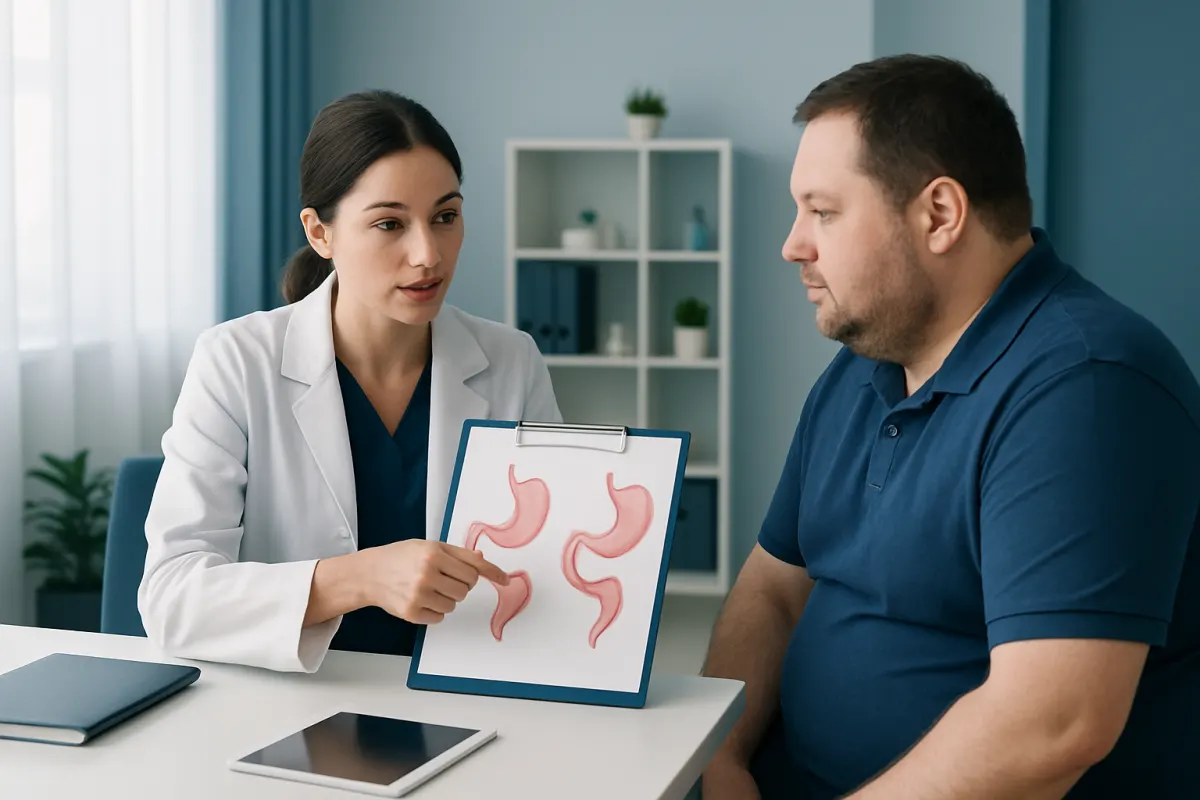
When asking which is more effective, gastric bypass or sleeve, the answer depends on the outcome being measured. Both can lead to clinically meaningful weight loss and improvement in obesity-related health problems. On average, gastric bypass may result in somewhat greater weight loss and may be particularly effective for type 2 diabetes and troublesome reflux, but results vary widely between individuals.
Gastric bypass is often considered for people with severe obesity, poorly controlled type 2 diabetes, or significant gastroesophageal reflux disease. Because bypass can reduce reflux symptoms in many patients, it may be preferred when reflux is already present. Sleeve surgery can be an appropriate option for many people who want a less anatomically complex operation and do not have severe reflux.
Candidacy is not based on body weight alone. The care team reviews body mass index, weight-related conditions, previous treatments, nutritional status, mental health, alcohol and tobacco use, and readiness for lifelong behavior change. Detailed evaluation is also important for people with conditions such as type 2 diabetes, sleep apnea, fatty liver disease, or high blood pressure.
- Potential advantages of sleeve: no intestinal rerouting, generally shorter procedure, and fewer malabsorption-related problems.
- Potential advantages of bypass: stronger average metabolic effect for some people, often better for reflux, and potentially greater average weight loss.
- Shared benefits: improved mobility, quality of life, and management of weight-related conditions when combined with consistent follow-up.
Risks and safety: is gastric bypass more dangerous than gastric sleeve?
Is gastric bypass more dangerous than gastric sleeve? In broad terms, bypass usually has more potential for complications because it is more complex and includes intestinal rerouting. Early risks with either operation include bleeding, infection, blood clots, anesthesia-related problems, leaks from surgical joins or staple lines, and dehydration. Although serious complications are uncommon in appropriately selected patients, they require prompt medical attention when they occur.
Gastric bypass has specific longer-term risks such as iron, vitamin B12, calcium, vitamin D, and folate deficiencies; ulcers at the surgical connection; dumping syndrome; bowel obstruction; and internal hernia. Dumping syndrome can cause nausea, cramping, diarrhea, sweating, dizziness, or rapid heartbeat after eating, especially after foods high in sugar.
Sleeve surgery has a staple line but no intestinal connection. Its defining long-term concern is reflux, including heartburn or regurgitation that may newly develop or become worse. Some people later need medication, further investigation, or conversion to gastric bypass for difficult reflux. Sleeve surgery can also lead to nutrient deficiencies if diet, supplements, and monitoring are not maintained.
Which is safer, gastric sleeve or bypass, therefore depends on the person. A person with severe reflux may face a greater practical risk of persistent symptoms after a sleeve, while a person with previous intestinal surgery, nutritional vulnerability, or difficulty adhering to supplements may need careful consideration before bypass.
Procedure steps and recovery timeline
Before either procedure, patients usually complete medical testing, nutrition counseling, and screening for conditions that could affect anesthesia or recovery. The team may recommend stopping smoking, reviewing medicines, improving blood sugar control, and following a short preoperative diet. The exact preparation plan is individualized.
During sleeve gastrectomy, the surgeon uses surgical staples to form the narrow stomach sleeve and removes the remaining stomach portion. During gastric bypass, the surgeon creates a small stomach pouch, divides part of the small intestine, and reconnects it to form the new food pathway. Both procedures commonly take place through several small abdominal incisions.
Hospital stay and return-to-activity timing vary with the operation, personal health, and recovery progress. Many patients begin walking soon after surgery and progress gradually from liquids to pureed foods, soft foods, and then textured meals under guidance from their clinical nutrition team. Frequent small meals, adequate protein, fluid intake, and prescribed vitamin and mineral supplements are central to recovery.
Light activity may resume within days for many people, but strenuous exercise, lifting, and work duties should follow the surgeon’s instructions. Follow-up is lifelong, not only for weight monitoring but also to assess nutrition, mental wellbeing, medication needs, and any complications. Structured obesity treatment support can help patients prepare for and maintain these changes.
Why do people choose gastric bypass over sleeve?
People may choose gastric bypass over sleeve when they need a procedure with a stronger metabolic effect or when they have medical features that favor bypass. For example, bypass is often discussed for individuals with significant acid reflux, especially if reflux has caused inflammation of the esophagus or has not improved with standard treatment. It may also be selected for some people with type 2 diabetes who need substantial metabolic improvement.
Another reason is the possibility of greater average weight loss compared with sleeve surgery. This does not mean bypass is automatically which is better, gastric bypass or sleeve; the best procedure is one whose benefits are likely to outweigh its risks for the individual. Weight outcomes are influenced by the procedure, but also by dietary patterns, physical activity, follow-up attendance, sleep, mental health, and other factors.
Bypass may also be considered as a revision option when sleeve surgery has led to severe reflux or insufficient weight loss. However, revision surgery requires specialized assessment because it may involve additional risks. A surgeon should explain the expected benefits, alternatives, and long-term responsibilities in understandable terms before a decision is made.
Which is the safest weight loss surgery?
There is no single safest weight loss surgery for every person. Sleeve gastrectomy is often viewed as less technically complex than gastric bypass because it does not involve rerouting the intestines. Yet a less complex procedure is not necessarily the safest choice for an individual with severe reflux or another condition that may be better managed with bypass.
Safety depends on careful patient selection, the experience of the surgical and anesthesia teams, accredited hospital standards, prevention of blood clots and infection, and close follow-up after surgery. Personal factors such as heart and lung health, diabetes control, age, smoking, previous operations, and nutritional status also affect risk.
Non-surgical approaches, including nutrition therapy, physical activity support, behavioral care, and weight-management medications, may be appropriate before or alongside surgery for some people. Bariatric surgery is generally considered when the likely health benefits of substantial weight loss exceed the risks of an operation and lifelong aftercare.
Do most people regret gastric sleeves?
Most people do not report regret after gastric sleeve surgery when they have been appropriately selected, well prepared, and supported after the procedure. Many value improvements in health, mobility, energy, and everyday activities. However, experiences differ, and some people find the dietary adjustment, body image changes, loose skin, or need for ongoing follow-up more challenging than expected.
Regret may be more likely when expectations are unrealistic, when weight loss is less than hoped, or when complications such as severe reflux occur. Surgery changes eating capacity and food tolerance, but it does not remove emotional eating, stress, depression, or practical barriers to healthy habits. Preoperative counseling and continuing psychological support can help people make a confident, informed choice.
Discussing goals honestly is important. A person should understand that bariatric surgery supports weight management but does not guarantee a particular amount of weight loss or prevent weight regain. Regular follow-up allows concerns to be identified early and managed compassionately.
What can you never do again after a gastric sleeve?
After a gastric sleeve, people can usually return to a full and active life, but they cannot return to their previous stomach capacity. They will need to eat smaller portions permanently, chew food carefully, eat slowly, and prioritize protein and nutrient-dense foods. Overeating can cause pain, nausea, vomiting, or stretching discomfort.
They should avoid smoking and should not use alcohol carelessly, as alcohol may have stronger effects after surgery and can interfere with weight-management goals. Regular use of non-steroidal anti-inflammatory drugs, such as ibuprofen or naproxen, should only occur after discussion with a clinician because these medicines can irritate the stomach and increase gastrointestinal risks.
People should not stop prescribed supplements or follow-up blood testing simply because they feel well. They should also avoid pregnancy until their bariatric team confirms that weight and nutritional status are stable; timing advice is individualized. The aim is not deprivation, but a sustainable routine that protects long-term health.
When to seek medical care
After bariatric surgery, urgent medical care is needed for severe or worsening abdominal or chest pain, shortness of breath, fainting, a fast heartbeat, fever, persistent vomiting, inability to keep liquids down, black stools, vomiting blood, or redness and drainage from an incision. These symptoms can have different causes, but they should not be managed at home without professional advice.
Patients should contact their bariatric team promptly for ongoing heartburn, frequent regurgitation, swallowing difficulties, repeated vomiting, dehydration, severe constipation or diarrhea, signs of nutritional deficiency, or unexpected weight changes. Follow-up appointments provide an opportunity to adjust nutrition, medicines, and supplements before concerns become more serious.
Acıbadem Health Point’s multidisciplinary specialists and JCI-accredited hospitals provide assessment and treatment for international patients considering or recovering from bariatric surgery. A qualified bariatric surgeon can explain whether sleeve or bypass is more suitable based on an individual’s health needs and long-term goals.
Frequently asked questions
01Which is more dangerous, gastric bypass or sleeve?
Gastric bypass is generally more complex and has a wider range of potential long-term complications, including nutrient deficiencies, internal hernia, ulcers, and dumping syndrome. Sleeve surgery usually has fewer malabsorption-related risks, but it can trigger or worsen acid reflux. The safer choice depends on a person’s medical history and individual risk factors.
02Which is more effective, gastric bypass or gastric sleeve?
Both procedures can lead to significant weight loss and improve obesity-related health conditions. Gastric bypass may produce somewhat greater average weight loss and stronger improvement in type 2 diabetes for some patients. However, effectiveness also depends on nutrition, activity, follow-up care, and individual health circumstances.
03Can gastric sleeve worsen acid reflux?
Yes. Gastric sleeve can cause new reflux or worsen reflux that was already present. People with severe or difficult-to-control reflux may be advised to consider gastric bypass instead, as bypass often improves reflux symptoms.
04Does gastric bypass require lifelong vitamins?
Yes. Gastric bypass changes nutrient absorption, so lifelong vitamin and mineral supplements and regular blood tests are essential. Sleeve patients also usually need supplements and monitoring, although the risk of malabsorption is generally lower than with bypass.
05How long does recovery take after gastric bypass or sleeve?
Recovery differs among individuals and procedures, but walking often begins on the day of surgery or soon afterward. Diet progresses gradually over several weeks, while return to work and normal activity depends on the type of work and the surgeon’s advice. Long-term follow-up continues for life.
06Can gastric sleeve be converted to gastric bypass?
In selected situations, yes. Conversion may be considered if sleeve surgery causes severe reflux, insufficient weight loss, weight regain, or other problems that have not responded to non-surgical treatment. The decision requires detailed assessment by an experienced bariatric team.
This article is for general information only and is not a substitute for professional medical advice. Please consult a qualified doctor about your individual situation.
Medical weight-loss options in Turkey — costs & eligibility
JCI-accredited · board-certified surgeons · reply within 24h
Add us as a Preferred Source to see more of our trusted health content across Google Search, AI Overviews and Discover.