Which Doctors Perform SuperPATH Hip Replacement?
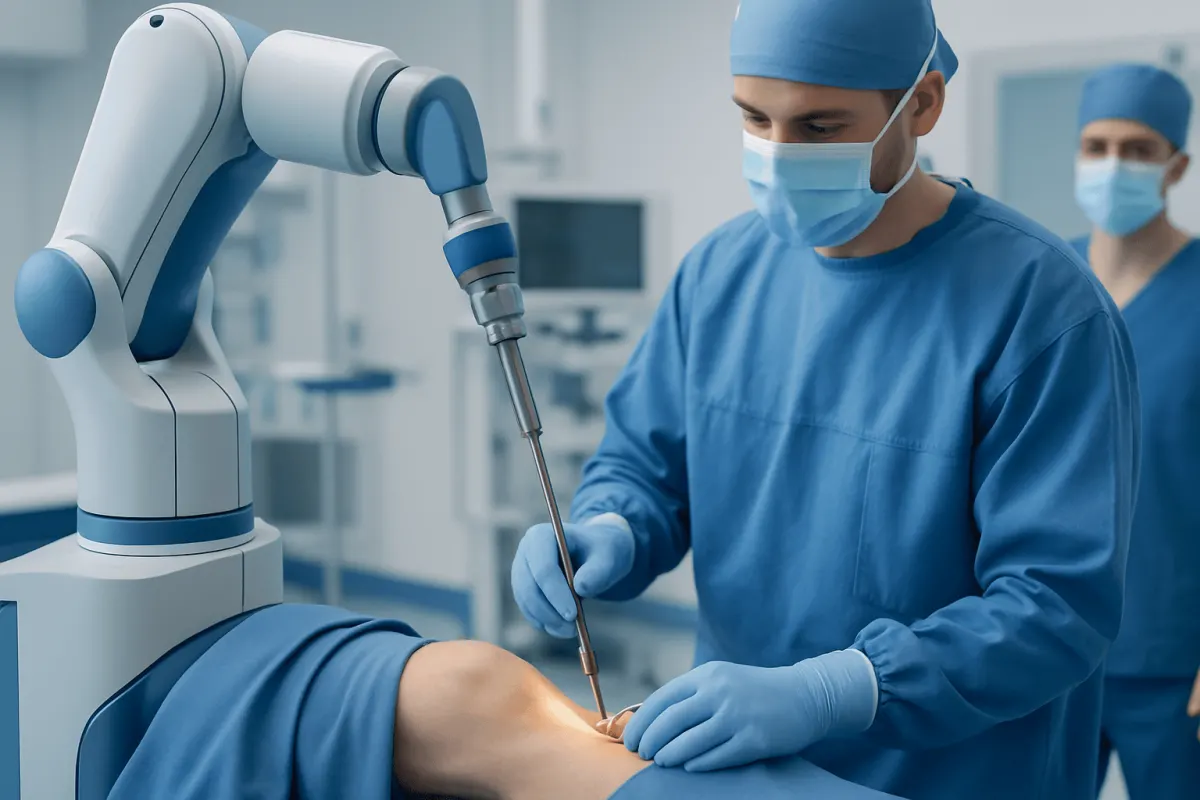
Doctors who perform SuperPATH hip replacement are orthopedic surgeons, usually hip-replacement specialists, who have completed dedicated training and gained experience with this specific surgical approach. Suitability depends on the person’s hip condition, anatomy, overall health, and the surgeon’s assessment—not on the approach alone.
Overview: Who performs SuperPATH hip replacement?
Doctors who perform SuperPATH hip replacement are orthopedic surgeons who specialize in hip arthroplasty (hip replacement) and have received specific education and practical experience in the SuperPATH technique. A person considering this operation should look for a surgeon who regularly evaluates and performs total hip replacement, explains whether SuperPATH is appropriate for their individual case, and is comfortable discussing other surgical approaches.
SuperPATH stands for Supercapsular Percutaneously Assisted Total Hip. It is one approach for placing a total hip replacement through a smaller, tissue-sparing surgical pathway. The goal is to reach the hip joint while limiting disruption to certain muscles and tendons around it. It does not mean that surgery is minor, risk-free, or suitable for every person who needs a hip replacement.
Hip replacement is commonly considered when pain and loss of mobility from conditions such as Joint Replacement Options" class="ahp-ilk">hip osteoarthritis no longer respond adequately to non-surgical care. The most appropriate operation is chosen after a careful discussion of symptoms, imaging, medical history, bone quality, activity needs, and realistic recovery goals.
What happens during the SuperPATH procedure?
During total hip replacement, the surgeon removes damaged portions of the hip joint and replaces them with artificial components. These typically include a cup-shaped socket component, a liner, a ball component, and a stem placed within the upper thigh bone. The components may be fixed with or without bone cement, depending on clinical factors and implant selection.
In a SuperPATH procedure, the surgeon uses an approach designed to access the hip capsule through the upper part of the hip region while preserving selected surrounding soft tissues where possible. Specialized instruments and surgical planning are used to prepare the bone and position the components. The exact incision length, surgical steps, and precautions can differ between surgeons and patients.
Like other hip replacement approaches, SuperPATH may be performed with spinal, general, or combined anesthesia. Early walking with support is often encouraged when it is medically safe. However, discharge timing and activity progression should follow the treating team’s guidance, particularly for people with other medical conditions or limited support at home.
Choosing a surgeon and deciding whether SuperPATH is suitable
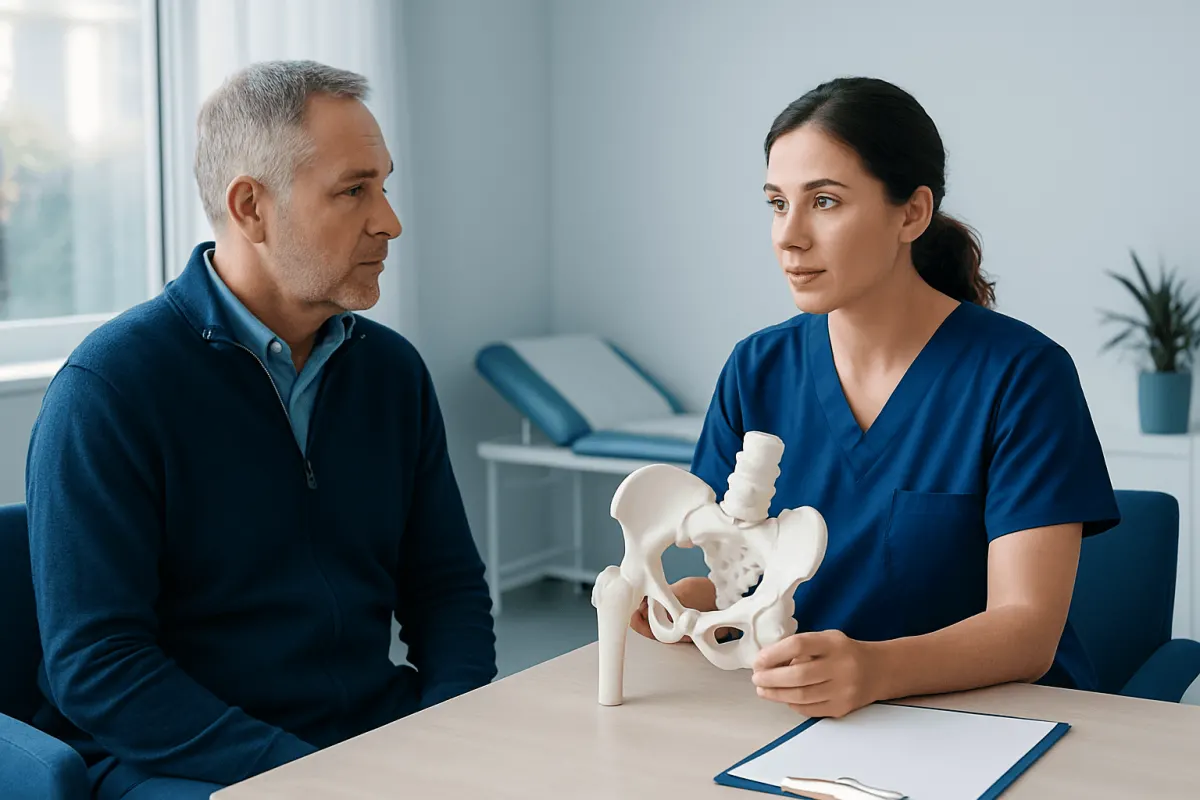
A good consultation focuses on fit rather than on a single named technique. The orthopedic surgeon reviews X-rays and, when needed, other imaging to confirm the source of pain and the degree of joint damage. They also consider previous hip operations, bone deformity, fracture history, body size, muscle condition, infection risk, spinal alignment, and conditions that may affect anesthesia or rehabilitation.
Useful questions include whether the surgeon has specific SuperPATH training, how often they perform total hip replacement and this approach, which patients may not be suitable, and what alternatives they recommend. It is also reasonable to ask how the surgical team manages infection prevention, blood clot prevention, pain control, physiotherapy, and follow-up care.
Some patients may be better served by another established approach, such as anterior, posterior, or lateral hip replacement. The quality of surgical planning, correct implant positioning, appropriate implant selection, and well-supported rehabilitation are more important than selecting an approach based only on a small incision or a promise of rapid recovery.
- Ask for an individualized explanation of benefits and limitations.
- Discuss prior surgery, allergies, medications, and medical conditions openly.
- Make sure postoperative support, mobility aids, and rehabilitation plans are in place.
How painful is SuperPATH recovery?
SuperPATH recovery can involve pain and soreness, as with any total hip replacement. Some people experience less early soft-tissue discomfort than they might with other approaches, but this cannot be predicted reliably for every patient. Pain is influenced by the extent of joint disease, the complexity of surgery, preoperative pain levels, anxiety, sleep, overall health, and the individual healing response.
Modern hip replacement care commonly uses a multimodal pain-control plan. This may include regional or spinal anesthesia, non-opioid medicines when appropriate, limited use of stronger pain medicines when needed, cold therapy, early movement, and guidance from rehabilitation professionals. A doctor tailors the plan to medical history, kidney and stomach health, bleeding risk, and other medications.
Pain should generally become more manageable over time rather than steadily worsen. New severe pain, increasing redness or drainage around the wound, calf pain or swelling, fever, chest pain, or shortness of breath should not be assumed to be normal recovery symptoms and requires prompt medical assessment.
How long does it take to recover from a SuperPATH hip replacement?
Many people stand and take assisted steps on the day of surgery or the following day, depending on their health and the care plan. The first few weeks are usually focused on safe walking, wound healing, reducing swelling, regaining independence with daily activities, and steadily improving hip movement. A walking aid may be needed temporarily.
Recovery is not completed when a person leaves hospital. Improvement often continues over several months as strength, endurance, balance, and confidence return. Some people resume selected light activities within weeks, while returning to demanding work, longer walks, sports, or unrestricted daily routines may take longer. The surgeon and physiotherapist should give personalized timelines.
Following rehabilitation instructions matters regardless of the surgical approach. Structured physical therapy can help restore movement, muscle control, and safe function. Patients should avoid comparing their progress too closely with another person’s, because recovery after hip replacement is individual.
What are people saying about SuperPATH hip replacement surgery?
Patient reports about SuperPATH hip replacement are mixed, as they are for all joint replacement methods. Some people describe early walking, reduced muscle soreness, or a positive experience with a smaller incision. Others report discomfort, fatigue, stiffness, sleep disturbance, or a slower-than-expected return to normal activities during the first stages of healing.
Personal stories can be helpful for understanding practical aspects of recovery, but they cannot predict an individual outcome. Online reviews may not describe the patient’s diagnosis, surgical complexity, implant type, rehabilitation access, or medical conditions. They also may not include people who had neutral experiences or needed longer follow-up.
Studies comparing surgical approaches have reported potential early recovery differences in selected groups, but evidence continues to develop and results are not uniform. A balanced discussion with an experienced hip surgeon should include the possible advantages, uncertainties, known risks, and outcomes expected for the individual rather than relying on testimonials alone.
Is SuperPATH the best hip replacement?
SuperPATH is not universally the best hip replacement approach. It can be a reasonable option for appropriately selected patients when performed by a surgeon with relevant expertise, but no single approach is best for everyone. The safest and most effective choice is the one that fits the patient’s anatomy, diagnosis, health needs, and surgeon’s ability to perform it well.
All total hip replacements carry potential risks, including infection, blood clots, bleeding, fracture, nerve or blood vessel injury, dislocation, leg-length differences, persistent pain, implant loosening, and the possible future need for revision surgery. A tissue-sparing approach does not remove these risks. Careful preparation and follow-up remain essential.
For advanced hip joint damage, hip replacement surgery may provide major improvement in pain and everyday function when non-surgical measures have not been sufficient. The surgeon can explain whether SuperPATH or a different technique offers the most sensible balance of benefits and risks for the person’s situation.
When to seek medical care
Medical review is appropriate when hip pain persists, worsens, causes a limp, interrupts sleep, limits work or self-care, or does not improve with sensible measures such as activity modification, physiotherapy, and clinician-guided pain management. An orthopedic assessment can clarify whether symptoms arise from the hip joint, the lower back, muscles, tendons, or another cause.
Urgent assessment is needed after a fall or injury if there is severe hip pain, inability to bear weight, deformity, numbness, or sudden loss of movement. After hip replacement, patients should contact their surgical team promptly for worsening wound redness, warmth, swelling, drainage, fever, uncontrolled pain, or a sudden change in function. Chest pain, fainting, or shortness of breath requires emergency care.
Acıbadem Health Point’s multidisciplinary specialists and JCI-accredited hospitals diagnose and treat hip conditions for international patients, including assessment, surgery when appropriate, and rehabilitation planning. A qualified orthopedic team can help patients weigh all suitable treatment options and prepare safely for recovery.
Frequently asked questions
01What kind of doctor performs SuperPATH hip replacement?
SuperPATH hip replacement is performed by an orthopedic surgeon who specializes in hip replacement or adult reconstructive joint surgery. The surgeon should have specific training and practical experience in the SuperPATH approach, as well as broad experience with total hip replacement.
02Is SuperPATH a type of hip implant?
No. SuperPATH describes a surgical approach used to access the hip during total hip replacement. The implant components are selected separately based on the patient’s anatomy, bone quality, diagnosis, and the surgeon’s clinical judgment.
03Can everyone have SuperPATH hip replacement?
No. Suitability depends on factors such as hip anatomy, the severity and pattern of joint damage, previous surgery, bone health, body habitus, and overall medical condition. Another hip replacement approach may be more appropriate for some patients.
04How soon can a person walk after SuperPATH surgery?
When medically appropriate, many patients begin standing and taking assisted steps on the day of surgery or the next day. The exact timing depends on anesthesia, pain control, balance, medical conditions, and the surgeon’s rehabilitation plan.
05Does a smaller incision mean a faster full recovery?
Not necessarily. A smaller incision may be associated with less visible scarring and may reduce some soft-tissue disruption, but full recovery also depends on healing, muscle strength, rehabilitation, complications, and preoperative health. It is important to follow the individualized recovery plan.
06What should a patient ask a SuperPATH surgeon?
Patients can ask about the surgeon’s training and experience, whether they are a suitable candidate, the expected benefits and limitations, and alternatives to SuperPATH. They should also ask about pain management, blood clot prevention, rehabilitation, follow-up, and warning signs after surgery.
This article is for general information only and is not a substitute for professional medical advice. Please consult a qualified doctor about your individual situation.
Joint and spine care in Turkey — expert assessment & treatment
JCI-accredited · board-certified surgeons · reply within 24h
Add us as a Preferred Source to see more of our trusted health content across Google Search, AI Overviews and Discover.