Which Countries Are Best for Herniated Disc Surgery Abroad?
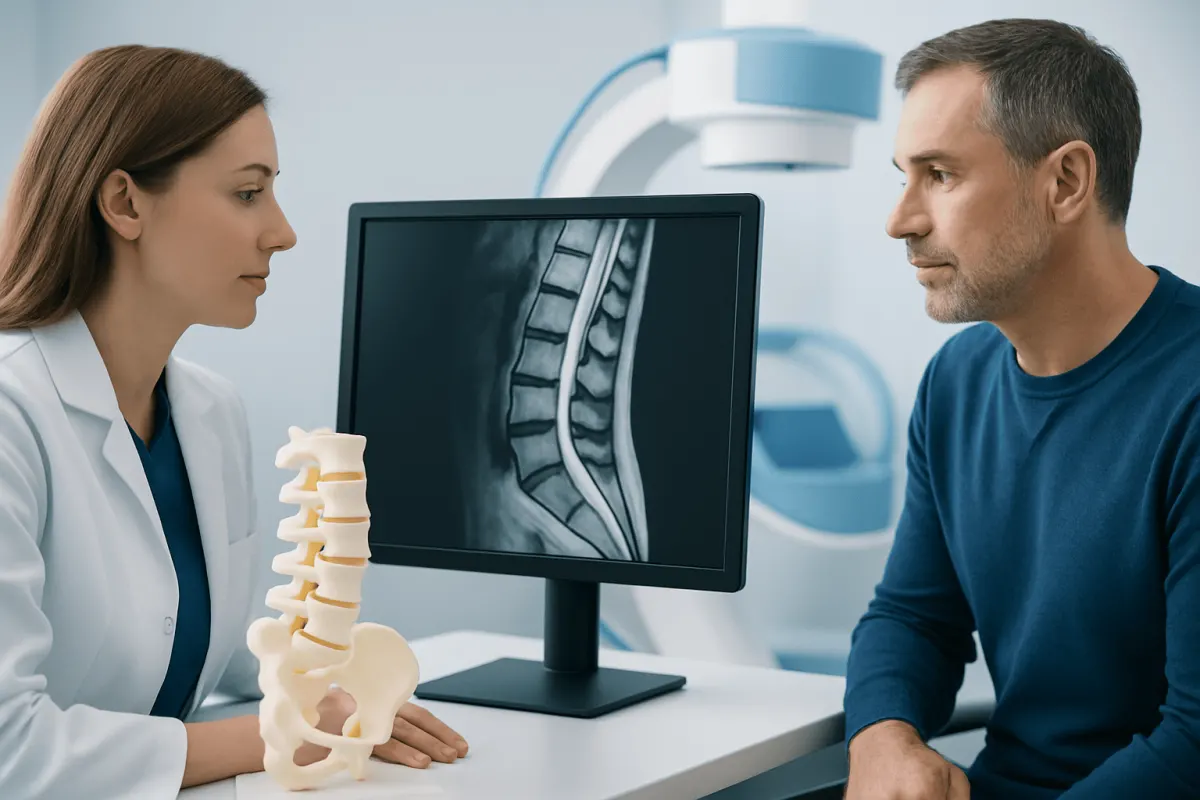
The best countries for herniated disc surgery medical tourism are not defined by a single ranking. A safe choice depends on accredited hospital standards, an experienced multidisciplinary spine team, appropriate surgical indications, transparent communication and a practical plan for recovery and follow-up at home.
Best Countries for Herniated Disc Surgery Medical Tourism: How to Choose Safely
The best countries for herniated disc surgery medical tourism are those that can provide safe, evidence-based spine care from assessment through recovery—not simply those that are popular travel destinations. Patients should look for internationally recognized hospital accreditation, surgeons with focused spine expertise, modern imaging and anesthesia services, robust infection-control practices, and clear follow-up arrangements before traveling.
Herniated disc surgery may help selected people whose disc material presses on a spinal nerve and causes persistent sciatica, weakness or loss of function. It is not necessary for every disc herniation, because many improve over time with guided non-surgical care. A responsible international program should confirm that surgery is appropriate for the individual rather than treating an MRI finding alone.
For patients considering care abroad, the most useful question is often: “Which hospital and team can safely manage my specific problem and support me after I return home?” A destination should be evaluated through clinical quality, communication, travel readiness and continuity of care. Spine surgery evaluation and treatment should begin with a thorough review by a qualified specialist.
Understanding Herniated Discs and When Surgery May Help
Between the bones of the spine are discs that act as cushions. A disc herniation occurs when part of the softer inner disc material pushes through or beyond its outer layer. In the lower back, this can irritate or compress a nerve root, causing pain that travels from the back into the buttock, leg or foot. This pattern is often called sciatica.
Symptoms can include burning or shooting leg pain, tingling, numbness, muscle weakness and difficulty with certain movements. The location of symptoms depends on the nerve involved. For example, an L4-L5 disc herniation commonly affects the L5 nerve root, which may cause pain or altered sensation along part of the outer leg and top of the foot, though symptoms vary.
Most patients start with non-surgical management, such as remaining gently active as advised, physical therapy, suitable pain relief and, in some cases, image-guided injections. Surgery may be considered when disabling leg symptoms persist despite appropriate conservative treatment, when progressive weakness develops, or when imaging findings match the person’s symptoms and examination. A related diagnosis may be reviewed through herniated disc information.
The goal of surgery is usually to relieve nerve pressure and improve leg symptoms. It may not eliminate every episode of back pain, particularly if pain is related to disc degeneration, joint changes or muscle deconditioning as well as the herniation.
How to Compare Countries, Hospitals and Spine Teams

No country can be declared universally safest or best for every patient. Healthcare quality differs between hospitals within the same country, and the right destination depends on the procedure required, the person’s health needs, language preferences, travel distance and access to follow-up care. Patients should compare programs using objective standards rather than advertisements or testimonials alone.
Useful indicators include recognized hospital accreditation, transparent surgeon credentials, a dedicated spine service, access to neurosurgery and orthopedics, experienced anesthesia and intensive-care support when needed, and documented systems for preventing infection and blood clots. It is also important that the hospital can manage unexpected complications rather than relying on another facility.
Before committing, patients should ask who will perform the operation, how often that team performs the proposed procedure, whether a second specialist opinion is available, and how the diagnosis has been confirmed. They should receive an understandable explanation of expected benefits, alternatives, limitations and possible complications. A program should never pressure a person to choose surgery without adequate review time.
- Request a written treatment plan based on MRI images, radiology reports and clinical symptoms.
- Ask about accreditation, infection prevention, anesthesia assessment and emergency services.
- Confirm the language of consent forms, discharge summaries and communication with the clinical team.
- Arrange follow-up with a local physician or physiotherapist before travel where possible.
- Check travel insurance terms, including coverage for planned care and unexpected complications.
How Herniated Disc Surgery Works: Candidacy and Procedure Steps
The most common operation for a lumbar disc herniation causing sciatica is a discectomy, often performed as a microdiscectomy. The surgeon removes the part of the disc that is pressing on the nerve while preserving as much normal tissue as possible. Depending on the anatomy and clinical situation, the procedure may be performed with magnification through a small incision, with minimally invasive techniques, or through another approach chosen by the surgical team.
Good candidates generally have symptoms and examination findings that correspond to the level and side of the herniation seen on imaging. Persistent leg-dominant pain, nerve-related weakness or numbness, and reduced quality of life despite non-surgical treatment can support consideration of surgery. The decision also accounts for general health, medications, smoking status, previous spine operations and the person’s goals.
Before surgery, the team reviews imaging, performs a neurological examination and assesses anesthesia safety. During the procedure, anesthesia is given, the patient is positioned carefully, and the surgeon accesses the affected area of the spine. Small amounts of bone or ligament may occasionally be adjusted to safely reach the nerve. The herniated disc fragment is removed, the nerve is checked for decompression, and the incision is closed.
Not every herniated disc needs the same operation. Fusion surgery is generally reserved for selected circumstances, such as spinal instability, significant slippage of one vertebra or certain repeat cases, rather than being routine for a first uncomplicated disc herniation. A careful consultation helps ensure that the least extensive effective procedure is considered.
What Is the Most Successful Herniated Disc Surgery?
For a well-selected patient with a lumbar disc herniation causing sciatica, lumbar microdiscectomy or discectomy is one of the most established surgical options for relieving leg pain caused by nerve compression. “Most successful” does not mean that one procedure is right for everyone; success depends on correct diagnosis, matching symptoms to imaging findings, surgical technique, rehabilitation and individual health factors.
Microdiscectomy is designed to remove the disc fragment pressing on the nerve. Its main expected benefit is improvement in radiating leg pain, often sooner than would be expected with continued non-surgical care alone in appropriately selected patients. Numbness and weakness can recover more gradually, and complete recovery is not always possible, especially when nerve compression has been severe or prolonged.
Other approaches, including endoscopic discectomy, may be suitable in certain centers and for particular disc locations. Their appropriateness depends on the anatomy, surgeon experience and clinical evidence, rather than incision size alone. A surgeon should explain why a specific technique is recommended and what alternatives are reasonable.
Spinal fusion may be beneficial in selected complex cases but involves a different recovery profile and should not be assumed to be superior for a straightforward disc herniation. Patients considering surgery abroad should seek a team that discusses both operative and non-operative options openly.
How Risky Is L4 L5 Surgery?
L4-L5 surgery is commonly performed, but like all operations it has risks. The level itself is not automatically more dangerous than other lumbar levels; the individual risk depends on the procedure, the exact anatomy, overall health, smoking status, body weight, diabetes, previous surgery and whether there is spinal instability or another complicating condition.
Possible complications of lumbar discectomy include infection, bleeding, a tear in the covering around the nerves (dural tear), blood clots, reactions to anesthesia, persistent symptoms, recurrent disc herniation and, rarely, new nerve injury. Serious complications are uncommon, but they should be discussed in a personalized way during informed consent.
The potential benefits include relief of nerve-related leg pain, improved mobility and prevention of further nerve damage in some urgent situations. Surgery may be less predictable for low back pain without clear nerve compression. Patients should ask how the proposed operation addresses their specific symptoms and what recovery is realistically expected.
Risk can be reduced by a preoperative medical assessment, careful medication review, smoking cessation where possible, following instructions about fasting and activity, and participating in postoperative rehabilitation. A reputable international center also provides clear instructions for seeking help after discharge and after travel home.
Recovery, Travel Planning and Self-Care After Surgery
Recovery varies according to the procedure, the severity and duration of nerve symptoms, and each person’s general health. After an uncomplicated discectomy, many patients are encouraged to stand and walk relatively soon under the team’s guidance. Hospital stay may be brief, but this does not mean recovery is complete; tissues and nerves need time to heal.
In the first weeks, the care team may advise gradual walking, avoiding heavy lifting and following instructions on bending, twisting, wound care and driving. A structured rehabilitation plan can help restore movement, core strength and confidence. The pace of return to desk work, physical work, sport and long-distance travel should be individualized.
Medical tourists should not schedule immediate long-haul travel after surgery. The surgeon should determine when flying is appropriate, taking into account mobility, wound healing, pain control and clot-prevention needs. During approved travel, patients may be advised to move regularly, stay hydrated and follow any prescribed preventive measures.
Before leaving the destination, patients should obtain operative notes, imaging reports, medication lists, a discharge summary, details of implants if used, and direct contact information for postoperative questions. Acıbadem Health Point’s multidisciplinary specialists and JCI-accredited hospitals can assess and treat spine conditions for international patients, with coordinated planning for diagnosis, surgery and recovery.
When to Seek Medical Care
Prompt medical assessment is important for severe or worsening pain, new or progressive leg weakness, or numbness that interferes with walking and daily activity. A clinician can determine whether symptoms are likely caused by a disc herniation, another spinal condition or a non-spinal problem, and can advise on appropriate imaging and treatment.
Urgent medical care is needed for new loss of bladder or bowel control, inability to urinate, numbness around the genitals or inner thighs, rapidly worsening weakness, fever with severe back pain, or symptoms following significant trauma. These signs can indicate a condition requiring immediate evaluation.
Patients planning surgery abroad should also seek medical advice before travel if they have heart or lung disease, diabetes, a history of blood clots, use blood-thinning medicines, are pregnant, or have other conditions that may affect anesthesia or recovery. The safest travel plan is one made jointly with the treating surgical team and the patient’s usual healthcare professional.
Frequently asked questions
01What country is the safest for surgery?
There is no single country that is safest for every type of surgery or every patient. Safety is best assessed at the hospital and care-team level by reviewing accreditation, surgeon qualifications, anesthesia and emergency services, infection-prevention practices, and follow-up arrangements. Patients should also consider whether they can safely travel and access care after returning home.
02Which country is the best for spine surgery?
The best country for spine surgery depends on the patient’s diagnosis, the operation being considered, travel needs and access to a qualified spine team. Rather than relying on a country ranking, patients should compare accredited hospitals with dedicated spine specialists and transparent clinical processes. A second opinion can help confirm whether surgery and the proposed destination are appropriate.
03How risky is L4 L5 surgery?
L4-L5 surgery has potential risks, including infection, bleeding, anesthesia-related problems, recurrent disc herniation and persistent or new nerve symptoms. The individual level of risk depends on the type of operation, medical history, anatomy and prior spine surgery. A surgeon can explain the likely benefits and risks in the context of the patient’s MRI findings and symptoms.
04What is the most successful herniated disc surgery?
For selected patients with lumbar disc herniation and nerve-related leg pain, microdiscectomy or discectomy is a well-established procedure. It is intended to remove disc material that is compressing a nerve and is generally most helpful for leg pain rather than back pain alone. The best procedure depends on the specific spinal findings and the patient’s overall condition.
05Who is a candidate for herniated disc surgery?
Candidates may include people with persistent disabling sciatica despite appropriate non-surgical treatment, progressive weakness, or symptoms that closely match a disc herniation on imaging. Urgent surgery may be considered for certain serious nerve symptoms. A spine specialist should assess the person’s examination, scans, health history and treatment goals before recommending an operation.
06How long should a patient stay abroad after herniated disc surgery?
The appropriate length of stay depends on the procedure, recovery progress, wound condition and the distance of travel. Patients should remain under the treating team’s care until they are medically cleared for travel and have a safe plan for the journey. Long-distance flights should not be booked without specific approval from the surgical team.
This article is for general information only and is not a substitute for professional medical advice. Please consult a qualified doctor about your individual situation.
Joint and spine care in Turkey — expert assessment & treatment
JCI-accredited · board-certified surgeons · reply within 24h
Add us as a Preferred Source to see more of our trusted health content across Google Search, AI Overviews and Discover.