When Does Implantation Occur?

Key Takeaways
- Implantation typically occurs about 6 to 12 days after ovulation, most often around day 8 to 10.
- Light spotting or mild cramping can happen, but many people notice no symptoms at all.
- A pregnancy test usually becomes more reliable after a missed period, not immediately after implantation.
- Tracking ovulation can help estimate timing, but it cannot confirm implantation on its own.
- Persistent pain, heavy bleeding, or uncertainty about pregnancy should be discussed with a clinician.
Implantation is the step when a fertilized egg attaches to the uterine lining, allowing pregnancy to develop. It usually happens about a week after ovulation, but the exact timing can vary from person to person.
Overview
Implantation is one of the earliest milestones in pregnancy. After an egg is fertilized in the fallopian tube, the developing embryo travels toward the uterus and attaches to the uterine lining, known as the endometrium. Once that attachment begins, the body starts producing pregnancy hormones that support early development.
For many people, the most practical question is not what implantation is, but when does implantation occur. The usual window is about 6 to 12 days after ovulation, although the exact day can shift depending on cycle length, ovulation timing, and how quickly the embryo reaches the uterus. Because this stage happens quietly, it is often a matter of timing rather than a clearly felt event.
Understanding implantation can be helpful when trying to interpret early symptoms, plan pregnancy testing, or make sense of a cycle that feels different from usual. It also helps set realistic expectations: implantation is an early biological process, not a moment that can always be confirmed by sensation alone.
What Happens During Implantation
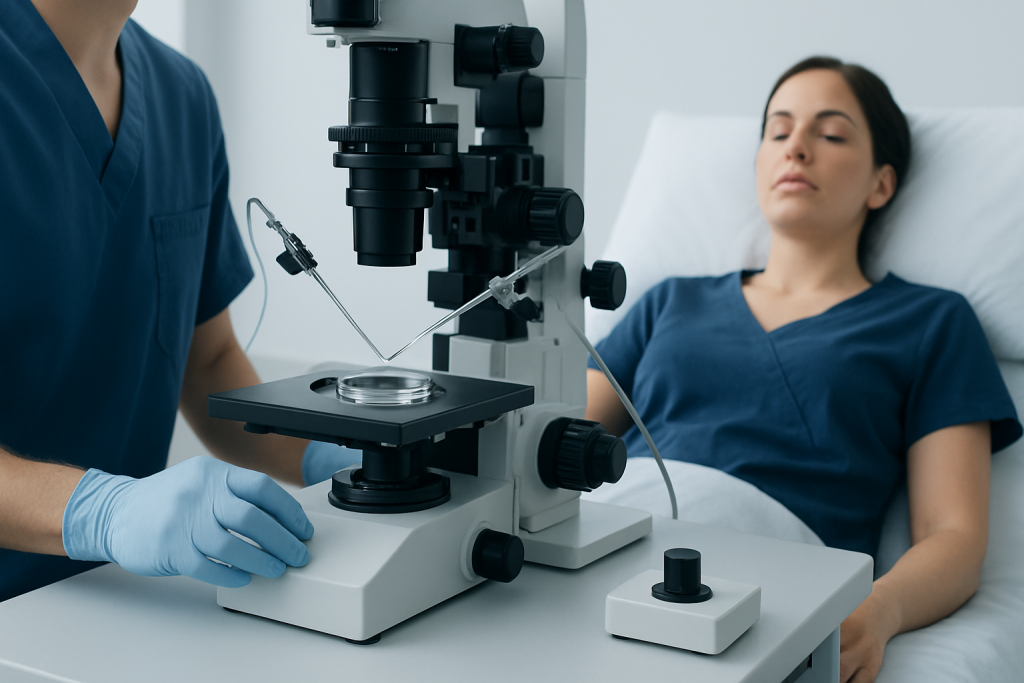
After fertilization, the embryo keeps dividing as it moves through the fallopian tube. By the time it reaches the uterus, it is ready to interact with the uterine lining, which has been prepared by hormones after ovulation. If conditions are right, the embryo attaches to the lining and begins to embed itself more securely.
This process is important because it establishes the connection that allows the pregnancy to continue. The placenta will later develop from this relationship between the embryo and the uterine tissue, supporting oxygen and nutrient exchange. In the very earliest stage, however, implantation is simply the embryo settling into a receptive lining.
There is no single universal moment when implantation can be pinpointed in every cycle. Some people may conceive a little earlier or later in the fertile window, and embryos may also implant at different times within the normal range. That variation is one reason early pregnancy dates are usually estimated rather than known with certainty.
Timing: When Implantation Usually Occurs

In a typical cycle, ovulation happens around the middle of the cycle, though not always on day 14. Fertilization can occur within a short time after ovulation if sperm are already present in the reproductive tract. Implantation usually follows several days later, most often between 6 and 12 days after ovulation.
Many clinicians describe 8 to 10 days after ovulation as a common implantation window. That said, cycle length, ovulation shifts, and embryo development can all influence timing. For someone with irregular cycles or uncertain ovulation, it may be difficult to know whether a symptom is related to implantation or to another part of the cycle.
People who are tracking fertility often use ovulation predictor kits, basal body temperature, or cycle apps to estimate this window. These tools can provide useful clues, but none of them can confirm implantation directly. Only a pregnancy test taken at the right time, and sometimes a follow-up blood test, can begin to clarify what is happening.
Possible Signs and Symptoms
Some people notice mild changes around the time of implantation, while others feel nothing unusual. Possible signs may include light spotting, often called implantation bleeding, or mild lower abdominal cramping. These changes are usually brief and mild, and they do not occur in every pregnancy.
Spotting related to implantation is generally lighter than a normal menstrual period and may appear pink or brown rather than bright red. Cramping, if present, is usually short-lived and less intense than typical period pain. Because these symptoms overlap with premenstrual changes, they are not a dependable way to confirm pregnancy.
Other early pregnancy symptoms such as breast tenderness, fatigue, nausea, or a heightened sense of smell may develop later as hormone levels rise. The timing of these symptoms varies widely. A person who is waiting for a pregnancy result may find it helpful to remember that the presence or absence of symptoms does not reliably predict the outcome.
- Light spotting or staining
- Mild cramps or pelvic twinges
- Breast tenderness
- Fatigue
- Small changes in body temperature or cervical mucus
Causes & Risk Factors
Implantation depends on several pieces falling into place at the same time. An egg must be released, sperm must be available for fertilization, the embryo must develop normally enough to continue traveling, and the uterine lining must be receptive. If any of these steps are delayed or disrupted, implantation may not occur as expected.
Factors that can influence implantation timing or the chance of successful implantation include age, underlying fertility conditions, hormonal imbalance, uterine abnormalities, and lifestyle factors that affect overall reproductive health. In assisted reproduction, timing may also be influenced by embryo transfer day and the specific treatment protocol used by the fertility team.
It is important to note that a person cannot usually control implantation directly. Even with careful cycle tracking and healthy habits, implantation remains a natural biological process with some variation. When implantation does not occur, it is not always possible to identify one clear cause.
Diagnosis and Pregnancy Testing
There is no home test that detects implantation itself. Instead, pregnancy testing looks for human chorionic gonadotropin, or hCG, a hormone produced after implantation begins. This is why testing too early can lead to a negative result even when pregnancy has started.
Urine pregnancy tests are usually more reliable after a missed period, when hormone levels have had time to rise. Blood tests can detect pregnancy earlier and may be used when timing is uncertain, symptoms need clarification, or fertility treatment requires closer monitoring. A healthcare professional may recommend repeat testing if the first result is unclear.
For people who have tracked ovulation closely, it may be tempting to test soon after the expected implantation window. While understandable, early testing can create unnecessary confusion. A more dependable approach is to follow the instructions on the test and, when needed, seek medical advice for interpretation.
Treatment Options and What Happens Next
Implantation itself does not require treatment. If pregnancy is confirmed, the next steps usually involve prenatal planning, medication review, and an early consultation with a clinician to discuss health history and any special risks. If pregnancy is not confirmed, the focus shifts to understanding the cycle, reviewing timing, and planning for future attempts if desired.
In fertility care, the approach may differ because timing is being monitored closely. A doctor may schedule blood work, ultrasound checks, or follow-up appointments to assess whether the embryo has implanted and how the early pregnancy is progressing. In these settings, the goal is not to force implantation, but to support the best possible conditions and monitor the result safely.
For Myomectomy Recovery for International Patients: The Usual Travel Timeline" class="ahp-ilk">international patients considering fertility evaluation or treatment, continuity of care matters. If travel is involved, it helps to have clear timing plans, local follow-up options, and a way to share prior test results with the treating team. Acibadem Health Point’s multidisciplinary specialists and JCI-accredited hospitals diagnose and treat this condition for international patients, with care arranged around the needs of those traveling from abroad.
Prevention & Self-care
There is no guaranteed way to prevent implantation problems, but general reproductive health supports the conditions needed for a healthy cycle. People trying to conceive are often advised to maintain a balanced diet, sleep regularly, manage stress in practical ways, and avoid smoking or recreational drugs. Moderating alcohol use and discussing prescribed medications with a doctor can also be important.
Cycle tracking can be useful when trying to understand timing, especially for those with irregular periods or prior fertility concerns. Keeping notes on ovulation signs, period dates, and test results can help a clinician interpret the pattern more accurately. This information can be especially valuable when care is being coordinated across countries or between clinics.
Self-care also means protecting emotional well-being during the waiting period after ovulation or embryo transfer. The days before a pregnancy test can feel long, and it is normal to want certainty quickly. Gentle routines, realistic expectations, and a clear plan for when to test can make that time more manageable.
When to See a Doctor
Most questions about implantation can wait for routine advice, but certain symptoms deserve medical attention. Heavy bleeding, severe one-sided pelvic pain, dizziness, fainting, or pain that worsens rather than improves should be assessed promptly. These symptoms do not always mean something serious, but they should not be ignored.
It is also wise to speak with a clinician if periods are very irregular, if there have been repeated early pregnancy losses, if pregnancy tests remain confusing, or if conception has not occurred after a period of trying. A doctor can help review timing, check for hormonal or structural issues, and suggest the most appropriate next steps.
For people traveling for fertility or early pregnancy evaluation, arranging follow-up before returning home can reduce stress and avoid gaps in care. A clear plan for test interpretation, emergency contact, and local follow-up can make the process smoother and safer.
Frequently asked questions
01When does implantation occur after ovulation?
Implantation usually occurs about 6 to 12 days after ovulation, with many people falling around day 8 to 10. The exact timing can vary from cycle to cycle. Because ovulation is not always easy to pinpoint, the window is an estimate rather than a fixed date.
02Can implantation be felt?
Some people report mild cramping or light spotting, but many feel nothing at all. These symptoms are not specific to implantation and can also happen before a period. For that reason, implantation usually cannot be confirmed by sensations alone.
03How soon after implantation will a pregnancy test be positive?
Pregnancy tests detect hCG, which rises after implantation. A test may turn positive several days later, but results are more reliable after a missed period. Testing too early can produce a false negative.
04What does implantation bleeding look like?
If it occurs, implantation bleeding is usually light spotting rather than a full flow. It may look pink or brown and tends to be brief. Heavy bleeding or severe pain should be discussed with a doctor.
05Is implantation the same thing as conception?
Not exactly. Conception generally refers to fertilization, when sperm and egg combine. Implantation happens later, when the embryo attaches to the uterine lining and pregnancy can begin to develop.
06What if I do not have any implantation symptoms?
That is completely normal. Many pregnancies begin without noticeable implantation signs. The absence of symptoms does not mean implantation did not occur.
This article is for general information only and is not a substitute for professional medical advice. Please consult a qualified doctor about your individual situation.
IVF & fertility treatment in Turkey — success rates and costs
JCI-accredited · board-certified surgeons · reply within 24h
Add us as a Preferred Source to see more of our trusted health content across Google Search, AI Overviews and Discover.