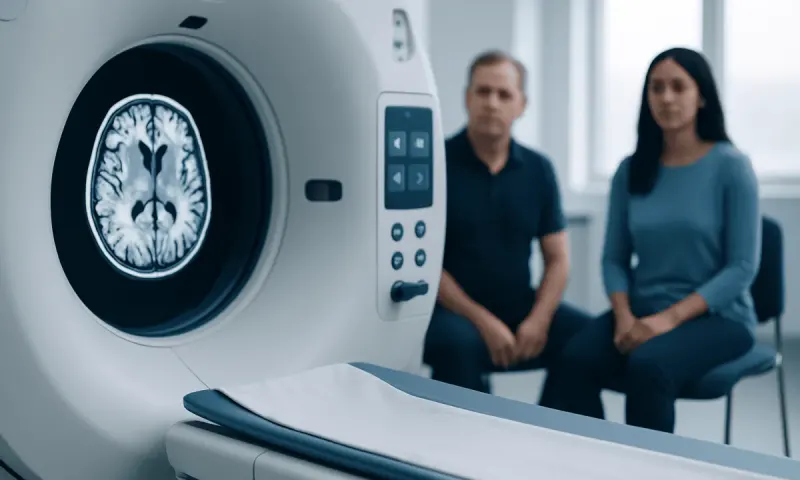
When Does a Fetus Develop a Brain During Pregnancy?
A fetus begins developing the earliest structures of the brain and nervous system at about 3 weeks after conception, often before a person knows they are pregnant. Brain development is a gradual process that continues through pregnancy and well after birth, rather than a single event.
When does a fetus develop a brain?
A fetus starts to develop the earliest foundations of the brain at around 3 weeks after conception, which is approximately 5 weeks from the first day of the last menstrual period in standard pregnancy dating. At this stage, a flat group of cells folds into the neural tube, the structure that later develops into the brain and spinal cord. This happens very early, often before pregnancy has been recognized.
Brain development does not occur at one precise moment. The early brain structure takes shape during the first trimester, nerve cells are produced and begin moving into position over the following weeks, and connections between cells become increasingly complex throughout pregnancy. Development also continues rapidly during infancy and childhood.
For most people, learning this timeline is reassuring: early brain formation is a normal part of embryonic development, and routine prenatal care is designed to support maternal health and monitor fetal growth. When a scan or screening result raises a question, it does not automatically mean that there is a serious problem; clinicians use follow-up assessment to clarify what has been seen.
A practical timeline of fetal brain development
During weeks 3 to 4 after conception, the neural plate folds and closes to form the neural tube. The upper part becomes the developing brain, while the lower part becomes the spinal cord. Proper closure is important, which is why folic acid is recommended before pregnancy and during early pregnancy.
By about 5 to 6 weeks after conception, early brain areas are beginning to form. These areas eventually develop into structures responsible for functions such as movement, sensation, vision, balance, breathing, sleep, memory, emotion, and thinking. At this stage, the embryo is very small, and development is occurring rapidly at a cellular level.
Across the second trimester, the brain grows quickly and becomes more organized. Nerve cells, called neurons, continue to develop, migrate to appropriate locations, and begin forming networks. Ultrasound examinations performed during this period can assess many aspects of fetal anatomy, including the head, brain structures, and spine.
In the third trimester, the brain continues to increase in size and complexity. The surface develops more folds, and neural connections supporting sensory processing and later learning become more established. Although some reflexes and responses can be observed before birth, fetal brain maturation remains ongoing and is not equivalent to the mature abilities of a newborn, child, or adult.
What supports healthy brain development in pregnancy?

Many factors contribute to healthy fetal development, and no pregnancy can be controlled perfectly. A balanced diet, regular prenatal appointments, avoiding tobacco and recreational drugs, and discussing all medicines and supplements with a clinician are sensible measures. People should not stop prescribed medication suddenly without medical advice, because untreated health conditions can also create risks during pregnancy.
Folic acid is particularly important in the period before conception and early in pregnancy because neural tube closure happens so soon. A healthcare professional can advise on an appropriate supplement and whether a higher dose may be recommended due to personal medical history, certain medicines, diabetes, or a previous pregnancy affected by a neural tube defect.
Managing long-term health conditions, including diabetes, thyroid disease, epilepsy, and high blood pressure, is also part of good preconception and prenatal care. Vaccinations advised during pregnancy can help protect the pregnant person and baby from infections that may be harmful. Healthcare teams can provide individualized guidance according to health history, location, and stage of pregnancy.
- Attend recommended antenatal visits and screening appointments.
- Take prenatal supplements only as advised by a qualified clinician.
- Avoid alcohol, smoking, vaping nicotine, and non-prescribed drugs.
- Seek advice before using over-the-counter medicines, herbal products, or supplements.
- Follow food-safety guidance to reduce the risk of certain infections.
How doctors assess fetal brain development
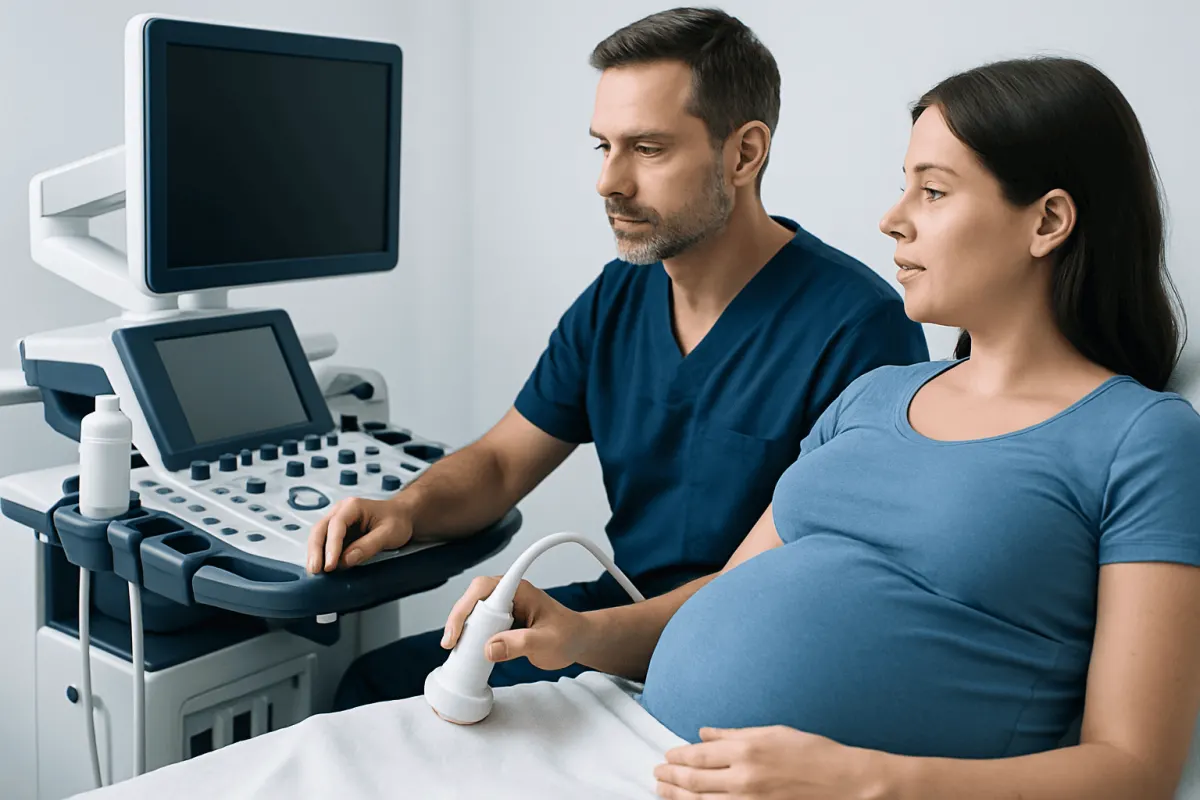
Routine prenatal care usually includes ultrasound examinations at selected points in pregnancy. An early scan may confirm the location and timing of a pregnancy, while the detailed anatomy scan in the second trimester evaluates many fetal structures. The clinician considers the appearance of the head, brain, spine, growth measurements, amniotic fluid, placenta, and other findings together.
If an ultrasound view is incomplete or a possible difference is seen, a repeat ultrasound may be recommended. This is common and can occur simply because fetal position, gestational age, body shape, or technical factors limit the images obtained. A specialist in maternal-fetal medicine may perform a more detailed assessment when needed.
In selected circumstances, fetal magnetic resonance imaging may provide additional information about brain anatomy. Genetic screening or diagnostic testing may also be discussed if there are ultrasound findings, a relevant family history, or other clinical reasons. These tests have different purposes and limitations, so informed discussion with an obstetric clinician or genetic counselor is important.
Some findings are ultimately normal variations or resolve as the pregnancy progresses. Others may need closer monitoring, delivery planning, or specialist support after birth. The medical team should explain what is known, what remains uncertain, and the next most appropriate step.
Possible concerns and risk factors
Most fetal brain development follows the expected pattern. However, doctors may investigate further when there is a family history of certain genetic conditions, exposure to particular infections or substances, poorly controlled maternal health conditions, or an unusual finding on prenatal imaging. Having a risk factor does not mean that a problem will occur; it simply helps the care team decide whether additional support or testing may be useful.
Neural tube defects are conditions in which the neural tube does not close properly early in development. Examples include spina bifida and anencephaly. Folic acid lowers the chance of neural tube defects, but it cannot prevent every case. These conditions may be detected through prenatal screening, ultrasound, and, where appropriate, further testing.
Changes in brain size or structure can have many explanations, and ultrasound findings should be interpreted by experienced clinicians rather than in isolation. For example, a measurement that differs from expected ranges may be related to pregnancy dating, normal variation, fetal growth patterns, or a condition requiring further evaluation. Reliable answers come from appropriate follow-up, not from online images or symptom searches alone.
When to seek medical care
Anyone who is pregnant or may be pregnant should arrange prenatal care as soon as possible. This is especially important when there is a previous pregnancy affected by a neural tube defect, a known genetic condition in the family, use of medicines for a long-term condition, or a health issue that needs monitoring. Early appointments create time to review supplements, medicines, screening options, and individual risk factors.
Prompt medical advice is needed for vaginal bleeding, severe or persistent abdominal or pelvic pain, fever, fainting, severe vomiting with inability to keep fluids down, fluid leaking from the vagina, or any sudden concern about pregnancy wellbeing. Later in pregnancy, reduced or changed fetal movements should be assessed according to the instructions provided by the maternity team.
These symptoms do not necessarily indicate a fetal brain problem, and many have treatable or non-serious causes. However, they should not be self-diagnosed. A doctor or maternity service can assess the situation, arrange an examination or ultrasound if appropriate, and provide clear next steps.
Questions to discuss at prenatal appointments
It can help to prepare questions before a prenatal visit. People may wish to ask how pregnancy dates were calculated, what the recommended screening tests assess, when the detailed anatomy ultrasound will take place, and whether any medicines or supplements need to be changed. Bringing a list of current prescriptions, non-prescription medicines, vitamins, and herbal products supports safer care.
If a scan identifies an unexpected result, helpful questions include whether the view was complete, whether the finding needs confirmation, what further tests might add, and when results are expected. It is reasonable to ask for an explanation in plain language and to request support from a maternal-fetal medicine specialist, pediatric specialist, or genetic counselor when indicated.
Acıbadem Health Point’s multidisciplinary specialists and JCI-accredited hospitals can assess prenatal concerns and coordinate appropriate obstetric, imaging, genetic, and newborn care for international patients. Decisions about testing and treatment should always be made with a qualified clinician who knows the individual’s pregnancy history and current health.
Frequently asked questions
01When does the fetal brain start developing?
The earliest brain and nervous system structures begin developing at around 3 weeks after conception. In standard pregnancy dating, this is about 5 weeks after the first day of the last menstrual period. Development then continues throughout pregnancy and after birth.
02Is the brain fully developed by the end of pregnancy?
No. The fetal brain grows and becomes increasingly organized during pregnancy, especially in the final trimester, but maturation continues after birth. Early childhood is also an important period for brain growth and the development of neural connections.
03Can an ultrasound show the fetal brain?
Yes, prenatal ultrasound can evaluate many brain and head structures, particularly during the detailed anatomy scan in the second trimester. Image quality and the amount of information available depend on gestational age, fetal position, and other factors. A follow-up scan or specialist assessment may be advised if views are limited or clarification is needed.
04Why is folic acid important before pregnancy?
Folic acid helps reduce the risk of neural tube defects, which occur very early in embryonic development. Because neural tube closure can happen before pregnancy is recognized, healthcare professionals commonly recommend folic acid before conception and during early pregnancy. Individual supplement advice should come from a clinician.
05Can stress affect fetal brain development?
Everyday stress is common during pregnancy and does not mean that fetal brain development has been harmed. Persistent anxiety, depression, trauma, or overwhelming stress deserves support because the wellbeing of the pregnant person matters. A doctor, midwife, or mental <a href="https://www.acibademhealthpoint.com/blog/how-to-choose-a-mental-health-professional-psychiatrist-psychologist-or-therapist/" title="How to Choose a Mental Health Professional: Psychiatrist, Psychologist, or Therapist?" class="ahp-ilk">health professional can help identify practical and safe <a href="https://www.acibademhealthpoint.com/blog/tremor-treatment-options-medicines-injections-and-brain-stimulation/" title="Tremor Treatment Options: Medicines, Injections, and Brain Stimulation" class="ahp-ilk">treatment options.
06What happens if a prenatal scan finds a brain difference?
A scan finding usually leads to a careful review rather than an immediate conclusion. The clinician may recommend another ultrasound, a specialist fetal medicine assessment, fetal MRI, or genetic counseling depending on the finding and stage of pregnancy. They can explain the possible meanings, the uncertainty involved, and available support.
This article is for general information only and is not a substitute for professional medical advice. Please consult a qualified doctor about your individual situation.
Joint and spine care in Turkey — expert assessment & treatment
JCI-accredited · board-certified surgeons · reply within 24h
Add us as a Preferred Source to see more of our trusted health content across Google Search, AI Overviews and Discover.