When Do Females Stop Developing?

Key Takeaways
- Physical growth does not end all at once; height, puberty, hormones, and brain maturation follow different timelines.
- Most girls reach their adult height within a few years after puberty begins, but timing varies widely.
- Nutrition, sleep, chronic illness, and hormonal conditions can affect development.
- Concerns about delayed or early development are best discussed with a qualified doctor.
- A medical evaluation can help distinguish normal variation from an underlying endocrine or reproductive issue.
Females usually stop physical height growth a few years after puberty begins, often in the mid-to-late teens, but different parts of development finish at different times. Emotional, hormonal, and brain development continue into the early 20s and can vary from person to person.
Overview
When do females stop developing? In simple terms, girls and young women do not all finish development at the same age, because different parts of the body mature on different schedules. Physical height growth usually slows and ends a few years after puberty begins, while hormonal maturity, menstrual regularity, and brain development may continue well into the late teens and early 20s.
For many families, the question comes up during a period of comparison: one teen may seem to grow quickly, while another appears to change more gradually. That variation is often normal. What matters most is whether development follows a healthy pattern over time, not whether it matches a sibling, classmate, or online timeline.
From a medical point of view, “development” includes more than appearance. It can refer to puberty, bone growth, reproductive maturity, body composition, and even emotional regulation. Because of that, a doctor looks at several clues together before deciding whether a girl is progressing normally.
Symptoms and Signs of Normal Development
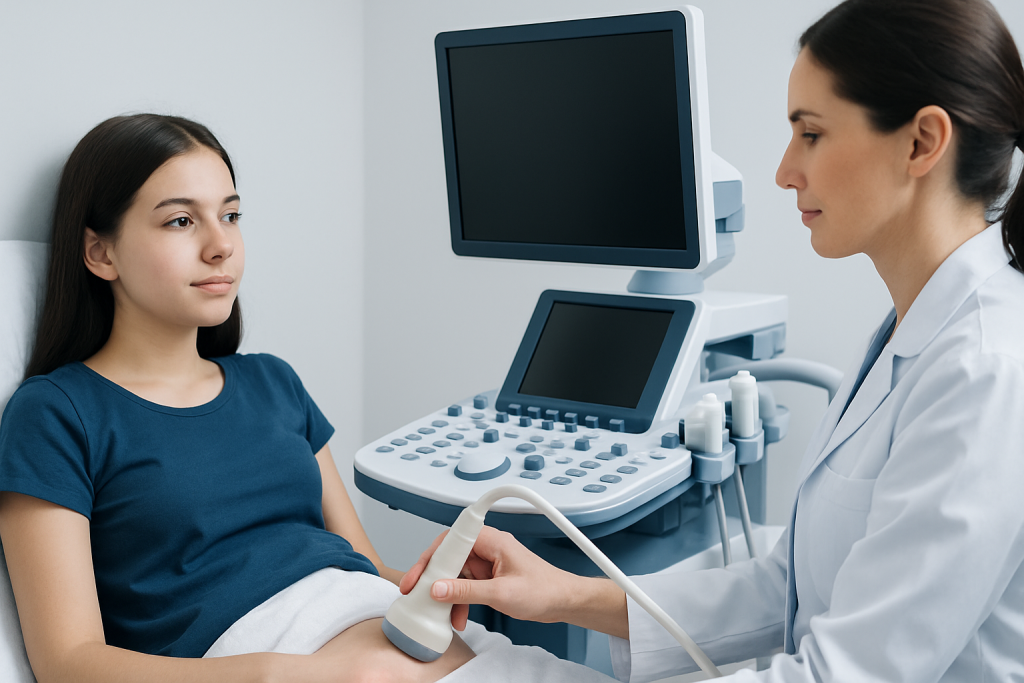
Normal female development often begins with breast budding, followed by growth of pubic and underarm hair, a growth spurt, and later the start of menstrual periods. These changes usually unfold gradually rather than all at once. The order can vary, and some healthy girls develop a little earlier or later than their peers.
After menstruation begins, height growth often continues for a while, but it usually slows over the next one to three years. At the same time, cycles may be irregular in the first months or even longer, because the hormonal system is still finding its rhythm. That does not necessarily mean something is wrong.
Common signs that development is proceeding within a typical range include steady growth over time, pubertal changes that appear in sequence, and no major symptoms such as severe fatigue, unexplained weight change, or persistent absence of periods once cycles should be established. A pediatrician or gynecologist can help interpret what is normal for a specific age and stage.
Causes, Genetics, and Risk Factors

The timing of female development is influenced strongly by genetics. If parents or close relatives matured early or later than average, similar timing may occur in the next generation. Ethnic background, body composition, and general health can also affect when puberty starts and ends.
Nutritional status matters as well. The body needs adequate energy, protein, iron, vitamin D, and other nutrients to support growth and hormone production. Very low body weight, restrictive eating, intense athletic training, or chronic undernutrition can delay puberty or interrupt menstrual cycles.
Some medical conditions can also alter the pace of development. These include thyroid disorders, polycystic ovary syndrome, pituitary or ovarian problems, celiac disease, inflammatory bowel disease, and certain chronic illnesses. In some cases, medications or longstanding stress can also influence hormone balance and growth patterns.
Risk factors for atypical development include:
- Family history of early or late puberty
- Very low or very high body weight
- Chronic illness or repeated hospitalizations
- Excessive exercise without enough nutrition
- Hormonal or genetic conditions
How Doctors Evaluate Growth and Puberty
Doctors usually begin with a detailed history: when breast development started, when periods began, how quickly height has changed, and whether there are symptoms such as headaches, acne, hair growth changes, or pelvic pain. Growth charts are especially useful because they show the pattern over time, not just a single measurement.
A physical examination may help the clinician estimate pubertal stage and assess general health. If needed, tests can include blood work to look at thyroid function, reproductive hormones, iron status, or other markers. In some situations, a bone age X-ray is used to see how mature the bones are compared with a child’s calendar age.
When development seems unusually early, delayed, or interrupted, doctors may also consider imaging or specialist referral. For families traveling internationally for care, it is often helpful to bring past growth records, lab results, and menstrual history, because these details can shorten the path to an accurate assessment.
Treatment Options
There is no single treatment for “development,” because treatment depends on the reason a child or teen is developing earlier, later, or differently than expected. If the pattern is normal, reassurance and monitoring may be all that is needed. When an underlying condition is present, the goal is to treat that condition rather than the development itself.
Examples include supporting nutrition in undernourished teens, managing thyroid disease, addressing excess androgen symptoms in polycystic ovary syndrome, or treating chronic illness that is limiting growth. In select cases of delayed puberty or early puberty, an endocrinologist may discuss hormone-based therapy, but that decision is highly individualized and based on age, exam findings, and test results.
For international patients, the treatment plan often includes coordination between pediatric endocrinology, gynecology, radiology, and nutrition specialists. At Acibadem Health Point, multidisciplinary specialists and JCI-accredited hospitals evaluate and treat this condition for international patients, with follow-up planning designed to support continuity of care after travel.
Prevention and Self-care
Not every aspect of development can be prevented or controlled, but families can support healthy growth by focusing on the basics. Regular meals, adequate protein, calcium-rich foods, iron-containing foods, good sleep, and age-appropriate physical activity all support normal hormonal and bone development.
It is also important to avoid overinterpreting online growth charts or comparing one child’s timeline to another’s. Puberty can be earlier or later and still be healthy. What deserves attention is a pattern that seems to stop, stall, or race ahead unexpectedly.
For teens who are managing care across borders, keeping a simple health folder can be helpful. Include dates of the first breast changes, first period, changes in height, medications, and any prior test results. This record can make remote consultations and in-person visits much more efficient.
- Prioritize balanced nutrition and regular sleep
- Avoid smoking, vaping, and substance use
- Seek help for eating concerns or excessive exercise
- Track periods and growth over time
- Follow up if symptoms change suddenly
When to See a Doctor
Medical advice is appropriate if puberty has not started by the expected age range, if periods have not begun several years after breast development, or if growth seems to have stopped very early. A doctor should also be consulted if a teen has very irregular cycles for a prolonged time, severe acne or excess hair growth, pelvic pain, or signs of a hormonal disorder.
Earlier evaluation is wise when there is rapid change, such as very early breast development, sudden growth acceleration, or behavior and appetite changes that seem linked to a health problem. It is equally important to seek care if a girl has a chronic condition that might affect growth, such as diabetes, thyroid disease, inflammatory bowel disease, or celiac disease.
Families do not need to wait for a crisis to ask questions. A calm, structured review by a qualified clinician can help clarify whether the timeline is normal, whether more testing is needed, and what to expect next.
Living With Uncertainty About Development
Questions about body changes can be especially sensitive for adolescents and parents, because they often involve privacy, identity, and concern about future fertility or height. Clear information usually helps reduce anxiety. In many cases, a teen who seems “behind” is simply following a slower but normal path.
Still, if the timeline feels confusing, it is reasonable to ask for a professional opinion rather than relying on guesswork. Doctors can explain whether growth plates are still open, whether hormone patterns are typical, and whether any monitoring is needed over the next months or years.
Understanding when females stop developing is less about a fixed birthday and more about recognizing a range of normal human development. With the right evaluation, most families can move from uncertainty to a clearer, safer plan.
Frequently asked questions
01When do females stop developing physically?
Physical development does not end at one exact age. Height growth usually slows and stops a few years after puberty begins, often during the mid-to-late teens, but timing varies widely.
02Do girls keep developing after their first period?
Yes. Many girls continue to grow for a while after their first period, and other changes such as cycle regularity and body maturation may continue afterward. The first period is one milestone, not the final step.
03Can puberty be normal if it starts earlier or later than friends?
Yes. Puberty can begin earlier or later and still fall within a healthy range. Doctors look at the overall pattern, family history, and growth over time rather than comparing one child with another.
04What can delay female development?
Low body weight, poor nutrition, intense exercise, chronic illness, thyroid problems, and some hormonal conditions can delay puberty or growth. A doctor can help identify whether a delay is normal variation or a medical issue.
05When should a teenager see a doctor about delayed development?
A medical review is sensible if puberty has not started by the expected age range, if periods have not begun after other pubertal changes, or if growth seems to have stopped unusually early. A qualified clinician can decide whether testing is needed.
06Does brain development continue after puberty?
Yes. Brain maturation, especially areas related to judgment, planning, and emotional regulation, continues into the early 20s. That is one reason teens may still be developing even after physical puberty is well underway.
This article is for general information only and is not a substitute for professional medical advice. Please consult a qualified doctor about your individual situation.
Hair transplant in Turkey — costs, graft counts & a free assessment
JCI-accredited · board-certified surgeons · reply within 24h
Add us as a Preferred Source to see more of our trusted health content across Google Search, AI Overviews and Discover.