When Can You Smoke After Wisdom Teeth Removal?
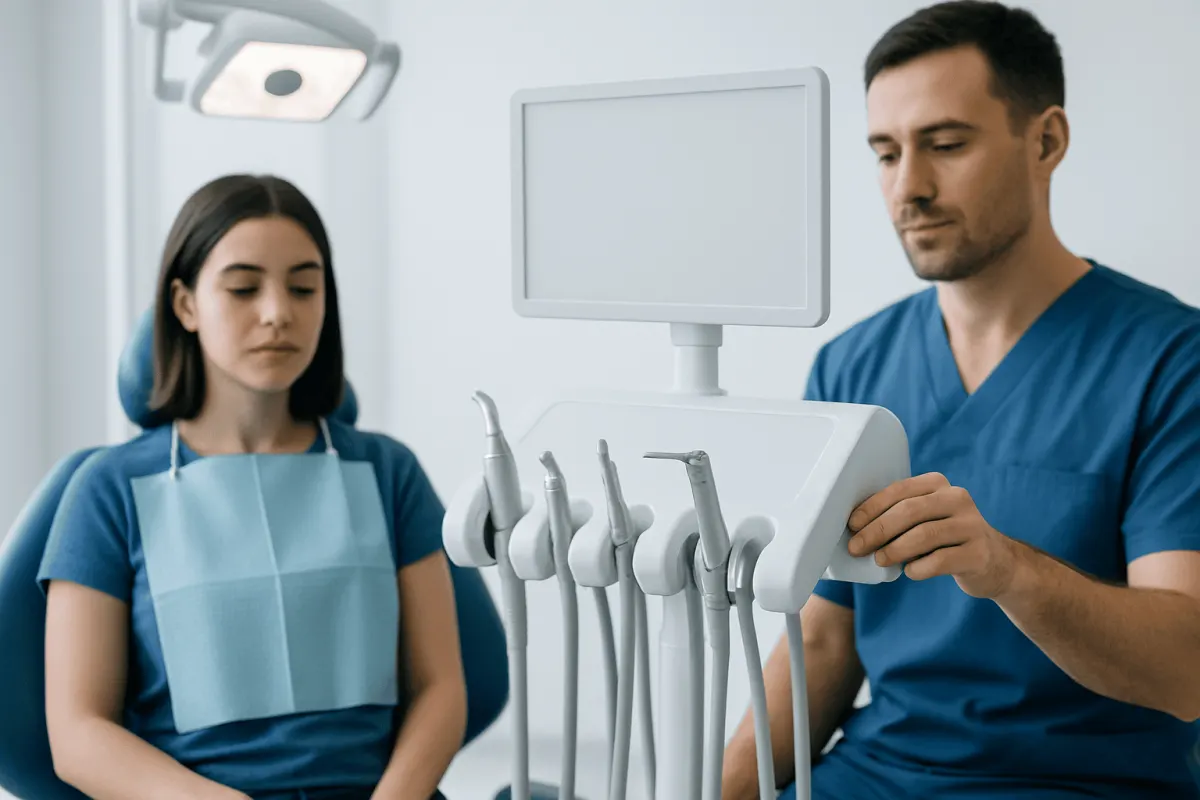
After Wisdom Teeth Removal: Procedure and Recovery" class="ahp-ilk">wisdom teeth removal, it is best to avoid smoking and vaping for at least 72 hours; many dental professionals recommend waiting a full week whenever possible. Smoke, vapor, nicotine and the suction used to inhale can disturb the protective blood clot and slow healing.
Overview: When Can You Smoke After Wisdom Teeth Removal?
After wisdom teeth removal, patients should avoid smoking for at least 72 hours. Waiting around 7 days is preferable when possible, especially after a difficult extraction or surgical removal. The oral surgeon’s individual instructions should take priority, as healing needs can vary.
Smoking after wisdom tooth removal may interfere with the blood clot that forms in the empty socket. This clot is an important natural covering for bone and nerve tissue while the gum heals. Cigarette smoke, nicotine, heat and the suction created during inhalation can all make healing less predictable.
Online discussions about when can you smoke after wisdom teeth removal reddit may offer different timelines, but personal experiences are not a substitute for postoperative advice. A dentist or oral surgeon can give the safest recommendation based on the number of teeth removed, the complexity of the procedure and the patient’s health history.
Why Smoking Affects Healing After Wisdom Tooth Extraction
Once a tooth is removed, bleeding normally slows as a blood clot develops in the socket. The clot protects the underlying tissues and supports the first stage of repair. Drawing on a cigarette can create negative pressure in the mouth, which may loosen or dislodge the clot before the wound is stable.
Tobacco smoke also exposes healing tissues to heat and chemicals that can irritate the surgical area. Nicotine narrows blood vessels, which can reduce blood flow to tissues that need oxygen and nutrients for repair. These effects can contribute to slower healing, increased inflammation and a higher chance of postoperative complications.
One possible complication is dry socket, medically called alveolar osteitis. It happens when the socket loses its protective clot too early or the clot breaks down, leaving deeper tissues exposed. It is not inevitable, but avoiding smoking is one of the practical steps that can reduce the risk.
People who use nicotine regularly may find the pause difficult. They should discuss support options with their dentist, physician or pharmacist before the procedure if possible. Nicotine replacement products are not automatically suitable immediately after oral surgery, so individualized advice is important.
Can I Still Smoke and Not Get Dry Socket?

It is possible for someone to smoke after an extraction and not develop dry socket, but there is no safe way to predict this outcome. Smoking is a recognized risk factor because it combines inhalation suction with smoke exposure and nicotine-related effects on circulation. Not developing a problem after smoking once does not mean the practice is low risk.
The chance of dry socket may also be affected by the difficulty of the extraction, infection or inflammation around the tooth, oral hygiene, use of oral contraceptives and previous history of dry socket. Lowering avoidable risks remains worthwhile even when other factors cannot be changed.
For the most reliable protection, patients should not smoke during the first 72 hours and should extend the break to about a week if they can. They should also avoid straws, forceful spitting and vigorous mouth rinsing early in recovery, since these can similarly disturb the clot.
Can I Hit a Vape After Wisdom Teeth Removal?
Vaping is not a safe alternative during the early healing period. Whether the device contains nicotine or not, inhaling from a vape involves suction that may disrupt the clot. Vapor and flavoring chemicals may also irritate the extraction area.
For this reason, the advice on when can you smoke vape after wisdom teeth removal is generally the same as for cigarettes: avoid it for at least 72 hours, with a longer pause of about 7 days preferred if the oral surgeon recommends it. Cannabis smoking or vaping has similar concerns because it also involves heat, inhalation and suction.
Edible cannabis products may not involve suction, but they are not automatically appropriate after surgery. They can interact with prescribed medicines, affect judgment and make it harder to follow aftercare instructions. Patients should ask their treating clinician before using any cannabis product during recovery.
What If I Smoked 2 Days After Extraction?
Smoking 2 days after extraction can raise the risk of dry socket and delayed healing, but it does not mean a complication will definitely occur. The most helpful next step is to stop smoking and vaping from that point forward, follow the aftercare plan carefully and monitor the area for changes.
Patients should avoid trying to inspect or touch the socket with fingers, their tongue or objects. They should take prescribed or recommended pain medicines only as directed, eat soft foods, drink water and keep the mouth clean using the instructions provided by the dental team. Gentle salt-water rinsing is often advised after the first 24 hours, but it should be done without vigorous swishing.
Increasing pain after initial improvement, pain that spreads toward the ear or jaw, an unpleasant taste or odor, or a socket that appears empty can be signs that need dental review. Prompt treatment can relieve symptoms and support healing if dry socket develops.
Will Gauze Prevent Dry Socket While Smoking?
No. Biting on gauze while smoking does not reliably prevent dry socket. Gauze can help control bleeding immediately after an extraction when used as instructed, but it does not remove the suction forces created by smoking or protect the socket from nicotine, heat and smoke chemicals.
Smoking through gauze may also cause the material to become damp, move out of position or stick to the healing area. It should not be used as a workaround for returning to cigarettes earlier than advised. Patients should replace gauze only according to their surgeon’s directions and avoid sleeping with gauze in the mouth because of choking risk.
If bleeding restarts, the dental team may advise placing clean gauze over the site and applying steady pressure for a specified period. Persistent bleeding, large blood clots or bleeding that does not improve with the clinician’s recommended measures should be reported promptly.
Supporting Recovery and Reducing Risk
Following the oral surgeon’s written instructions is the best way to support recovery after wisdom teeth surgery. This commonly includes resting on the day of surgery, choosing cool or lukewarm soft foods, maintaining hydration and avoiding strenuous exercise for the period advised. Alcohol should also be avoided, particularly while taking pain medicine or antibiotics.
To protect the extraction sites, patients should avoid straws, spitting forcefully and aggressive rinsing during early healing. Toothbrushing can usually continue, but the surgical areas should be approached gently. The clinician may recommend a specific rinse or explain when gentle salt-water rinses can begin.
It may help to prepare for the nicotine break in advance by removing cigarettes and vaping devices from easy reach and asking a clinician about cessation support. If a patient is considering dental treatment abroad or needs follow-up after a procedure, continuity of care and clear postoperative instructions are especially important.
Acıbadem Health Point’s multidisciplinary specialists and JCI-accredited hospitals diagnose and treat dental concerns for international patients, including assessment of postoperative symptoms when clinically appropriate.
When to Seek Medical Care
Patients should contact their dentist or oral surgeon if pain becomes severe, starts worsening after initially improving, or is not controlled by the recommended treatment plan. A bad taste, foul odor, visible loss of the clot, increasing swelling or difficulty opening the mouth may also require assessment.
Urgent medical care is needed for trouble breathing or swallowing, rapidly expanding swelling of the face or neck, heavy bleeding that does not settle, fainting, or signs of a serious allergic reaction such as widespread hives or facial swelling. Fever or feeling increasingly unwell should also be discussed promptly with a clinician.
Most extraction discomfort improves gradually over several days. Patients who are unsure whether their symptoms are part of normal recovery should contact the dental office rather than relying on online advice alone.
Frequently asked questions
01How soon can you smoke after wisdom teeth removal?
Patients should avoid smoking for at least 72 hours after wisdom teeth removal. Waiting about 7 days is preferable when possible because the socket and blood clot are more established. The oral surgeon may recommend a longer interval after a complex surgical extraction.
02When can you smoke again after wisdom teeth removal if the pain is gone?
Pain improving does not necessarily mean the socket has fully healed. The protective blood clot and healing tissues can still be vulnerable during the first week. Patients should follow the timeline given by their oral surgeon rather than using pain alone as the guide.
03Can I use nicotine patches after wisdom tooth extraction?
A nicotine patch does not involve mouth suction or smoke, but nicotine may still affect blood flow and healing. A dentist, physician or pharmacist can advise whether it is appropriate for an individual patient. Patients should not assume that any nicotine replacement product is risk-free immediately after surgery.
04Does smoking cause dry socket every time?
No, smoking does not cause dry socket every time, but it meaningfully increases the risk. The risk comes from suction, smoke exposure and nicotine’s effects on healing. Avoiding smoking is the safest approach during early recovery.
05Can I smoke one cigarette 72 hours after wisdom tooth extraction?
Seventy-two hours is often described as the minimum waiting period, not a guarantee that smoking is safe. Waiting longer, ideally around 7 days when feasible, offers greater protection while the site heals. A patient should follow the specific advice from the clinician who performed the extraction.
06What are the signs of dry socket after wisdom teeth surgery?
Dry socket often causes increasing or intense pain a few days after extraction, sometimes spreading to the ear, temple or jaw. An unpleasant taste or odor and an empty-looking socket may also occur. A dentist or oral surgeon can confirm the cause and provide treatment to relieve symptoms.
This article is for general information only and is not a substitute for professional medical advice. Please consult a qualified doctor about your individual situation.
Explore treatments in Turkey — costs, top hospitals & a free quote
JCI-accredited · board-certified surgeons · reply within 24h
Add us as a Preferred Source to see more of our trusted health content across Google Search, AI Overviews and Discover.