

What Is Zit Inside Ear? A Complete Medical Guide

Key Takeaways
- A zit inside the ear is often a pimple, blocked pore, or inflamed follicle rather than a true acne lesion.
- Picking, squeezing, or putting objects into the ear can worsen irritation and raise the risk of infection.
- Painful, swollen, draining, or recurrent ear bumps may need an ENT evaluation to rule out boils, cysts, or ear canal infection.
- Gentle cleaning, warm compresses, and avoiding ear trauma are the safest first steps for mild cases.
- Sudden hearing changes, fever, spreading redness, or severe pain should be assessed promptly by a doctor.
A zit inside ear is usually a small blocked pore, inflamed hair follicle, or mild skin infection in or around the ear canal. Most are not serious, but pain, swelling, drainage, hearing changes, or repeated bumps deserve medical attention.
Overview
When someone searches for a zit inside ear, they are usually describing a small bump, pimple-like spot, or tender swelling in the outer ear or ear canal. In many cases, it is caused by a blocked oil gland, irritated skin, or a minor infection of a hair follicle rather than classic acne.
The ear is a delicate area with thin skin, narrow spaces, and constant exposure to earbuds, hearing devices, masks, helmets, and fingers. Because of that, a small bump can become sore quickly, and simple home care that would work on the face may be less suitable inside the ear.
Most ear bumps are manageable and temporary. The important question is not only what the bump looks like, but also whether it is painful, growing, draining, or affecting hearing. Those details help determine whether it is a harmless spot or something that needs treatment.
Symptoms
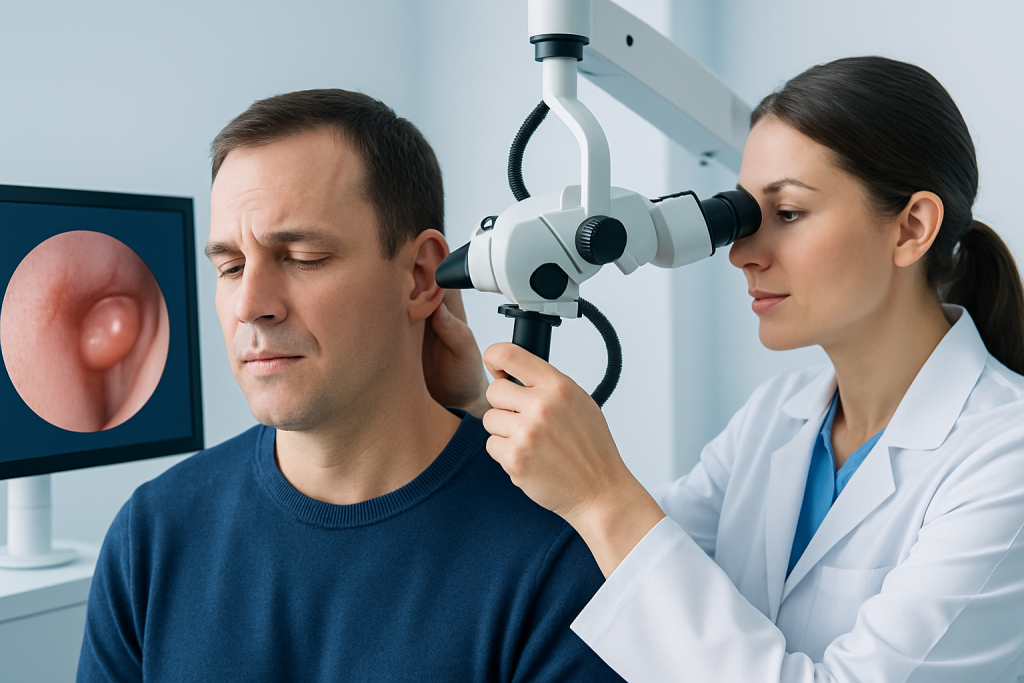
A zit inside ear may feel like a small raised bump, a pimple with a white or yellow head, or a tender spot deep in the canal. Some people notice itching first, while others feel pressure, pain when chewing, or discomfort when touching the ear.
Symptoms can vary depending on what is causing the bump. A blocked pore may be mildly sore, while an infected follicle or boil may become red, swollen, and more painful. If the ear canal is involved, the ear may also feel full or slightly blocked.
- Localized tenderness or throbbing pain
- Redness or swelling
- Drainage of clear fluid, pus, or blood-tinged fluid
- Itching or irritation
- Temporary feeling of ear fullness or reduced hearing
If the pain is severe, the swelling spreads beyond the ear, or the ear becomes difficult to move, the problem may be more than a simple pimple. In those situations, medical review is the safest next step.
Causes & Risk Factors

Several different issues can appear as a zit inside ear. The most common is a blocked pore or inflamed hair follicle, which can happen anywhere skin has oil glands and fine hairs. In the ear, these bumps may be triggered by sweat, friction, trapped moisture, or oil buildup.
Another frequent cause is irritation from devices or habits. Earbuds, hearing aids, earplugs, headphones, cotton swabs, and repeated scratching can damage the skin barrier and make infection more likely. People who pick at their ears or try to squeeze a bump often make the inflammation worse.
Less commonly, the bump may be a boil, small cyst, infected skin condition, or an outer ear infection that is spreading into the canal. In people with diabetes, eczema, or reduced immunity, even a small ear infection deserves extra attention because it can become more troublesome.
Common contributing factors include:
- Friction from earbuds, hearing aids, helmets, or masks
- Moisture trapped in the ear after swimming or sweating
- Skin conditions such as acne or eczema
- Using cotton swabs or fingernails inside the ear
- Previous ear infections or repeated irritation
Diagnosis
Doctors usually diagnose a zit inside ear by looking carefully at the ear canal and outer ear. A primary care doctor or ENT specialist will ask about pain, drainage, hearing changes, recent swimming, device use, and whether the bump has happened before.
An otoscope, a small lighted instrument, helps the clinician examine the skin of the canal and the eardrum. This matters because not every painful ear bump is a pimple; some are boils, cysts, or infections that need different treatment.
If the bump looks infected, keeps returning, or is causing hearing problems, additional evaluation may be needed. In selected cases, a doctor may collect a swab of drainage, check for an underlying skin disorder, or examine the ear more closely to make sure the eardrum and deeper canal are not involved.
Treatment Options
Treatment depends on the cause and how inflamed the area is. A small, uncomplicated bump may improve with gentle care and time, while a painful boil or infection may require prescription treatment. The main goal is to reduce irritation, prevent spread, and protect the ear canal.
For mild cases, warm compresses applied to the outer ear can help ease discomfort and encourage natural drainage. It is important not to squeeze, puncture, or scrape the area, since the narrow ear canal can be injured easily and bacteria can be pushed deeper.
When infection is suspected, a doctor may recommend ear drops, topical medication, or oral treatment depending on the findings. If there is a cyst, recurrent boil, or trapped infection, the ear may need a procedure in a clinic setting. Treatment should always be guided by a professional, especially when the bump is inside the canal rather than on the outer ear.
Situations that may call for medical treatment include:
- Marked pain or swelling
- Drainage or foul smell
- Recurrent bumps in the same place
- Reduced hearing or a blocked feeling
- Fever or spreading redness
Prevention & Self-care
The best prevention is to keep the ear skin calm and avoid unnecessary trauma. For many people, the bump starts after routine habits such as cleaning too deeply, wearing tight devices for long periods, or leaving moisture trapped after washing or swimming.
Self-care should stay gentle. The ear canal is not meant to be cleaned aggressively, and inserting cotton swabs can scratch the skin and increase infection risk. If the skin around the ear tends to become oily or irritated, a doctor can advise on safe skin care without disturbing the canal.
Helpful habits include:
- Avoid putting cotton swabs, pins, or fingers into the ear
- Dry the outer ear carefully after bathing or swimming
- Clean earbuds, hearing aids, and earphones regularly
- Take breaks from tight-fitting devices when possible
- Manage skin conditions such as eczema or acne with medical guidance
For international patients planning care abroad, it helps to bring a list of current medications, prior ear problems, and any photos of the bump if it changes over time. That can make the first consultation more efficient and reduce the chance of repeating tests unnecessarily.
When to See a Doctor
A doctor should evaluate a zit inside ear if it is very painful, keeps getting larger, or does not improve after a few days of gentle care. Medical review is also wise when the bump is deep in the canal, because what looks like a simple pimple may be an infected follicle, boil, or ear canal infection.
Prompt care is especially important if there is fever, significant swelling, discharge, hearing loss, dizziness, or redness spreading beyond the ear. These signs do not always mean something serious, but they do suggest that the area needs a closer look from a qualified clinician.
Repeated ear bumps also deserve assessment. A recurring problem can point to ongoing friction, an underlying skin condition, or a cyst that will not settle on its own. In such cases, ENT evaluation can clarify the cause and prevent the cycle from returning.
Acibadem Health Point can connect international patients with multidisciplinary specialists and JCI-accredited hospitals for diagnosis and treatment of ear conditions, including bumps and infections inside the ear.
Living With Ear Irritation While Recovering
Recovery from a minor ear bump is usually straightforward, but the area can remain sensitive for a short time. During that period, it is helpful to avoid headphones or anything that presses directly on the sore ear, and to sleep on the opposite side if possible.
If a doctor prescribes medication, it should be used exactly as directed, even if symptoms start to improve. Stopping early or switching treatments without advice can allow infection to linger and return. Follow-up may be needed if the bump was large, drained, or associated with hearing changes.
People who travel for treatment should keep the ear dry, carry medications in their original packaging, and follow the clinic’s instructions about review visits. A clear aftercare plan makes recovery easier whether the patient is at home or visiting from another country.
Related Conditions to Know
Several ear problems can resemble a zit inside ear, which is why a careful exam matters. An ear canal infection can cause swelling and discharge, while a cyst may feel like a smooth lump that returns after it seems to settle.
Outer ear skin conditions such as eczema, dermatitis, or allergic irritation from earbuds or earrings can also create bumps and redness. In some cases, a boil or abscess develops when a hair follicle becomes infected and fills with pus. These conditions may look similar at first glance but are not managed in exactly the same way.
If the bump changes quickly, the skin around it becomes hot, or the ear starts to feel blocked, a clinician can help distinguish among these possibilities and choose the safest treatment.
Frequently asked questions
01Is a zit inside the ear always acne?
No. A bump inside the ear may be a blocked pore, inflamed hair follicle, boil, cyst, or ear canal infection. Acne can happen there, but it is only one possible cause.
02Can I pop a zit inside my ear?
It is not recommended to squeeze or pop it. The ear canal is easy to injure, and squeezing can push infection deeper or worsen swelling.
03How long does a zit inside ear take to heal?
Small bumps may settle within a few days with gentle care, but infected or deeper lesions can take longer. If it is not improving or is getting worse, it should be examined by a doctor.
04What is the safest home care for a painful ear bump?
A warm compress on the outer ear and avoiding further irritation are usually the safest first steps. Cotton swabs, picking, and over-the-counter ear drops should be avoided unless a clinician says they are appropriate.
05When should ear pain with a bump be urgent?
Urgent assessment is sensible if there is fever, spreading redness, drainage, sudden hearing loss, severe pain, or dizziness. These symptoms can indicate a more significant infection that needs medical attention.
06Can earbuds cause a zit inside ear?
Yes, they can contribute by creating friction, trapping moisture, and irritating the skin. Cleaning the devices regularly and giving the ears breaks can help reduce the risk.
This article is for general information only and is not a substitute for professional medical advice. Please consult a qualified doctor about your individual situation.
Hair transplant in Turkey — costs, graft counts & a free assessment
JCI-accredited · board-certified surgeons · reply within 24h
Add us as a Preferred Source to see more of our trusted health content across Google Search, AI Overviews and Discover.


