What Is Wind Burn? A Complete Medical Guide

Key Takeaways
- Wind burn is not a true burn, but a type of irritation caused by wind, cold, and low humidity.
- Common symptoms include redness, dryness, tightness, stinging, and rough or chapped skin.
- People with sensitive skin, children, outdoor workers, winter sports enthusiasts, and travelers to cold climates may be more prone.
- Most cases improve with gentle cleansing, moisturizing, and avoiding further exposure.
- Medical advice is important if the skin is severely painful, cracked, swollen, infected, or not improving.
Wind burn is a common term for skin irritation that happens after exposure to cold, dry, windy conditions. It can leave the skin red, tight, stinging, or chapped, and it is usually managed with simple skin care and protection from the elements.
Overview
Wind burn is a familiar phrase for skin that becomes irritated after time spent in cold, windy weather. Medically, it is not a separate burn injury like a heat or chemical burn; it is more often a form of dryness and surface irritation caused by exposure to wind, low humidity, and cold air.
For many people, the face, lips, hands, and any uncovered skin are affected first. The skin may feel tight or sting, look flushed or blotchy, and later become dry or flaky. In practical terms, wind burn is the skin’s way of showing that it has lost moisture and its outer protective layer has been stressed.
This matters for travelers, too. Someone arriving for a winter trip, mountain holiday, or medical journey to a colder country may notice symptoms quickly if they are not used to the climate. Understanding wind burn helps people protect the skin before discomfort turns into cracking, sensitivity, or an irritated rash.
Although the condition is usually mild, it can be unpleasant and may worsen other skin concerns such as eczema, rosacea, or already-dry skin. A simple routine of protection and repair usually makes a noticeable difference.
Symptoms
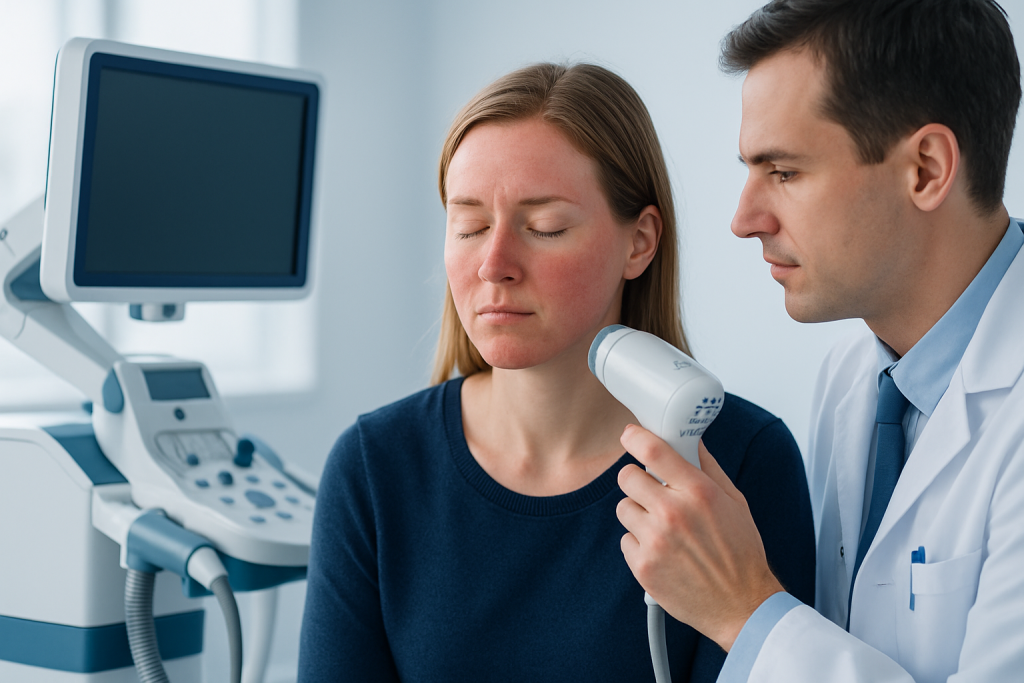
Wind burn often appears within hours of exposure, though the full effect may be more noticeable later that day or the next morning. The skin can look red, feel hot or tender, and develop a rough, dry texture. Some people describe an almost “tight mask” feeling across the cheeks or forehead.
Typical symptoms can include:
- Redness or flushed patches
- Dryness and flaking
- Stinging, burning, or tenderness
- Tightness, especially after washing
- Chapped lips
- Cracked skin in more exposed areas
In more irritated skin, mild swelling or a very sensitive sensation can occur. The discomfort may be more obvious when applying skincare products, stepping indoors into dry heated air, or washing with hot water.
Wind burn can resemble other skin problems, so context matters. For example, sunburn can look similar at first, and a flare of eczema or contact dermatitis may also cause redness and dryness. If the skin is blistering, intensely painful, or associated with spreading rash, it is worth getting a clinician’s opinion rather than assuming it is only wind exposure.
Causes & Risk Factors

Wind burn develops when wind strips away the skin’s natural moisture barrier faster than the skin can replace it. Cold air holds less moisture, and windy conditions accelerate evaporation from the skin’s surface. Indoor heating can add to the problem by making the air even drier.
The result is a stressed skin barrier. Once that barrier is weakened, irritants penetrate more easily and the skin loses water more rapidly. This is why the face often feels raw after a long day outdoors, even if the person did not notice a dramatic change while outside.
Certain factors make wind burn more likely:
- Cold, dry, and windy weather
- Long exposure outdoors without protection
- High-altitude environments and winter sports
- Frequent face washing or use of harsh cleansers
- Skin conditions such as eczema, rosacea, or psoriasis
- Naturally dry or sensitive skin
Children and older adults may also be more vulnerable because their skin can be more delicate or less resilient. For international patients traveling from a mild climate to a colder destination, the contrast in temperature and humidity can be especially noticeable during the first days of travel.
Diagnosis
Wind burn is usually identified through history and a physical examination rather than a special test. A clinician will ask about recent weather exposure, outdoor activities, use of protective clothing, and whether the person has used new skincare products or been exposed to other irritants.
The main goal is to distinguish wind-related irritation from other causes of red, sore skin. This may include sunburn, allergic reactions, eczema, infection, or frostbite in very cold conditions. The appearance of the skin, the pattern of symptoms, and the timing after exposure often provide enough information.
If symptoms are unusual or severe, further assessment may be recommended. This is especially important when there is significant swelling, broken skin, fever, pus, blistering, or pain that seems out of proportion to a simple dryness issue. In a travel or cross-border care setting, good diagnosis helps avoid unnecessary treatment and gets the person onto the most suitable recovery plan quickly.
For most people, however, the diagnosis is straightforward and based on practical observation. The useful question is often not “What test is needed?” but “How can the skin barrier be calmed and protected now?”
Treatment Options
Wind burn treatment is usually conservative and focused on supporting the skin’s repair process. The first step is to stop the exposure and give the skin a chance to recover in a warm, comfortable environment. Harsh scrubs, strong acids, and fragranced products should be paused until the skin settles.
Helpful measures often include gentle cleansing with lukewarm water, patting the skin dry instead of rubbing, and applying a bland moisturizer or barrier ointment. Products that help reduce moisture loss are often more useful than heavily perfumed creams, which can sting irritated skin.
For chapped lips or especially dry areas, a protective ointment can reduce further cracking. If the skin feels sore, a cool compress may be soothing, but very cold packs should be avoided because they can add stress to already sensitive skin.
If a person has an underlying skin condition such as eczema or rosacea, a clinician may suggest a tailored plan to settle the flare. In some cases, a doctor may recommend short-term medicinal creams if inflammation is significant, but this should be guided by professional advice rather than self-treatment.
Most wind burn improves within a few days with careful skin care. The key is consistency: rehydrating the skin barrier, avoiding repeated exposure, and resisting the urge to pick peeling skin.
Prevention & Self-care
Prevention is often simpler than repair. Before going outdoors in cold or windy weather, covering exposed skin with scarves, hats, gloves, and weather-appropriate clothing can make a major difference. A physical barrier is especially helpful for the face, ears, and hands, where skin is most exposed.
A fragrance-free moisturizer used before exposure can help support the skin barrier. Many people also do better with gentler winter skin habits: shorter showers, lukewarm water, mild cleansers, and regular moisturizing after washing. In dry indoor environments, a humidifier may help some people feel less skin tightness.
Practical self-care tips include:
- Apply a bland moisturizer before and after outdoor exposure
- Use lip balm or ointment regularly in cold weather
- Avoid over-washing the face and hands
- Choose gentle, fragrance-free skin products
- Protect the skin during skiing, hiking, cycling, or long walks
- Increase skin protection when traveling to colder or windier climates
People who travel frequently for work or care should pack a simple skin kit: moisturizer, lip balm, and a gentle cleanser. That small preparation can prevent a manageable weather exposure from becoming several uncomfortable days of cracked, sensitive skin.
When to See a Doctor
Most cases of wind burn settle with home care, but medical advice is sensible when the skin does not improve or when the symptoms look more serious than simple dryness. A clinician can help confirm the cause and rule out conditions that need different treatment.
It is a good idea to seek care if there is severe pain, swelling, blistering, open cracks that will not heal, or signs of infection such as increasing redness, warmth, pus, or fever. Medical input is also helpful if the rash spreads beyond the exposed area or if the person has a history of sensitive skin and is unsure whether this is wind burn, eczema, or an allergic reaction.
People with chronic skin conditions may benefit from earlier review, especially if repeated exposure is triggering flares. International patients who are traveling, recovering away from home, or managing symptoms during a medical visit may find it reassuring to have a clear plan from a dermatologist or primary care doctor before symptoms worsen.
Acibadem Health Point’s multidisciplinary specialists and JCI-accredited hospitals diagnose and treat skin conditions for international patients, with care coordinated in a way that supports both treatment and follow-up. The focus is always on safe, appropriate care tailored to the individual’s needs.
Living With Sensitive Skin in Cold Weather
For people who know their skin reacts easily, cold weather does not have to mean constant discomfort. A predictable routine is often enough: protect, moisturize, and adjust habits early rather than waiting for the skin to become sore. The most effective approach is usually the simplest one repeated consistently.
It also helps to pay attention to personal triggers. Some people are more affected by wind than by temperature alone, while others notice symptoms after a long flight into a dry climate, a mountain holiday, or a few days of outdoor exercise. Once those patterns are recognized, prevention can be planned in advance.
If symptoms keep returning despite good self-care, a doctor can check for underlying dryness disorders or inflammatory skin disease and suggest a more individualized routine. That is often the step that turns winter from a season of irritation into a season that feels manageable again.
Wind Burn vs Sunburn
Wind burn and sunburn can look similar because both can cause redness, tenderness, and peeling. The difference is in the cause: sunburn comes from ultraviolet radiation, while wind burn is mainly related to cold, dry air and wind exposure.
Sometimes the two happen together, especially in snowy environments where sun reflection can increase UV exposure. That means a person may need both sun protection and wind protection during the same outing. Sunscreen, sunglasses, and face coverings can all have a role depending on the setting.
If the skin is very red after a day outdoors, it is helpful to ask what conditions were present: strong sun, reflective snow, high altitude, cold wind, or a combination of them. That context helps guide the right care and prevents repeat irritation.
Frequently asked questions
01Is wind burn an actual burn?
Not usually. The term is used for skin irritation caused by wind, cold, and dryness rather than heat damage. The skin can still feel burned because the barrier has been stressed and dehydrated.
02How long does wind burn take to heal?
Mild cases often improve within a few days with gentle skin care and protection from further exposure. If the skin is cracked, very sore, or repeatedly exposed, healing can take longer.
03Can wind burn affect the lips and hands?
Yes. Lips, hands, ears, and cheeks are common areas because they are often exposed and have less natural protection. Lip balm, gloves, and face coverings can help reduce symptoms.
04Should a person use exfoliating products on wind-burned skin?
It is usually better to avoid exfoliating products until the skin feels calm again. Scrubs, retinoids, acids, and strong cleansers can make irritation worse when the barrier is already sensitive.
05Can wind burn happen in mild weather?
Yes, especially if the air is dry, the wind is strong, or the person is outdoors for a long time. It can also happen more easily if the skin is already dry or sensitive.
06When is wind burn more than a simple skin problem?
If there is severe pain, blistering, spreading redness, swelling, fever, or signs of infection, a doctor should assess it. Persistent symptoms are also worth checking, particularly if the person has eczema or another skin condition.
This article is for general information only and is not a substitute for professional medical advice. Please consult a qualified doctor about your individual situation.
Explore treatments in Turkey — costs, top hospitals & a free quote
JCI-accredited · board-certified surgeons · reply within 24h
Add us as a Preferred Source to see more of our trusted health content across Google Search, AI Overviews and Discover.