What Is Veneers Turkey Package? A Complete Medical Guide

Key Takeaways
- A veneers Turkey package usually refers to a treatment bundle for cosmetic smile improvement, not a single fixed procedure.
- The package may include consultation, digital planning, veneer preparation, placement, and follow-up visits.
- Good candidates are people with healthy teeth and gums who want to improve color, shape, alignment appearance, or small gaps.
- The right material, usually porcelain or composite, depends on the person’s goals, bite, and oral health.
- A careful examination is important because veneers are not suitable for every dental concern.
- International patients should plan for aftercare, travel timing, and long-term maintenance before choosing treatment.
A veneers Turkey package is a bundled cosmetic dentistry plan that usually combines consultation, smile design, veneers, and follow-up care for international patients. This guide explains what is typically included, how treatment is planned, and what to consider before traveling for care.
Overview: what a veneers Turkey package usually means
A veneers Turkey package is a bundled dental treatment plan offered to people who travel to Turkey for cosmetic smile improvement. In practical terms, it usually combines the main clinical steps needed to design, prepare, and place veneers, along with the services that help an international patient move through treatment more smoothly.
Because package details vary from clinic to clinic, the phrase does not describe one universal protocol. One clinic may include a consultation, digital smile design, temporary veneers, and final placement, while another may add airport transfers, interpreter support, hotel coordination, or follow-up checks. The medical part, however, should always begin with a proper assessment of oral health rather than a quick cosmetic promise.
Veneers are thin coverings placed on the front surface of teeth to improve their appearance. They are commonly used to refine tooth color, shape, mild crowding, small chips, worn edges, or modest gaps. A package may be attractive to international patients because it organizes several steps into one trip, but the decision should still be based on clinical suitability, not travel convenience alone.
Symptoms and concerns that lead people to consider veneers
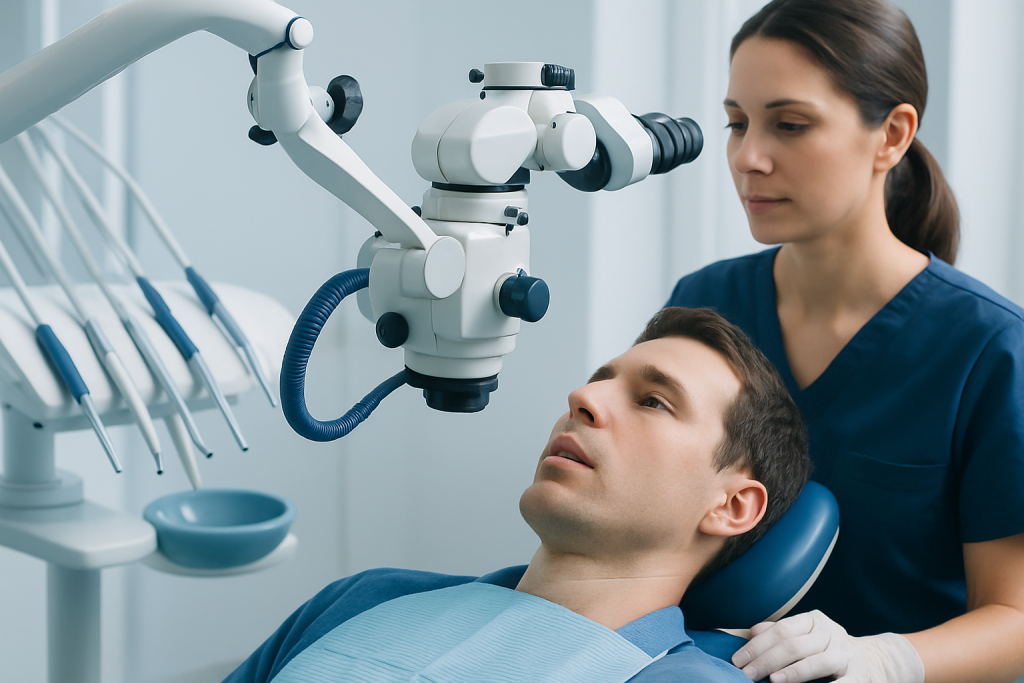
Veneers are not used for pain relief in the usual sense. Instead, they are considered when a person is bothered by the visible appearance of the front teeth. Common concerns include teeth that look stained despite whitening attempts, uneven edges, minor spacing, or a smile line that feels unbalanced in photos or daily life.
Some people ask about veneers after years of trying to manage cosmetic concerns with cleaning, whitening, or orthodontics. Others may have one or two front teeth that were chipped or worn and now stand out when smiling. In such cases, veneers may offer a more uniform look, provided the underlying teeth and gums are healthy enough.
It is important to separate appearance goals from functional dental problems. Severe crowding, active gum disease, tooth decay, teeth grinding, and major bite problems may need treatment before veneers are considered. A cosmetic plan that ignores these issues is unlikely to produce a durable result.
Causes and risk factors: who may or may not be a good candidate

People usually seek veneers because of genetics, enamel wear, past dental trauma, long-term staining, or the natural changes that come with age. Lifestyle factors such as coffee, tea, tobacco use, and frequent acid exposure can also affect tooth color and surface quality over time. Some people have teeth that are healthy but simply not the shape or shade they want for their smile.
Not everyone is a good candidate for veneers. A person with untreated cavities, weak enamel, active gum inflammation, severe bite imbalance, or heavy nighttime grinding may need other care first. In some situations, a dentist may suggest orthodontic treatment, whitening, bonding, crowns, or gum therapy instead of veneers, depending on the problem being addressed.
Risk factors for a less predictable result include poor oral hygiene, clenching or grinding, smoking, and unrealistic expectations about what cosmetic dentistry can change. Veneers can improve appearance, but they cannot make teeth indestructible or replace regular dental care. A clear discussion of goals helps the dental team choose the safest plan.
Diagnosis and treatment planning before veneers are made
A proper veneer plan starts with a full dental examination. The dentist typically checks the teeth, gums, bite, enamel thickness, existing restorations, and any signs of decay or inflammation. Photos, impressions or scans, and sometimes X-rays are used to understand the mouth from both a cosmetic and medical perspective.
Digital smile design is often part of planning in modern cosmetic dentistry. This allows the dentist to show how tooth shape, size, and alignment may look after treatment, making it easier for the patient to discuss preferences before any permanent changes are made. For international patients, this step can be especially helpful because it reduces guesswork when travel time is limited.
Planning should also include a practical conversation about timing. Some veneers cases can be completed within a short stay, while others need more than one visit or a longer healing period if preliminary dental work is required. A thoughtful treatment plan makes room for aftercare, emergency contact information, and follow-up once the patient returns home.
Treatment options: what is often included in the package
The exact contents of a veneers Turkey package depend on the clinic, the material chosen, and the complexity of the case. Many packages include an initial consultation, oral examination, imaging or digital scans, shade selection, tooth preparation, temporary restorations if needed, final veneer placement, and post-treatment instructions. Some packages may also include airport and hotel coordination for patients traveling from abroad.
Veneers themselves are usually made from porcelain or composite resin. Porcelain veneers are often chosen for their stain resistance and natural appearance, while composite veneers may be selected in some cases because they can be completed more quickly or require a different approach. The choice depends on the bite, the amount of enamel available, the patient’s cosmetic goals, and the dentist’s clinical judgment.
The treatment process typically involves reshaping a small amount of enamel when needed, taking precise records, and then bonding the custom-made veneers to the teeth. Temporary restorations may be used while the final veneers are being made. Because the front teeth must look natural while still functioning comfortably, the dentist evaluates color, contour, bite, and speech before completing the case.
A well-structured package should also clarify what is not included. For example, treatment for cavities, gum disease, root canal therapy, or orthodontics may be separate from the veneer fee. Clear boundaries are a sign of good planning, not a drawback.
What recovery and follow-up usually look like
Recovery after veneer placement is generally straightforward, but the mouth may need a brief adjustment period. Mild sensitivity can happen, especially if enamel was prepared or if the bite has changed slightly. Most people are able to eat, speak, and return to normal routines quickly, with the dentist’s guidance on which foods to avoid at first.
Aftercare matters because veneers depend on both dental skill and daily maintenance. The dentist usually advises regular brushing with a non-abrasive toothpaste, careful flossing, and routine dental checkups. Hard objects such as ice, pen caps, or nutshells should not be bitten with veneered teeth, as this can damage the restorations or the underlying tooth structure.
For international patients, follow-up planning is especially important. If any adjustment is needed after returning home, the patient should know how to contact the clinic and what symptoms should prompt a local dental review. A responsible provider will discuss how to protect the new veneers during travel and how to maintain them long term.
Prevention and self-care: how to protect veneers and natural teeth
The best way to protect veneers is to care for the entire mouth, not just the visible front teeth. Daily brushing, flossing, and routine professional cleanings help reduce the risk of gum disease and decay around the edges of the restorations. Patients who grind their teeth at night may need a custom night guard to reduce stress on the veneers.
Diet and habits also matter. Frequent snacking on very hard or sticky foods can shorten the life of veneers, and tobacco use can affect both oral health and cosmetic results. If teeth whitening is planned in the future, it is usually done before veneers, since veneer material does not whiten in the same way natural enamel does.
People considering treatment abroad should prepare as carefully as they would for any medical trip. That means bringing a list of medications, sharing dental records if available, asking about the type of veneer material, and understanding how many visits are expected. When a patient knows what to expect, the experience tends to feel more manageable and less rushed.
At Acibadem Health Point, multidisciplinary specialists and JCI-accredited hospitals support international patients seeking veneer treatment with coordinated planning and follow-up care.
When to see a dentist or ask for another opinion
A dental review is advisable before choosing a veneers package, especially if the teeth have pain, sensitivity, previous restorations, or a history of grinding. Veneers should never be selected purely because they are marketed as quick or convenient. The mouth needs to be healthy enough to support them.
It is also sensible to seek a second opinion if the proposed plan seems unusually fast, if the evaluation is very limited, or if there is little discussion of gum health and bite. Cosmetic dentistry should still follow sound clinical principles. A careful dentist will explain alternatives and why a particular approach is being recommended.
Patients who already have veneers and notice loosening, rough edges, discoloration at the margins, or bite discomfort should arrange a dental checkup. Early assessment can prevent small issues from becoming larger repairs. As with any dental treatment, lasting results depend on both the initial procedure and ongoing care.
A practical view for international patients considering treatment in Turkey
For people traveling from another country, a veneers Turkey package can be a convenient way to organize cosmetic dental care, but it should be evaluated as a medical plan first and a travel arrangement second. The most useful questions are simple: Are the teeth suitable for veneers? What material is being used? How many visits are required? What happens if adjustments are needed after the trip?
When those questions are answered clearly, patients can make a more confident decision. A good package should support safety, communication, and follow-up rather than relying on broad claims. That approach helps align cosmetic goals with realistic dental care.
In the end, veneers can be a strong option for carefully selected patients who want to improve the look of their smile. The best outcome comes from thoughtful diagnosis, honest planning, and consistent aftercare, whether treatment is done locally or during a planned visit abroad.
Frequently asked questions
01What is usually included in a veneers Turkey package?
A package often includes consultation, dental examination, scans or impressions, smile planning, veneer preparation, placement, and follow-up instructions. Some clinics also add travel-related support for international patients. The exact contents should always be confirmed in writing before treatment.
02Are veneers in Turkey the same as veneers anywhere else?
The veneers themselves follow the same basic dental principles wherever they are made. What can differ is the clinic’s planning process, materials, lab work, communication, and aftercare. The quality of the result depends more on clinical standards than on the country alone.
03How long does veneer treatment usually take?
The timeline varies by case and by whether additional dental work is needed first. Some patients complete treatment in a short trip, while others need more than one appointment or a longer planning period. A dentist should explain the expected schedule before treatment begins.
04Can anyone get veneers?
No, not everyone is an ideal candidate. Healthy gums, good oral hygiene, and a stable bite are important, and problems such as decay or grinding may need treatment first. A dentist can advise whether veneers, bonding, whitening, orthodontics, or crowns are more appropriate.
05Do veneers require special care after placement?
They require the same careful oral hygiene as natural teeth, plus a few extra habits. Patients should avoid biting hard objects, consider a night guard if they grind their teeth, and keep up with routine dental visits. Good maintenance helps veneers last longer and keeps the surrounding teeth healthy.
06What should international patients ask before booking a package?
It is wise to ask what is included, which veneer material is used, how many visits are expected, and how follow-up care is handled after returning home. Patients should also ask whether any gum, decay, or bite problems need treatment first. Clear answers usually indicate a more thoughtful treatment plan.
This article is for general information only and is not a substitute for professional medical advice. Please consult a qualified doctor about your individual situation.
Explore treatments in Turkey — costs, top hospitals & a free quote
JCI-accredited · board-certified surgeons · reply within 24h
Add us as a Preferred Source to see more of our trusted health content across Google Search, AI Overviews and Discover.