What Is Top Surgery and How Does It Work?

Top surgery is a term for gender-affirming surgery that changes the appearance of the chest to better align with a person’s gender identity and personal goals. It may involve chest masculinization, breast augmentation, or other individualized procedures planned with a qualified surgical team.
Overview: What Is Top Surgery?
Top surgery is a broad term for gender-affirming chest surgery. It can refer to procedures that create a flatter, more masculine chest, procedures that create a fuller, more feminine chest, or procedures that revise chest tissue to support an individual’s gender expression and wellbeing.
For many transgender and gender-diverse people, the chest can be a source of discomfort or gender dysphoria. Top surgery may help bring a person’s outward appearance closer to their identity. It is a personal healthcare decision, and not every transgender or gender-diverse person wants or needs surgery.
The phrase is used most often for masculinizing chest surgery, also called chest reconstruction or subcutaneous mastectomy. This surgery removes breast tissue and reshapes the chest. Feminizing top surgery generally refers to breast augmentation, sometimes combined with other contouring procedures.
Types of Top Surgery and How They Work
Masculinizing chest surgery removes breast tissue and contours the skin, fat, and remaining tissue to create a flatter chest. Depending on the chosen technique, the surgeon may reposition or resize the nipples and areolae, reduce excess skin, and use liposuction around the chest or underarm area to improve contour.
Several approaches are available. A periareolar or “keyhole” technique uses smaller incisions around the areola and may be considered for people with a smaller chest and good skin elasticity. Double-incision surgery uses incisions across the lower chest and is commonly used when more tissue or skin needs to be removed. Nipple grafting may be used when nipples need substantial repositioning.
Feminizing top surgery usually involves placement of breast implants or, in selected circumstances, transfer of a person’s own fat to the breast area. Implant size, shape, placement, and incision location are discussed in advance to support a natural-looking result that fits the person’s body frame and goals. Patients considering this option can learn more about breast augmentation.
There is no single “best” top surgery method. A plastic surgeon considers the patient’s chest anatomy, skin elasticity, nipple position, medical history, smoking status, desired scar placement, and priorities regarding sensation and contour.
Who May Be a Candidate?

People seeking top surgery are assessed individually. In general, candidates are adults who have a clear understanding of the procedure, can provide informed consent, and have health conditions that are stable enough for surgery and anesthesia. Requirements may vary by country, healthcare system, surgeon, and individual circumstances.
A consultation commonly includes a discussion of gender goals, physical health, previous chest procedures, medications, allergies, family history, and expectations about scars and sensation. The clinician may also review chest examinations, imaging when indicated, and routine preoperative tests.
Nicotine products can interfere with wound healing and increase complication risks. A surgical team will usually ask patients to stop smoking, vaping, and using nicotine products for a period before and after surgery. People with diabetes, bleeding disorders, heart or lung disease, or conditions that affect healing may need additional evaluation and planning.
Mental health support can be valuable before and after surgery, particularly if a person is managing anxiety, depression, dysphoria, or limited social support. This support is not intended to question a person’s identity; rather, it helps ensure that decisions are informed and that recovery needs are addressed.
What Happens During the Procedure?
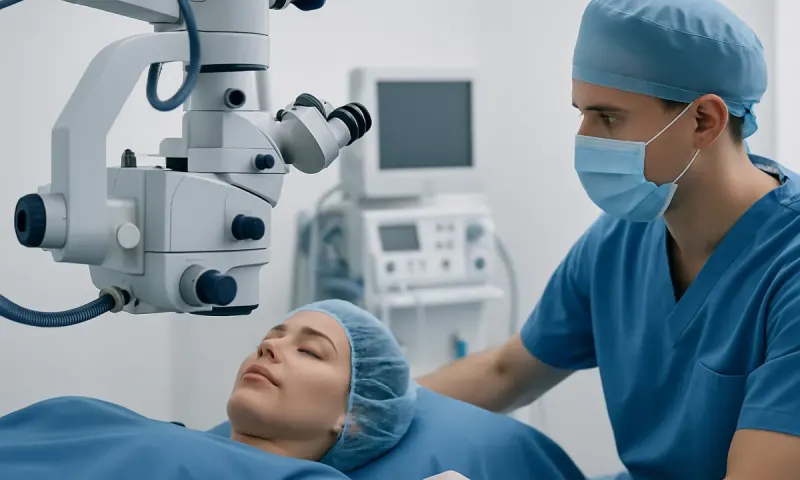
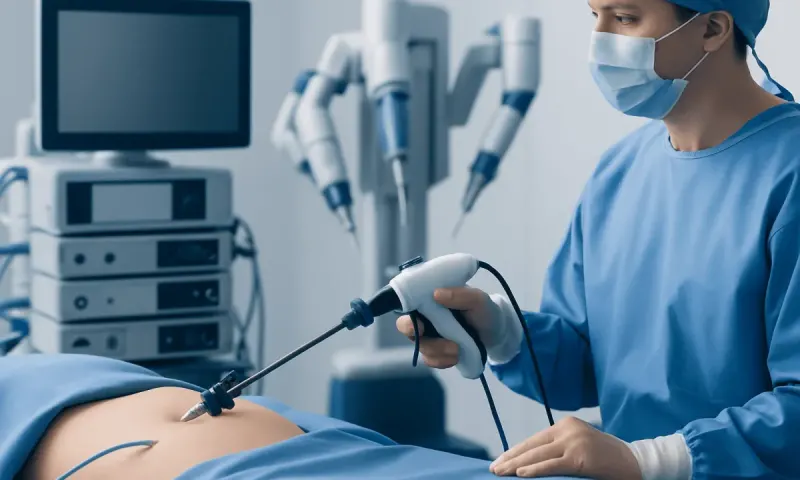
Top surgery is performed in an operating room, most often under general anesthesia. The exact duration varies with the procedure and whether additional contouring is planned. Patients are usually asked not to eat or drink for a specified period before anesthesia and should arrange for a trusted adult to help them travel home and settle in after surgery.
For masculinizing chest surgery, the surgeon makes the planned incisions, removes breast tissue, and reshapes the chest. Liposuction may be used to refine the contours. If needed, the nipples and areolae are resized and repositioned; with some techniques, they are temporarily removed and placed as grafts in their new location.
For feminizing procedures, the surgeon creates a pocket for an implant either above or below the chest muscle, depending on the surgical plan. Incisions may be placed in the breast crease, around the areola, or in another agreed location. The surgeon then closes the incisions and applies dressings or supportive garments.
Temporary drains may be placed after some masculinizing procedures to remove fluid from the surgical area. They are usually removed during an early follow-up visit. The team provides individual instructions for pain management, Infection Signs" class="ahp-ilk">wound care, showering, sleep position, and activity limitations.
Recovery Timeline and Expected Healing
Recovery is gradual and differs between individuals and techniques. During the first days, swelling, bruising, tightness, fatigue, and discomfort are common. Pain is usually managed with medications recommended by the surgical team. A compression vest or surgical bra may be worn to reduce swelling and support healing.
Most patients need help with some daily activities at first and should avoid lifting, reaching overhead, driving while taking sedating medication, and strenuous exercise. Light walking is generally encouraged when the surgical team considers it safe, as it supports circulation and recovery.
Follow-up visits allow the team to check healing, remove drains if used, and review pathology findings if tissue was sent for examination. Many people return to non-physical work or study within a few weeks, but full activity, chest exercises, swimming, and heavy lifting should resume only when cleared by the surgeon.
Scars often look red or raised early in healing and usually mature over many months. Scar care may include sun protection, silicone products, massage, or other measures recommended by the clinician. Nipple sensation can change after surgery; it may improve over time, but some changes can be long-lasting or permanent.
Benefits, Limitations and Possible Risks
Potential benefits of top surgery include a chest appearance that better reflects the person’s goals, greater comfort in clothing, less need for chest binding for some patients, and improved ability to participate in everyday activities. Experiences are individual, and surgery cannot guarantee a particular emotional outcome or eliminate all sources of dysphoria.
Like all surgery, top surgery has possible risks. These include bleeding, fluid collection under the skin, infection, delayed wound healing, unfavorable scarring, asymmetry, contour irregularities, pain, and anesthesia-related complications. Some people require a revision procedure to improve contour, scars, nipple position, or other aspects of the result.
Specific risks of masculinizing chest surgery include partial or complete loss of a nipple graft, changes in nipple color or projection, and reduced or absent nipple sensation. Breast tissue removal may reduce but does not always remove all breast tissue. Patients should discuss their personal breast and chest cancer screening needs with their clinician after surgery.
Before deciding, patients should discuss benefits and limitations openly with a board-qualified plastic surgeon experienced in gender-affirming care. Reviewing photographs of healed results, understanding the likely scar pattern, and discussing a plan for future screening can support realistic expectations.
Preparing for Surgery and Supporting Recovery
Preparation starts with an informed surgical consultation. Patients can ask which technique is recommended, where scars are expected, whether nipple grafts may be needed, how sensation may change, and what support will be required at home. It is helpful to share all medicines, supplements, and recreational substance use, because some products may need to be adjusted before surgery.
Before the procedure, people can prepare a comfortable recovery area, loose front-opening clothing, easy-to-prepare meals, water, and supplies recommended by the care team. Arranging transport, household help, childcare, or time away from work can reduce avoidable stress during the first stage of healing.
After surgery, following written instructions carefully is important. Patients should attend all planned follow-up appointments, wear compression garments if prescribed, protect incisions from direct sun, and avoid restarting exercise too soon. A nutritious diet, adequate hydration, and avoiding nicotine can help support normal wound healing.
Acıbadem Health Point’s multidisciplinary specialists and JCI-accredited hospitals provide assessment and surgical care for international patients considering gender-affirming surgery. A personalized consultation can clarify whether surgery is appropriate and which approach may best support the patient’s needs.
When to Seek Medical Care
Patients should contact their surgical team promptly if they develop worsening rather than improving pain, increasing redness or warmth around an incision, pus-like drainage, fever, persistent vomiting, or swelling that increases suddenly. These symptoms do not always mean there is a serious problem, but they need timely clinical assessment.
Urgent medical care is needed for trouble breathing, chest pain, fainting, severe bleeding, confusion, or signs of a serious allergic reaction such as swelling of the face or throat. Patients should follow local emergency guidance if these symptoms occur.
Before surgery, people should seek medical advice if they have new breast or chest lumps, nipple discharge, skin changes, unexplained breast pain, or a strong family history of breast or ovarian cancer. These concerns may need assessment before elective chest surgery is planned.
Frequently asked questions
01Is top surgery the same as a mastectomy?
Masculinizing top surgery includes removal of breast tissue, so it may involve a type of mastectomy. However, its purpose and surgical planning focus on creating a chest contour that aligns with the patient’s gender goals, often including skin reshaping and nipple repositioning. The techniques can differ from mastectomy performed for cancer treatment or cancer-risk reduction.
02How long does it take to recover from top surgery?
Initial recovery commonly takes several weeks, although the exact timeline depends on the procedure, overall health, and healing progress. Swelling and scar changes can continue to improve for months. The surgeon provides individualized guidance on returning to work, exercise, lifting, and swimming.
03Will top surgery leave scars?
All surgical techniques create some degree of scarring. The location and length of scars depend mainly on the type of procedure and the amount of tissue and skin that need to be removed or reshaped. Scars usually change and fade over time, but they do not disappear completely.
04Can nipple sensation return after masculinizing top surgery?
Sensation may be reduced, altered, or absent after surgery, especially if nipples are removed and replaced as grafts. Some sensation may return gradually as nerves heal, but the extent is unpredictable. This should be discussed before surgery because changes can be permanent.
05Do people need to stop hormone therapy before top surgery?
The answer depends on the person’s medicines, medical history, and the surgical team’s protocol. Some patients can continue hormone therapy, while others may need changes for a limited period based on individual risk factors. Patients should never stop prescribed hormones without guidance from their treating clinicians.
06Can breast cancer still occur after masculinizing top surgery?
Yes, although the amount of remaining breast tissue is usually reduced. The individual level of risk depends on factors such as family history, genetics, age, hormone exposure, and the surgical technique used. A clinician can advise on appropriate ongoing chest awareness and screening after surgery.
This article is for general information only and is not a substitute for professional medical advice. Please consult a qualified doctor about your individual situation.
Explore treatments in Turkey — costs, top hospitals & a free quote
JCI-accredited · board-certified surgeons · reply within 24h
Add us as a Preferred Source to see more of our trusted health content across Google Search, AI Overviews and Discover.