

What Is TMJ Migraine Headache? A Complete Medical Guide
- 9 min read
- Published November 27, 2026
Key Takeaways
- TMJ migraine headache is not a formal single diagnosis, but a practical way to describe headache symptoms that may be related to the jaw joint and nearby muscles.
- Jaw clicking, facial pain, tenderness, and morning headaches can point toward TMJ involvement, especially when chewing or clenching makes symptoms worse.
- A careful evaluation is important because migraine, tension-type headache, dental problems, and sinus issues can also cause similar pain.
- Treatment often combines jaw rest, habit changes, physical therapy, dental splints when appropriate, and headache medicine if migraine is also present.
- Good posture, stress management, and avoiding excessive chewing can reduce flare-ups and support recovery.
- Persistent, severe, or changing headaches should be assessed by a qualified clinician, especially if there are neurological symptoms or significant jaw limitation.
A TMJ migraine headache is a head pain pattern linked to temporomandibular joint dysfunction, where jaw muscle tension, joint strain, and headache symptoms may overlap. Understanding the differences between TMJ-related pain and true migraine can help a doctor choose the right treatment.
Overview
The term tmj migraine headache is commonly used to describe head pain that seems connected to the temporomandibular joint, the hinge that links the jaw to the skull. In everyday practice, it usually means a person has headache symptoms together with jaw pain, clicking, facial tightness, or trouble opening the mouth comfortably.
This is not always a single disease. In some people, TMJ dysfunction seems to trigger or worsen a headache; in others, a primary migraine or tension headache is happening at the same time as jaw problems. A clear diagnosis matters because the best treatment depends on what is actually driving the pain.
For international patients deciding where to seek care, the key question is often not just “Is this TMJ or migraine?” but “Which specialist can sort out the pattern and build a plan that fits daily life, travel, work, and follow-up after returning home?” That is where a coordinated evaluation can be especially useful.
Symptoms
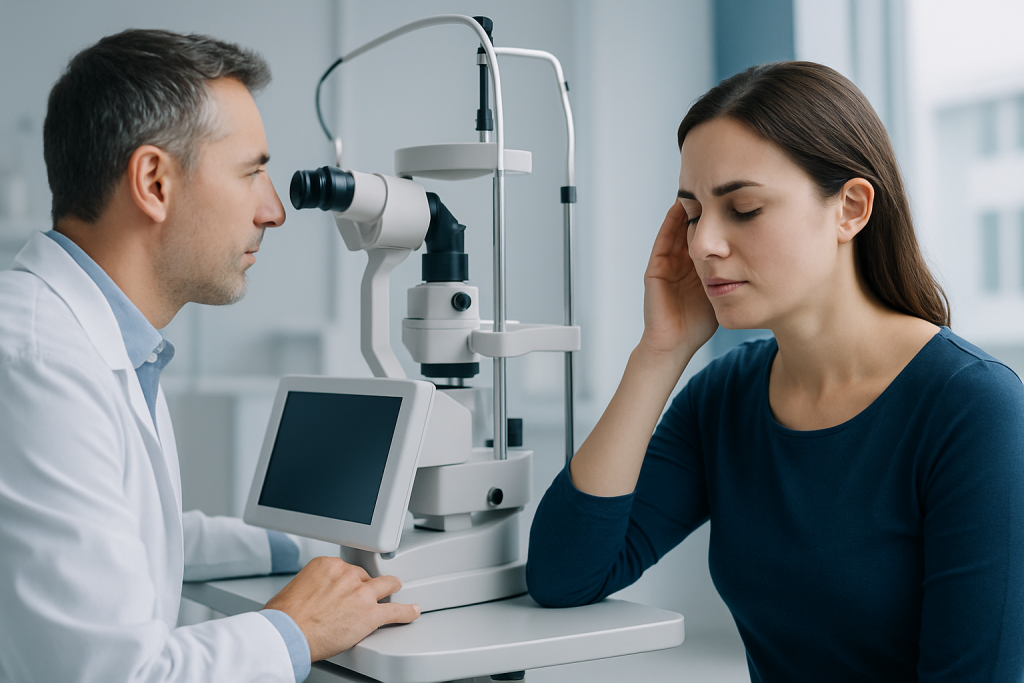
TMJ-related headaches often begin around the temples, behind the eyes, in the face, or at the base of the skull. The pain may feel dull, pressure-like, or aching, and it may become more noticeable after chewing, yawning, talking for long periods, or waking up in the morning.
Jaw symptoms frequently travel with the headache. These can include clicking or popping in the joint, jaw stiffness, tenderness near the ears, difficulty opening the mouth widely, or a sense that the bite feels different. Some people also notice ear fullness, facial soreness, or neck tightness.
When migraine is part of the picture, the headache may be more throbbing and may come with light sensitivity, sound sensitivity, nausea, or worsening with activity. Because the patterns can overlap, careful symptom tracking helps a clinician distinguish between TMJ pain, migraine, and other causes.
- Pain in the temples, jaw, face, or around the ears
- Jaw clicking, locking, or limited opening
- Headache on waking or after clenching
- Neck or shoulder tension
- Light, sound, or motion sensitivity when migraine is present
Causes & Risk Factors

TMJ symptoms can develop when the jaw joint or surrounding muscles are overworked, irritated, or misaligned. Teeth grinding, daytime clenching, gum chewing, nail biting, and prolonged mouth opening during dental work can all add strain. Stress can also increase muscle tension and unconscious clenching, making the problem more noticeable.
Several factors may increase the chance of TMJ-related headaches. These include a history of jaw injury, arthritis affecting the joint, poor sleep, posture issues that strain the neck and jaw, and habits that keep the jaw muscles active for long periods. Some people are more sensitive to pain signals, which can make both headaches and jaw discomfort feel more intense.
It is also possible to have migraine and TMJ dysfunction at the same time without one causing the other directly. In those cases, the jaw problem may aggravate head pain, or a person with migraine may unconsciously clench the jaw during attacks. A good history helps separate cause, trigger, and coincidence.
Diagnosis
Diagnosis usually starts with a detailed discussion of symptoms, timing, and triggers. A doctor will often ask where the pain begins, what makes it worse, whether the jaw clicks or locks, and whether there are classic migraine features such as nausea or light sensitivity. This history is often the most useful part of the evaluation.
A physical examination may include checking how far the jaw opens, whether the joint is tender, whether chewing muscles are tight, and whether there are signs of tooth wear from grinding. Depending on the findings, a dentist, neurologist, ear-nose-throat specialist, or physical therapist may be involved.
Imaging is not always needed, but it may be ordered if the diagnosis is unclear, if the jaw locks or there is significant asymmetry, or if another problem needs to be ruled out. The goal is to avoid treating only the headache while missing the jaw source, or treating the jaw while overlooking a separate headache disorder.
Treatment Options
Most treatment plans begin with conservative measures. Jaw rest, soft foods for a short period, avoiding gum chewing, and reducing wide mouth opening can help calm the joint and muscles. Warm compresses and gentle jaw exercises may be recommended by a clinician or therapist, depending on the individual case.
If clenching or grinding is a major factor, a custom dental splint or night guard may reduce strain on the jaw during sleep. Physical therapy can also help, especially when neck posture, muscle imbalance, or limited jaw movement are contributing to symptoms. Stress-management strategies may be useful when tension is part of the trigger pattern.
When migraine is also present, a doctor may suggest headache-specific treatment alongside TMJ care. This could include medicines for acute attacks or preventive therapy, selected based on the person’s overall health and symptom pattern. The safest plan is one that treats the headache and the jaw without overusing pain medicine or relying only on short-term relief.
In a coordinated international-patient setting, multidisciplinary specialists can be especially helpful because the jaw, head, teeth, and neck may all need to be assessed together. Acibadem Health Point’s multidisciplinary specialists and JCI-accredited hospitals diagnose and treat this condition for international patients, with follow-up planning that can be organized around travel needs.
Prevention & Self-care
Daily habits can make a meaningful difference, especially when symptoms are mild or recurring. People are often advised to notice clenching during the day, keep the teeth slightly apart when not eating, and avoid chewing hard or sticky foods during flare-ups. A relaxed jaw position can reduce muscle fatigue over time.
Sleep, hydration, and posture also matter. Poor sleep may increase both headache sensitivity and jaw tension, while a forward-head posture can strain the jaw and neck muscles. Taking screen breaks, adjusting workspace ergonomics, and using stress-reduction techniques may lower the risk of repeat episodes.
Self-care should be gentle rather than aggressive. For example, forcing the jaw to open widely or doing unsupervised exercises too early can aggravate pain. If symptoms keep returning, keeping a short diary of meals, stress, sleep, headache features, and jaw habits can help the doctor see patterns more clearly.
- Limit gum chewing and very hard foods during flare-ups
- Avoid resting the chin on the hand for long periods
- Use heat or clinician-approved stretching for muscle tightness
- Track headache timing, jaw clicking, and triggers
- Seek help for stress, sleep issues, or nighttime grinding
When to See a Doctor
A medical assessment is appropriate when headaches are frequent, persistent, or clearly linked to jaw movement. It is also wise to seek care if the jaw locks, opening becomes limited, biting feels different, or pain interferes with eating, speaking, or sleep. Early evaluation can prevent a cycle of muscle guarding and worsening discomfort.
Headache symptoms that are new, severe, or changing deserve attention, especially if they are accompanied by weakness, numbness, vision changes, fever, confusion, or head injury. These features may point to a condition that is not TMJ-related and should be assessed promptly.
People who are planning treatment from another country may benefit from arranging records, dental history, prior imaging, and medication lists before traveling. That makes the consultation more efficient and helps the care team build a realistic plan for recovery and follow-up after returning home.
Living With TMJ-Related Head Pain
TMJ headache symptoms often improve when the underlying jaw strain is addressed consistently rather than in isolated bursts. Progress may be gradual, and flare-ups can still happen during stressful periods, travel, or times of poor sleep. That does not mean treatment has failed; it often means the plan needs refining.
Because jaw pain and headaches can affect eating, speaking, work, and concentration, the goal is usually functional improvement rather than perfect symptom elimination overnight. A thoughtful combination of dental, neurological, and physical approaches is often the most sustainable path.
With the right evaluation, many people can identify whether the main issue is TMJ dysfunction, migraine, or a combination of both. Once the pattern is clear, treatment becomes more targeted, and day-to-day life is usually easier to manage.
Frequently asked questions
01What is a TMJ migraine headache?
It is a practical term for headache symptoms that seem linked to the temporomandibular joint or jaw muscles, sometimes alongside migraine. It is not always a separate formal diagnosis, because TMJ problems and migraine can overlap or occur together.
02How can someone tell TMJ headache from migraine?
TMJ-related pain often worsens with chewing, clenching, or jaw movement and may come with clicking or jaw stiffness. Migraine more often causes throbbing pain with light sensitivity, sound sensitivity, nausea, or worsening with activity, though both can coexist.
03Can TMJ cause headaches every day?
Yes, jaw strain and clenching can contribute to frequent or near-daily head pain in some people. If headaches are happening often, a clinician should evaluate whether TMJ, migraine, tension-type headache, or more than one condition is involved.
04Does a night guard cure TMJ migraine headache?
A night guard can help reduce strain from grinding or clenching, but it does not cure every case. It is usually one part of a broader plan that may also include posture changes, physical therapy, stress management, or headache treatment.
05Which doctor should be seen for TMJ headache?
The best starting point is often a dentist familiar with TMJ disorders, a neurologist, or a primary care doctor who can coordinate care. Depending on the findings, more than one specialist may be needed to address the jaw and the headache pattern together.
06When is jaw pain and headache urgent?
Urgent assessment is important if headache symptoms are sudden and severe, or if they come with weakness, numbness, vision changes, confusion, fever, or after a head injury. These signs suggest something beyond a routine TMJ problem and should not be ignored.
This article is for general information only and is not a substitute for professional medical advice. Please consult a qualified doctor about your individual situation.
Persistent digestive symptoms? Get evaluated in Turkey
JCI-accredited · board-certified surgeons · reply within 24h
Add us as a Preferred Source to see more of our trusted health content across Google Search, AI Overviews and Discover.


How can we help you today?
Meet an Acibadem specialist by secure video, before you travel.
Book a video visit