What Is Spotting Before Period? A Complete Medical Guide

Key Takeaways
- Spotting before a period is usually light bleeding, often pink, brown, or red, and may happen a few days before menstruation starts.
- Hormone changes are a common reason, but pregnancy, birth control, fibroids, polyps, infections, and thyroid conditions can also play a role.
- A pattern of spotting that is new, frequent, or accompanied by pain, odor, fever, or heavy bleeding should be evaluated by a clinician.
- Diagnosis may include a pregnancy test, pelvic exam, blood tests, and imaging such as ultrasound, depending on the situation.
- Treatment focuses on the cause and may include reassurance, hormonal treatment, infection treatment, or procedures for structural problems.
- Keeping a menstrual log can help patients and doctors tell harmless cycle variation apart from conditions that need follow-up.
Spotting before period refers to light vaginal bleeding that happens in the days leading up to menstruation. It is often linked to normal hormone shifts, but it can also reflect pregnancy, infections, fibroids, or other gynecologic conditions that deserve medical attention.
Overview
Spotting before period usually means light bleeding that appears after one menstrual cycle has ended but before the next period fully starts. It is often much lighter than a normal period, sometimes only showing up as pink, red, or brown discharge on underwear or toilet tissue.
For many people, occasional pre-period spotting is related to normal changes in hormone levels during the menstrual cycle. In other situations, it can be an early clue to pregnancy, an effect of contraception, or a sign of a condition such as fibroids, cervical irritation, or an infection.
The key question is not only whether spotting happened, but also whether it is new, repeated, or changing over time. That pattern helps clinicians decide whether the bleeding is likely a routine cycle variation or something that should be checked more closely.
What spotting before a period looks like
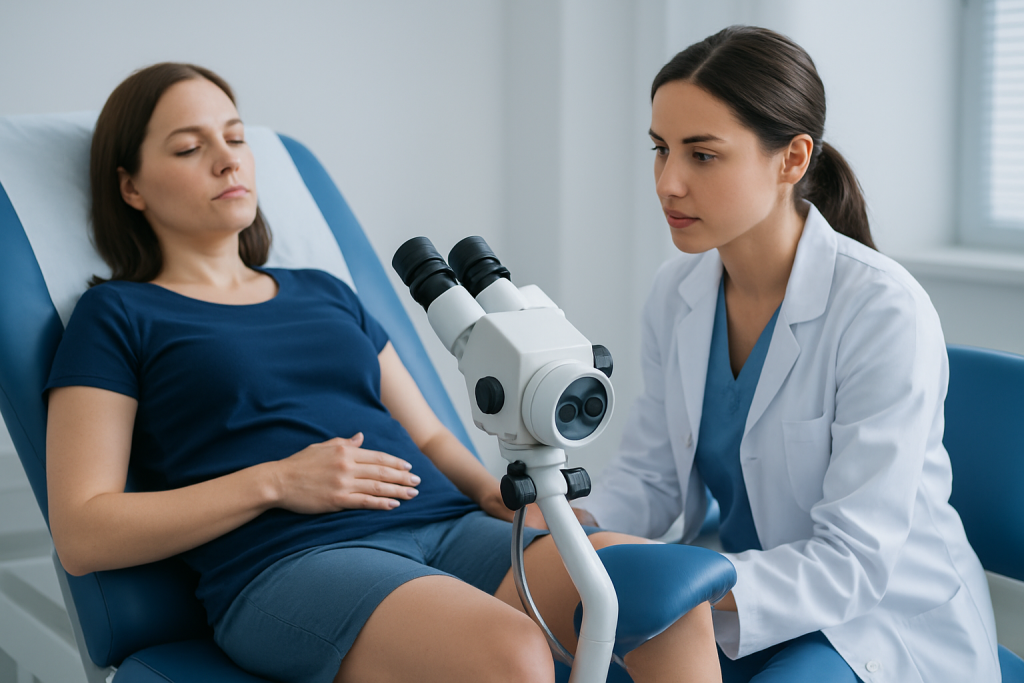
Pre-period spotting is typically light enough that it does not require a pad or tampon, although some patients prefer to use a panty liner. The color may be pink when blood mixes with cervical fluid, brown when older blood leaves the uterus slowly, or bright red if the bleeding is more recent.
It may last only a few hours or continue for a couple of days before the usual menstrual flow begins. Some patients notice mild cramping or breast tenderness at the same time, while others have no other symptoms at all.
Spotting is different from an unusually short period or a period that begins earlier than expected. That distinction matters because the likely cause and the next steps can be different depending on timing, flow, and associated symptoms.
Common causes and risk factors

A common explanation is natural hormonal fluctuation, especially if ovulation was delayed or if the body is moving through a cycle with lower progesterone than usual. Stress, major weight change, intense exercise, and some chronic conditions can all affect this balance.
Several gynecologic and general health factors can also be involved:
- Hormonal contraception, including pills, patches, injections, implants, or hormonal IUDs
- Pregnancy, including implantation bleeding or early pregnancy complications
- Uterine fibroids or polyps
- Endometriosis or adenomyosis
- Cervical or vaginal infections, including sexually transmitted infections
- Thyroid disorders or other hormone-related conditions
Age can matter as well. Spotting is more common in the years when cycles are becoming less predictable, such as after childbirth, during perimenopause, or soon after starting or changing birth control.
When spotting can be a sign of pregnancy
Some patients first notice light bleeding around the time a period is expected, and wonder whether it could be implantation bleeding. Early pregnancy can sometimes cause mild spotting, but bleeding in pregnancy has many possible explanations, and not all are harmless.
If pregnancy is possible, a home pregnancy test or a clinician-ordered test is usually the first step. This is especially important when spotting occurs with one-sided pelvic pain, dizziness, shoulder pain, or bleeding that becomes heavier than expected.
Because timing alone cannot reliably separate menstrual spotting from early pregnancy-related bleeding, a practical rule is simple: if there is any chance of pregnancy, testing should be done before assuming the spotting is just a normal cycle change.
Diagnosis
Evaluation starts with a careful history. A clinician will want to know when the spotting began, how often it happens, how close it is to the period, whether there is pain or odor, and whether birth control, fertility treatment, or pregnancy is relevant.
Depending on the situation, diagnosis may include:
- Pregnancy testing
- Pelvic examination
- Tests for vaginal or cervical infection
- Blood tests to assess anemia, thyroid function, or hormone-related issues
- Pelvic ultrasound to look for fibroids, polyps, or other structural causes
Sometimes the cause is not found right away, and that is not unusual. In those cases, symptom tracking over a few cycles can help reveal a pattern that points to the next best test or treatment.
Treatment options
Treatment depends entirely on the cause. If spotting is related to a new contraceptive method, a clinician may recommend observation for a short period, a different formulation, or another type of birth control if bleeding remains bothersome.
When an infection is the cause, treatment may involve targeted medication after proper testing. If the spotting comes from fibroids, polyps, or other structural changes, options may include watchful follow-up, medication, or a procedure to remove or treat the lesion.
For patients with hormone-related cycle irregularity, management often focuses on improving cycle stability and addressing the underlying issue, such as thyroid disease, perimenopause symptoms, or ovulatory dysfunction. The right plan is individualized, especially for patients who are trying to conceive or who are traveling from abroad and need a clear sequence of testing, treatment, and follow-up.
Prevention and self-care
Not every episode of spotting can be prevented, but several habits can make cycle changes easier to understand. Keeping a menstrual calendar or app that records spotting dates, flow, pain, medications, and sexual activity can be very helpful during a medical visit.
It also helps to take birth control exactly as prescribed, since missed or late doses can lead to breakthrough bleeding. Balanced nutrition, sleep, and stress management may support cycle regularity, although they do not replace evaluation when symptoms are persistent.
Self-care should stay within safe limits. Patients should avoid assuming that repeated spotting is normal if it is accompanied by new symptoms, and they should not delay assessment when pregnancy is possible or when bleeding changes noticeably from one cycle to the next.
When to see a doctor
Medical review is a good idea when spotting before period is new, keeps happening for several cycles, or starts after a period of stable cycles. It is also important if the bleeding happens after sex, occurs between periods rather than just before them, or comes with pelvic pain, unusual discharge, fever, or unpleasant odor.
Prompt care is especially important if there is possible pregnancy, if bleeding becomes heavy, if there are signs of anemia such as unusual fatigue or shortness of breath, or if a patient feels faint or unwell. These symptoms do not automatically mean something serious, but they do deserve timely evaluation.
For people planning care across borders, a gynecology visit that can combine history, ultrasound, laboratory testing, and follow-up planning in one coordinated pathway may be especially useful. Acibadem Health Point’s multidisciplinary specialists and JCI-accredited hospitals diagnose and treat this condition for Myomectomy Recovery for International Patients: The Usual Travel Timeline" class="ahp-ilk">international patients in a structured, patient-centered way.
Frequently asked questions
01Is spotting before a period normal?
It can be. Occasional light spotting before menstruation is often related to normal hormone shifts or birth control use. If it is new, frequent, or accompanied by pain or other symptoms, it should be checked.
02What color is spotting before a period?
It may look pink, red, or brown. Brown spotting often reflects older blood that is leaving the uterus slowly, while brighter red blood suggests more recent bleeding.
03Can stress cause spotting before a period?
Yes, stress can affect the hormones that regulate ovulation and menstrual timing. That said, stress should not be assumed to be the only cause if spotting keeps happening.
04How do I know if spotting is implantation bleeding or my period?
Timing alone is not enough to tell the difference. If pregnancy is possible, a pregnancy test is the safest first step, especially if the bleeding is lighter than usual or the cycle is different from normal.
05Should I see a doctor for spotting before period every month?
Repeated monthly spotting is worth discussing with a clinician, particularly if it is new for that patient. A doctor can review hormones, contraception, infection risks, and structural causes such as fibroids or polyps.
06What tests might a doctor order for pre-period spotting?
Common tests include a pregnancy test, pelvic exam, infection testing, blood tests, and sometimes an ultrasound. The exact workup depends on the patient’s age, symptoms, and menstrual history.
This article is for general information only and is not a substitute for professional medical advice. Please consult a qualified doctor about your individual situation.
Explore treatments in Turkey — costs, top hospitals & a free quote
JCI-accredited · board-certified surgeons · reply within 24h
Add us as a Preferred Source to see more of our trusted health content across Google Search, AI Overviews and Discover.