What Is Spinal Headache? A Complete Medical Guide

Key Takeaways
- Spinal headache usually begins after a spinal tap, epidural, or similar procedure that involves the spinal membranes.
- The pain often worsens when sitting or standing and eases when lying flat.
- Most cases improve with rest, fluids, pain relief, and time, but persistent symptoms may need medical treatment.
- An epidural blood patch is a common and effective option when conservative measures are not enough.
- A severe headache after a procedure should be reviewed by a doctor to rule out other causes and guide safe recovery.
Spinal headache is a headache that can happen after a spinal tap, epidural, or other procedure that affects the spinal fluid around the brain and spinal cord. It is usually caused by a small leak of cerebrospinal fluid and often improves with conservative care or a simple medical procedure if needed.
Overview
Spinal headache is the common name for a headache that develops after a lumbar puncture, spinal anesthesia, or an epidural procedure. In medical terms, it is often called a post-dural puncture headache. It happens when spinal fluid leaks through a small opening in the protective layers around the brain and spinal cord, creating a drop in pressure that can trigger a distinctive headache.
The pattern is often recognizable: the headache tends to be milder when the person lies flat and more noticeable when they sit, stand, cough, or strain. Some people also feel neck pain, nausea, ringing in the ears, or sensitivity to light. Although the symptoms can be uncomfortable, the condition is usually treatable and temporary.
For international patients, this headache may appear after a procedure done during a hospital visit abroad, sometimes before travel home is even complete. That makes clear discharge instructions and a prompt follow-up plan especially important, so recovery can continue safely after leaving the hospital.
Symptoms
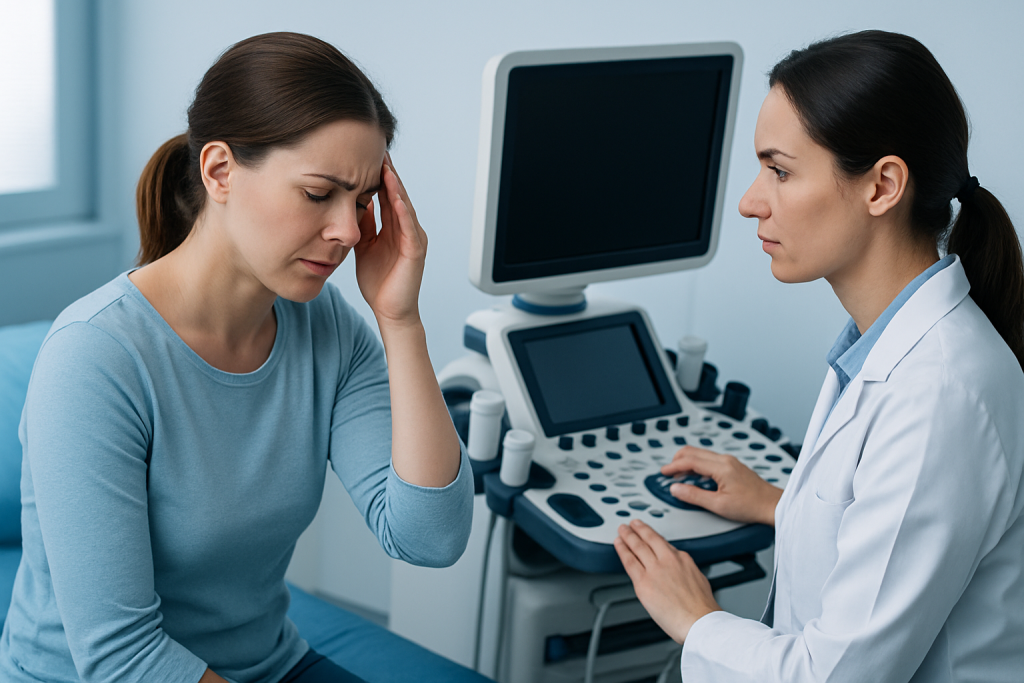
The defining feature of a spinal headache is posture-related pain. It often starts within one to three days after the procedure, though the timing can vary. The pain is typically felt in the front or back of the head and may become stronger when upright and ease after lying down for a while.
Other symptoms may accompany the headache. These can include neck stiffness, nausea, vomiting, dizziness, blurred hearing, ear ringing, or discomfort in the upper back and shoulders. Some people describe the pain as throbbing or pressure-like, while others notice that ordinary movement makes it worse.
- Headache that improves when lying flat
- Pain that worsens with sitting, standing, or straining
- Neck pain or stiffness
- Nausea or light sensitivity
- Ringing in the ears or changes in hearing
Because headache after a medical procedure can have several causes, the overall pattern matters as much as the pain itself. A doctor will consider the timing, severity, and associated symptoms before deciding whether this is a typical spinal headache or something else.
Causes & Risk Factors

Spinal headache occurs when cerebrospinal fluid escapes through a small puncture in the dura, the outer membrane that surrounds the spinal cord and brain. This fluid helps cushion the nervous system and maintain normal pressure. When the pressure drops, the brain can shift slightly in a way that produces pain, especially in the upright position.
The most common triggers are procedures that intentionally access the space around the spinal cord. These include lumbar puncture, spinal anesthesia, and some epidural procedures. The risk can be influenced by the size and type of needle used, the technique of the procedure, and individual healing factors.
Several factors may make a spinal headache more likely. Younger adults, people with a history of post-procedure headaches, and some women may have a higher risk. The likelihood also depends on the reason for the procedure and whether the puncture was simple and straightforward or technically more difficult.
It is helpful to know that this is not usually caused by dehydration alone, even though drinking fluids may still support recovery. The core issue is the small leak of spinal fluid, which is why some headaches settle with time while others need a targeted treatment to close the leak more quickly.
Diagnosis
Diagnosis starts with a careful description of the symptoms and the recent medical procedure. A doctor will ask when the headache began, whether it changes with posture, and whether there are any other symptoms such as fever, weakness, confusion, or vision changes. This history is often enough to strongly suggest a spinal headache.
A physical examination helps rule out other problems and assess whether the symptoms fit the expected pattern. In most typical cases, imaging is not needed. However, if the headache is unusual, severe, or not clearly related to posture, further testing may be considered to exclude other causes of headache after a procedure.
For patients traveling internationally, it is useful to keep the procedure record, discharge summary, and the name of the needle or technique used, if available. These details can help the next doctor understand the likely cause more quickly, especially if care is transferred between countries or hospitals.
Treatment Options
Treatment depends on how severe the headache is and how much it affects daily activity. Many spinal headaches improve with conservative care, especially in the first couple of days. This usually includes rest, staying well hydrated, and using doctor-approved pain relief. A person may feel better lying flat, but complete bed rest is not always required unless advised by the care team.
If symptoms are persistent or significantly limiting, a doctor may recommend an epidural blood patch. In this procedure, a small amount of the patient’s own blood is injected into the epidural space near the puncture site. The blood helps seal the leak and often brings meaningful relief. It is one of the most established treatments for spinal headache when simpler measures are not enough.
Other supportive measures may be used depending on the situation. These can include monitoring for dehydration, reviewing medications that may worsen symptoms, and making sure there is no separate cause that needs treatment. The best approach is individualized rather than rushed, because some people recover naturally while others benefit from an intervention sooner.
Recovery planning matters, particularly for people returning home after treatment abroad. If an epidural blood patch or other procedure is performed, patients should receive clear guidance about activity limits, what symptoms are expected, and which warning signs require urgent review after travel.
Prevention & Self-care
Not every spinal headache can be prevented, but the risk may be reduced by careful procedural technique and the use of the smallest appropriate needle for the situation. This is part of why experienced teams and well-controlled procedure settings matter. Patients can also lower the chance of complications by sharing a complete medical history, including previous headaches after spinal procedures.
After the procedure, practical self-care focuses on comfort and observation. Drinking enough fluids, resting as recommended, and using prescribed or approved pain relief can help while the body heals. It is sensible to avoid heavy lifting, sudden straining, or vigorous exercise until the doctor says it is safe.
- Follow the discharge instructions exactly, especially after spinal anesthesia or lumbar puncture
- Keep a simple log of headache timing, posture effect, and accompanying symptoms
- Avoid driving or traveling far if the pain is severe or the person feels dizzy
- Contact the care team before taking new medications or herbal products
When patients are recovering far from the original hospital, a short written plan can be very helpful. It should explain what improvement should look like, who to contact if the headache continues, and whether a follow-up visit is needed before flying or resuming normal activity.
When to See a Doctor
A doctor should be contacted if a headache develops after a spinal tap, epidural, or spinal anesthesia, especially if it becomes worse when upright or interferes with routine activities. Even when the pattern seems typical, an assessment is useful because treatment choices depend on how long the symptoms have been present and how severe they are.
Immediate medical attention is important if the headache is accompanied by fever, confusion, seizure, weakness, trouble speaking, fainting, severe neck stiffness, or a new change in vision. These symptoms are not typical of a simple spinal headache and need prompt evaluation.
Follow-up is also appropriate if the pain does not improve over time, if it keeps returning, or if it affects the ability to travel safely after discharge. Patients who are planning an international trip should ask their doctor whether they are fit to fly or whether treatment should be completed first.
At Acibadem Health Point, multidisciplinary specialists in JCI-accredited hospitals diagnose and treat spinal headache for international patients with attention to safe recovery and coordinated follow-up.
Living With Recovery After a Procedure
Most people with spinal headache improve without lasting problems, but the days during recovery can feel disruptive. It may help to plan the day around position changes, short periods of activity, and enough quiet time to notice whether symptoms are easing. Small adjustments often make the recovery period more manageable.
For patients who have received care away from home, communication is especially important. Keeping the procedure summary, treatment notes, and any instructions about the blood patch or medication makes it easier for a local doctor to continue care if needed. This is also reassuring if symptoms change while traveling.
If the headache begins to resolve, gradual return to normal activity is usually reasonable with medical guidance. The goal is not to push through pain, but to allow healing while staying alert to any signs that deserve review.
Frequently asked questions
01What exactly is a spinal headache?
A spinal headache is a headache caused by leakage of spinal fluid after a procedure that enters or affects the area around the spinal cord. It is also called a post-dural puncture headache. The pain often feels worse when standing or sitting and better when lying down.
02How long does a spinal headache usually last?
Many spinal headaches improve within a few days, especially with rest and supportive care. Some last longer and may need an epidural blood patch or another doctor-recommended treatment. The course depends on the size of the leak and the person’s overall recovery.
03Is a spinal headache dangerous?
It is usually temporary and treatable, but it should still be assessed by a doctor. A headache after a procedure can sometimes signal another issue, so the symptoms should not be ignored if they are severe, changing, or unusual. Prompt review helps confirm the cause and guide the right treatment.
04What helps a spinal headache feel better at home?
Resting in a comfortable position, staying hydrated, and using only doctor-approved pain relief can help. Many people feel relief when lying flat. If symptoms are not improving, medical follow-up is the next step rather than trying to manage alone for too long.
05What is an epidural blood patch?
An epidural blood patch is a procedure used to seal the fluid leak that causes a spinal headache. The doctor injects a small amount of the patient’s own blood near the puncture site, which helps close the leak. It is commonly used when conservative treatment is not enough.
06Can someone travel or fly with a spinal headache?
It depends on how severe the symptoms are and whether treatment has been completed. A person who is still having significant pain, dizziness, or nausea should ask the treating doctor before traveling, especially by air. A clear follow-up plan is important if care started in one country and continues in another.
This article is for general information only and is not a substitute for professional medical advice. Please consult a qualified doctor about your individual situation.
Persistent digestive symptoms? Get evaluated in Turkey
JCI-accredited · board-certified surgeons · reply within 24h
Add us as a Preferred Source to see more of our trusted health content across Google Search, AI Overviews and Discover.