What Is Sore Sit Bones? A Complete Medical Guide

Key Takeaways
- Sore sit bones is a descriptive phrase, not a diagnosis, and it usually points to pain around the ischial tuberosities.
- Common triggers include prolonged sitting, cycling, hamstring strain, bursitis, and direct trauma.
- A doctor may use an exam and sometimes imaging to rule out fractures, joint problems, or referred pain.
- Treatment often starts with activity changes, cushioning, physical therapy, and pain-relief measures.
- Persistent, worsening, or unexplained pain deserves medical review, especially after an injury or with fever, numbness, or weight loss.
Sore sit bones usually refers to pain around the bony points at the base of the pelvis that bear weight when a person sits. It is often linked to pressure, muscle strain, tendon irritation, bursitis, or less commonly an injury or another medical condition.
Overview
“Sore sit bones” is a common way to describe pain at the bony points under the pelvis that touch a chair or saddle when a person sits. These points are called the ischial tuberosities, and they help carry body weight in seated positions. When the area becomes irritated, sitting can feel tender, bruised, or sharply uncomfortable.
The phrase itself does not point to one single condition. It may reflect simple pressure irritation, an overuse injury, inflammation of nearby tissues, or pain referred from the lower back, hips, or pelvis. For that reason, the most helpful first step is to understand where the pain is felt, what makes it worse, and whether it started after a long ride, a fall, a workout, or a period of increased sitting.
For many people, sore sit bones improve once the cause is identified and the pressure on the area is reduced. For others, especially international patients planning care from abroad, a careful orthopedic assessment can clarify whether the pain is local or part of a broader problem that needs targeted treatment and follow-up.
Symptoms
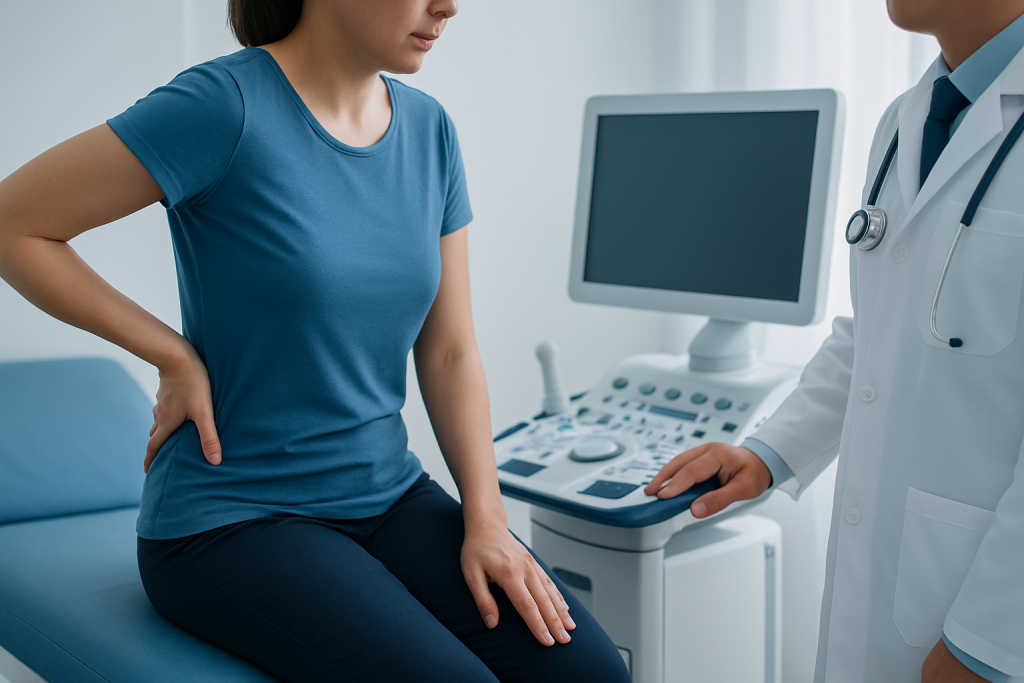
The main symptom is pain at the lower part of the buttocks where the body meets the chair. Some people describe it as a deep ache, a sharp sting when they sit down, or tenderness when they press on the area. The discomfort may be worse on hard surfaces, during cycling, or after sitting for a long time without moving.
Depending on the cause, the pain may also spread into the hamstring area, the outer hip, or the lower back. People sometimes notice stiffness when standing up after sitting, difficulty finding a comfortable position, or soreness after exercise. In cases involving inflammation or injury, the area may feel swollen or sensitive to touch.
- Pain that worsens with prolonged sitting
- Tenderness directly over the sit bones
- Discomfort during cycling, rowing, or running
- Pain when rising from a chair
- Occasional radiation into the back of the thigh
Symptoms that include fever, numbness, weakness, unexplained swelling, or pain that wakes a person from sleep should not be ignored, because they may suggest a more serious cause than simple pressure irritation.
Causes & Risk Factors

Sore sit bones can develop for several different reasons. One of the most common is repeated pressure from sitting on a hard surface for long periods, especially if posture is poor or the seat does not distribute weight well. Cyclists, rowers, office workers, and people who spend many hours in a car are often more likely to notice this type of discomfort.
Another frequent cause is irritation of the hamstring tendon where it attaches near the sit bone. This can happen after sprinting, climbing, lunging, or sudden increases in training. Bursitis, which is inflammation of the small fluid-filled sac that reduces friction near the bone, can also make the area painful. Direct trauma from a fall or a hard landing may bruise the bone or surrounding soft tissue and lead to lingering pain.
Sometimes the pain is not coming from the sit bone itself. Lower-back disorders, sacroiliac joint problems, nerve irritation, arthritis, and pelvic conditions can all produce pain that feels like it is centered under the buttock. In older adults, bone weakness or a fracture should be considered after a fall. In younger people, training errors, weak core and hip muscles, tight hamstrings, and sudden changes in activity can increase the chance of symptoms.
Diagnosis
A doctor usually begins with a detailed history: where the pain is located, when it started, what activities make it worse, and whether there was an injury or a recent change in exercise or sitting habits. A physical examination can help identify whether the tenderness is truly over the sit bone, whether nearby muscles or tendons are involved, and whether movement at the hip or lower back reproduces the pain.
If the picture is not clear, imaging may be recommended. X-rays can help look for bony injury or structural changes, while ultrasound or MRI may be more useful for tendon inflammation, bursitis, stress injury, or soft-tissue problems. The exact test depends on the suspected cause and the person’s age, medical history, and symptoms.
Because pain in this region can sometimes be referred from the spine, pelvis, or hip, diagnosis is not just about finding a tender spot. It is about matching the symptom pattern with the most likely source. That is especially important for people arranging evaluation from another country, where a well-planned consultation can make the visit more efficient and reduce unnecessary testing.
Treatment Options
Treatment depends on the cause, but many cases begin with simple measures that reduce pressure and allow irritated tissues to calm down. This may include avoiding long uninterrupted sitting, using a softer or contoured cushion, adjusting desk or car seating, and pausing activities that aggravate the area. For some people, temporary changes to sports training are needed so the tissue can recover without repeated strain.
Physical therapy is often helpful when the pain is related to muscle imbalance, tendon irritation, or posture. A therapist may focus on hip and core strengthening, hamstring flexibility, movement control, and gradual return to activity. If inflammation is prominent, a doctor may suggest general pain-relief strategies or anti-inflammatory treatment appropriate for the individual’s health profile. In selected cases, injections or other procedures may be considered when conservative care is not enough.
When an underlying problem such as a fracture, significant tendon injury, or joint disorder is identified, treatment becomes more specific. That may involve bracing, a longer rest period, targeted rehabilitation, or, in less common situations, surgery. The goal is not simply to mask the pain, but to treat the source so the person can sit, work, travel, and move comfortably again.
Prevention & Self-care
Prevention starts with reducing unnecessary pressure on the sit bones. A cushion that spreads weight more evenly, a chair with a supportive seat, and regular standing breaks can make a meaningful difference for people who sit for work or travel. Small posture adjustments often help more than people expect, especially when they are repeated throughout the day.
For active people, gradual training changes are important. Warm up before exercise, increase mileage or intensity slowly, and pay attention to hamstring tightness, hip stiffness, or pain that appears after longer sessions. Cross-training and strengthening the glutes, hips, and core may reduce strain on the area over time.
- Take brief movement breaks every 30 to 60 minutes if possible
- Use a padded or pressure-relieving cushion when needed
- Avoid sudden jumps in running, cycling, or rowing volume
- Maintain flexible hamstrings and strong hip stabilizers
- Seek early assessment if soreness is recurrent or one-sided
At home, ice or gentle heat may ease discomfort depending on what feels better for the individual, but these measures should be used as supportive care rather than a substitute for diagnosis if symptoms are persistent. For international patients, planning follow-up before leaving the country can be helpful if the pain has been part of a larger rehabilitation or sports injury recovery path.
When to See a Doctor
Medical review is sensible when sore sit bones last more than a short period, keep returning, or interfere with sitting, work, sleep, or exercise. A doctor should also be consulted after a fall, if there is visible swelling or bruising, or if the pain is getting worse instead of better.
Prompt assessment is especially important if the pain comes with numbness, leg weakness, fever, unexplained weight loss, bowel or bladder changes, or pain that seems to come from the back or pelvis rather than the sit bone itself. These features can suggest a condition that needs earlier diagnosis and a more specific treatment plan.
People who travel for care often appreciate a clear, stepwise approach: confirm the source of pain, decide whether imaging is needed, and build a recovery plan that is realistic after returning home. Acibadem Health Point’s multidisciplinary specialists and JCI-accredited hospitals diagnose and treat this condition for international patients with that kind of coordinated care in mind.
Frequently asked questions
01What does “sore sit bones” usually mean?
It usually refers to pain around the bony points under the pelvis that bear weight when sitting. The term describes a location, not a specific diagnosis, so several different conditions can cause it.
02Is sore sit bone pain the same as tailbone pain?
Not exactly. Sit bone pain is felt lower and more to the sides under the buttocks, while tailbone pain is centered at the coccyx in the midline. A doctor can help tell the difference because the treatment may differ.
03Can sitting too long cause sore sit bones?
Yes, prolonged pressure on a hard seat can irritate the soft tissues around the ischial tuberosities. This is more likely when a person also has poor posture, limited movement breaks, or a recent increase in sitting time.
04Does sore sit bone pain mean something is broken?
Not usually, but a fracture or stress injury is possible after a fall, especially in older adults or people with weaker bones. Persistent pain after trauma should be assessed rather than assumed to be simple soreness.
05What kind of doctor treats sore sit bones?
An orthopedist, sports medicine specialist, or rehabilitation doctor often evaluates this type of pain. Depending on the cause, physical therapists and other specialists may also be part of care.
06When should someone get imaging for sit bone pain?
Imaging is considered when the diagnosis is unclear, symptoms follow an injury, or pain does not improve with initial care. A clinician decides whether X-ray, ultrasound, or MRI is the most useful test.
This article is for general information only and is not a substitute for professional medical advice. Please consult a qualified doctor about your individual situation.
Joint and spine care in Turkey — expert assessment & treatment
JCI-accredited · board-certified surgeons · reply within 24h
Add us as a Preferred Source to see more of our trusted health content across Google Search, AI Overviews and Discover.