What Is Saddleback Nose? A Complete Medical Guide

Key Takeaways
- Saddleback nose describes a visible depression along the nasal bridge, often caused by loss of structural support.
- It can happen after trauma, surgery, inflammatory disease, infection, or repeated pressure on the nose.
- Some people notice only a shape change, while others develop nasal blockage, crusting, or reduced airflow.
- Diagnosis usually includes a careful history, nasal examination, and sometimes imaging or specialist tests.
- Treatment depends on the cause and may include medical therapy, observation, or reconstructive surgery.
Saddleback nose is a change in the shape of the nose where the bridge sinks inward, creating a flattened or “scooped” profile. It may be cosmetic only, or it may signal an underlying condition that affects the nasal septum, breathing, or the supporting cartilage and bone.
Overview
Saddleback nose is the term used when the bridge of the nose loses its normal height and begins to look sunken or “collapsed.” In medical language, this pattern is often called a saddle nose deformity. The change can be mild and mainly cosmetic, or it can reflect a deeper problem in the cartilage and bone that support the nasal framework.
For some people, the condition develops slowly and is first noticed in photographs or during a mirror check. For others, it appears after an injury, an operation, or a long-standing inflammatory condition. Because the nose plays a role in both appearance and breathing, an ENT specialist typically looks at the visible shape and the inside of the nose together, rather than treating it as a purely cosmetic concern.
When someone is deciding whether to seek care from another country, it is helpful to think beyond the surface change. International patients often need a clear answer about what caused the deformity, whether the nasal lining is healthy enough for repair, and whether surgery should wait until the underlying condition is stable. Those questions guide the whole plan.
Symptoms
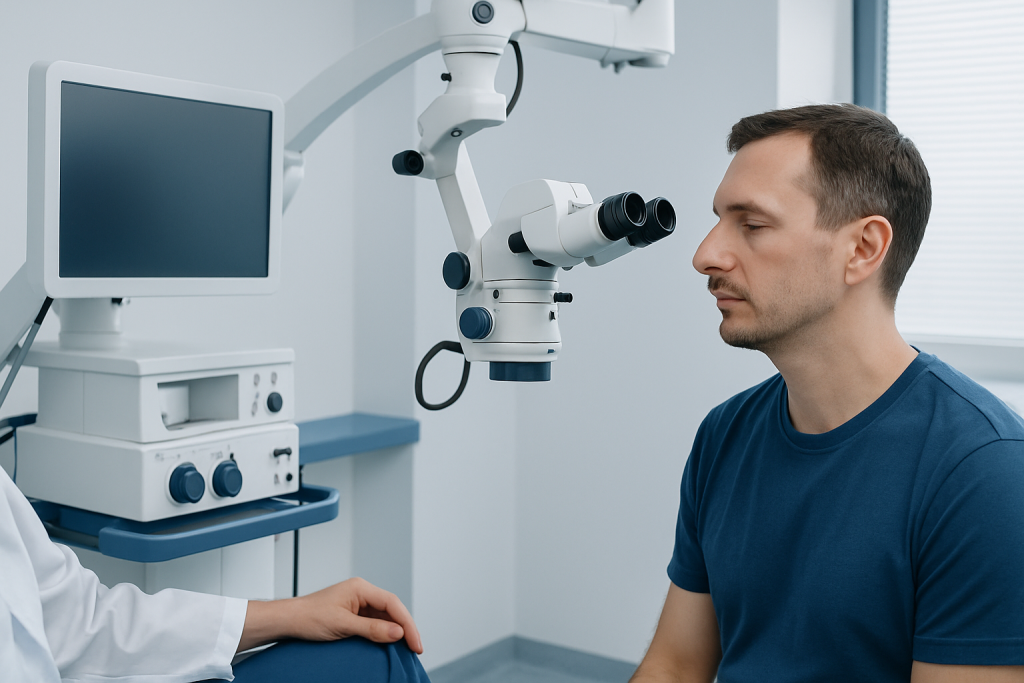
The most obvious sign is a dip or flattening across the nasal bridge. The tip of the nose may appear to rotate upward, and the middle portion of the nose can look shortened or less supported. The change may be subtle at first, especially in profile view, but more noticeable over time.
Not everyone has breathing problems, yet many people do report nasal obstruction, a sense of nasal collapse during inhalation, or chronic congestion that does not improve with routine cold remedies. Some also develop crusting, dryness, nosebleeds, reduced airflow through one or both nostrils, or a whistling sound when breathing.
If the saddleback shape is related to inflammation, infection, or autoimmune disease, there may be other symptoms as well. These can include facial pain, sinus symptoms, joint complaints, skin changes, fever, or general fatigue. The extra symptoms matter because they often point to the real cause rather than the nose shape alone.
Causes & Risk Factors

Saddleback nose happens when the structural support of the nose weakens. That support usually comes from the septum, cartilage, and surrounding bone. If the framework is damaged, removed, infected, or chronically inflamed, the bridge can settle inward.
Common causes include trauma such as fractures, sports injuries, or accidents; previous nasal surgery; repeated nose picking or pressure; and certain infections or inflammatory disorders that affect the septum or cartilage. Less commonly, the condition is linked to autoimmune diseases, granulomatous disease, or congenital problems that alter nasal development.
Risk is higher when the nose has already been injured or operated on, when healing has been poor, or when an underlying disease continues to attack the tissue. Heavy cocaine use can also damage the nasal septum and should be considered in the medical history, because it may change both the diagnosis and treatment approach.
In international-patient settings, the cause can be especially important before travel or surgery. A specialist may want records from previous procedures, scans, or biopsy results, because reconstruction is usually planned differently if the underlying tissue loss is stable versus actively progressing.
Diagnosis
Diagnosis starts with a detailed medical history. A doctor will ask when the change began, whether there was an injury or operation, whether breathing has changed, and whether there are symptoms suggesting inflammation, infection, or autoimmune disease. Previous photographs can sometimes help show how the nose has changed over time.
The physical examination usually includes inspection of the outside of the nose and internal examination with a nasal speculum or endoscope. The specialist looks for septal perforation, crusting, scar tissue, valve collapse, or signs that the lining is inflamed. These findings help separate a shape issue from an airway problem.
Depending on the case, imaging such as CT may be used to assess the nasal bones, septum, and sinuses. Blood tests or biopsy are sometimes needed when a systemic disease is suspected. The goal is not only to confirm saddleback nose, but also to identify what is driving it and whether the condition is stable enough for repair.
Treatment Options
Treatment is individualized. If the condition is mild and breathing is normal, observation may be appropriate. When an inflammatory disease or infection is present, the first priority is to control that underlying problem. Reconstructive surgery is usually considered only after the cause has been addressed and the nasal tissues are suitable for repair.
When surgery is recommended, the approach depends on how much support is missing and whether the nasal lining and septum can be used. Surgeons may rebuild the bridge with cartilage grafts, bone grafts, or other structural materials. In some cases, revision procedures are needed if a previous operation contributed to the deformity or if the first reconstruction did not hold over time.
Breathing concerns are often treated at the same time as appearance. If the internal nasal valves are weak or the septum is damaged, the surgeon may combine reconstructive steps so the nose looks more balanced and functions better. For patients traveling internationally, this often means planning enough time for preoperative assessment, recovery, and follow-up before returning home.
Because treatment can be complex, patients benefit from an ENT or facial plastic surgeon who understands both airway function and nasal reconstruction. In some centers, multidisciplinary teams help coordinate the work-up, operative planning, anesthesia review, and postoperative care for international patients.
Prevention & Self-care
Not every case can be prevented, but some causes are avoidable. Protecting the nose from injury, using sports safety equipment when appropriate, and seeking early care after a nasal fracture can reduce the risk of later collapse. It is also wise to avoid repeated pressure on the bridge of the nose, including habits that irritate the nasal septum.
If a person has a diagnosed inflammatory disease, staying engaged with medical follow-up is important. Treatments that control inflammation or infection may help protect the nasal framework from further damage. People should also tell a clinician about any prior nasal surgery, drug exposure, or persistent crusting, even if these details feel unrelated.
At home, gentle nasal hygiene may help if dryness and crusting are present, but self-care cannot rebuild lost support. Because the condition can involve both structure and disease activity, trying to “wait it out” is not always the best strategy, especially when breathing becomes harder or the shape changes continue.
When to See a Doctor
A medical evaluation is a good idea if the bridge of the nose has changed shape, especially if the change happened after an injury, surgery, infection, or persistent inflammation. Even when the change seems small, early assessment can make it easier to understand whether the condition is stable or progressing.
Prompt care is particularly important if there is nasal blockage, recurring nosebleeds, crusting, pain, discharge, a whistling sound during breathing, or a feeling that the nose is collapsing when breathing in. These features may mean the nasal support is weakening or the inside of the nose is affected.
It is also sensible to seek medical advice if saddleback nose appears together with symptoms outside the nose, such as joint pain, fever, sinus problems, or unexplained fatigue. Those clues can point to a broader condition that should be treated before reconstruction is planned.
For people considering treatment abroad, it is best to arrange specialist review before travel rather than after arrival without records. A coordinated ENT evaluation can clarify the cause, determine whether surgery is appropriate, and outline realistic recovery expectations. Acibadem Health Point’s multidisciplinary specialists and JCI-accredited hospitals diagnose and treat this condition for international patients.
Living With Saddleback Nose
Living with saddleback nose affects people in different ways. Some are mainly concerned about appearance, while others feel the impact every time they breathe, sleep, exercise, or speak. A thoughtful treatment plan should address both the physical and emotional sides of the condition.
If surgery is not immediate, the person may still benefit from a clear follow-up plan. That may include monitoring the shape of the nose, managing dryness or obstruction, and watching for signs that the underlying disease is active. Good communication with the care team helps prevent surprises later, especially for patients who must coordinate care across countries and time zones.
The condition is not something to dismiss, but it is also not a reason for panic. With the right evaluation, many people can understand why it developed and what options make sense next.
Related Conditions to Know
Saddleback nose is sometimes discussed alongside other nasal structural problems, but it is not the same as every change in nasal appearance. A deviated septum, nasal valve collapse, septal perforation, and post-traumatic deformity can overlap with it or contribute to it.
In some cases, an ENT specialist will also consider sinus disease, autoimmune conditions, or previous cosmetic or functional surgery when building the diagnosis. This broader view matters because the nose rarely changes shape without a reason. Understanding that reason is what leads to a durable treatment plan.
If the diagnosis is uncertain, it is reasonable to ask whether further imaging, endoscopy, laboratory testing, or referral to another specialist is needed before any reconstruction is scheduled.
Frequently asked questions
01What is saddleback nose in simple terms?
Saddleback nose means the bridge of the nose has sunk inward, creating a flattened or collapsed look. It may involve the cartilage, the septum, the nasal bones, or a combination of these structures. Some people notice only the change in shape, while others also have breathing problems.
02Is saddleback nose always caused by an injury?
No. Injury is a common cause, but not the only one. Previous surgery, infections, inflammatory diseases, and other conditions that weaken nasal support can also lead to it.
03Can saddleback nose affect breathing?
Yes, it can. When the internal support of the nose weakens, airflow may narrow and the nasal valves can collapse during breathing. Some people mainly notice congestion, reduced airflow, or a whistling sound.
04How do doctors confirm the cause?
Doctors usually start with a medical history and a nasal examination, then use imaging or lab tests if needed. They may also look for signs of septal damage, inflammation, infection, or autoimmune disease. The cause matters because treatment depends on it.
05Is surgery always needed?
No, not always. If the deformity is mild and breathing is fine, monitoring may be enough. Surgery is usually considered when there is structural loss, a functional problem, or a stable underlying condition that needs reconstruction.
06Can saddleback nose come back after treatment?
It can recur if the underlying cause is still active or if the nasal support continues to weaken. That is why specialists focus on both the structure and the reason it changed. Careful follow-up after treatment helps support long-term results.
This article is for general information only and is not a substitute for professional medical advice. Please consult a qualified doctor about your individual situation.
Explore treatments in Turkey — costs, top hospitals & a free quote
JCI-accredited · board-certified surgeons · reply within 24h
Add us as a Preferred Source to see more of our trusted health content across Google Search, AI Overviews and Discover.