What Is Root Canal Turkey? A Complete Medical Guide

Key Takeaways
- Root canal treatment aims to save a tooth that is badly decayed, infected, or painful.
- The procedure usually relieves pain rather than causing it, because local anesthesia is used.
- Good diagnosis matters, since some teeth can be treated with a filling or crown instead of a root canal.
- Recovery is often straightforward, but the tooth may still need a crown or other final restoration.
- Traveling for dental care requires planning for aftercare, timing, and communication with the dental team.
Root canal treatment in Turkey is dental care that removes infected or inflamed tissue from inside a tooth, cleans the root canals, and helps preserve the natural tooth. For international patients, it may be part of a planned dental visit that includes diagnosis, treatment, and follow-up care with a qualified endodontic or general dentist.
Overview
Root canal treatment in Turkey refers to the same procedure offered elsewhere: a dentist or endodontist treats infection or damage inside a tooth to try to keep the natural tooth in place. The phrase is often used by international patients who are comparing treatment options abroad and want to understand what the procedure involves, how it is planned, and what recovery may look like after travel.
At its core, root canal therapy is a tooth-saving treatment. Inside each tooth is soft tissue called the pulp, which contains nerves, blood vessels, and connective tissue. When that tissue becomes inflamed or infected because of deep decay, repeated dental work, cracks, trauma, or advanced gum disease, the tooth may ache, become sensitive, or develop an abscess. Treatment usually involves removing the diseased pulp, disinfecting the canals, and sealing the tooth so it can function again.
For someone considering care abroad, the important question is not only “What is root canal Turkey?” but also “Is this tooth truly a candidate for root canal treatment, and what happens after the procedure?” A careful examination, X-rays, and a discussion of alternatives help answer that question before any treatment begins.
Symptoms
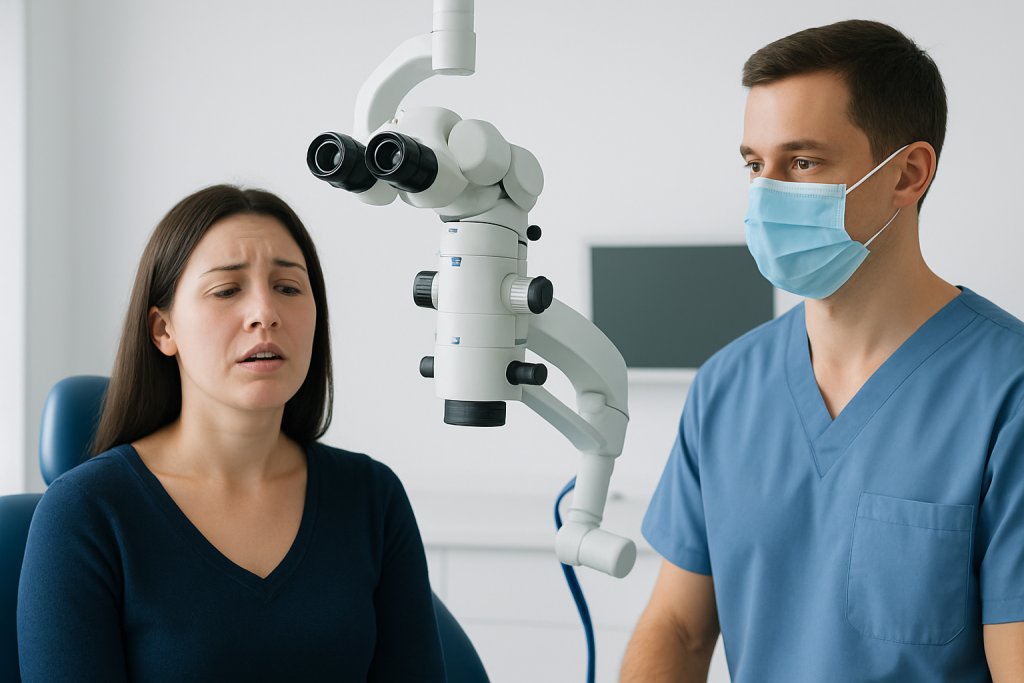
Symptoms that lead to root canal treatment can range from mild to severe, and some teeth cause no symptoms at all until the problem is advanced. Pain may be constant or only appear when chewing, drinking something hot or cold, or lying down at night. In some cases, the tooth looks darkened, feels loose, or is surrounded by a swollen gum area.
Common warning signs include:
- Persistent toothache or throbbing pain
- Sensitivity to heat or cold that lingers
- Pain when biting or chewing
- Swelling in the gums or face
- A pimple-like bump on the gum near the tooth
- Tooth discoloration or darkening
Not every painful tooth needs root canal treatment, and not every tooth that needs it will hurt dramatically. Sometimes a tooth becomes infected after the nerve has already died, which can reduce pain while the infection continues. This is one reason dental evaluation should not be delayed, especially for patients traveling from another country and hoping to complete care within a limited stay.
Causes & Risk Factors
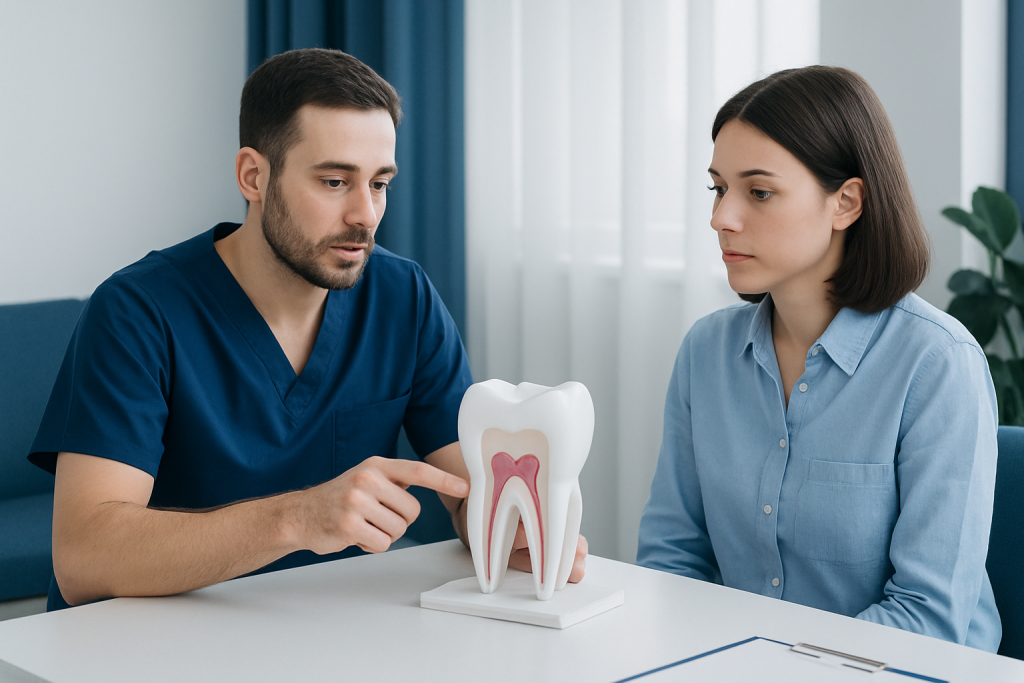
Root canal treatment is usually recommended when bacteria reach the inner part of the tooth. The most common pathway is untreated decay that moves deeper over time. Once the pulp becomes inflamed or infected, the tooth may no longer heal on its own and needs dental intervention to prevent further damage.
Several factors can increase the chance of needing root canal therapy:
- Deep cavities or longstanding tooth decay
- Cracked, chipped, or fractured teeth
- Repeated dental procedures on the same tooth
- Tooth injury or trauma, even if the crack is not visible
- Poorly sealed restorations that allow bacteria to enter
- Advanced wear, grinding, or clenching in some patients
The underlying issue is not simply “a bad tooth” but a tooth whose inner tissue has been overwhelmed by infection, inflammation, or injury. When patients seek treatment in Turkey, they may be doing so after months of intermittent symptoms or after a sudden flare-up during travel. A full clinical picture helps the dentist decide whether the tooth can be saved and whether treatment should happen immediately or in stages.
Diagnosis
Diagnosis usually begins with a dental history and a close look at the tooth and surrounding gums. The dentist asks when the pain started, what triggers it, whether the tooth has had prior fillings or trauma, and whether the patient has had recent swelling, fever, or drainage. These details help distinguish a problem inside the tooth from pain caused by the gums, jaw joint, or neighboring teeth.
Next, the dentist often uses X-rays to see the shape of the roots and check for infection around the tip of the tooth. Sometimes additional tests are used, such as gently tapping the tooth, applying cold or heat, or checking whether the tooth responds normally. In more complex cases, 3D imaging may help identify hidden canals, fractures, or the extent of infection.
For international patients, diagnosis also includes practical planning. The dental team may explain how many visits are likely needed, whether the tooth will need a temporary filling or final crown, and whether follow-up can be done locally after the patient returns home. That conversation is especially important because a root canal is not complete until the tooth is sealed and restored properly.
Treatment Options
Root canal treatment is designed to remove the source of infection while preserving the tooth. After numbing the area, the dentist creates a small opening in the tooth, removes the damaged pulp, cleans and shapes the canals, and seals them with a filling material. A temporary or permanent restoration is then placed to protect the tooth from future contamination.
The procedure may be completed in one visit or over more than one appointment, depending on the tooth, the degree of infection, and the dentist’s treatment plan. Some teeth are straightforward; others have narrow or curved canals that require more time and precision. If an infection is significant, medication may be placed inside the tooth between visits, but antibiotics alone are not a substitute for proper dental treatment when the inside of the tooth is the source of the problem.
After the canal system is treated, many teeth need a crown, especially if they are back teeth or have lost a lot of tooth structure. A crown helps protect the tooth from cracking and supports long-term chewing function. In some cases, if the tooth is too damaged, a root canal may not be the right option and extraction followed by replacement may be discussed instead. The best choice depends on the tooth’s structure, location, and overall condition.
Recovery and Aftercare
After root canal treatment, it is common for the tooth and surrounding area to feel tender for a few days. This discomfort usually improves gradually and is often manageable with standard aftercare recommended by the dentist. Patients are generally advised to avoid chewing hard foods on the treated side until the tooth has its final restoration.
Good aftercare usually includes keeping the area clean, following instructions for temporary fillings or crowns, and attending the planned follow-up visit. If a temporary restoration is loose or falls out, the patient should contact the dental clinic promptly, because the tooth can be exposed to bacteria again. For those who traveled to Turkey for treatment, it is wise to know in advance how follow-up will be handled if a second appointment is needed after returning home.
Travel plans should allow a little flexibility. Although many people resume normal activities quickly, long journeys, fatigue, and changes in schedule can make post-treatment discomfort feel more noticeable. Hydration, rest, and avoiding very hard or sticky foods during the early recovery period can make the process smoother.
Prevention & Self-care
Not every root canal can be prevented, but many can be avoided by protecting the teeth before decay or trauma progresses. Daily brushing with fluoride toothpaste, flossing, and regular dental checkups remain the most reliable ways to reduce the risk of deep infection. Early treatment of cavities is especially important, because a small filling is far simpler than treating an infected tooth later.
Patients who grind their teeth may also benefit from discussing a night guard with a dentist, since repeated pressure can contribute to cracks and restoration failure. Wearing a mouthguard during sports can reduce the chance of traumatic dental injury. For people traveling internationally for dental work, preventive care at home is still valuable after the trip, because the treated tooth needs the same ongoing protection as any other tooth.
Self-care also means paying attention to changes that should not be ignored. New sensitivity, swelling, bad taste, or pain when biting should be assessed early rather than waiting for a long trip to end. Catching a problem sooner may open the door to simpler treatment and less disruption to travel plans.
When to See a Doctor
A dentist should be seen promptly if tooth pain lasts more than a day or two, gets worse, or is accompanied by swelling, fever, or difficulty chewing. Even when the pain fades, a darkened tooth or a gum bump can signal a problem that still needs treatment. In dental care, quiet symptoms do not always mean the tooth has recovered.
Patients who are planning treatment abroad should seek evaluation before travel whenever possible, especially if they already know a tooth may need root canal therapy. That gives the dental team time to review X-rays, discuss whether the tooth is restorable, and decide whether treatment can be completed safely within the planned stay. If symptoms begin suddenly during a trip, urgent dental assessment is appropriate rather than waiting for return travel.
Acibadem Health Point can support international patients with multidisciplinary specialists and JCI-accredited hospitals that diagnose and treat dental conditions, including root canal cases, in a coordinated setting. The key is not where treatment happens, but that it is delivered by a qualified dental professional with a clear plan for restoration and follow-up.
Frequently Asked Questions
This section answers common questions patients ask when comparing root canal care abroad. The answers are general and should not replace an individual dental examination.
Frequently asked questions
01What is root canal treatment in simple terms?
Root canal treatment removes infected or damaged tissue from inside a tooth and seals the inside spaces to help save the tooth. It is used when the pulp cannot heal on its own. The goal is to keep the natural tooth in place rather than remove it.
02Is root canal treatment painful?
The procedure is usually performed with local anesthesia, so it should not feel painful during treatment. Some soreness or tenderness afterward is common, especially if the tooth was already inflamed. Most patients find that the pain from the infection improves after treatment begins.
03How long does a root canal take?
The length depends on the tooth and how complex the canal system is. Some cases can be completed in one visit, while others need more than one appointment. A dentist can estimate the timeline after examining the tooth and reviewing X-rays.
04Do all teeth that need root canal treatment also need a crown?
Not always, but many back teeth do benefit from a crown because they carry heavy chewing forces. Front teeth may sometimes be restored differently, depending on how much tooth structure remains. The final restoration is important because it protects the tooth after the canal treatment.
05Can antibiotics cure a tooth that needs a root canal?
Antibiotics may sometimes be used when infection has spread beyond the tooth, but they do not remove the source inside the tooth. If the pulp is infected or dead, the tooth usually still needs dental treatment. A dentist decides when medication is useful and when a root canal is needed.
06Is it safe to travel after root canal treatment?
Many patients travel after treatment if they feel well and the dentist has provided clear instructions. It is still important to plan for any follow-up appointments and know what to do if a temporary filling becomes loose or pain worsens. Patients should keep contact details for the clinic in case questions arise after returning home.
This article is for general information only and is not a substitute for professional medical advice. Please consult a qualified doctor about your individual situation.
Explore treatments in Turkey — costs, top hospitals & a free quote
JCI-accredited · board-certified surgeons · reply within 24h
Add us as a Preferred Source to see more of our trusted health content across Google Search, AI Overviews and Discover.