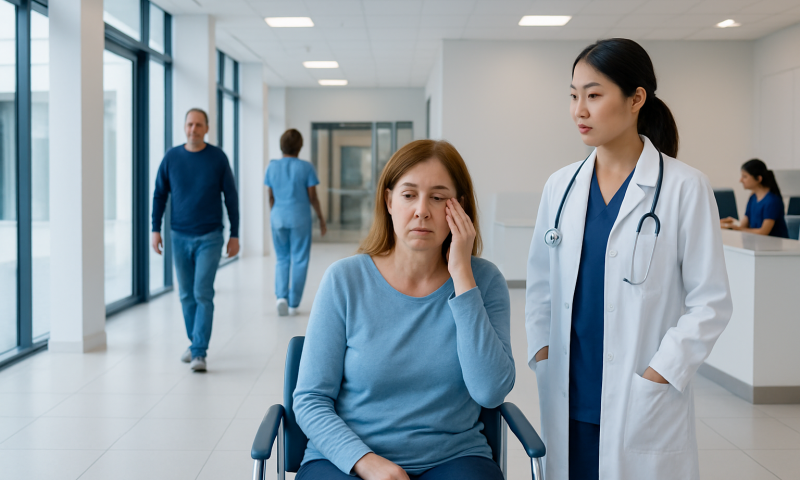
What Is Post Viral Fatigue? A Complete Medical Guide

Key Takeaways
- Post viral fatigue is common after some viral infections and may last days, weeks, or longer.
- Symptoms often include exhaustion, brain fog, sleep changes, and reduced tolerance for physical or mental effort.
- A doctor may evaluate for anemia, thyroid problems, inflammation, sleep disorders, or post-infectious complications.
- Recovery usually focuses on pacing, gradual return to activity, hydration, nutrition, and sleep support.
- New, severe, or persistent symptoms should be assessed, especially if breathing, chest pain, fainting, or neurological changes occur.
Post viral fatigue is a lingering state of tiredness, low energy, and reduced stamina that can follow a viral infection even after the acute illness has improved. It often gets better with time, but persistent or worsening symptoms deserve medical evaluation to rule out other causes and guide recovery.
Overview
Post viral fatigue is a prolonged feeling of tiredness, weakness, and low stamina that continues after a viral infection has started to improve. A person may no longer have fever or the main symptoms of the virus, yet still feel unusually drained, foggy, or unable to keep up with normal daily tasks.
It is not a single disease with one fixed cause. Instead, it is a recovery pattern seen after many viral illnesses, including influenza, COVID-19, glandular fever, and other common infections. For some people, the body simply needs more time to reset; for others, the fatigue may be part of a broader post-infectious syndrome that needs medical review.
For international patients who are considering care abroad, the key question is often not only “What is this?” but “Is it safe to keep waiting?” The answer depends on how long the symptoms have lasted, whether they are improving, and whether any warning signs are present. A careful medical assessment can separate expected recovery from conditions that need treatment.
Symptoms

The hallmark symptom is tiredness that feels disproportionate to daily activity. Rest may help only partially, and ordinary effort such as shopping, climbing stairs, concentrating on work, or socializing may feel more difficult than before the illness.
People often describe a cluster of changes rather than tiredness alone. These can include brain fog, reduced exercise tolerance, muscle aches, sleep that feels unrefreshing, headaches, light sensitivity, dizziness, or a sense that symptoms worsen after physical or mental exertion.
- Persistent exhaustion or low energy
- Difficulty focusing or remembering
- Needing more sleep than usual, or sleeping poorly
- Shortness of breath or heart racing with mild activity
- General weakness, body aches, or heaviness
Not everyone experiences the same pattern. In some people, symptoms are mild and gradually fade. In others, fatigue can interfere with work, travel, parenting, or rehabilitation after the original infection has passed.
Causes & Risk Factors
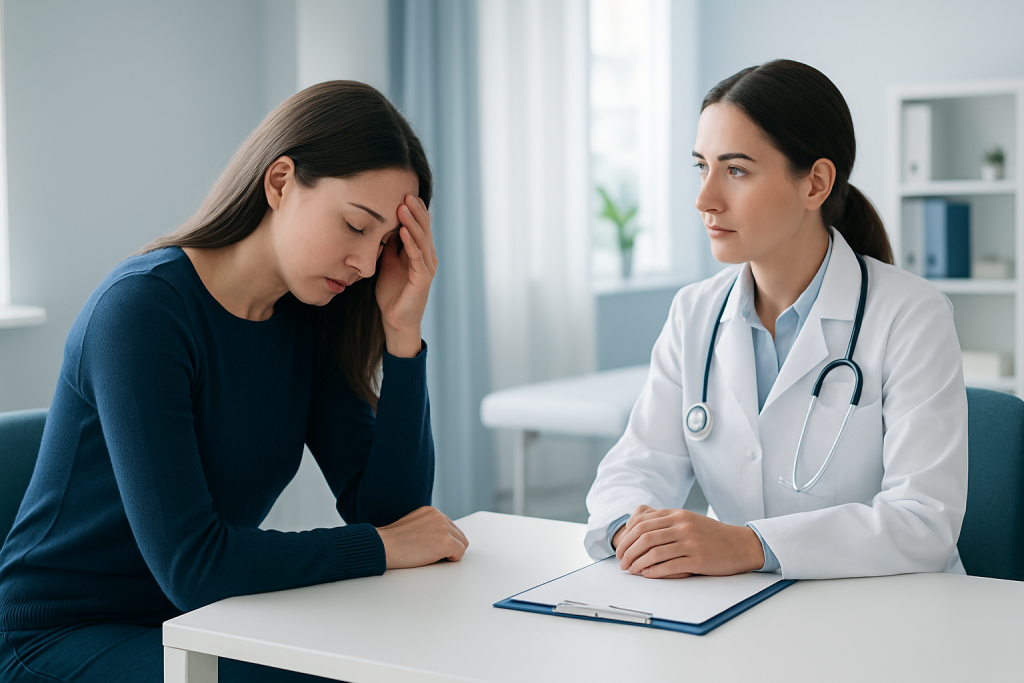
Researchers believe post viral fatigue may reflect a combination of immune system activity, inflammation, altered energy metabolism, sleep disruption, and deconditioning after illness. During and after viral infections, the body may remain in a recovery state longer than expected, making even small tasks feel unusually demanding.
Some infections are more commonly followed by lingering fatigue, particularly when the illness was severe, prolonged, or involved significant inflammation. However, even a mild infection can sometimes be followed by extended tiredness, and the pattern is not always predictable from the initial illness alone.
Risk may be higher when a person has had a difficult recovery, limited sleep, high stress, poor nutrition, pre-existing anemia or thyroid disease, or a history of post-infectious symptoms. Age, overall fitness, and the presence of other medical conditions can also influence how quickly energy returns.
Diagnosis
There is no single test that confirms post viral fatigue. Diagnosis usually begins with a doctor listening to the timeline: when the viral illness started, when the acute symptoms improved, and how the fatigue has changed since then. This history is often the most important part of the evaluation.
A clinician may check for other causes of tiredness because many conditions can look similar. Depending on the situation, this may include blood tests for anemia, iron status, thyroid function, inflammation, infection markers, blood sugar, vitamin deficiencies, or liver and kidney function. If symptoms suggest a more specific problem, additional testing may be recommended.
The goal is not to label fatigue too quickly, but to make sure nothing important is being missed. If a person has chest pain, fainting, persistent shortness of breath, palpitations, neurological symptoms, or significant weight loss, the evaluation may need to be more urgent and more detailed.
Treatment Options
Treatment is usually supportive and individualized because recovery can vary widely. Many people improve with a combination of rest, symptom management, and a gradual return to normal activity that respects the body’s current limits rather than forcing a rapid rebound.
One of the most useful approaches is pacing. This means spreading out activities, taking breaks before exhaustion sets in, and avoiding the common cycle of doing too much on a “better” day and then crashing afterward. Gentle movement may help some people, but the pace should be slow enough that symptoms do not noticeably worsen.
Doctors may also address contributors such as poor sleep, dehydration, pain, anxiety, or nutritional gaps. If the evaluation shows another condition — such as anemia, asthma, thyroid disease, sleep apnea, or a post-infectious complication — treatment should target that problem directly.
- Rest and activity pacing
- Gradual, symptom-guided return to exercise
- Sleep hygiene and regular routines
- Balanced meals and adequate fluids
- Treatment of any identified underlying condition
For patients traveling for care, follow-up planning matters. A clear discharge summary, test results, and a recovery plan can help the person continue care safely after returning home, especially if symptoms have not fully resolved.
Prevention & Self-care
Not every case of post viral fatigue can be prevented, but sensible recovery habits may reduce strain on the body. During and after an infection, it helps to prioritize rest, hydration, and nutrition instead of trying to return immediately to full activity.
Self-care is most effective when it is realistic. That often means accepting a slower pace for a few weeks, setting smaller daily goals, and monitoring which activities trigger setbacks. Keeping a simple symptom diary can help a doctor see patterns, such as worsening after exertion or poor sleep.
Helpful everyday measures may include:
- Getting enough sleep at consistent times
- Eating regular meals with protein, complex carbohydrates, fruits, and vegetables
- Drinking fluids steadily through the day
- Avoiding abrupt return to intense exercise
- Reducing alcohol and other factors that worsen dehydration or sleep quality
Emotional support also matters. Lingering fatigue can be frustrating and may affect work, family life, and mood. Clear communication with employers, schools, or relatives can reduce pressure while recovery is still underway.
When to See a Doctor
Medical review is sensible if fatigue lasts longer than expected, interferes with daily life, or is not improving over time. It is also important to seek assessment if the original viral illness was followed by new symptoms rather than gradual recovery.
More urgent attention is appropriate if there is chest pain, trouble breathing, fainting, confusion, severe weakness, high fever returning after improvement, signs of dehydration, or one-sided neurological symptoms such as weakness or speech difficulty. These features are not typical of simple recovery fatigue and should be evaluated promptly.
A doctor can help decide whether the pattern fits post viral fatigue or whether a different diagnosis needs to be considered. In some cases, rehabilitation support, cardiac or pulmonary evaluation, sleep assessment, or specialist review may be helpful. Acibadem Health Point offers multidisciplinary specialists and JCI-accredited hospitals that diagnose and treat this condition for international patients, with coordinated evaluation when symptoms need a more complete workup.
Recovery Outlook
Many people gradually regain their energy as the body completes its recovery from the infection. Improvement may be uneven, with better days followed by setbacks after overexertion, stress, or poor sleep. That pattern can still be part of recovery, but persistent decline should be discussed with a clinician.
The outlook depends on the underlying infection, overall health, and whether another medical issue is contributing to the fatigue. People who pace their activities, address sleep and nutrition, and get timely medical review when needed often recover more comfortably than those who try to push through symptoms without support.
Because fatigue is a symptom rather than a diagnosis by itself, the most practical goal is careful observation. If energy does not return in a reasonable timeframe, or if daily function remains limited, a structured medical evaluation can help clarify the next steps.
Living With Ongoing Fatigue
When recovery takes longer than expected, daily life may need temporary adjustments. Shorter work blocks, planned rest periods, lighter household tasks, and help from family or coworkers can make the difference between steady improvement and repeated setbacks.
It can also help to treat energy like a limited resource while the body recovers. Many people do better when they choose one or two important tasks per day rather than trying to “catch up” on everything at once. That approach is not a sign of weakness; it is often the most efficient way to regain function safely.
If symptoms continue for several weeks or are affecting mental health, the person should speak with a doctor. Fatigue that is acknowledged early is easier to manage than fatigue that is repeatedly dismissed or overstrained.
Frequently asked questions
01How long does post viral fatigue usually last?
The duration varies widely. Some people recover in a few days or weeks, while others notice symptoms for longer. If fatigue is persistent, worsening, or interfering with daily life, a medical review is sensible.
02Is post viral fatigue the same as chronic fatigue syndrome?
Not necessarily. Post viral fatigue can happen after an infection and may improve over time, while chronic fatigue syndrome, also called ME/CFS, is a more specific long-term condition with particular diagnostic criteria. A doctor can help distinguish between them if symptoms persist.
03Can exercise make post viral fatigue worse?
It can, especially if activity is increased too quickly. Many people do better with pacing and a gradual, symptom-guided return to movement rather than pushing through exhaustion. If activity reliably causes a symptom flare, that should be discussed with a doctor.
04What tests might a doctor order?
Common tests may include blood counts, thyroid studies, iron levels, blood sugar, and other basic bloodwork depending on the history. The exact tests depend on the person’s symptoms and whether the doctor suspects another cause of fatigue.
05Does post viral fatigue mean the virus is still active?
Usually it does not. Fatigue after a viral illness often reflects the body’s recovery process rather than ongoing infection. However, persistent or unusual symptoms should still be assessed to make sure another problem is not present.
06When should international patients seek care abroad for fatigue after an infection?
Travel for care may make sense when symptoms are prolonged, the diagnosis is unclear, or specialist evaluation is needed and unavailable locally. It is important to have stable travel plans and a clear medical summary so follow-up can continue safely after returning home.
This article is for general information only and is not a substitute for professional medical advice. Please consult a qualified doctor about your individual situation.
Explore treatments in Turkey — costs, top hospitals & a free quote
JCI-accredited · board-certified surgeons · reply within 24h
Add us as a Preferred Source to see more of our trusted health content across Google Search, AI Overviews and Discover.