What Is Pale Skin? A Complete Medical Guide

Key Takeaways
- Pale skin is a sign, not a diagnosis, and it can have temporary or medical causes.
- Anemia is a common reason for pallor, but circulation changes, shock, and some illnesses can also play a role.
- Doctors evaluate pale skin by looking at symptoms, medical history, and sometimes blood tests or other examinations.
- Treatment depends on the underlying cause and may range from simple monitoring to targeted medical care.
- Seek medical advice promptly if pale skin appears with chest pain, shortness of breath, fainting, heavy bleeding, or confusion.
Pale skin, also called pallor, is a lighter-than-usual skin color that can appear suddenly or develop gradually. It is often linked to reduced blood flow, anemia, or other medical conditions, so understanding the context matters more than the color change alone.
Overview
Pale skin refers to skin that looks lighter, less pink, or less healthy-looking than usual. In medical language, this is often called pallor. It can affect the face, lips, nail beds, palms, or the lining inside the eyelids, and it may be easier to notice in some lighting than others.
The important point is that pale skin is not a disease by itself. It is a visible clue that may reflect something temporary, such as being cold or anxious, or something that deserves medical attention, such as anemia, dehydration, poor circulation, or blood loss. A careful evaluation helps determine whether it is a harmless change or a sign of an underlying condition.
For many people, the concern begins while looking in the mirror or noticing a relative seem unusually washed out before a trip, after an illness, or during recovery from surgery. In those situations, the next step is not to guess from the color alone, but to look at the full picture: energy level, breathing, heart rate, bleeding history, and other symptoms that travel with the change.
Symptoms and how pale skin appears
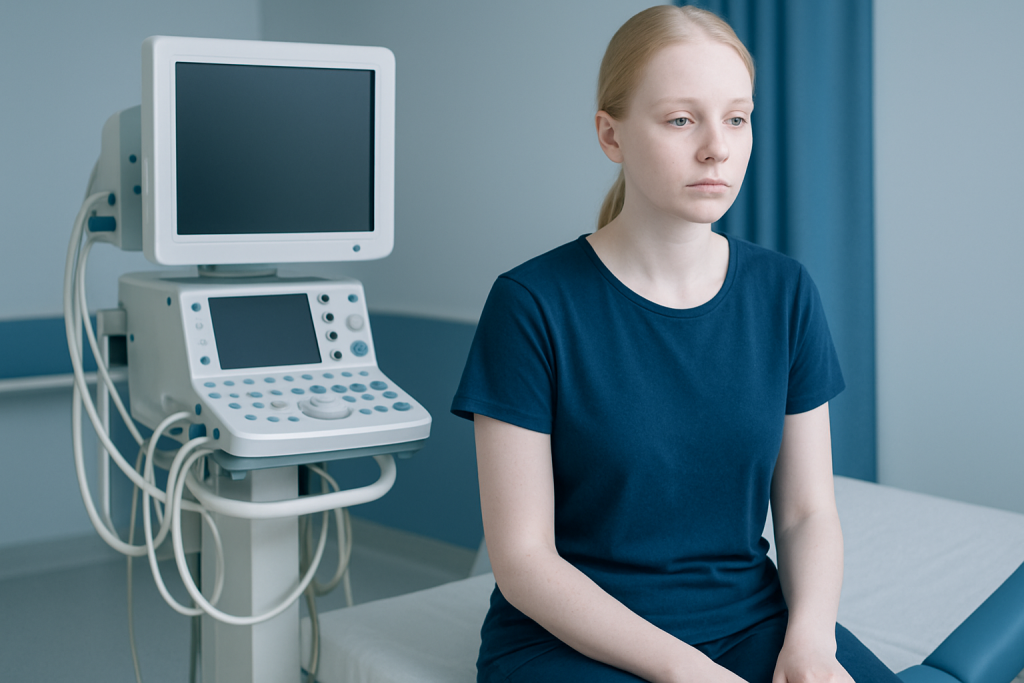
Pallor may be subtle or obvious. Some people notice that the face looks less flushed than usual, while others first see it in the inner eyelids, gums, fingertips, or nail beds. In darker skin tones, pallor may be easier to detect in these lighter areas rather than in the skin surface itself.
Pale skin can occur on its own, but it is often accompanied by other symptoms that give the real clue. Fatigue, dizziness, shortness of breath with activity, a fast heartbeat, cold hands and feet, headaches, or reduced exercise tolerance may suggest that the body is not carrying enough oxygen or blood volume.
These symptoms matter because they help separate a short-lived skin color change from a broader medical issue. For example, someone who feels pale after standing up quickly may be dehydrated, while someone with heavy menstrual bleeding and tiredness may have iron deficiency anemia. The pattern and timing are often more useful than the appearance alone.
Causes and risk factors

The most common cause of pale skin is anemia, a condition in which the blood has too little hemoglobin or too few red blood cells to carry oxygen well. Iron deficiency is a frequent reason, but anemia can also result from vitamin B12 or folate deficiency, chronic disease, bone marrow disorders, or inherited blood conditions.
Other causes include reduced blood flow to the skin, which can happen during cold exposure, stress, fainting episodes, or shock. Blood loss from surgery, injury, gastrointestinal bleeding, or heavy menstrual periods may also lead to pallor, especially if the loss is significant or ongoing. Certain medications or medical treatments can contribute indirectly by affecting blood counts or circulation.
Risk is higher in people with known anemia, recent illness, poor dietary intake, pregnancy, chronic kidney disease, inflammatory disorders, or a history of bleeding. Children, older adults, and people traveling long distances for care may also be more vulnerable because their symptoms can build gradually and be mistaken for simple tiredness or jet lag.
How doctors diagnose the cause
Diagnosis begins with a conversation and a physical examination. A doctor will ask when the pale skin started, whether it came on suddenly or gradually, and whether it appears in the face, lips, or inside the eyelids. Questions about diet, menstrual bleeding, medications, recent infection, travel, surgery, and family history help narrow the possibilities.
Blood tests are often the next step. A complete blood count can show whether anemia is present, and additional tests may check iron levels, vitamin B12, folate, kidney function, inflammation, or signs of bleeding. If the cause is not clear, a doctor may recommend stool testing for hidden blood, a review of medicines, or further evaluation of the heart, lungs, or digestive system.
The goal is not simply to confirm pallor, but to explain it. That distinction matters for people seeking care from another country, because a well-organized diagnostic visit can prevent repeated testing and help create a practical treatment plan that can be followed both locally and after returning home.
Treatment options
Treatment depends entirely on the cause. If pale skin is related to anemia, care may focus on restoring iron, vitamin B12, or folate when those are low, or on managing the condition that is causing the anemia. If bleeding is the issue, the priority is to identify and stop the source, whether it is heavy menstrual bleeding, a digestive tract problem, or another cause.
When pallor comes from dehydration, low blood pressure, or temporary reduced circulation, the solution may be simple supportive care and observation. If it is linked to a more serious problem such as significant blood loss, infection, or heart-related instability, treatment may need to begin promptly in a hospital setting. The right plan is based on the underlying diagnosis rather than the skin color itself.
People who travel for treatment often benefit from a coordinated approach: test results reviewed in one place, a clear explanation of the cause, and a follow-up plan that can continue after they return home. Multidisciplinary teams can be especially helpful when pallor is part of a larger condition involving blood, digestive, gynecologic, or chronic medical issues.
Prevention and self-care
Not every case of pale skin can be prevented, but some causes can be reduced with practical habits. A balanced diet that includes iron-rich foods, adequate protein, and sources of vitamin B12 and folate supports healthy blood production. People with known deficiencies should follow the nutrition and treatment plan recommended by their clinician.
It also helps to pay attention to patterns. Ongoing fatigue, frequent lightheadedness, unusually heavy periods, black stools, or shortness of breath should not be ignored simply because the skin color change seems mild. For those recovering from illness or surgery, tracking energy, hydration, appetite, and bleeding can help spot trouble early.
- Stay well hydrated, especially during illness, travel, or hot weather.
- Do not self-start iron unless a clinician has confirmed it is appropriate.
- Keep follow-up visits if anemia or bleeding has been found.
- Eat a varied diet and discuss supplements if dietary intake is limited.
Self-care is supportive, not a substitute for diagnosis. Pale skin that persists or returns repeatedly deserves medical review, even when the person otherwise feels “mostly fine.”
When to see a doctor
A doctor should be contacted if pale skin is new, unexplained, persistent, or paired with fatigue or weakness. This is especially important if the change developed after an illness, blood donation, surgery, pregnancy, heavy menstrual bleeding, or a suspected digestive bleed.
Urgent medical attention is appropriate if pale skin occurs with chest pain, shortness of breath, fainting, confusion, a very fast heartbeat, severe weakness, or signs of significant bleeding. In children, older adults, and people with chronic illness, even mild-looking pallor may deserve earlier assessment because symptoms can worsen quickly or present less clearly.
For international patients, it is reasonable to seek evaluation before traveling long distances again, especially if the cause has not been identified. Acibadem Health Point’s multidisciplinary specialists and JCI-accredited hospitals diagnose and treat conditions associated with pale skin for international patients, with care plans designed to be understandable and followable after discharge.
Living with the condition while the cause is being treated
Living with pale skin is easier when the cause is being addressed rather than guessed at. People often feel less anxious once they understand whether the pallor is linked to a temporary issue, a nutritional deficiency, or a condition that needs closer monitoring. A clear explanation from the care team can reduce uncertainty, especially when care happens far from home.
During recovery, it helps to note symptoms over time: energy, breathing, dizziness, appetite, menstrual bleeding, and any new color changes in the skin or lips. These details can be useful at follow-up, whether the appointment is in person or remote. If a person has been treated abroad, keeping copies of test results and discharge notes makes later care safer and more efficient.
Most importantly, pale skin should be treated as information. When it is interpreted in context, it can lead to a timely diagnosis and a plan that restores health rather than leaving people to worry about the appearance alone.
Frequently asked questions
01Is pale skin always a sign of anemia?
No. Anemia is a common cause, but pale skin can also happen with cold exposure, anxiety, dehydration, low blood pressure, blood loss, or circulation problems. The accompanying symptoms and medical history help determine the true cause.
02How can a person tell if pale skin is serious?
Pallor becomes more concerning when it appears suddenly, persists, or comes with weakness, shortness of breath, fainting, chest pain, or bleeding. Those situations should be assessed by a doctor promptly.
03Where is pale skin easiest to notice?
Doctors often look at the inner eyelids, lips, nail beds, palms, and gums because pallor may show up there more clearly than on the outer skin. In darker skin tones, these areas can be especially helpful for assessment.
04Can stress cause pale skin?
Yes, stress can sometimes cause temporary changes in blood flow that make the skin look paler. If the color change is repeated or accompanied by other symptoms, a medical evaluation is still important.
05What tests are commonly used for pale skin?
A complete blood count is commonly ordered first, and doctors may add iron studies, vitamin levels, kidney tests, or tests for bleeding depending on the situation. The exact tests are chosen based on the suspected cause.
06Can pale skin improve on its own?
Yes, if it is due to a temporary cause such as cold, dehydration, or a brief stress response, it may improve quickly. Persistent pallor, however, should be checked so the underlying issue is not missed.
This article is for general information only and is not a substitute for professional medical advice. Please consult a qualified doctor about your individual situation.
Heart care in Turkey — expert evaluation and treatment
JCI-accredited · board-certified surgeons · reply within 24h
Add us as a Preferred Source to see more of our trusted health content across Google Search, AI Overviews and Discover.