What Is One Eye Aches? A Complete Medical Guide

Key Takeaways
- One eye aches is a symptom, not a diagnosis, and the cause can range from mild irritation to a more serious eye condition.
- Common triggers include dry eye, eye strain, a foreign body, sinus pressure, infection, or inflammation.
- New vision changes, severe redness, light sensitivity, swelling, trauma, or nausea with eye pain should be assessed promptly.
- A proper eye exam helps distinguish surface problems from pressure-related or deeper eye conditions.
- Simple self-care may help mild discomfort, but ongoing or one-sided pain deserves medical evaluation.
When one eye aches, the cause is often a local eye problem such as dryness, strain, irritation, infection, or inflammation. In some cases, it can signal a condition that needs prompt medical attention, especially if vision changes, redness, swelling, or headache are present.
Overview
When one eye aches, the discomfort usually points to something affecting that eye or the structures around it rather than a body-wide illness. People often describe it as soreness, pressure, burning, stabbing pain, or a deep ache behind the eye. The symptom can be brief and harmless, or it can be the first sign of a condition that needs treatment.
The most useful first step is to notice the pattern: whether the pain is on the eye surface, behind the eye, or around the eye; whether the eye looks red or watery; and whether vision feels normal. Those details help doctors separate common causes such as dryness or strain from eye infections, inflammation, pressure changes, or injury.
For international patients arranging care from another country, that early sorting matters. A clear description of the symptoms, the timing, and any photographs of the eye can help an eye specialist decide how urgently the person should be seen and what kind of examination is most appropriate after arrival.
Symptoms
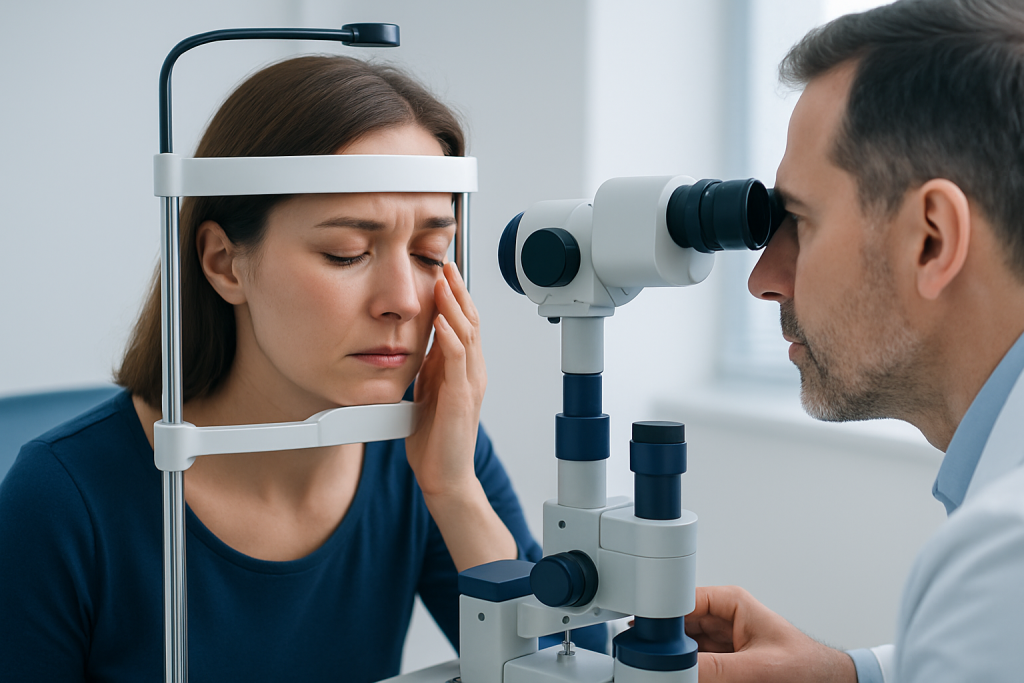
Eye pain can look very different from person to person. Some people feel an ache only when they blink or move the eye, while others notice a constant soreness or a painful pressure sensation. The pain may be mild enough to ignore for a day or severe enough to make reading, screen use, or outdoor light uncomfortable.
Associated symptoms are often more telling than the pain alone. Common accompanying signs include redness, tearing, discharge, blurred vision, sensitivity to light, headache, eyelid swelling, a gritty feeling, or the sense that something is stuck in the eye. Pain with eye movement can suggest deeper inflammation, while pain on the surface is more often linked to irritation or dryness.
Some symptoms deserve particular attention. If the eye ache comes with sudden vision loss, a fixed or unusually large pupil, marked light sensitivity, nausea, vomiting, or a recent injury, the situation should be evaluated without delay. Even when the pain seems modest, these added features can change the level of concern.
- Surface-type discomfort: burning, scratching, foreign-body sensation
- Deeper aching: pressure, soreness behind the eye, pain with movement
- Visible changes: redness, swelling, watering, discharge
- Function changes: blurred vision, light sensitivity, trouble opening the eye
Causes & Risk Factors

The most common reason one eye aches is a problem on or near the eye itself. Dry eye, eye strain from prolonged screen use, a small eyelash or dust particle, contact lens irritation, and minor scratches of the cornea can all cause one-sided pain. These issues often make the eye feel gritty, irritated, or tired rather than deeply painful.
Other causes involve inflammation or infection. Conjunctivitis, corneal inflammation, blepharitis, sinus-related pressure, and inflammatory eye conditions can create redness and discomfort in one eye. More serious but less common causes include uveitis, optic neuritis, corneal ulcers, glaucoma, and scleritis, each of which needs a careful medical assessment.
Risk factors depend on the cause. Contact lens wear, recent eye rubbing, dry environments, long hours on digital screens, allergies, facial or eye trauma, and a history of autoimmune disease can raise the chance of pain. Age, general health, and medication use can also influence risk, especially when eye pressure or inflammatory conditions are involved.
It is also important to remember that pain felt “behind” one eye is not always an eye-surface problem. Migraine, cluster headache, sinus disease, and nerve-related pain can be mistaken for eye disease. A doctor uses the full symptom pattern, not just the location of the ache, to narrow the list.
Diagnosis
Diagnosis begins with a focused history. An eye specialist will usually ask when the pain started, whether it came on suddenly or gradually, whether the person wears contact lenses, and whether there has been any trauma, infection exposure, or recent illness. Details about vision changes, headache, nausea, light sensitivity, and discharge help guide the examination.
The eye exam itself may include checking visual acuity, inspecting the eyelids and eye surface, looking at the cornea with a slit lamp, and measuring eye pressure when appropriate. If a foreign body, scratch, ulcer, or inflammation is suspected, the doctor may use special drops and dyes to highlight damage on the eye surface.
Sometimes additional tests are needed, especially when the pain seems deeper than the surface. These may include pupil testing, examination of the optic nerve, imaging for sinus or orbital concerns, or blood tests if inflammation or autoimmune disease is being considered. The goal is not only to label the symptom, but to identify the exact source so treatment can be precise and safe.
Treatment Options
Treatment depends entirely on the cause. Mild dryness or irritation may improve with lubricating drops, better screen habits, and avoiding eye rubbing. A small foreign body may need removal by a clinician, while a scratch on the cornea may be managed with protective care and close follow-up. Contact lens users are often advised to stop wearing lenses until the eye has healed.
When infection is present, treatment may include prescription eye drops or other medications chosen according to the suspected organism and the severity of the problem. Inflammatory conditions such as uveitis may require medicines that reduce inflammation, and pressure-related conditions need urgent pressure-lowering care. Because several eye disorders can look similar at first, self-treatment should not replace an exam when symptoms are persistent or severe.
Pain relief is usually based on the underlying diagnosis rather than masking the symptom alone. Cool compresses, rest from screens, and proper hydration can help some people, but these measures are only supportive. If the person is traveling for care, arranging records, prior prescriptions, and any recent eye test results in advance can make treatment planning smoother once they meet the specialist.
- Mild surface irritation: lubrication, rest, trigger avoidance
- Infection: prescription treatment based on the cause
- Inflammation: doctor-directed anti-inflammatory therapy
- Pressure-related disease: urgent specialist management
Prevention & Self-care
Not every cause of one-sided eye pain can be prevented, but many everyday triggers can be reduced. Regular breaks from screens, conscious blinking, and proper lighting may lessen eye strain. People who use contact lenses should clean and replace them as directed and avoid sleeping in them unless a clinician has specifically said it is safe.
Eye protection also makes a difference. Safety glasses are important during home repairs, sports, and tasks that can send dust or debris into the eye. For people who live or travel in dry climates, lubricating drops recommended by a clinician may help with dryness, but products should be chosen carefully, especially if symptoms are recurrent or if there is redness.
At home, gentle care is usually best. The person should avoid rubbing the eye, should not use leftover antibiotic or steroid drops, and should not ignore worsening pain. If symptoms are recurrent, keeping notes about timing, triggers, contact lens use, and associated headaches can help the next medical visit be more efficient and more accurate.
When to See a Doctor
Medical review is wise when one eye aches and the discomfort lasts more than a short time, keeps returning, or is not clearly explained by a simple issue such as fatigue or mild dryness. A doctor should also evaluate the eye if the pain is paired with redness, discharge, swelling, or increasing light sensitivity.
Prompt assessment is especially important if there is a sudden change in vision, moderate to severe pain, pain after an injury, pain with nausea or vomiting, or pain in a contact lens wearer. These combinations can point to conditions that are easier to treat when found early.
For people seeking treatment across borders, a well-organized eye consultation can be very helpful. Acibadem Health Point’s multidisciplinary specialists and JCI-accredited hospitals diagnose and treat eye conditions for international patients, with coordinated evaluation and follow-up that can support continuity of care after the person returns home.
If the symptom is not urgent but remains unexplained, an eye specialist can still bring clarity. A careful exam often distinguishes a treatable surface problem from a deeper issue and helps the person know whether simple care, medication, or closer monitoring is the right next step.
Living With Recurrent Eye Pain
Some people experience repeated episodes of one eye aching because of dryness, allergy, migraines, or recurring eyelid problems. In these cases, identifying the pattern is part of treatment. Keeping track of triggers such as long screen sessions, poor sleep, smoky air, seasonal allergies, or contact lens wear can help reveal the source.
Follow-up matters when symptoms recur. Even if prior episodes improved, a changing pattern or a new associated symptom can signal a different issue. Periodic review with an eye doctor is particularly useful for people with dry eye disease, autoimmune conditions, or a history of eye injury.
The reassuring message is that many causes of one-sided eye pain are treatable once identified. The key is not to guess based on pain alone. A focused eye evaluation can turn a vague symptom into a clear plan, which is especially valuable for patients coordinating care from abroad and trying to minimize unnecessary delays.
Frequently asked questions
01What does it mean when one eye aches?
It usually means something is irritating or inflaming that eye or the tissues around it. Common causes include dry eye, strain, a scratch, infection, or a foreign body, but deeper eye conditions can also cause pain.
02Can eye strain cause one eye pain?
Yes, eye strain can sometimes feel worse in one eye, especially if one eye is doing more visual work or if there is an uncorrected vision difference. It often improves with rest, better lighting, and updated vision correction if needed.
03Is one eye ache an emergency?
It can be, depending on the other symptoms. Sudden vision changes, severe redness, trauma, nausea, vomiting, or marked light sensitivity should be assessed promptly.
04Should someone use eye drops if one eye hurts?
Lubricating drops may help mild dryness, but not all eye pain should be self-treated. Steroid or antibiotic drops should not be used unless prescribed, because the wrong treatment can hide or worsen the problem.
05Can sinus problems make one eye ache?
Yes, sinus pressure can sometimes create pain felt around or behind one eye. If the eye itself is red, sensitive to light, or vision changes, an eye condition should also be considered.
06How is the cause of one eye ache found?
A doctor looks at the symptom pattern, checks vision, inspects the eye surface, and may measure eye pressure or order further tests. This helps separate surface irritation from inflammation, infection, or pressure-related disease.
This article is for general information only and is not a substitute for professional medical advice. Please consult a qualified doctor about your individual situation.
Persistent digestive symptoms? Get evaluated in Turkey
JCI-accredited · board-certified surgeons · reply within 24h
Add us as a Preferred Source to see more of our trusted health content across Google Search, AI Overviews and Discover.