What Is Nose Stripping? A Complete Medical Guide

Key Takeaways
- ‘Nose stripping’ is not a standard medical term and may refer to different nasal procedures.
- It is usually discussed in relation to removing excess tissue, polyps, or blocked nasal lining under ENT care.
- Symptoms such as persistent congestion, reduced smell, pressure, or recurrent sinus infections may prompt assessment.
- Diagnosis often includes history, nasal examination, and sometimes endoscopy or imaging.
- Treatment depends on the cause and may include medication, office procedures, or surgery.
- Good follow-up matters, especially for people traveling from another country for care.
Nose stripping is a term some people use for removing abnormal tissue from the nasal passages, often as part of ENT treatment for blocked breathing or chronic sinus problems. The exact meaning can vary, so a specialist’s evaluation is important before any treatment is planned.
Overview
The phrase nose stripping is often used by patients to describe a procedure that removes tissue from inside the nose. In medical practice, however, doctors usually use more precise terms, such as polypectomy, turbinate reduction, debridement, or sinus surgery, depending on the exact problem being treated.
Because the phrase can mean different things, the first step is to identify what is actually causing the nasal blockage or discomfort. An ear, nose, and throat (ENT) specialist will look for conditions such as nasal polyps, enlarged turbinates, chronic inflammation, scar tissue, or other changes that narrow the nasal airway.
For international patients, that distinction is especially important. A clear diagnosis helps determine whether care should be simple and conservative, or whether a procedure is the best next step before travel, after arrival, or during follow-up at home.
Symptoms That May Lead to Evaluation
People who ask about nose stripping usually have symptoms that affect breathing or sinus drainage. These symptoms may come and go, but if they are persistent, they deserve a specialist assessment.
Common complaints include a constantly blocked nose, reduced sense of smell, mouth breathing, snoring, facial pressure, thick drainage, or repeated sinus infections. Some patients also notice that they cannot fully clear one side of the nose, especially when lying down or during allergy seasons.
Symptoms alone do not reveal the cause. Similar complaints can arise from allergies, a deviated septum, chronic sinusitis, nasal polyps, or swelling related to infection or irritants. That is why an ENT evaluation matters before any procedure is considered.
Causes & Risk Factors

The need for tissue removal inside the nose usually comes from a condition that has narrowed the nasal passages or blocked normal sinus drainage. In many cases, long-term inflammation is the underlying issue.
Possible causes and contributors include:
- Chronic rhinitis or chronic sinusitis
- Nasal polyps
- Enlarged turbinates
- Allergies or environmental irritants
- Structural problems such as a deviated septum
- Previous nasal injury or prior surgery
- Less commonly, growths that need specialist review
Risk is often higher in people with asthma, allergy tendencies, aspirin sensitivity, or long-standing sinus inflammation. A doctor will also consider medications, nasal spray use, smoking exposure, and the length of time symptoms have been present.
Diagnosis
Diagnosis begins with a detailed history. The ENT specialist will ask when symptoms started, what makes them worse, whether smell has changed, and whether the person has had previous nasal surgery, infections, allergies, or breathing problems during sleep.
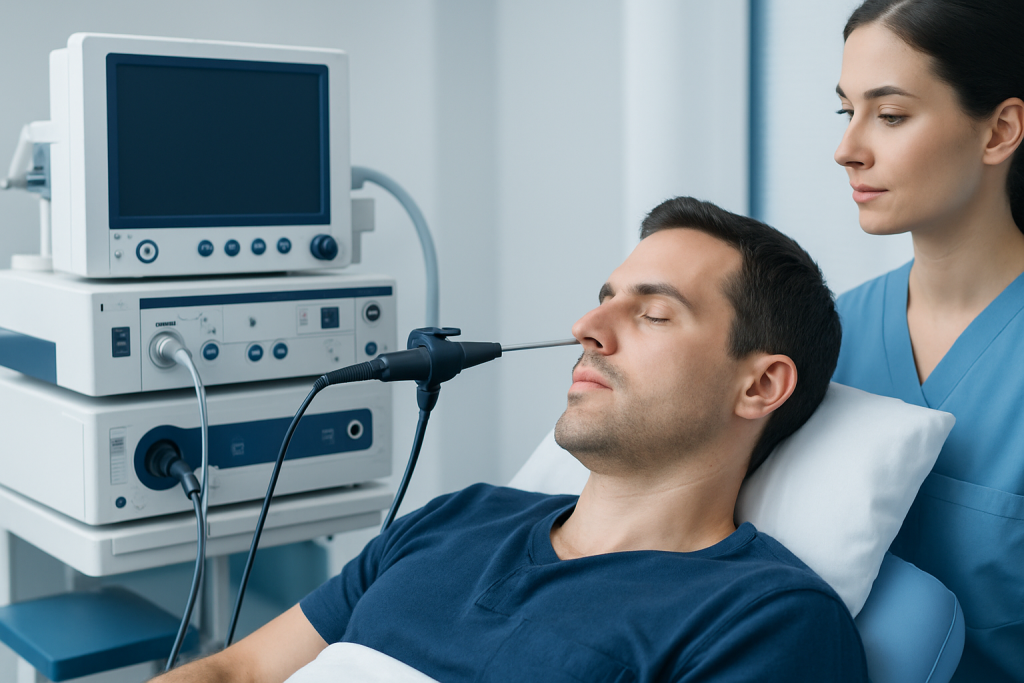
The physical exam may include a careful inspection of the nose, and often a nasal endoscopy. This is a thin camera placed gently inside the nasal passage so the doctor can see swelling, polyps, drainage, crusting, or narrowed areas more clearly. In some cases, imaging such as a CT scan is used to evaluate the sinuses and surrounding structures.
These steps help the doctor decide whether the patient truly needs a procedure and what type of procedure is most appropriate. For someone traveling from abroad, this workup may sometimes be completed before travel or shortly after arrival so the treatment plan is clear and efficient.
Treatment Options
Treatment depends entirely on the cause of the blockage. In some people, medication is enough to reduce swelling and improve airflow. In others, a procedure is needed to remove obstructing tissue or correct the anatomic problem.
Conservative care may include saline rinses, allergy management, or doctor-recommended nasal sprays and other medicines. If symptoms remain significant, an ENT specialist may suggest a procedure such as removal of polyps, reduction of enlarged turbinates, or sinus surgery to improve drainage. The exact approach depends on what the examination shows.
When patients use the term nose stripping, they are sometimes referring to a surgical cleaning or removal of diseased tissue from the nasal cavity. Recovery time varies by procedure. Some treatments are outpatient, while others require a short hospital stay and a structured follow-up visit to monitor healing, remove crusting if needed, and confirm that airflow is improving.
Any decision about treatment should balance symptom severity, the underlying diagnosis, and the person’s overall health. This is especially relevant for international patients who may need to coordinate timing, travel plans, and postoperative reviews across different countries.
Prevention & Self-care
Not every nasal problem can be prevented, but many symptoms can be reduced with consistent daily care. People with allergies or chronic sinus issues often do better when inflammation is kept under control.
Helpful self-care measures may include regular saline rinses, avoiding cigarette smoke and strong irritants, using prescribed medications as directed, and treating allergies early rather than waiting for symptoms to become severe. Humidified air may also help some people who develop dryness or crusting after a nasal procedure.
After any ENT treatment, healing is usually improved by following the surgeon’s instructions closely. That may include resting, avoiding forceful nose blowing, keeping follow-up appointments, and reporting unusual bleeding, fever, or worsening pain promptly. Patients returning to another country should make sure they understand the aftercare plan before leaving.
When to See a Doctor
A person should seek medical evaluation if nasal blockage lasts for weeks, keeps returning, or begins to affect sleep, smell, exercise, or quality of life. Recurrent sinus infections, one-sided symptoms, or persistent facial pressure also deserve attention.
Urgent evaluation is appropriate if there is significant bleeding, high fever, severe facial swelling, a sudden change in vision, or a rapidly worsening headache. These findings are not typical and need prompt medical assessment.
For patients considering treatment abroad, a consultation with an ENT specialist before travel can help confirm the diagnosis, review safe timing, and plan recovery realistically. At Acibadem Health Point, multidisciplinary specialists and JCI-accredited hospitals diagnose and treat ENT conditions for international patients with coordinated follow-up and patient education.
Frequently asked questions
01Is nose stripping a real medical procedure?
It is a phrase people use, but it is not the standard medical name of one single procedure. Doctors usually use a more exact term based on the condition being treated, such as polyp removal, turbinate reduction, or sinus surgery.
02What happens during evaluation for nose stripping?
An ENT specialist reviews symptoms, examines the nose, and may use nasal endoscopy or imaging. These tests help identify whether swelling, polyps, infection, or a structural issue is causing the problem.
03Is the procedure painful?
Comfort depends on the exact treatment and whether it is done in the clinic or operating room. Doctors usually use measures to keep the patient comfortable, and recovery discomfort is generally managed with aftercare instructions and follow-up.
04How long does recovery take?
Recovery varies widely because different procedures fall under this broad patient description. Some people improve within days, while others need several weeks of healing and repeat visits to monitor the nose as it settles.
05Can symptoms come back after treatment?
Yes, especially if the cause is ongoing inflammation, allergies, or chronic sinus disease. Long-term control often depends on medication, nasal care, and regular follow-up with an ENT specialist.
06Should a patient travel immediately after nasal surgery?
Not always. The timing depends on the procedure, the healing expected, and the surgeon’s advice, so travel plans should be discussed in advance to avoid interfering with recovery.
This article is for general information only and is not a substitute for professional medical advice. Please consult a qualified doctor about your individual situation.
Explore treatments in Turkey — costs, top hospitals & a free quote
JCI-accredited · board-certified surgeons · reply within 24h
Add us as a Preferred Source to see more of our trusted health content across Google Search, AI Overviews and Discover.