What Is Nose Hair Removal? A Complete Medical Guide

Key Takeaways
- Nasal hairs help filter dust and particles, so complete removal is usually not recommended.
- Trimming visible hairs is generally safer than plucking, waxing, or using harsh chemicals.
- Infection, irritation, cuts, and ingrown hairs can happen if the skin inside the nose is injured.
- People with recurrent nosebleeds, sinus problems, or nasal inflammation should ask a doctor before removing nose hair.
- Good lighting, clean tools, and gentle technique reduce the chance of irritation and injury.
Nose hair removal refers to trimming or reducing visible nasal hairs for comfort or cosmetic reasons, but the safest approach is usually conservative. This guide explains when it may help, which methods are safer, and when a doctor should be consulted.
Overview
Nose hair removal is the practice of reducing or tidying the hairs inside or just at the edge of the nostrils. Most people consider it for appearance, comfort, or because long hairs become visible, but the nose is not a place where aggressive grooming is harmless. Nasal hair plays a useful role in filtering dust, pollen, and other particles before they move deeper into the airway.
For that reason, the goal is usually not to remove every hair. A safer approach is to trim only the hairs that are clearly visible outside the nostrils or that feel uncomfortably long, while leaving the deeper protective hairs alone. When someone is unsure about the safest method, an ear, nose, and throat specialist can explain which options fit their nasal anatomy and skin sensitivity.
People traveling for care often ask whether this is a cosmetic issue or a medical one. In many cases it is a minor grooming choice, but if nose hair removal is linked to chronic irritation, repeated nosebleeds, or blocked nasal passages, it becomes a health question that deserves proper evaluation.
Symptoms and Reasons People Consider It
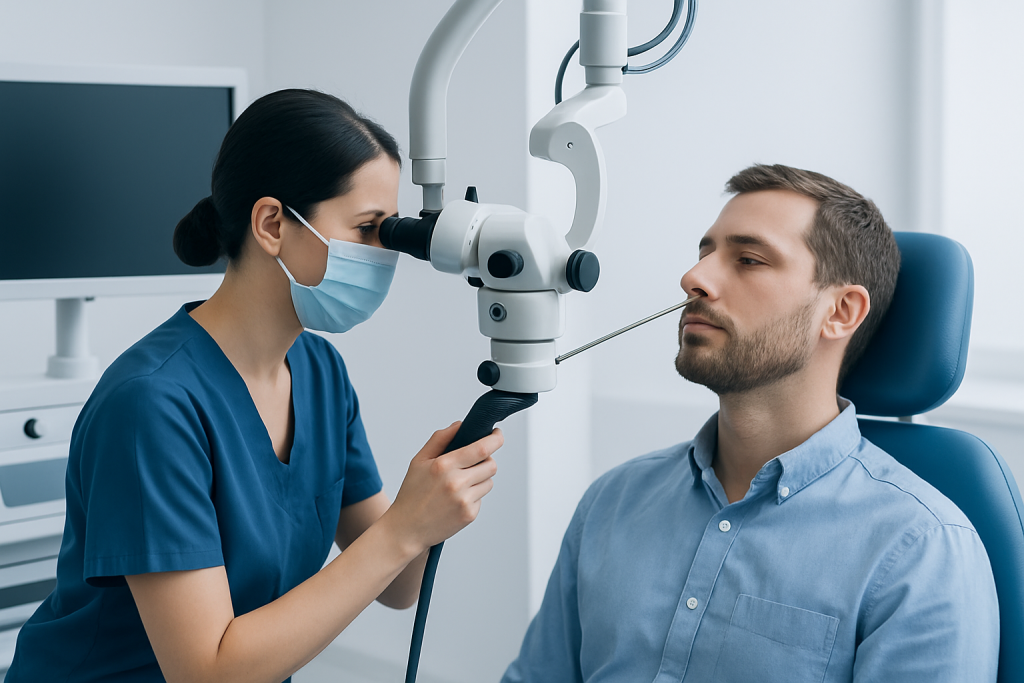
There is no disease called “too much nose hair,” but some people notice hairs at the nostril opening and find them bothersome. Others feel tickling, itchiness, or a sense that hairs are sticking out during breathing, talking, or close social interaction. In these situations, the request is usually about comfort and confidence rather than a medical problem.
Sometimes the concern is more practical. Long nasal hairs can trap mucus and dust in a way that feels annoying, especially during allergies or dry seasons. However, the presence of nose hair itself is normal and protective, so the aim should be neatness rather than complete absence.
It is also important to separate grooming concerns from symptoms that need medical attention. Frequent crusting, bleeding, pain, swelling, foul-smelling discharge, or a sudden change in nasal appearance may point to irritation, infection, or another condition that should be assessed before any removal is attempted.
Causes and Risk Factors for Problems After Removal

The main risk is that the skin inside the nose is delicate and richly supplied with blood vessels. Cutting, plucking, waxing, or repeatedly rubbing the area can create tiny breaks in the skin, which may lead to bleeding, soreness, or inflammation. Because the nose is warm and moist, these small injuries can also become irritated more easily than similar injuries elsewhere on the face.
People are more likely to have problems if they have dry nasal passages, allergies, eczema, frequent colds, a habit of picking the nose, or a history of nosebleeds. Using dirty tools or sharing trimmers can increase the chance of irritation or infection. Overly frequent grooming can also cause ingrown hairs or small pimples at the nostril opening.
Certain medical situations call for extra caution. People with bleeding disorders, those taking blood-thinning medicines, and anyone with recent nasal surgery or ongoing sinus disease should ask a clinician before trying any hair removal method. A brief discussion can prevent avoidable discomfort and help choose the least irritating option.
Diagnosis and Medical Assessment
Nose hair removal itself does not usually require a medical diagnosis. What does matter is whether the person’s concern is truly about grooming or whether there is an underlying nasal issue behind the symptoms. A clinician may ask about nosebleeds, dryness, allergies, pain, previous procedures, and the exact method being used.
During an examination, an ENT specialist can look for redness, crusting, swelling, infection, scars, or abnormal growths around the nostrils. If the nose looks healthy, the advice may simply be on safer grooming habits. If there are warning signs, the doctor may suggest treating the underlying problem first, such as dryness or inflammation.
For international patients, this step is often reassuring because it avoids trial-and-error at home. A focused evaluation can distinguish ordinary visible hair from a condition that needs treatment, especially when symptoms have been ongoing or when previous removal attempts caused repeated irritation.
Treatment Options and Safer Methods
When nose hair grooming is desired, trimming is usually the safest first choice. Small nasal scissors with rounded tips or a clean electric trimmer designed for nose hair can reduce visible hairs without removing the deeper protective hairs. The technique should be gentle, done in good light, and limited to hairs that are clearly visible at the entrance of the nostrils.
Methods that pull hairs out from the root, such as plucking or waxing, are generally not preferred. They may cause pain, bleeding, swelling, and infection, and they can leave the skin irritated for days. Chemical depilatories are also not appropriate inside the nose because they can burn delicate tissue and are difficult to use safely in such a narrow area.
Some people choose to leave nose hair alone entirely, which is often the simplest option if the hairs are not causing a problem. If visible hair is a concern but the skin is sensitive, a doctor may suggest conservative trimming, moisturising strategies for dryness, or treatment of allergies and inflammation that make the area feel more bothersome.
In selected cases, a specialist might address a nasal structural or inflammatory issue that is contributing to the appearance or discomfort rather than focusing on hair removal alone. This approach is especially useful when the person has symptoms beyond grooming concerns, such as obstruction or repeated crusting.
Prevention and Self-care
Good self-care starts with respecting the nose’s natural role. If hair is only slightly visible, trimming rather than removing is usually the best balance between appearance and safety. A clean trimmer, slow movements, and avoiding over-cutting help reduce irritation.
It also helps to keep the nasal lining comfortable. Staying hydrated, using a humidified environment when air is dry, and following medical advice for allergies or sinus symptoms can reduce dryness and crusting. When the nose is less irritated, there is often less temptation to over-groom it.
- Clean grooming tools before and after use.
- Do not share nose trimmers with others.
- Avoid plucking hairs from deep inside the nostril.
- Stop if there is pain, bleeding, or swelling.
- Seek help if repeated irritation occurs after trimming.
People recovering from nasal procedures should follow their surgeon’s instructions and avoid any grooming around the area until healing is complete. If someone is traveling home after treatment, it is wise to leave the nose alone during early recovery and ask about when regular grooming can safely resume.
When to See a Doctor
A doctor should be consulted if nose hair removal repeatedly causes bleeding, infection, severe pain, or persistent redness. The same applies if the person notices a pimple-like bump, foul discharge, swelling, or tenderness around the nostril, since these may signal folliculitis or another local infection.
Medical advice is also appropriate if visible nose hair is accompanied by ongoing congestion, crusting, nasal dryness, or frequent nosebleeds. In some cases, what seems like a grooming problem is actually a sign of irritation, allergy, structural narrowing, or inflammation that can be improved with proper treatment.
If the concern is cosmetic but the individual is unsure how to proceed safely, an ENT consultation can be a practical first step. For patients considering travel, Acibadem Health Point’s multidisciplinary specialists and JCI-accredited hospitals can diagnose and treat nasal conditions for international patients with coordinated care.
Living With Visible Nose Hair Without Overdoing Removal
Visible nose hair is normal, and most people do not need to remove it completely. In many cases, the simplest solution is occasional trimming at the edge of the nostrils rather than repeated aggressive grooming. This keeps the appearance neat while preserving the nose’s natural protective function.
It can help to think of nose hair care the way one thinks about eyebrow grooming: small, careful adjustments are usually better than trying to change the whole structure. When the approach is gentle, the skin stays calmer and the risk of irritation falls.
If the concern is persistent or tied to discomfort, a doctor can help separate normal grooming preferences from a true nasal health issue. That guidance is often the difference between a short-lived cosmetic worry and a pattern of repeated irritation.
Frequently Asked Questions
Below are common questions people ask when they are deciding whether to trim or remove nasal hair. The answers focus on safe, practical choices rather than cosmetic trends.
If a question is not fully answered by general advice, a personal review with an ENT doctor is the safest next step, especially when symptoms are present or the person has a medical history that affects healing or bleeding.
Frequently asked questions
01Is nose hair removal safe?
Trimming visible nose hair is usually the safest option when grooming is needed. Removing hair from deep inside the nostrils by plucking, waxing, or using chemicals is more likely to irritate the delicate lining and should generally be avoided.
02Why does the nose have hair in the first place?
Nose hair helps filter dust, pollen, and other particles before they travel deeper into the airway. It is part of the body’s natural defense system, which is why complete removal is usually not recommended.
03What is the best way to trim nose hair?
A small rounded-tip scissor or an electric nose trimmer is usually preferred. The goal is to reduce only the hairs that are visible at the nostril opening while avoiding the deeper protective hairs.
04Can nose hair removal cause infection?
Yes, especially if the skin is cut, plucked, or irritated repeatedly. Small injuries can become inflamed or infected, so any redness, swelling, or pain that lasts should be checked by a doctor.
05Should someone with nosebleeds remove nose hair?
They should be cautious and speak with a doctor first. Nosebleeds can happen more easily when the lining is dry or fragile, and aggressive grooming may make the problem worse.
06When should a person see an ENT doctor about nasal hair concerns?
An ENT review is sensible if grooming causes repeated bleeding, pain, crusting, or infection, or if there are other nasal symptoms such as blockage or chronic dryness. A doctor can confirm whether the issue is simple grooming or part of a larger nasal condition.
This article is for general information only and is not a substitute for professional medical advice. Please consult a qualified doctor about your individual situation.
Hair transplant in Turkey — costs, graft counts & a free assessment
JCI-accredited · board-certified surgeons · reply within 24h
Add us as a Preferred Source to see more of our trusted health content across Google Search, AI Overviews and Discover.