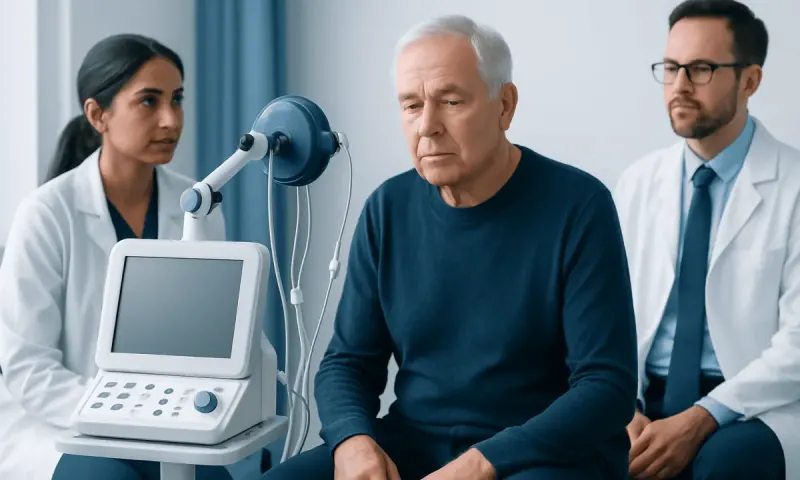
What Is Neurophysiology? Meaning, Scope, and When It Helps Patient Care
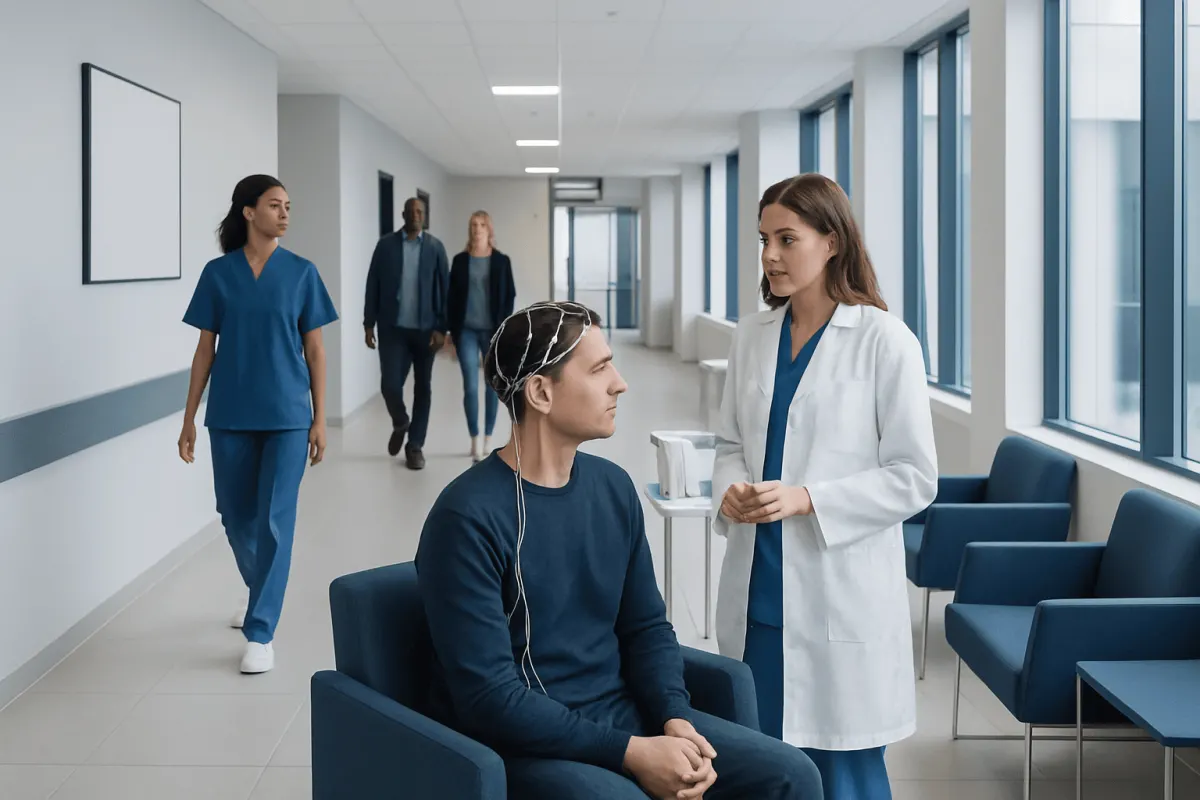
Neurophysiology is the branch of medicine that studies how the nervous system functions, including the brain, spinal cord, peripheral nerves, and muscles. In patient care, it helps doctors understand symptoms, confirm diagnoses, and monitor treatment through specialized tests that measure electrical activity.
Overview: what neurophysiology means
Neurophysiology is the medical science that examines how the nervous system works. It looks at the activity of the brain, spinal cord, peripheral nerves, and muscles, with a special focus on the electrical signals that allow the body to think, feel, move, and respond. While scans such as MRI or CT show structure, neurophysiology helps show function.
In practical patient care, neurophysiology supports diagnosis when a person has symptoms that may come from the nervous system. These symptoms can include seizures, fainting spells, tingling, numbness, weakness, muscle twitching, balance problems, unusual movements, or sleep-related concerns. By measuring electrical activity, doctors can often identify whether the problem involves the brain, nerves, muscles, or the way signals travel between them.
Neurophysiology is both a laboratory specialty and a clinical tool. Specialists in this field work closely with neurologists, neurosurgeons, rehabilitation teams, sleep specialists, and other doctors. The goal is not only to detect disease but also to guide treatment decisions and monitor how a condition changes over time.
What neurophysiology includes
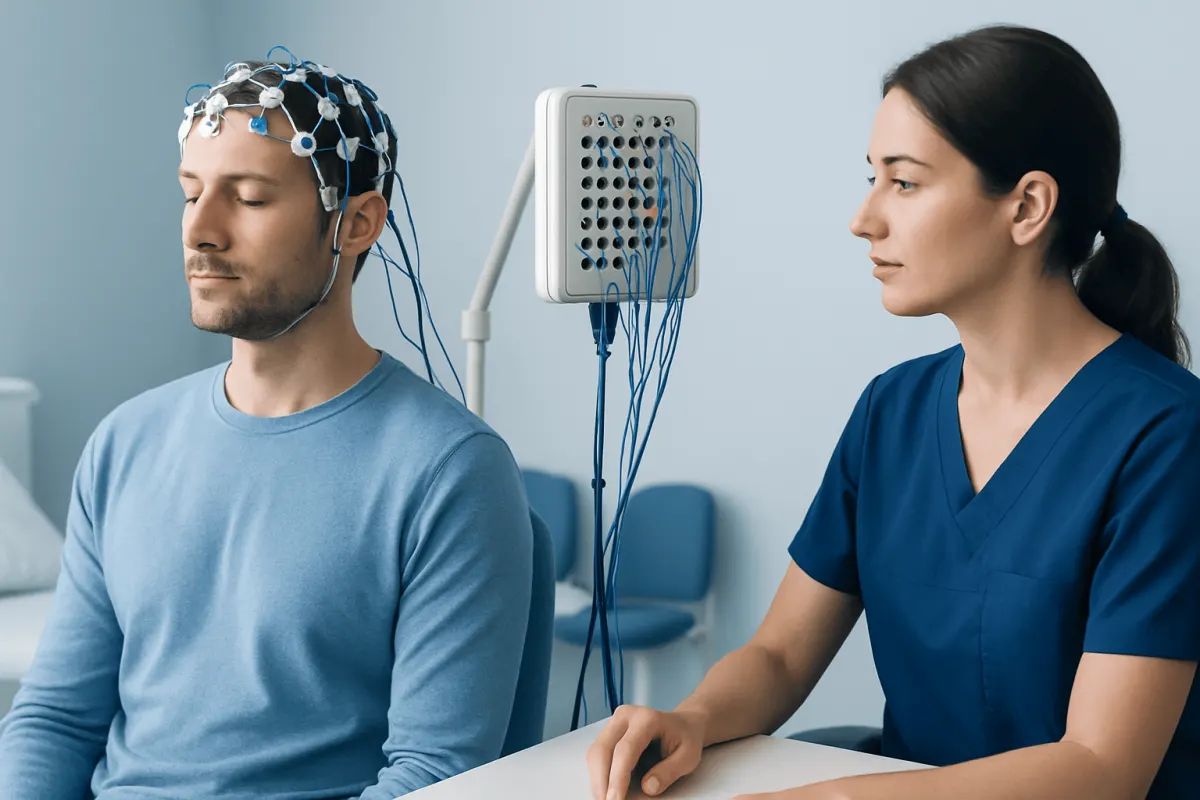
The scope of neurophysiology is broad. It includes testing brain waves, checking how quickly nerves carry signals, studying muscle electrical activity, and assessing how the brain responds to stimulation from the eyes, ears, or skin. Some tests are used in outpatient clinics, while others are used during surgery or in sleep laboratories.
Common areas within neurophysiology include:
- Electroencephalography (EEG): records electrical activity in the brain and is often used when seizures or episodes of altered awareness are being assessed.
- Electromyography (EMG) and nerve conduction studies: evaluate muscles and peripheral nerves, often for weakness, numbness, tingling, or suspected nerve compression.
- Evoked potentials: measure how the nervous system responds to sensory stimulation, such as visual or auditory signals.
- Sleep studies and related testing: help evaluate some sleep disorders and certain nighttime neurological events.
- Intraoperative neurophysiological monitoring: tracks nerve and spinal cord function during selected surgeries to help protect important pathways.
Because of this wide scope, neurophysiology can be helpful in many different clinical settings. For example, it may support the assessment of epilepsy, peripheral neuropathy, nerve entrapment syndromes, some muscle diseases, and disorders that affect communication between nerves and muscles.
When neurophysiology helps patient care

Neurophysiology is especially valuable when symptoms suggest a functional problem in the nervous system. A person may have normal or only mildly abnormal imaging but still experience significant symptoms. In such cases, neurophysiological testing can provide important additional information by showing whether electrical signals are abnormal, slowed, blocked, or overactive.
Doctors may recommend neurophysiology when evaluating:
- Episodes that may be seizures or non-seizure events
- Numbness, tingling, burning, or electric-shock sensations
- Muscle weakness, cramping, twitching, or wasting
- Possible nerve compression, such as carpal tunnel syndrome
- Balance problems or suspected disorders affecting nerve pathways
- Sleep-related movements or unusual nighttime events
- Some conditions affecting vision or hearing pathways in the nervous system
These tests do not usually stand alone. They are most useful when combined with a medical history, neurological examination, blood tests, and imaging if needed. Together, these pieces help doctors make a more accurate diagnosis and choose the most appropriate next step.
Neurophysiology can also help follow progress over time. In some patients, repeat testing shows whether a nerve is healing, whether a disorder is stable, or whether treatment appears to be improving function. This can be helpful in both short-term and long-term care planning.
Common neurophysiology tests and what to expect
EEG uses small sensors placed on the scalp to record brain activity. It is painless, though the paste or gel used to attach electrodes may feel slightly messy. During the test, the patient may be asked to relax, open and close the eyes, breathe deeply for a short time, or look at flashing lights. EEG can support the assessment of seizures, fainting-like episodes, or other changes in awareness, and it is often part of a broader epilepsy treatment pathway.
EMG and nerve conduction studies are used to examine peripheral nerves and muscles. Nerve conduction studies involve small electrical pulses applied to the skin to see how fast and strongly a nerve responds. EMG uses a very thin needle electrode placed in selected muscles to measure their electrical activity. These tests can feel uncomfortable, but discomfort is usually brief and manageable. They may be recommended when there is weakness, muscle pain, numbness, tingling, or suspected neuropathy.
Evoked potentials measure how signals travel through specific nerve pathways. For example, visual evoked potentials assess pathways from the eyes to the brain. These tests are generally noninvasive and can help when doctors need to understand whether sensory pathways are functioning normally.
Sleep-related neurophysiology tests may be used if symptoms happen during sleep or if a sleep disorder is suspected. Depending on the question being studied, a patient may have overnight monitoring with sensors that track brain waves, breathing, movements, heart rhythm, and oxygen levels. In selected surgical cases, neurosurgery teams may also use intraoperative monitoring to observe nerve function during an operation.
How doctors use the results
Neurophysiology results help doctors localize where a problem may be occurring. For example, testing may suggest that symptoms come from the brain, a nerve root near the spine, a peripheral nerve in the arm or leg, the neuromuscular junction, or the muscle itself. This distinction matters because treatment can differ greatly depending on the source of the problem.
The findings can also help narrow the list of possible diagnoses. An EEG may show patterns that support a seizure disorder, while nerve conduction studies may indicate nerve compression, widespread nerve damage, or demyelination. EMG can show whether muscle weakness is due to a nerve problem or a primary muscle disorder. In many cases, test results help confirm what the clinical examination has already suggested.
At the same time, neurophysiology has limits. A normal test does not always rule out disease, especially if symptoms are intermittent or very early in the course of illness. Results must therefore be interpreted by a qualified specialist who considers the full medical picture. Sometimes additional tests, repeat studies, or referral to another specialty are needed.
When used thoughtfully, neurophysiology can improve treatment planning. It may guide decisions about medication, rehabilitation, further imaging, surgery, or watchful follow-up. For some patients, it also offers reassurance by helping explain symptoms more clearly.
Preparing for a neurophysiology appointment
Preparation depends on the test being performed. Before an EEG, patients may be asked to arrive with clean, dry hair and avoid heavy hair products. For EMG and nerve conduction studies, it is often helpful to avoid lotions or oils on the skin. Some tests may require adjustments to sleep, food, or medications, but this should only be done if the healthcare team specifically advises it.
Patients should tell the team about all current medicines, implanted medical devices, pregnancy, bleeding disorders, and any skin sensitivities. Bringing previous test results, imaging reports, and a list of symptoms can also make the visit more useful. If episodes happen unpredictably, a symptom diary or videos recorded safely at home may provide helpful context for the doctor.
Many neurophysiology tests are done in an outpatient setting and do not require a hospital stay. The appointment length can vary from a short study to several hours, depending on the test. Most people can return to normal activities soon afterward, although individualized advice may be given if sedation or sleep deprivation was involved.
Safety, limitations, and when to seek medical advice
Most neurophysiology tests are considered safe. EEG and evoked potentials are noninvasive. Nerve conduction studies use brief electrical stimulation, and EMG involves small needle electrodes, so temporary discomfort, minor soreness, or slight bruising can occur. Serious complications are uncommon, but patients should always inform the team about relevant medical conditions before testing.
It is important to understand that neurophysiology is not a treatment by itself in most cases; it is a way of understanding how the nervous system is functioning. The benefit lies in improving diagnosis, clarifying uncertainty, and helping doctors choose the right care plan. Depending on the findings, a patient may be referred for medication management, rehabilitation, surgery, sleep medicine, or another specialty service such as neurology.
A person should seek medical advice if they have recurrent fainting or blackout episodes, new seizures, unexplained numbness, persistent tingling, progressive weakness, muscle wasting, or symptoms that interfere with daily life. Urgent medical attention is needed for sudden weakness, loss of speech, severe confusion, or other signs of a possible emergency.
For international patients who need advanced assessment, Acıbadem Health Point offers multidisciplinary evaluation in JCI-accredited hospitals, where specialists in neurology, neurophysiology, and related fields diagnose and treat nervous system conditions using a coordinated approach.
Frequently asked questions
01What is neurophysiology in simple terms?
Neurophysiology is the study of how the nervous system works. In medicine, it helps doctors measure the activity of the brain, nerves, and muscles to better understand symptoms and support diagnosis.
02Is neurophysiology the same as neurology?
No. Neurology is the broader medical specialty that diagnoses and treats disorders of the nervous system, while neurophysiology focuses on testing and understanding nervous system function. The two fields work closely together in patient care.
03What conditions can neurophysiology help investigate?
Neurophysiology can help assess seizures, neuropathy, nerve compression, muscle disorders, some movement symptoms, and certain sleep-related problems. It is also used when doctors need to understand whether symptoms come from the brain, spinal pathways, nerves, or muscles.
04Are neurophysiology tests painful?
Many neurophysiology tests are painless or only mildly uncomfortable. EEG is painless, while nerve conduction studies and EMG can cause brief discomfort, but most people tolerate them well.
05Do neurophysiology tests replace MRI or CT scans?
No. Neurophysiology and imaging answer different questions. MRI and CT mainly show structure, while neurophysiology shows how the nervous system is functioning, so they are often complementary.
06How long does it take to get neurophysiology results?
This depends on the test and the center performing it. Some preliminary information may be available soon after testing, but full interpretation usually requires review by a specialist who considers the results together with symptoms and examination findings.
This article is for general information only and is not a substitute for professional medical advice. Please consult a qualified doctor about your individual situation.
Joint and spine care in Turkey — expert assessment & treatment
JCI-accredited · board-certified surgeons · reply within 24h
Add us as a Preferred Source to see more of our trusted health content across Google Search, AI Overviews and Discover.