What Is Nasal Saddle Deformity? A Complete Medical Guide

Key Takeaways
- Nasal saddle deformity is a structural collapse or depression of the nasal bridge.
- It may be linked to trauma, autoimmune disease, infection, chronic inflammation, or prior nasal surgery.
- Symptoms can include cosmetic change, nasal blockage, crusting, or breathing difficulty.
- Diagnosis usually includes a detailed ENT exam and, in some cases, imaging or blood tests.
- Treatment ranges from medical management of the underlying cause to reconstructive surgery when needed.
Nasal saddle deformity is a change in the shape of the nose where the bridge looks depressed or flattened. It can affect breathing, nasal support, and appearance, and it may develop after injury, inflammation, infection, or previous surgery.
Overview
Nasal saddle deformity is a condition in which the bridge of the nose loses support and appears flattened, dipped, or curved inward. In medical terms, the change reflects weakness or loss of the cartilage and, sometimes, nearby bone that normally keeps the nasal framework stable.
For some people, the main concern is appearance. For others, the change affects airflow through the nose and can make breathing less efficient, especially during exercise or sleep. Because the nose is both a cosmetic and functional structure, an evaluation often looks at both aspects together.
The condition is not a diagnosis on its own; it is usually a visible sign of an underlying problem. That problem may be old trauma, a chronic inflammatory illness, an infection, a structural complication after surgery, or less commonly an inherited or developmental issue. A careful ENT assessment helps identify the cause before any treatment plan is chosen.
Symptoms and How It May Feel
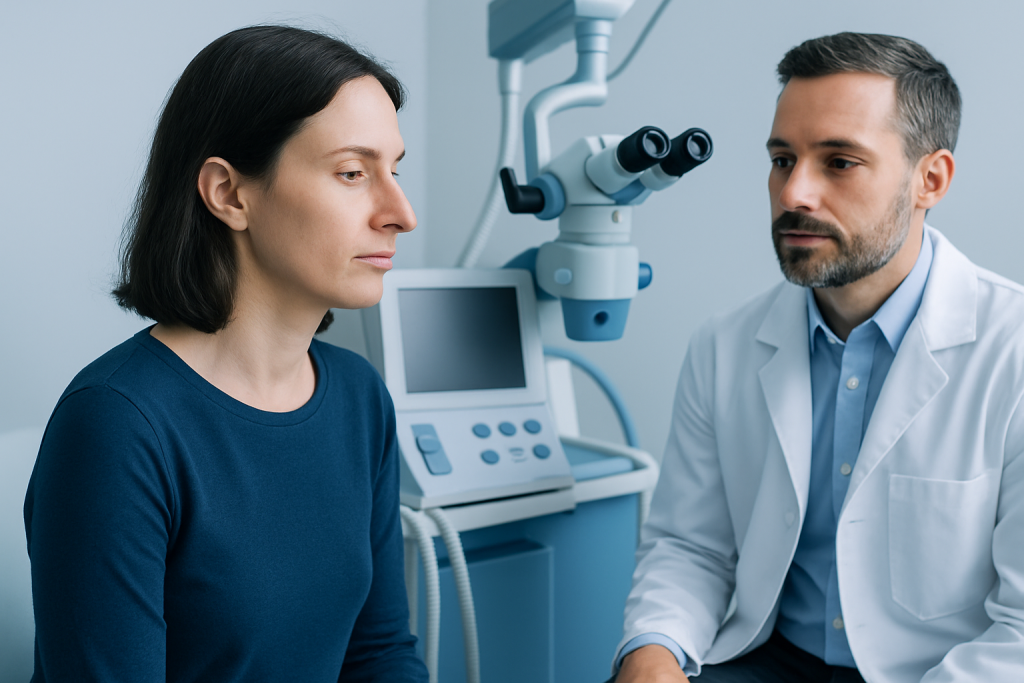
The most noticeable sign is the change in the shape of the nasal bridge. The nose may look lower than before, or the middle portion may appear pinched or caved in. In mild cases, the change is subtle; in more advanced cases, the bridge can be clearly sunken.
Symptoms can extend beyond appearance. Some people notice persistent nasal blockage, a sense that air does not pass freely through the nose, or a whistling sound when breathing. Others report dryness, crusting, repeated nosebleeds, or discomfort inside the nose.
When the deformity is related to inflammation or infection, there may also be tenderness, discharge, or symptoms in other body systems depending on the cause. The pattern of symptoms often gives the doctor important clues about whether the issue is mainly structural, inflammatory, or both.
- Flattened or depressed nasal bridge
- Nasal obstruction or reduced airflow
- Crusting, dryness, or bleeding
- Change in facial balance or profile
- Occasional pain, pressure, or tenderness
Causes and Risk Factors

Nasal saddle deformity usually develops when the supporting framework of the nose is weakened or damaged. One of the most common causes is trauma, such as a fracture or repeated injury that was not fully repaired. Over time, cartilage damage can lead to a slow collapse of the bridge.
Several medical conditions can also contribute. Autoimmune and inflammatory disorders such as granulomatosis with polyangiitis, relapsing polychondritis, and some forms of rheumatoid disease may attack cartilage or nearby tissues. Certain infections can damage the nasal septum, and long-standing inflammation can have a similar effect. In some patients, prior nasal surgery or over-resection of cartilage may also change the nose’s support.
Risk is higher in people with a history of nasal trauma, chronic sinus or nasal inflammation, autoimmune disease, cocaine or other intranasal drug exposure, or previous reconstructive surgery. The exact cause matters because correcting the shape alone is not enough if an active medical process is still present.
How Doctors Diagnose It
Diagnosis usually starts with a conversation about when the change began, whether there was an injury, and whether breathing problems, crusting, or recurrent infections are present. The doctor then performs a physical examination of the nose from the outside and inside. This helps assess the degree of collapse and whether the septum and nasal valves are involved.
If an inflammatory or infectious cause is suspected, the workup may include blood tests or other specialist evaluations. Imaging, such as a CT scan, may be used when deeper structural details are needed, especially before surgery or when prior trauma has made the anatomy more complex.
In some international-patient journeys, people arrive after trying several short-term fixes in their home country. In that setting, a multidisciplinary ENT assessment can be especially helpful because it connects the visible deformity with the underlying tissue condition, overall health, and expected recovery needs.
Treatment Options
Treatment depends on the cause, the severity of the deformity, and how much it affects breathing and daily life. If an active medical condition is driving the collapse, that condition is usually addressed first or at the same time. For example, autoimmune inflammation may need specialist medical treatment before any reconstructive procedure is planned.
When the structural change is stable and the main issue is form or airflow, surgery may be considered. Reconstructive techniques can involve cartilage grafts, septal support, or other methods to rebuild the nasal framework. The goal is to restore support, improve nasal function, and create a shape that fits the patient’s facial structure.
Not every patient needs surgery immediately. Mild cases or situations with ongoing inflammation may be managed with observation, medical therapy, or staged planning. A good surgical plan is personalized, because the best result depends on both anatomy and the health of the tissues that must heal afterward.
- Medical treatment for the underlying disease, when present
- Reconstructive rhinoplasty or septal support procedures
- Cartilage grafting to rebuild nasal structure
- Staged surgery in complex or inflamed cases
Recovery, Prevention, and Self-care
Recovery depends on the treatment chosen. After reconstructive surgery, swelling, congestion, and temporary changes in nasal breathing are common. Follow-up visits matter because the surgeon needs to monitor healing, support the grafted tissue, and check that the airway remains open as the nose settles into its new shape.
People who are traveling for care often benefit from planning follow-up before they leave the country of treatment. That may include wound care instructions, activity limits, and a clear timeline for virtual or local review once they are home. Good recovery planning reduces stress and helps the patient know what is normal versus what needs attention.
There is no universal way to prevent every case of nasal saddle deformity, but some risks can be reduced. Prompt evaluation after nasal trauma, careful management of chronic inflammatory disease, and avoiding intranasal drug exposure are all important steps. People with a history of nasal surgery should also seek reassessment if they notice progressive flattening or worsening blockage.
- Protect the nose from injury during sports or risky activities
- Treat persistent nasal inflammation early
- Follow postoperative instructions closely after nasal surgery
- Avoid smoking and intranasal drug use, which can impair healing
- Report new shape changes or breathing decline promptly
When to See a Doctor
A doctor should be consulted if the nose is visibly changing shape, if breathing is becoming harder, or if there is a history of injury followed by persistent blockage or crusting. Early assessment is especially important when the change is getting worse over time, because ongoing tissue damage is easier to manage before it becomes more advanced.
Medical review is also important when saddle deformity appears with joint pain, skin rash, chronic sinus symptoms, fever, unexplained fatigue, or recurrent nosebleeds. Those clues may suggest an underlying inflammatory or infectious condition that needs more than local treatment.
For patients considering care abroad, the key question is not only where the surgery can be done, but whether the team can evaluate the cause, plan reconstruction safely, and arrange follow-up. Acibadem Health Point’s multidisciplinary specialists and JCI-accredited hospitals diagnose and treat nasal saddle deformity for international patients with this broader recovery path in mind.
Urgent assessment is appropriate if there is severe nasal pain, suspected infection, significant bleeding, or sudden change after trauma. In those situations, prompt medical care helps protect both breathing and the structure of the nose.
Frequently asked questions
01What is nasal saddle deformity?
Nasal saddle deformity is a collapse or depression of the nasal bridge that changes the nose’s shape and may affect breathing. It usually reflects loss of support in the cartilage or nearby bone rather than a skin problem.
02Is saddle nose the same as nasal saddle deformity?
Yes, those terms are often used to describe the same condition. “Saddle nose” is the common name, while “nasal saddle deformity” is the more formal medical term.
03What causes nasal saddle deformity most often?
Common causes include trauma, autoimmune inflammation, infection, and complications after nasal surgery. In some people, more than one factor contributes to the change in shape.
04Can nasal saddle deformity affect breathing?
Yes. The internal support of the nose helps keep the airway open, so collapse of that support can lead to nasal blockage or reduced airflow. Some people also notice dryness or crusting inside the nose.
05How is it treated?
Treatment depends on the underlying cause and how stable the deformity is. Some patients need medication for an active disease, while others benefit from reconstructive surgery to restore nasal support and improve function.
06Can it come back after treatment?
It can recur if the underlying cause is still active or if healing is complicated. That is why doctors usually look beyond the visible shape and make a plan that addresses both structure and disease control.
This article is for general information only and is not a substitute for professional medical advice. Please consult a qualified doctor about your individual situation.
Explore treatments in Turkey — costs, top hospitals & a free quote
JCI-accredited · board-certified surgeons · reply within 24h
Add us as a Preferred Source to see more of our trusted health content across Google Search, AI Overviews and Discover.