What Is Molar Gestation Pregnancy? A Complete Medical Guide

Key Takeaways
- A molar gestation pregnancy is an abnormal pregnancy caused by abnormal fertilization and placental growth.
- Common signs include vaginal bleeding, severe nausea, rapid uterine growth, and high pregnancy hormone levels.
- Diagnosis is usually made with ultrasound and blood tests, followed by removal of the molar tissue.
- Care after treatment matters because follow-up testing helps confirm that all abnormal tissue has resolved.
- Many people can have healthy future pregnancies once their doctor confirms it is safe to try again.
Molar gestation pregnancy is an abnormal pregnancy in which placental tissue grows in an unusual way and a viable baby does not develop. It requires prompt medical evaluation, treatment, and follow-up, but with proper care, most people recover well and can discuss future pregnancies safely with their doctor.
Overview
Molar gestation pregnancy is a type of abnormal pregnancy in which the tissue that would normally develop into the placenta grows in an atypical way. In a complete molar pregnancy, there is no developing baby. In a partial molar pregnancy, some fetal tissue may form, but it cannot develop into a viable pregnancy.
This condition is part of a broader group called gestational trophoblastic disease. It is not caused by something a person did or did not do during pregnancy. Most cases are discovered in the first trimester, often after bleeding, unusual ultrasound findings, or a pregnancy test that does not match what is seen in the uterus.
For someone traveling from another country for care, the key issue is timing. A molar pregnancy needs confirmation, treatment, and follow-up rather than watchful waiting. Once diagnosed, doctors usually focus on removing the abnormal tissue and monitoring hormone levels until they return to normal.
Symptoms
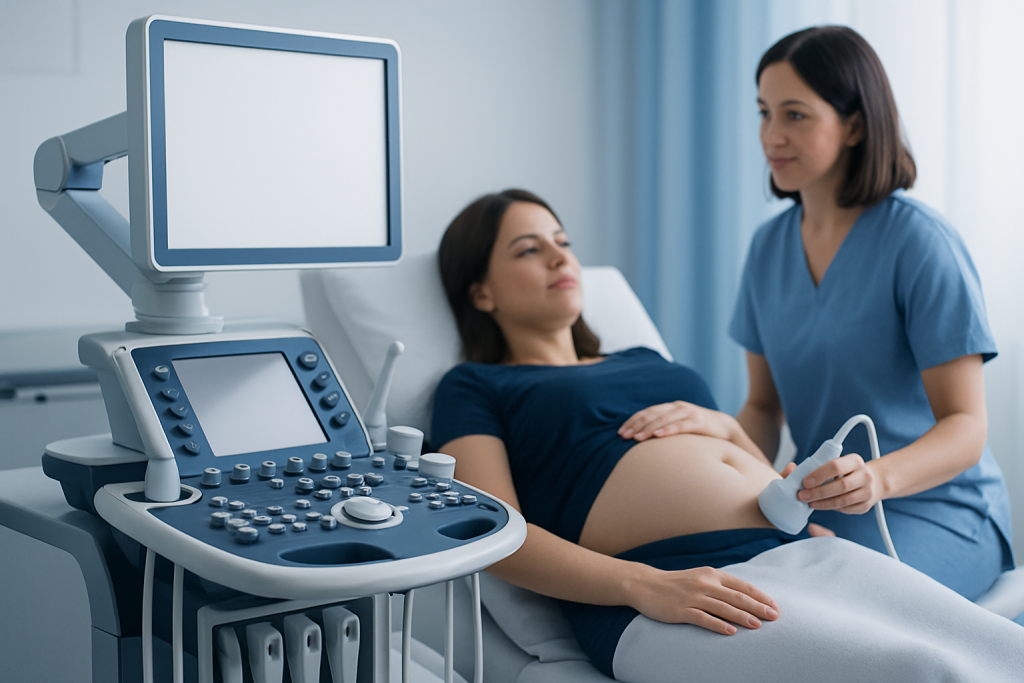
Symptoms can vary, and some people notice only a few early warning signs. Vaginal bleeding in early pregnancy is one of the most common reasons the condition comes to light. The bleeding may be dark brown or bright red and can be associated with cramping.
Other possible features include severe nausea and vomiting, a uterus that seems larger than expected for the stage of pregnancy, and signs related to high pregnancy hormone levels. Some people may also notice passage of grape-like tissue. In a partial molar pregnancy, symptoms may be milder and the condition may be found during a routine ultrasound.
- Vaginal bleeding in early pregnancy
- Pelvic pressure or cramping
- Very strong nausea or vomiting
- Uterus measuring larger than expected
- Early signs of high blood pressure in some cases
Because these symptoms can overlap with miscarriage or other pregnancy complications, medical assessment is important. A clinician can help determine the cause quickly and guide the next step safely.
Causes & Risk Factors

Molar gestation pregnancy begins with abnormal genetic material at fertilization. In a complete mole, the egg has no functional genetic material and is fertilized in a way that leads to placental tissue growth without a fetus. In a partial mole, the egg is fertilized abnormally and extra genetic material is present, which leads to disordered development.
The exact reason this happens in a specific pregnancy is usually not known. It is not typically linked to stress, exercise, travel, or routine daily activity. The event occurs early, at the moment of conception.
Some factors are associated with a higher chance of a molar pregnancy, although it can happen in any pregnancy. These include a previous molar pregnancy, pregnancy at younger or older maternal ages, and certain nutritional factors have been discussed in research, though they are not a direct cause. Even when risk factors are present, most pregnancies are not molar pregnancies.
Diagnosis
Doctors usually suspect a molar pregnancy when early ultrasound findings do not match the expected development of the pregnancy, or when symptoms prompt an urgent evaluation. Blood tests measuring human chorionic gonadotropin, often called hCG, are also important because levels may be higher than expected or rise in an unusual pattern.
Ultrasound is the key imaging test. In a complete mole, the scan may show a characteristic pattern of abnormal tissue rather than a fetus. In a partial mole, some fetal structures may be seen, but the overall appearance is not consistent with a healthy pregnancy.
After treatment, pathology examination of the removed tissue confirms the diagnosis. Follow-up blood testing is also central to care, since doctors need to be sure the hormone levels return to normal and stay there.
Treatment Options
The usual treatment is removal of the abnormal pregnancy tissue from the uterus. This is most often done with a suction procedure performed by a trained gynecologic team. The aim is to clear the uterus safely and reduce the chance of persistent abnormal tissue remaining behind.
After the procedure, the tissue is sent for laboratory analysis. The patient then enters a follow-up period with repeat hCG blood tests. This monitoring is not optional; it is how clinicians confirm that the condition has fully resolved and that no additional treatment is needed.
In some situations, especially if abnormal tissue persists, additional treatment may be recommended. That can include more procedures or, less commonly, medication-based therapy. The exact plan depends on the type of molar pregnancy, hormone trends, and the individual’s overall health.
People who need treatment abroad may want a center that can coordinate imaging, pathology, and follow-up testing in one pathway. That can make the process easier to manage when returning home, especially if ongoing monitoring will be done across different countries.
Prevention & Self-care
There is no guaranteed way to prevent a molar gestation pregnancy. Because the condition begins with an abnormal fertilization event, it usually cannot be prevented through lifestyle changes. The most helpful step is early prenatal care so that symptoms are evaluated promptly and ultrasound findings can be reviewed without delay.
After treatment, self-care centers on healing and follow-up. Patients should attend all scheduled blood tests, use contraception if advised during the monitoring period, and contact their doctor if bleeding, pain, or other concerns develop. This period can be emotionally difficult, so support from a clinician, counselor, or trusted family member may be valuable.
Future pregnancy planning is usually possible once the doctor confirms it is safe. Many people go on to have healthy pregnancies, but they are often advised to wait until follow-up testing is complete so results are not confused with a new pregnancy.
When to See a Doctor
Anyone with vaginal bleeding in early pregnancy should contact a doctor promptly. While bleeding does not always mean a molar pregnancy, it needs assessment, especially if it is heavy, accompanied by pain, or paired with severe nausea or unusual pregnancy test findings.
Emergency evaluation is appropriate if bleeding is soaking through pads, severe abdominal pain develops, fainting occurs, or symptoms feel rapidly worsening. Early review can help distinguish molar pregnancy from miscarriage, ectopic pregnancy, or other pregnancy-related conditions that also need timely care.
After a diagnosis and treatment, it is equally important to keep follow-up visits. If a person is seeking cross-border care, a multidisciplinary team can help coordinate surgery, pathology, and monitoring. Acibadem Health Point’s multidisciplinary specialists and JCI-accredited hospitals also diagnose and treat this condition for Myomectomy Recovery for International Patients: The Usual Travel Timeline" class="ahp-ilk">international patients, with care plans designed around safe follow-up.
Living With the Diagnosis and Moving Forward
A diagnosis of molar gestation pregnancy often comes as a shock, especially because it may occur during what was expected to be a routine early pregnancy. Many people feel grief, confusion, or disappointment, and those reactions are understandable. Clear information and respectful follow-up can make the next steps feel more manageable.
From a medical standpoint, the main goal is complete resolution and careful surveillance. From a personal standpoint, patients often need time to recover emotionally before deciding about another pregnancy. Questions about timing, fertility, and recurrence are best discussed with a clinician who knows the details of the case.
For international patients, records from the original treatment, pathology report, and hCG follow-up plan are especially useful when care continues at home. Keeping these documents organized helps the next doctor interpret results accurately and continue monitoring without interruption.
Frequently Asked Questions
The questions below address common concerns people have after hearing the term molar gestation pregnancy. They are meant to clarify the condition, but they do not replace individualized medical advice.
Frequently asked questions
01Is molar gestation pregnancy the same as miscarriage?
No. A molar pregnancy is an abnormal growth of placental tissue and is classified as gestational trophoblastic disease. Miscarriage usually means the pregnancy has stopped developing, but the tissue pattern and follow-up needs are different.
02Can a molar pregnancy become cancer?
Most molar pregnancies are treated successfully and do not become cancer. However, a small number can leave behind persistent abnormal tissue, which is why follow-up hCG testing is so important.
03Will I be able to get pregnant again after a molar pregnancy?
Many people can have healthy future pregnancies after treatment and follow-up are complete. A doctor usually advises waiting until hormone levels have normalized and the monitoring period is finished.
04Why is hCG monitoring so important after treatment?
hCG is the hormone doctors use to check whether any abnormal tissue remains. A steady decline to normal levels is a reassuring sign that treatment has worked.
05Does a molar pregnancy always cause severe symptoms?
No. Some people have strong symptoms, while others are diagnosed during a routine scan or blood test. Even mild symptoms in early pregnancy should still be evaluated by a clinician.
06Should someone fly or travel after treatment?
Travel plans depend on how the person is recovering and whether follow-up testing is arranged. A doctor can advise on timing, especially if ongoing blood tests or a repeat procedure may be needed.
This article is for general information only and is not a substitute for professional medical advice. Please consult a qualified doctor about your individual situation.
Persistent digestive symptoms? Get evaluated in Turkey
JCI-accredited · board-certified surgeons · reply within 24h
Add us as a Preferred Source to see more of our trusted health content across Google Search, AI Overviews and Discover.