

What Is Medical Term Cpd? A Complete Medical Guide
- 8 min read
- Published November 27, 2026
Key Takeaways
- CPD most often stands for cephalopelvic disproportion in childbirth care.
- It means the baby and pelvis may not fit well enough for a safe vaginal delivery.
- Diagnosis is usually based on labor progress, exam findings, and imaging only in selected cases.
- Treatment depends on timing, labor progress, and the overall health of mother and baby.
- Many people with suspected CPD still have good outcomes with planned obstetric care and timely follow-up.
The medical term CPD usually refers to cephalopelvic disproportion, a situation in which a baby’s head or body and the mother’s pelvis do not fit together easily for vaginal birth. It is one of several reasons a birth plan may need to change, and it can often be recognized and managed safely with the right obstetric care.
Overview
The medical term CPD most commonly means cephalopelvic disproportion. In everyday obstetric care, it describes a mismatch between the size or position of the baby and the dimensions or shape of the mother’s pelvis, making vaginal birth difficult or sometimes unsafe.
It is important to understand that CPD is not a diagnosis that can always be made early in pregnancy with certainty. In many cases, it becomes clearer only as labor unfolds and the baby does not descend or labor does not progress as expected. That is why obstetric teams usually talk about CPD as one possible reason for a slow or obstructed labor rather than as a fixed label given far in advance.
For international patients planning childbirth care, this term may come up during prenatal visits, especially if there are concerns about fetal size, prior pelvic surgery, or a previous difficult delivery. A careful discussion with an obstetric specialist can help families understand whether a vaginal birth may still be appropriate or whether a cesarean delivery is the safer choice.
Symptoms and What It May Look Like in Labor
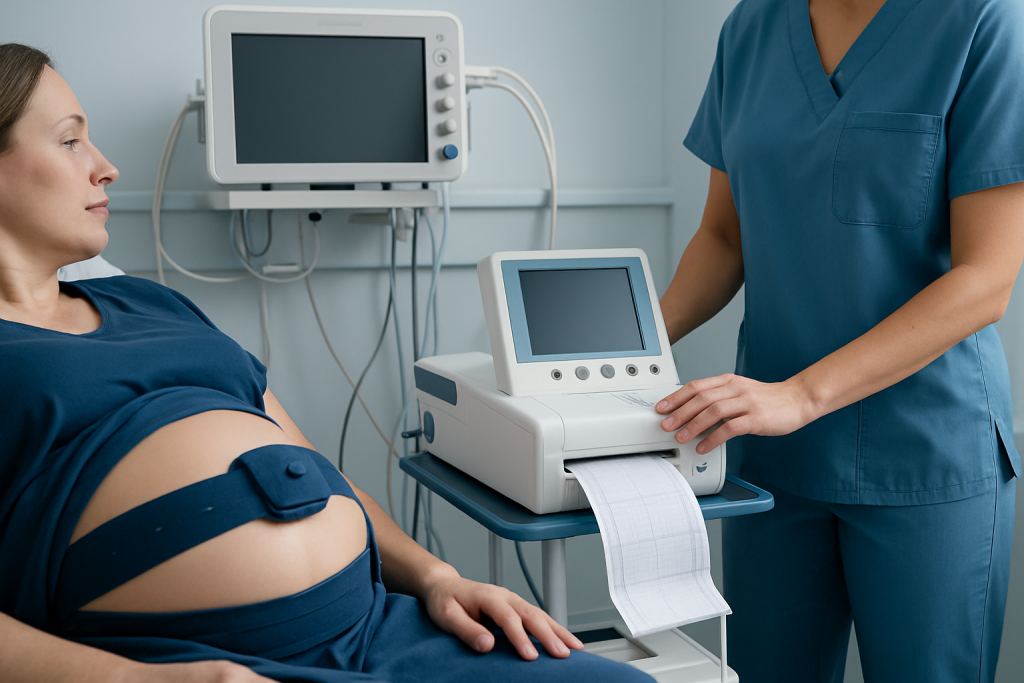
CPD itself does not cause everyday symptoms outside labor. It is usually suspected when labor does not move forward in a normal pattern, even when contractions are strong and regular.
Common clues may include:
- Slow or stalled dilation of the cervix
- The baby’s head not descending into the pelvis as expected
- Persistent labor despite adequate contractions
- Signs that the baby is not tolerating labor well
It is easy to assume that every long labor means CPD, but that is not the case. Labor can be slow for many reasons, including fetal position, the strength and coordination of contractions, fatigue, or the cervix responding gradually. A specialist looks at the whole picture before deciding whether CPD is likely.
Causes and Risk Factors

CPD can occur when the baby is relatively large, the baby is positioned in a way that makes passage through the pelvis harder, or the mother’s pelvis is shaped in a way that limits space. Sometimes the issue is a combination of factors rather than one single cause.
Factors that may increase the chance of CPD being considered include a history of difficult vaginal birth, a previous cesarean related to labor arrest, suspected larger baby size, pelvic injury or deformity, and certain fetal positions such as occiput posterior. First-time labor can also make the picture less predictable because the pelvis and birth canal have not been tested before.
Risk factors do not mean CPD will happen. They simply alert the care team to watch labor more closely and prepare for a change in delivery plan if needed. In modern obstetrics, the goal is not to force a vaginal birth at all costs, but to choose the safest route for both mother and baby.
How Doctors Diagnose CPD
Diagnosis is usually clinical rather than based on one single test. Doctors look at labor progress, the baby’s position, pelvic examination findings, and the response to contractions over time.
In some cases, imaging or ultrasound may help estimate fetal size or clarify position, but these tools do not always predict whether a vaginal birth will succeed. A pelvis that seems “small” on exam does not automatically mean delivery will be impossible, and a larger baby does not always create a problem.
Because labor is dynamic, the diagnosis is often considered only after a fair trial of labor, unless there are clear reasons to plan a cesarean beforehand. That balanced approach helps avoid unnecessary surgery while still protecting against prolonged, unsafe labor.
Treatment Options
There is no medication that “treats” CPD directly. Management focuses on choosing the safest delivery method based on the labor situation and the health of mother and baby.
If labor is progressing well and there are no signs of distress, the team may continue to monitor closely. If labor stalls or the baby shows signs of stress, a cesarean delivery is often the safest option. In selected situations, the team may adjust labor support, change maternal positioning, or give time for the baby to descend if the circumstances remain reassuring.
When CPD is suspected before labor or after a prior delivery, future birth planning may include a discussion about elective cesarean delivery, especially if the chance of vaginal delivery appears low. The best plan is individualized, taking into account obstetric history, fetal size estimates, maternal anatomy, and the patient’s preferences.
Prevention and Self-care
CPD cannot always be prevented because many of the contributing factors are not under a person’s control. Still, good prenatal care can improve planning and reduce surprises during labor.
Helpful steps include keeping prenatal appointments, discussing prior deliveries in detail, asking about fetal growth if the baby seems large, and making sure the care team knows about any pelvic injuries, surgery, or medical conditions that could affect birth. For patients traveling internationally for maternity care, sharing records early can make planning much smoother.
Self-care during pregnancy also matters. Nutrition, safe physical activity when approved by a clinician, rest, and attention to conditions such as diabetes or high blood pressure may support overall birth planning. If a patient has concerns about delivery mode, a prenatal consultation with an obstetric specialist can clarify whether a trial of labor is reasonable or whether another approach may be safer.
When to See a Doctor
A doctor or midwife should be contacted promptly if labor is not progressing, contractions are strong but there is little change, or the baby’s movements seem reduced. Any concern about bleeding, severe pain, fever, fluid leakage, or a change in the baby’s well-being deserves timely assessment.
Patients with a previous cesarean, a past difficult labor, or a history of pelvic injury may benefit from discussing delivery planning well before labor begins. That conversation can reduce uncertainty and help the care team prepare the most appropriate birth setting.
For people seeking care away from home, early coordination is especially useful. Acibadem Health Point’s multidisciplinary specialists and JCI-accredited hospitals diagnose and treat this condition for international patients, while helping align obstetric planning, delivery care, and follow-up in a way that remains clear and reassuring.
Living With the Possibility of a Delivery Plan Change
Hearing that CPD is possible can be unsettling, especially for someone who has prepared for a vaginal birth. In practice, however, a change in plan is not a failure; it is often a well-timed decision that protects both mother and baby.
Patients may find it helpful to think of birth planning as flexible rather than fixed. A team that explains what it is watching for, what signs would prompt a cesarean, and how recovery may differ can make the experience much easier to navigate.
After delivery, the obstetric team can also review what happened in labor and discuss implications for future pregnancies. That follow-up can be valuable whether the birth was vaginal, assisted, or by cesarean, because it helps patients understand the reasons behind the decisions made and plan ahead with more confidence next time.
Frequently asked questions
01What does the medical term CPD usually mean?
In obstetrics, CPD usually stands for cephalopelvic disproportion. It means the baby and the mother’s pelvis may not fit together well enough for a straightforward vaginal birth.
02Is CPD the same as a small pelvis?
Not exactly. A small or differently shaped pelvis may contribute, but CPD can also be related to the baby’s size or position. Often several factors work together during labor.
03Can CPD be diagnosed before labor starts?
Sometimes doctors suspect it before labor if there are strong reasons, such as prior birth history or pelvic issues. Even so, a definite diagnosis is often only possible once labor progress can be observed.
04Does CPD always mean a cesarean delivery?
No, not always. Some labors progress normally even when CPD is a concern, and each case is assessed individually. If labor stalls or safety becomes a concern, cesarean delivery may be recommended.
05Can a person with suspected CPD have a future vaginal birth?
It may be possible in some cases, depending on what caused the concern and how the prior labor ended. A specialist can review the history and discuss the most reasonable plan for a future pregnancy.
06Why is CPD important to discuss early in pregnancy?
Early discussion helps the care team plan for labor, delivery location, and any needed follow-up. It also gives the patient time to ask questions and understand what may change during birth.
This article is for general information only and is not a substitute for professional medical advice. Please consult a qualified doctor about your individual situation.
Explore treatments in Turkey — costs, top hospitals & a free quote
JCI-accredited · board-certified surgeons · reply within 24h
Add us as a Preferred Source to see more of our trusted health content across Google Search, AI Overviews and Discover.



How can we help you today?
Meet an Acibadem specialist by secure video, before you travel.
Book a video visit