What Is Knots on Stomach? A Complete Medical Guide

Key Takeaways
- “Knots on stomach” is a symptom description, not a diagnosis.
- Common causes include gas, constipation, muscle tension, indigestion, and stress.
- Persistent pain, vomiting, fever, blood in stool, or a hard lump should be assessed by a doctor.
- Doctors may use examination, blood tests, stool tests, or imaging to find the cause.
- Many cases improve with hydration, gentle food choices, rest, and treatment of the underlying problem.
“Knots on stomach” is a common way to describe a tight, cramping, or lumpy feeling in the abdomen. It can come from anything from gas and stress to digestive conditions that need medical attention.
Overview
When someone says they have “knots on stomach,” they are usually describing an uncomfortable sensation in the abdomen rather than a literal knot. It may feel like tightening, cramping, twisting, pressure, or a small hard area that comes and goes. Because people use this phrase to mean different things, the first step is to understand whether the symptom feels more like pain, bloating, muscle tension, or a noticeable lump.
In many cases, the feeling is related to the digestive tract. Gas, constipation, indigestion, food intolerance, and stress can all create a tight or knotted sensation. Less commonly, abdominal “knots” can be linked to inflammation, infection, a hernia, gallbladder problems, or another condition that needs medical evaluation.
The phrase can also describe a visible or palpable bump in the abdomen. That is important, because a new lump, a hard area that does not go away, or a swelling that becomes more obvious with coughing or standing may need prompt assessment. For people deciding whether to seek care, the key question is not only what the sensation feels like, but also how long it has been present and what other symptoms are happening alongside it.
Symptoms
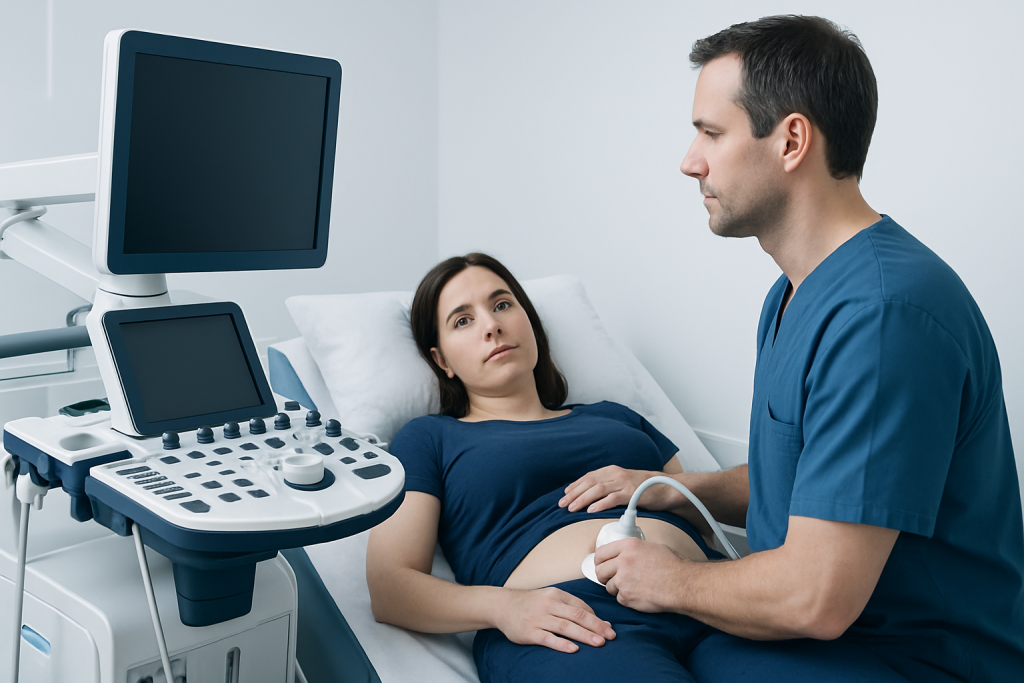
The experience of “knots on stomach” can vary widely. Some people feel a dull, achy pressure after eating, while others notice sharp cramps that come and go. The discomfort may be centered around the upper abdomen, around the navel, or lower in the belly. It may improve after passing gas or having a bowel movement, or it may seem unrelated to meals altogether.
Common accompanying symptoms include:
- Bloating or a feeling of fullness
- Burping, gas, or changes in bowel habits
- Nausea or reduced appetite
- Constipation or diarrhea
- Stress, anxiety, or a “tight” stomach feeling
Some symptoms deserve closer attention because they can suggest a more serious cause. These include fever, repeated vomiting, pain that becomes severe or localizes to one side, black or bloody stools, a hard abdominal lump, unintentional weight loss, or pain that wakes someone from sleep. In travelers or international patients, it is also worth noting whether symptoms started after a new food, a long journey, a recent medication change, or exposure to an infection, since those details can help the clinician narrow the cause.
Causes & Risk Factors

The most frequent causes are not dangerous, but they can still be unpleasant. Gas and indigestion may create pressure and cramping after a heavy meal or eating too quickly. Constipation can also make the abdomen feel knotted, especially if stool builds up in the colon. Muscle tension from stress or poor posture may be felt as a tight band across the stomach area.
Other common or possible causes include food intolerance, irritable bowel syndrome, gastroenteritis, acid-related discomfort, menstrual cramps, and abdominal wall strain. Sometimes a person feels a “knot” because the abdominal muscles are tightening in response to discomfort elsewhere in the body. In other situations, the symptom points to a more specific condition such as a hernia, gallstones, an ulcer, inflammatory bowel disease, or an ovarian or other pelvic issue.
Risk factors depend on the underlying problem. A history of constipation, irregular meals, a low-fiber diet, anxiety, recent travel, certain medications, prior abdominal surgery, and known digestive disease can all make a knotted-stomach sensation more likely. Age also matters, because new abdominal symptoms in older adults deserve a careful review, especially if they are persistent or changing.
Diagnosis
There is no single test for “knots on stomach” because the term describes a symptom, not a disease. A doctor usually starts by asking where the sensation is located, what it feels like, when it began, and whether eating, bowel movements, movement, or stress affect it. They will also ask about fever, vomiting, bowel changes, weight loss, medications, travel, and any past digestive conditions.
A physical examination is often the next step. The clinician may gently press on the abdomen to look for tenderness, guarding, swelling, or a mass. In some cases, the findings suggest a problem that can be managed simply. In others, testing helps clarify the cause. This may include blood tests to check for infection or inflammation, stool tests if infection or bleeding is suspected, pregnancy testing when relevant, or imaging such as ultrasound or CT scan when a lump, obstruction, gallbladder issue, or other structural problem is being considered.
For international patients arranging care abroad, bringing any prior records, medication lists, and recent test results can make the evaluation smoother and more efficient. That is especially helpful when symptoms have already been assessed elsewhere but remain unexplained. A clear timeline of when the discomfort started and what makes it better or worse can be just as valuable as a scan.
Treatment Options
Treatment depends entirely on the cause. If the symptom comes from gas, mild indigestion, or constipation, the plan may involve dietary changes, hydration, movement, and treatment to improve bowel habits. If stress or anxiety is contributing, relaxation strategies and addressing the emotional trigger can help reduce the physical sensation. When a medication is irritating the stomach or bowels, a doctor may suggest an alternative.
If an infection is present, treatment may include supportive care or other medical therapy based on the type of infection. Conditions such as ulcers, gallbladder disease, hernias, inflammatory bowel disease, or bowel obstruction require more specific management, which can range from medicine to procedural or surgical care. The right approach depends on how serious the condition is, how long it has been present, and whether symptoms are worsening.
For people who are traveling for diagnosis or treatment, the plan should also include recovery logistics: what tests are needed before leaving, how results will be shared, and what follow-up should happen at home. If procedures or surgery are recommended, the treating team should explain warning signs after discharge and how soon the patient should seek review if symptoms return. At Acibadem Health Point, multidisciplinary specialists and JCI-accredited hospitals diagnose and treat abdominal and digestive conditions for international patients with coordinated care and follow-up planning.
Prevention & Self-care
Not every cause of a knotted-stomach feeling can be prevented, but many everyday habits can reduce the chance of common digestive triggers. Eating slowly, avoiding very large meals, and noticing which foods tend to cause gas or bloating are useful first steps. Some people benefit from balancing fiber intake, drinking enough fluids, and staying active so the bowels move more regularly.
Stress management can also matter more than people expect. A tense stomach often reflects a tense day, and the gut is sensitive to sleep loss, anxiety, and routine changes. Gentle walking, breathing exercises, and a steadier meal schedule can all help some patients. If symptoms seem related to a particular food, keeping a short symptom diary may reveal patterns that are otherwise easy to miss.
- Choose smaller meals when the stomach feels easily upset
- Stay hydrated, especially during travel or hot weather
- Limit foods that repeatedly trigger bloating or cramping
- Move regularly to support digestion
- Do not ignore constipation that keeps returning
Self-care is appropriate for mild, short-lived symptoms that are improving. It is not a substitute for medical review when symptoms are persistent, severe, or accompanied by red flags. When in doubt, it is safer to ask a clinician than to assume the discomfort is “just gas.”
When to See a Doctor
Medical evaluation is recommended when the sensation lasts more than a short time, keeps returning, or starts interfering with eating, sleep, or daily activities. It is also important to be seen if the symptom is new and there is no obvious explanation, especially in someone with prior abdominal surgery, known digestive disease, or significant medical history.
Prompt care is especially important if “knots on stomach” is accompanied by severe pain, fever, repeated vomiting, a swollen or hard abdomen, fainting, shortness of breath, bloody or black stool, jaundice, or a lump that is growing or becoming more painful. These symptoms do not always mean something serious, but they do mean the situation should not be watched casually at home.
People planning international travel for evaluation should seek care early enough to allow time for testing and recovery. That makes it easier for the medical team to provide a complete diagnosis, discuss the safest options, and organize follow-up after the patient returns home. A timely visit often leads to simpler treatment and a clearer path forward.
Frequently asked questions
01What does “knots on stomach” usually mean?
It usually describes a tight, cramping, bloated, or lumpy feeling in the abdomen. It is a symptom description, not a medical diagnosis, so the cause can range from mild gas to a condition that needs treatment.
02Can stress cause knots on stomach?
Yes. Stress and anxiety can affect gut movement and abdominal muscle tension, which may feel like a knot or tightness. If the symptom keeps happening, a doctor can help check for other causes as well.
03Is a stomach knot the same as a lump?
Not always. Some people mean a painful cramp or pressure, while others mean a spot they can feel with their hand. A new or persistent lump should be examined by a doctor.
04What helps mild abdominal knotting at home?
Gentle walking, fluids, small meals, and rest may help when the cause is mild gas, indigestion, or constipation. If symptoms do not improve or become severe, medical assessment is the safer choice.
05When should abdominal pain be treated as urgent?
Urgent care is appropriate if there is severe pain, repeated vomiting, fever, blood in the stool, fainting, a hard swollen belly, or a rapidly changing lump. These signs need prompt medical attention.
06Can travel or new foods trigger this symptom?
Yes, travel can change eating patterns, hydration, stress, and exposure to infections, all of which may affect the abdomen. New foods or medications can also trigger bloating, cramping, or indigestion in some people.
This article is for general information only and is not a substitute for professional medical advice. Please consult a qualified doctor about your individual situation.
Persistent digestive symptoms? Get evaluated in Turkey
JCI-accredited · board-certified surgeons · reply within 24h
Add us as a Preferred Source to see more of our trusted health content across Google Search, AI Overviews and Discover.