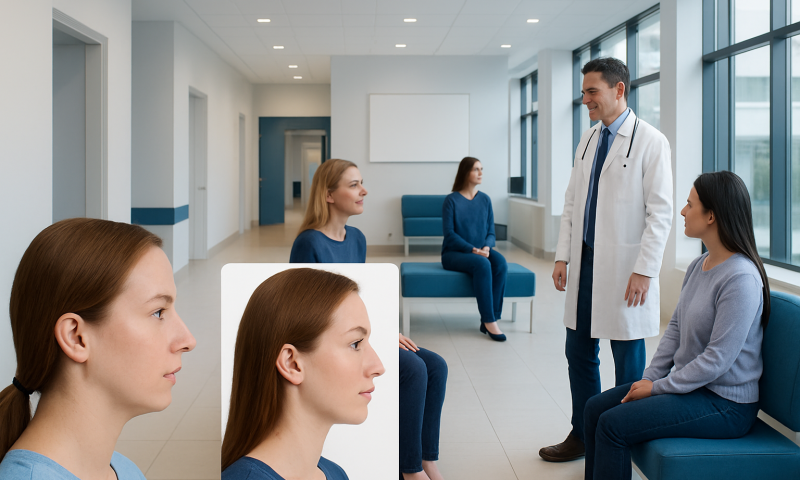
What Is Ice Pick Headache? A Complete Medical Guide

Key Takeaways
- Ice pick headache is a short, stabbing head pain that typically lasts seconds, not hours.
- It may happen on its own or alongside migraine and other headache disorders.
- Most cases are not dangerous, but new or one-sided stabbing pain should be assessed by a clinician.
- Diagnosis is based mainly on the symptom pattern and ruling out other causes.
- Treatment may not be needed if episodes are rare, but persistent cases can sometimes be managed with medication and trigger reduction.
Ice pick headache is a brief, sudden, stabbing head pain that often lasts only a few seconds. It is usually benign, but because similar symptoms can occur with other headache disorders, a medical evaluation is important when the pattern is new, severe, or changing.
Overview
An ice pick headache is a very brief, sharp, stabbing head pain that can feel as if a pointed object has suddenly struck one spot in the head. Clinicians also call it primary stabbing headache when no underlying cause is found. The pain usually lasts only a few seconds and may appear in different parts of the head from one episode to another.
For many people, the sensation is startling more than dangerous. Still, the experience can be distressing, especially when it happens repeatedly or is easy to confuse with migraine, neuralgia, or other head and face pain conditions. A careful medical history helps separate a harmless primary stabbing headache from symptoms that deserve a closer look.
International patients often seek clarity because these attacks are unpredictable and difficult to describe. A neurologist will usually focus on how long the pain lasts, where it occurs, how often it happens, and whether there are any associated symptoms such as fever, visual changes, weakness, or a new headache pattern.
Symptoms
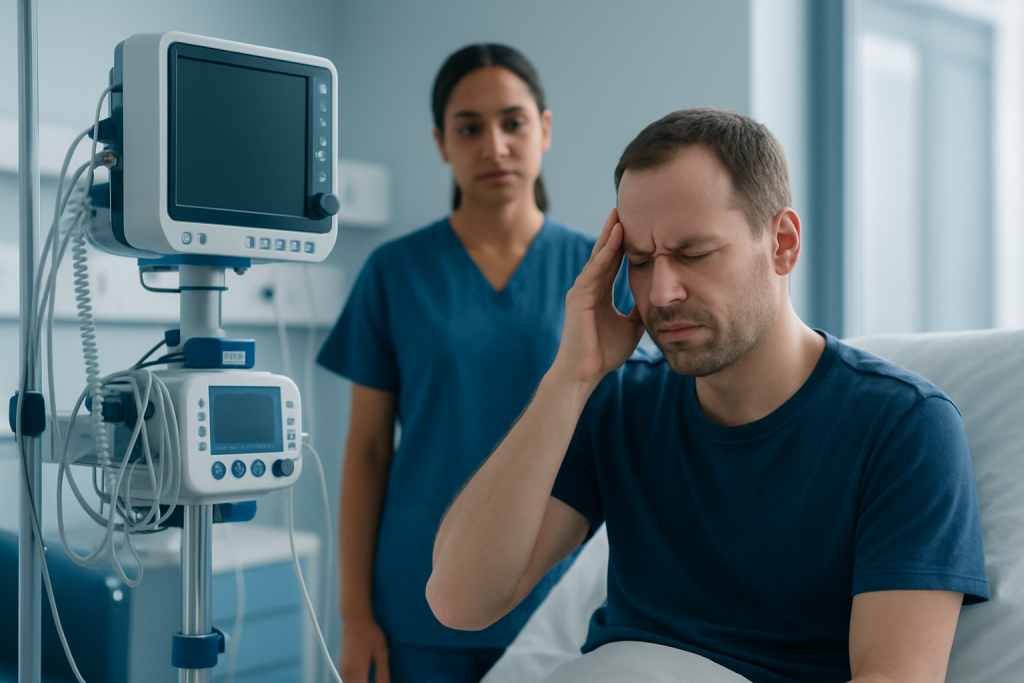
The classic symptom is a sudden stabbing or jabbing pain in the head that reaches maximum intensity immediately and then stops quickly. Many people describe it as a needle-like or ice-pick sensation. Episodes may happen once or several times in a day, and the pain may shift from one area to another rather than staying in the same exact spot.
Ice pick headache usually does not come with the nausea, light sensitivity, or throbbing pattern that often accompanies migraine. There is generally no warning sign before the pain begins, and the person may feel completely normal between episodes. Some people notice the attacks alongside other headache disorders, especially migraine, which can make the overall picture more complex.
Features that should be noted during evaluation include:
- Exact location of the pain
- How long each stab lasts
- How often the attacks occur
- Whether the pain is always on the same side
- Any linked symptoms such as eye redness, tearing, numbness, fever, or vision changes
Because several different conditions can cause sharp head pain, symptom details matter more than the label alone. A pattern that is new, increasingly frequent, or accompanied by other neurologic symptoms should be discussed with a doctor.
Causes & Risk Factors

In many cases, no specific cause is found, which is why the term primary stabbing headache is used. Researchers believe the pain may come from temporary abnormal activation of pain pathways in the brain rather than from a structural problem. That said, similar stabbing sensations can also occur as part of migraine or with certain nerve-related disorders.
People with migraine seem more likely to experience ice pick headache episodes. The association does not mean one condition causes the other, but it does suggest shared headache biology in some patients. Less commonly, sharp head pain can be related to eye, sinus, nerve, or vascular conditions, which is why a proper assessment matters.
Possible contributors or associated factors include:
- History of migraine
- Other primary headache disorders
- Stress, fatigue, or irregular sleep in some people
- Sudden head pain triggered by movement or temperature changes, in some cases
- Secondary causes that mimic stabbing headaches and require evaluation
Risk factors are not always predictable, and many people develop episodes without any obvious trigger. The main clinical goal is not to assume the pain is harmless, but to understand whether it fits a primary stabbing pattern or reflects another condition.
Diagnosis
Diagnosis begins with a detailed conversation about the headache pattern. There is no single blood test or scan that confirms ice pick headache. Instead, clinicians look for the hallmark features: very short stabs, sudden onset, complete resolution between attacks, and the absence of signs that suggest another disorder.
A neurologist may ask whether the pain always occurs in the same spot, whether it lasts fractions of a second or several seconds, and whether any other symptoms appear at the same time. The doctor will also check for red flags such as a first or worst headache, persistent neurological symptoms, fever, head injury, or changes in vision.
Depending on the history and exam, additional tests may be recommended to rule out other causes. These can include neurological examination, eye assessment, and imaging when the presentation is unusual or concerning. For an international patient arranging care from abroad, bringing prior scans, headache diaries, and medication lists can help the specialist reach a faster, more accurate conclusion.
Diagnosis is often about pattern recognition plus caution. A straightforward ice pick headache diagnosis is made when the attacks are classic and no evidence suggests a secondary cause.
Treatment Options
Many people with occasional ice pick headaches do not need active treatment. If the stabs are infrequent and brief, reassurance and observation may be enough. When episodes are frequent, disruptive, or linked with another headache disorder, a clinician may consider treatment aimed at reducing attack frequency or addressing the underlying headache condition.
Medicines are chosen individually by a doctor based on the broader headache picture, other health conditions, and the person’s medication tolerance. Some patients benefit from treatment that is used for migraine prevention or other headache syndromes, while others do better with no daily medication at all. Because the pain is so brief, pain relievers taken after the attack starts often do not help much.
Management may include:
- Treating coexisting migraine or another headache disorder
- Reviewing medications that might complicate headache patterns
- Improving sleep regularity and hydration
- Reducing clear personal triggers if they are identified
- Using doctor-guided preventive therapy when attacks are frequent
For patients traveling for care, treatment planning should also consider follow-up access after returning home. A neurologist can usually outline a practical plan that includes symptom monitoring, medication review, and guidance on when remote re-evaluation is enough versus when an in-person visit is needed.
Prevention & Self-care
There is no guaranteed way to prevent ice pick headache, especially when no clear trigger is identified. Even so, self-care can help reduce overall headache burden and make patterns easier to spot. A headache diary is one of the most useful tools because it records timing, location, duration, and any possible links with sleep, stress, meals, or other headaches.
General habits that support headache stability are often worthwhile, particularly for people who also live with migraine. Regular sleep, adequate fluid intake, balanced meals, and sensible stress management can all help create a steadier baseline. If someone notices that bright light, skipped meals, travel fatigue, or neck strain precede attacks, these details are worth discussing with a clinician rather than trying to self-diagnose the cause.
Helpful self-care steps include:
- Keep a headache diary for several weeks
- Maintain a steady sleep schedule
- Avoid skipping meals and dehydration
- Notice whether migraine is also present
- Review caffeine and stress patterns with a doctor if headaches are frequent
Self-care is not a substitute for evaluation when the headache is new, changing, or associated with other symptoms. The safest approach is to use home tracking to support, not replace, medical assessment.
When to See a Doctor
Medical advice is appropriate when stabbing head pain is new, recurrent, or difficult to explain. Even though ice pick headache is often benign, similar pain can appear with other conditions that deserve treatment. A doctor should also be consulted if the episodes are happening more often, lasting longer, or affecting daily life.
Prompt evaluation is especially important if the person has any of the following:
- Sudden headache with weakness, confusion, fainting, or speech trouble
- Fever, stiff neck, or feeling generally unwell
- Eye pain, redness, or vision changes
- Headache after head injury
- A new headache pattern in later adulthood
- Persistent one-sided stabbing pain in the same location
For patients considering treatment abroad, a neurology visit can be useful when previous assessments were inconclusive or when the headache history is complicated by migraine or other conditions. Acibadem Health Point’s multidisciplinary specialists and JCI-accredited hospitals diagnose and treat this condition for international patients in a coordinated, patient-friendly way.
In most situations, the goal is reassurance, careful evaluation, and a practical plan rather than urgent intervention. A clear diagnosis often provides peace of mind and helps the person know exactly what to watch for in the future.
Frequently asked questions
01What is an ice pick headache?
An ice pick headache is a very brief, sharp stabbing pain in the head that usually lasts only a few seconds. Clinicians may call it primary stabbing headache when no underlying cause is found.
02Is ice pick headache dangerous?
It is often not dangerous, especially when it fits the typical brief stabbing pattern and occurs without other symptoms. However, new or changing head pain should still be evaluated to rule out other causes.
03How is ice pick headache different from migraine?
Migraine usually lasts much longer and often causes throbbing pain, nausea, or light sensitivity. Ice pick headache is usually a sudden, isolated stab of pain that ends quickly.
04Can ice pick headache happen with migraine?
Yes, some people with migraine also experience ice pick headache. In those cases, the stabbing pain may be part of a broader headache tendency rather than a separate serious problem.
05Do I need a scan for ice pick headache?
Not everyone does. A doctor decides based on the headache pattern, physical examination, and whether any warning signs suggest another condition.
06What should I do during an attack?
Because the pain usually lasts only seconds, there is often little time for a pain reliever to work. It is more helpful to track the episodes and discuss recurring attacks with a clinician.
This article is for general information only and is not a substitute for professional medical advice. Please consult a qualified doctor about your individual situation.
Persistent digestive symptoms? Get evaluated in Turkey
JCI-accredited · board-certified surgeons · reply within 24h
Add us as a Preferred Source to see more of our trusted health content across Google Search, AI Overviews and Discover.