

What Is IBS? Symptoms, Triggers and Treatment Options
- 8 min read
- Published November 29, 2026
Key Takeaways
- IBS is a functional bowel disorder that changes how the gut behaves, often causing pain, bloating, diarrhea, constipation, or alternating bowel habits.
- Symptoms often fluctuate over time and may be triggered by stress, certain foods, hormonal changes, or other personal factors.
- Doctors diagnose IBS by reviewing symptoms and excluding other conditions that can look similar.
- Treatment usually combines diet changes, stress management, symptom-directed medicines, and follow-up care tailored to the person.
- Medical review is important if symptoms are new, severe, or accompanied by warning signs such as weight loss, blood in stool, fever, or nighttime symptoms.
Irritable bowel syndrome, often called IBS, is a common digestive disorder that affects how the gut works rather than causing visible damage. With the right evaluation and a practical treatment plan, many people can reduce symptoms and regain confidence in daily life.
Overview
Irritable bowel syndrome, or IBS, is one of the most common reasons people seek digestive care. It affects the way the intestines function, leading to recurring abdominal discomfort and changes in bowel habits, but it does not usually cause structural damage that can be seen on scans or endoscopy.
Because the symptoms can be unpredictable, IBS can interfere with travel, work, meals, and social plans. Many international patients describe it as a condition that is less about a single flare-up and more about learning how to recognize personal triggers, manage episodes early, and build a steady plan with a clinician who understands the whole picture.
IBS is considered a chronic condition, but it is also manageable. The goal of care is not only to reduce pain or bowel changes, but also to help the person feel more in control of eating, movement, stress, and routine.
Symptoms
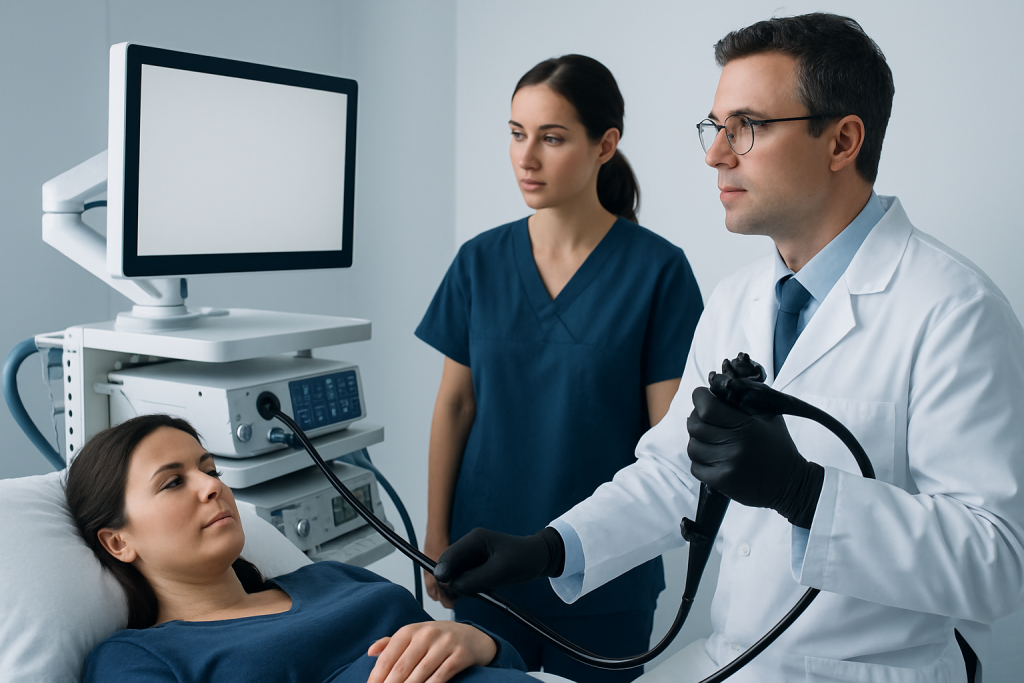
IBS symptoms vary from person to person, and the pattern often matters as much as the symptom itself. Some people have more diarrhea, some have more constipation, and others move between both.
Common symptoms may include:
- Abdominal pain or cramping that may improve after a bowel movement
- Bloating or a feeling of abdominal fullness
- Diarrhea, constipation, or alternating stool patterns
- Urgency to have a bowel movement
- Feeling that the bowel movement was incomplete
- Mucus in the stool
Symptoms often come and go. They may worsen during periods of stress, after certain meals, during travel, or around hormonal shifts. Some people notice that symptoms are milder when routines are stable and sleep is adequate.
Causes & Risk Factors

There is no single cause of IBS. Instead, it is thought to involve a mix of gut sensitivity, bowel movement changes, brain-gut communication, and individual triggers. In some people, the gut may be more reactive to normal stretching or gas, which can make ordinary digestion feel painful or urgent.
Several factors can increase the likelihood of IBS or make symptoms harder to control:
- A family history of IBS
- Stress, anxiety, or long-term emotional strain
- A prior gastrointestinal infection
- Food sensitivities or difficulty tolerating certain carbohydrates
- Hormonal influences, especially in people who menstruate
- Sleep disruption or irregular eating habits
IBS is not caused by poor willpower or “weak digestion.” It is a real disorder of function, and symptoms are influenced by both the digestive system and the nervous system. That is why successful treatment often looks beyond the stomach and includes lifestyle, nutrition, and stress-related support.
Diagnosis
Doctors usually diagnose IBS by listening carefully to the symptom history and checking for patterns that fit the condition. The conversation often focuses on pain, bowel habits, how long symptoms have been present, and whether there are warning signs that suggest another diagnosis.
A clinician may order tests to rule out conditions that can resemble IBS, especially if symptoms are new, severe, or atypical. Depending on the case, this may include blood tests, stool tests, or further evaluation such as imaging or colonoscopy. Not every person needs every test; the approach depends on age, symptoms, and medical history.
For international patients, diagnosis sometimes begins before travel through a medical review of previous records, then continues with targeted testing after arrival. That can help avoid unnecessary procedures while still making sure important conditions are not missed.
Treatment Options
IBS treatment is usually individualized because the same plan does not work for everyone. The most helpful approach often combines several tools instead of relying on one medication or one diet change alone.
Common treatment options may include:
- Dietary adjustment, sometimes with guidance on fiber or a low-FODMAP approach
- Medicines for pain, diarrhea, constipation, or bowel spasm, chosen based on the main symptoms
- Stress management strategies such as relaxation exercises, cognitive behavioral therapy, or gut-directed psychological support
- Probiotics in selected cases, depending on the clinician’s advice
- Treatment of overlapping conditions such as reflux, anxiety, or food intolerance when present
Care plans often change over time. A treatment that helps during a diarrhea-predominant phase may not be the right choice during a constipation-predominant phase, so follow-up matters. Patients traveling for care may benefit from a clear written plan they can continue at home with local medical support.
Prevention & Self-care
IBS cannot always be prevented, but symptoms can often be reduced through consistent habits. Many people do best when they keep food, stress, sleep, and bowel patterns as steady as possible.
Helpful self-care steps may include:
- Eating regular meals and avoiding large, rushed meals
- Noticing and tracking personal food triggers
- Gradually increasing soluble fiber if recommended
- Drinking enough fluids, especially if constipation is present
- Keeping active with gentle, regular movement
- Protecting sleep and using stress-reduction routines
A symptom diary can be especially useful. It may help identify patterns that are hard to see day by day, such as flares after certain foods, stressful work periods, or disrupted sleep during travel. Even small changes, when repeated consistently, can make IBS more predictable and easier to manage.
When to See a Doctor
Anyone with ongoing bowel symptoms should consider a medical assessment, especially if the problem is new or interfering with daily life. IBS is common, but similar symptoms can also come from other digestive conditions that need specific treatment.
Prompt medical attention is important if there is unexplained weight loss, blood in the stool, persistent fever, anemia, vomiting, symptoms that wake the person at night, or a strong family history of colon cancer or Ulcerative Colitis, and Flares" class="ahp-ilk">inflammatory bowel disease. A sudden change in bowel habits later in life also deserves evaluation.
For patients planning to travel for care, a gastroenterology team can help determine whether diagnostic testing should be done before departure or after arrival, so the visit is organized and efficient. Acibadem Health Point’s multidisciplinary specialists and JCI-accredited hospitals diagnose and treat IBS for international patients with coordinated, patient-centered care.
Living Well With IBS
IBS often improves when the person understands their own pattern rather than chasing a one-size-fits-all solution. Over time, many patients learn which foods, routines, or stressors matter most and how to respond before symptoms escalate.
That process can be especially helpful for people balancing work, family, and international travel. Clear instructions, realistic meal planning, and follow-up with a qualified clinician can make it easier to stay well while moving between countries or schedules.
Although IBS can be frustrating, it is usually manageable with ongoing care. The most effective plans are practical, adaptable, and built around the person’s actual life, not just the diagnosis label.
Frequently asked questions
01What exactly is IBS?
IBS stands for irritable bowel syndrome. It is a functional digestive disorder that affects how the bowel works, causing symptoms such as abdominal pain, bloating, diarrhea, constipation, or a mix of these. It does not usually cause visible damage to the intestines.
02Is IBS the same as inflammatory bowel disease?
No, IBS and inflammatory bowel disease are different conditions. IBS affects bowel function, while inflammatory bowel disease, such as Crohn’s disease or ulcerative colitis, involves inflammation and may cause tissue damage. A doctor may order tests if the symptoms overlap.
03Can stress really make IBS worse?
Yes, stress can make IBS symptoms more noticeable or more frequent in many people. The gut and brain communicate closely, so emotional strain, poor sleep, and travel disruption can all affect digestion. Stress reduction is often part of treatment.
04Do certain foods cause IBS?
Foods do not cause IBS in every case, but some can trigger symptoms in sensitive people. Common triggers may include very fatty meals, caffeine, alcohol, or certain fermentable carbohydrates. A clinician or dietitian can help identify patterns without over-restricting the diet.
05How is IBS diagnosed?
IBS is usually diagnosed by reviewing the symptom pattern and ruling out other conditions when needed. Doctors may use blood tests, stool tests, or additional investigations depending on age, symptoms, and warning signs. The diagnosis is based on the overall clinical picture, not one single test.
06Can IBS be cured?
IBS is usually managed rather than cured, but many people achieve good symptom control. Treatment is often adjusted over time to match the person’s dominant symptoms and daily routine. Regular follow-up helps keep the plan effective.
This article is for general information only and is not a substitute for professional medical advice. Please consult a qualified doctor about your individual situation.
Persistent digestive symptoms? Get evaluated in Turkey
JCI-accredited · board-certified surgeons · reply within 24h
Add us as a Preferred Source to see more of our trusted health content across Google Search, AI Overviews and Discover.


How can we help you today?
Meet an Acibadem specialist by secure video, before you travel.
Book a video visit