

What Is Hip Joint Dislocation? A Complete Medical Guide
- 8 min read
- Published November 26, 2026
Key Takeaways
- Hip joint dislocation is an emergency and should be assessed quickly by a doctor.
- Severe pain, an inability to move the leg, and a visibly abnormal leg position are common warning signs.
- Most hip dislocations are caused by high-impact trauma, such as car crashes or major falls.
- Diagnosis usually includes a physical examination and imaging studies before and after the joint is put back in place.
- Recovery often involves rest, pain control, rehabilitation, and follow-up to check for complications.
A hip joint dislocation happens when the head of the thigh bone is forced out of the hip socket, usually after a major injury. It is a medical emergency because prompt treatment helps protect the blood supply to the hip and lowers the risk of long-term complications.
Overview
Hip joint dislocation occurs when the rounded top of the thigh bone slips out of the socket in the pelvis. In a healthy hip, the joint is designed for both stability and movement, so dislocation usually happens only when a strong force overwhelms that protection.
This is not the same as a hip strain or general hip pain. A true dislocation is urgent because the surrounding nerves, blood vessels, cartilage, and ligaments may also be injured. The sooner the joint is examined and reduced, the better the chances of avoiding lasting stiffness, arthritis, or damage to the bone’s blood supply.
For people who are traveling for treatment, the situation can feel especially stressful. Medical teams usually focus first on pain relief, safe imaging, and rapid reduction of the joint, then they build a recovery plan that can be followed at home or coordinated with local doctors after the patient returns to another country.
Symptoms
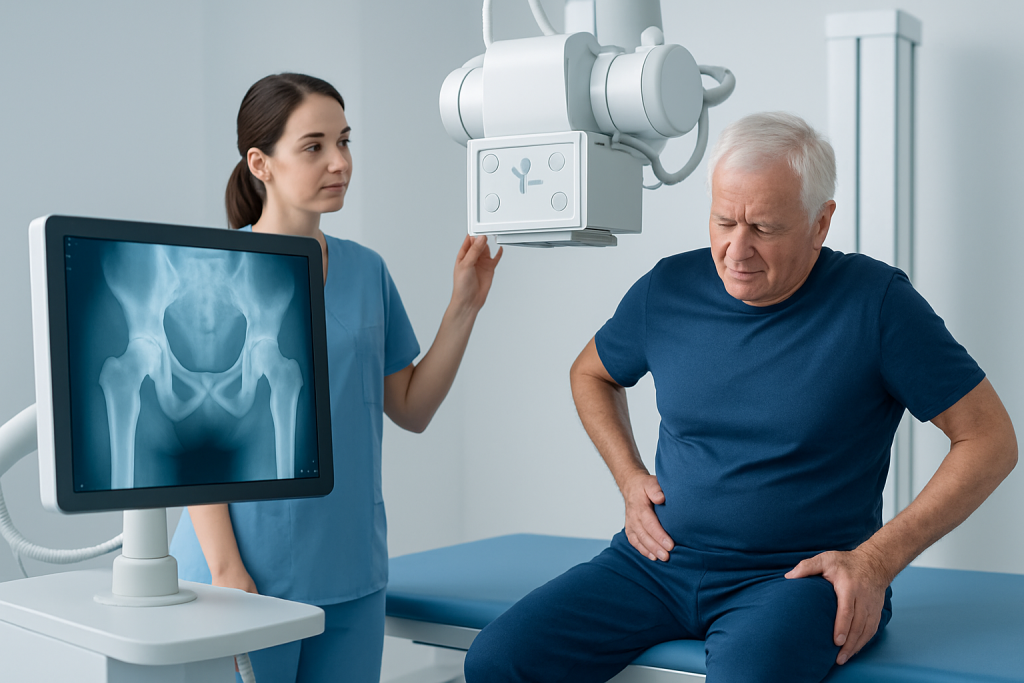
The most noticeable sign is severe hip or groin pain after an accident or heavy impact. Walking is usually impossible, and the affected leg may look shorter, turned inward, or turned outward depending on the direction of the dislocation.
Other symptoms can include:
- Swelling or bruising around the hip
- Spasm in the thigh or buttock muscles
- Loss of movement in the leg
- Numbness, tingling, or weakness if a nerve is affected
- Pain that worsens with any attempt to move the joint
In some cases, people also notice pain in the knee because the hip injury can send discomfort down the leg. Even if the pain seems to settle temporarily, a suspected dislocation still needs urgent medical assessment rather than watchful waiting.
Causes & Risk Factors

Most hip dislocations are caused by high-energy trauma. Common examples include motor vehicle collisions, falls from height, sports accidents, or other forceful injuries that drive the thigh bone out of place.
Certain situations may raise the risk. These include a previous hip dislocation, hip replacement surgery, weakened supporting structures, or conditions that affect joint stability. In children and younger adults, the injury may be linked to severe trauma; in older adults, falls can sometimes be enough to cause a serious hip injury, especially if there are other bone or joint problems.
The direction of the dislocation matters medically. Posterior dislocations are more common and often occur when the knee strikes the dashboard in a car crash, while anterior dislocations are less common and may happen when the leg is forced into an awkward position. Both require prompt specialist care.
Diagnosis
Doctors usually begin with a careful history of how the injury happened, followed by a physical examination. They check leg position, circulation, sensation, and the ability to move the foot and toes because nearby nerves and blood vessels can be affected.
X-rays are commonly used to confirm the dislocation and look for fractures. In some cases, a CT scan is needed to define the injury more clearly, especially if there is concern about small bone fragments or a complex fracture. Imaging is also important after the hip is reduced to confirm that the joint is back in place.
Because the hip is deep in the body and important structures pass nearby, diagnosis is about more than simply “seeing” the joint out of place. The medical team also looks for associated injuries that could change the treatment plan or recovery time.
Treatment Options
The main treatment is reduction, which means moving the femoral head back into the socket as safely and quickly as possible. This is usually done in a hospital setting, often with sedation or anesthesia so that pain and muscle spasm do not make the procedure more difficult.
After reduction, the team may repeat imaging to confirm the joint position and to check for fractures. Depending on the injury, the patient may need short-term rest, walking aids, pain relief, and a period of limited weight-bearing. If there are broken bones, trapped fragments, repeated dislocations, or soft tissue damage, surgery may be recommended.
Rehabilitation is a key part of treatment. A physiotherapist may guide gentle exercises to restore movement, rebuild strength, and improve balance without stressing the healing hip too early. Follow-up visits are important because some complications, such as avascular necrosis or arthritis, may not appear immediately.
Prevention & Self-care
Not every hip dislocation can be prevented, especially when it follows major trauma. Still, general injury prevention can lower risk: using seat belts, following sports safety rules, wearing protective equipment where appropriate, and reducing fall hazards at home are all sensible steps.
After treatment, self-care usually focuses on protecting the joint while it heals. Patients are often advised to follow weight-bearing instructions closely, use assistive devices if recommended, and attend physiotherapy sessions consistently. It also helps to avoid sudden twisting, deep bending, or movements that the treating doctor has said are unsafe for the healing hip.
For patients recovering far from the treating hospital, clear written instructions are especially helpful. A good discharge plan should explain activity limits, warning signs, medication use in general terms, and when to arrange follow-up imaging or orthopedic review in the home country.
When to See a Doctor
A suspected hip joint dislocation should be treated as an emergency. Immediate medical attention is needed after any major injury if there is severe hip pain, inability to stand or walk, obvious leg deformity, numbness, or weakness.
Urgent care is also important if pain remains intense after an injury that seemed “minor,” because some fractures or partial dislocations can be missed without imaging. The same applies if a person has had a prior hip replacement and suddenly develops pain, a clicking sensation, or difficulty moving the leg.
After treatment, patients should contact their doctor promptly if pain worsens, swelling increases, the foot becomes cold or pale, numbness appears, or fever develops. A careful follow-up helps catch problems early and supports a safer recovery.
For international patients who need coordinated orthopedic care, Acibadem Health Point’s multidisciplinary specialists and JCI-accredited hospitals diagnose and treat hip joint dislocation with a structured approach that supports both treatment and follow-up planning.
Living with Recovery and Follow-up
Recovery from a hip dislocation is often measured in stages rather than days. The joint may feel weak or guarded for a while, even after it has been put back in place, and this is one reason rehabilitation and follow-up matter so much.
Doctors may recommend repeat visits to check pain levels, movement, nerve function, and healing progress. If the patient is recovering in another country, it can be useful to keep copies of imaging reports, discharge summaries, and rehabilitation instructions so that future doctors can continue care without interruption.
Most people do best when they treat recovery as a partnership: following restrictions, doing the right exercises at the right time, and reporting new symptoms early. That approach supports a steadier return to walking, work, and everyday activities.
Frequently asked questions
01Is a hip joint dislocation a medical emergency?
Yes. A hip joint dislocation needs urgent evaluation because the joint should be reduced as quickly as possible and nearby nerves or blood vessels may be injured. Delaying treatment can increase the risk of complications.
02Can a person walk with a dislocated hip?
Usually not. The pain is typically severe, and the leg often cannot bear weight or move normally. Some people may still try to stand, but walking is generally very difficult or impossible.
03How is a dislocated hip put back in place?
Doctors reduce the joint in a hospital setting, usually with sedation or anesthesia to relax the muscles and reduce pain. Imaging is often done before and after the procedure to guide treatment and confirm the hip is back in position.
04How long does recovery take after a hip dislocation?
Recovery time varies depending on whether there were fractures, nerve injury, or other complications. Some people improve over weeks, while others need longer rehabilitation and follow-up to regain strength and mobility.
05What complications can happen after a hip dislocation?
Possible complications include nerve injury, blood vessel injury, avascular necrosis, stiffness, and later arthritis. Prompt treatment and regular follow-up lower the chance of these problems being missed.
06Can hip dislocations happen again?
They can, especially if the joint is unstable or if there was significant damage to the surrounding tissues. Rehabilitation, activity guidance, and orthopedic follow-up help reduce the risk of repeat dislocation.
This article is for general information only and is not a substitute for professional medical advice. Please consult a qualified doctor about your individual situation.
Joint and spine care in Turkey — expert assessment & treatment
JCI-accredited · board-certified surgeons · reply within 24h
Add us as a Preferred Source to see more of our trusted health content across Google Search, AI Overviews and Discover.


How can we help you today?
Meet an Acibadem specialist by secure video, before you travel.
Book a video visit