What Is Green Veins? A Complete Medical Guide

Key Takeaways
- Green veins are often normal and related to how veins look under the skin, not a sign of disease by themselves.
- New pain, swelling, warmth, redness, or a hard cord-like vein should be checked by a clinician.
- Risk factors for visible vein changes include age, genetics, prolonged standing, pregnancy, and weight changes.
- Ultrasound is commonly used when a doctor needs to assess vein flow or rule out venous disease.
- Lifestyle measures may help support vein comfort, but persistent or worsening symptoms may need medical treatment.
Green veins usually refer to veins that look green through the skin, most often because of light, skin tone, or the natural appearance of superficial veins. In some people, they may also be linked with enlarged or more visible veins that deserve medical assessment if they are painful, changing, or associated with swelling.
Overview
Green veins are usually not a disease on their own. Most of the time, the term describes veins that appear greenish beneath the skin because of lighting, skin thickness, skin tone, or the way superficial veins reflect light. In many people, these veins are simply more noticeable in the hands, arms, chest, legs, or temples.
Still, the phrase can sometimes be used to describe veins that have become more visible, enlarged, or rope-like. When that happens, the question is less about color and more about why the vein stands out. A doctor may want to assess whether the veins are a normal body feature, a cosmetic concern, or part of a venous condition such as varicose veins or chronic venous insufficiency.
For international patients planning care abroad, it helps to know that vein concerns are usually evaluated in a stepwise way: a history, a physical examination, and, when needed, a scan such as duplex ultrasound. That approach helps distinguish harmless visible veins from problems that need treatment.
Symptoms
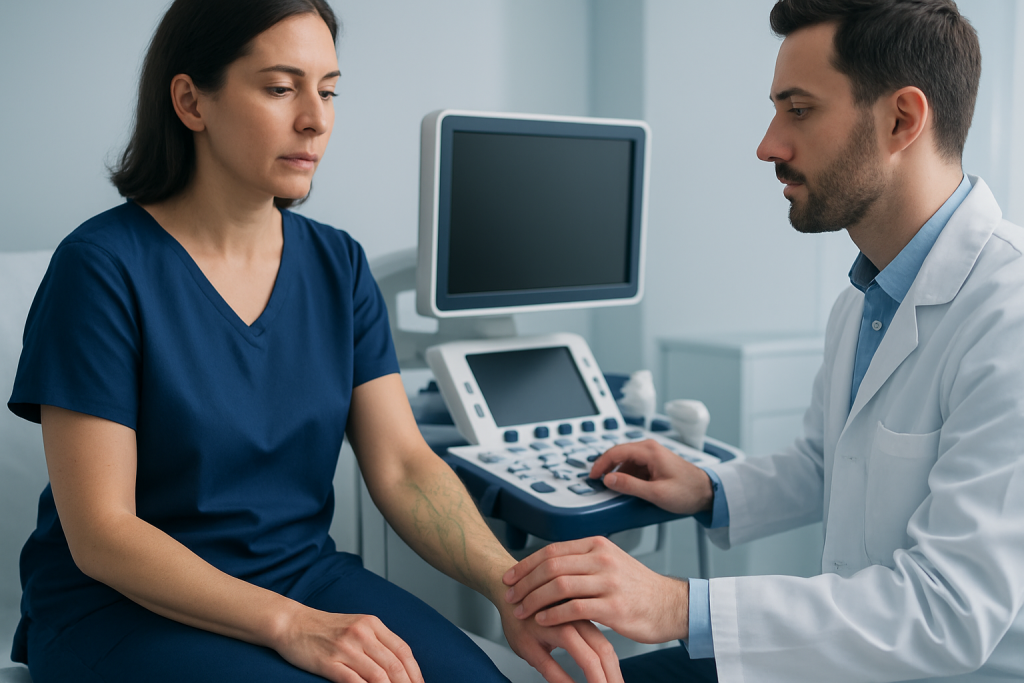
In many cases, the only finding is a visible vein that looks green, blue-green, or dark under the skin. The area is usually not painful, and the person may notice it more after exercise, in warm weather, or when the skin is thin or stretched.
Symptoms that suggest a medical evaluation may be useful include:
- A vein that becomes tender, hard, warm, or red
- Swelling in one leg, ankle, hand, or arm
- Heaviness, aching, or throbbing in the limbs
- Skin discoloration near the vein
- Itching, burning, or cramps in the legs
- Visible bulging veins that worsen over time
If a vein suddenly becomes prominent after an injury, or if the skin around it changes color quickly, a clinician should assess it. Those changes do not always mean something serious, but they should not be ignored.
Causes & Risk Factors
Veins can look green for simple optical reasons. Skin filters light in a way that can make superficial veins appear green rather than blue, especially when the skin is fair, thin, or tightly stretched. The deeper the vein sits, the less likely it is to be seen; the closer it is to the surface, the more visible it becomes.
Some factors make veins easier to notice or more likely to change in appearance:
- Genetics and family history of visible or varicose veins
- Age-related thinning of the skin and loss of elasticity
- Pregnancy, which increases blood volume and pressure in the veins
- Prolonged standing or sitting
- Weight changes and reduced muscle support around the veins
- Sun damage, which can make skin thinner in exposed areas
In some people, visible greenish veins are associated with venous reflux, where valves in the veins do not close properly and blood pools in the lower limbs. Less commonly, the appearance can be related to superficial vein inflammation, trauma, or prior intravenous procedures. A doctor considers the whole picture rather than the color alone.
Diagnosis
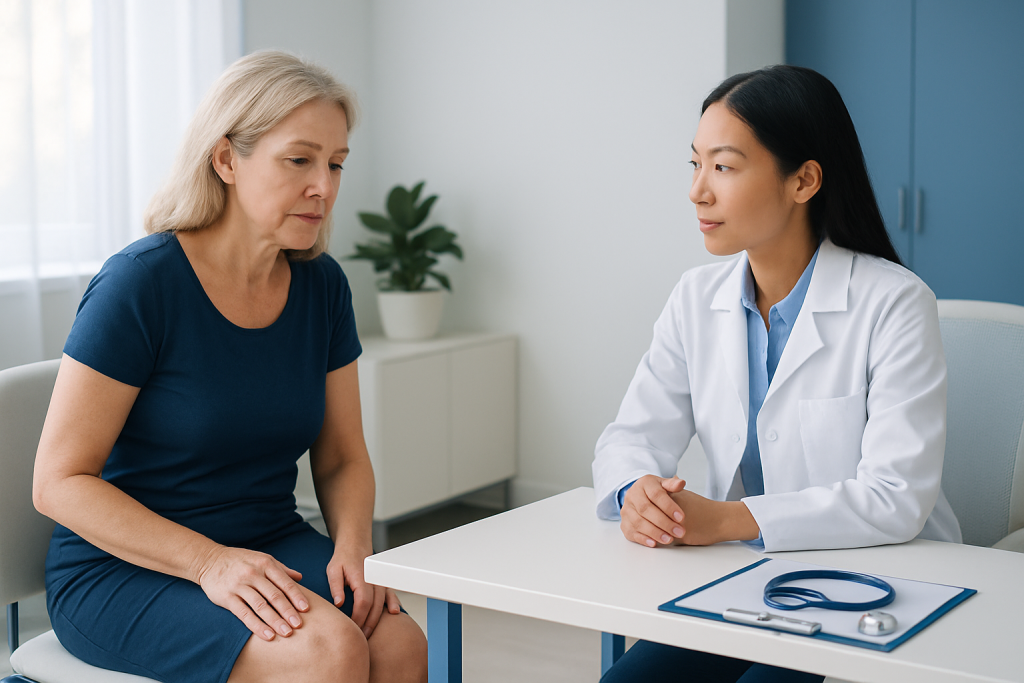
Diagnosis starts with a conversation about when the veins were first noticed, whether they are changing, and whether symptoms such as pain or swelling are present. The doctor may ask about family history, pregnancy, standing work, recent travel, or any prior vein procedures.
A physical examination helps the clinician judge whether the veins are simply visible or whether they have the features of varicose veins, inflammation, or poor circulation. The doctor may look for skin changes, compare both sides of the body, and check for tenderness or firmness along the vein.
If the appearance or symptoms suggest a deeper problem, duplex ultrasound is often the next step. This painless scan shows blood flow and vein valve function. It can help identify reflux, clots, or other venous issues and guide the most appropriate treatment. For patients traveling from abroad, this test is often central to building a clear plan before they return home.
Treatment Options
There is no treatment needed for many people with green-looking veins if the veins are healthy and the concern is only their appearance. In those cases, reassurance and observation may be all that is required.
If the veins are part of a venous condition or are causing discomfort, treatment depends on the cause. Common approaches include:
- Compression stockings to support venous return and reduce swelling
- Activity changes, such as regular walking and avoiding long periods of stillness
- Elevation of the legs when resting
- Procedures for varicose or refluxing veins, such as endovenous treatment, sclerotherapy, or vein removal in selected cases
- Treatment of inflammation or clot-related conditions when present, based on specialist advice
The right option depends on vein size, symptom level, location, and overall health. A vein specialist or vascular team can explain whether a conservative plan is enough or whether a procedure would be more effective. Patients coming from another country should also discuss follow-up timing before treatment begins, so aftercare is realistic once they return home.
Prevention & Self-care
Not every visible vein can be prevented, especially when genetics play a role. Even so, some habits may reduce vein strain and help the legs feel more comfortable.
Helpful self-care measures include staying active, taking walking breaks during long trips or work shifts, and avoiding long stretches of sitting or standing without movement. Maintaining a healthy weight can also reduce pressure on the venous system. When resting, elevating the legs may ease heaviness and swelling.
If a doctor recommends compression stockings, wearing them as instructed can support symptoms and circulation. Skin care matters too: keeping the skin moisturized and protecting it from excessive sun exposure may help the skin look healthier, which can make veins less prominent in some areas. Self-care is supportive, but it should not replace an evaluation if symptoms are changing.
When to See a Doctor
A medical review is sensible if green-looking veins are new, increasingly visible, or linked with pain, swelling, warmth, redness, or a hard cord-like texture. These features may point to a vein condition that should be assessed rather than simply watched.
Urgent medical care is important if swelling affects only one limb, pain is sudden or severe, breathing becomes difficult, or the chest feels tight. Those symptoms can have causes beyond visible veins and deserve prompt attention.
For less urgent concerns, an appointment with a primary doctor, dermatologist, or vascular specialist can help clarify what the veins mean and whether treatment is needed. Acibadem Health Point’s multidisciplinary specialists and JCI-accredited hospitals diagnose and treat vein conditions for international patients, with care plans that can be organized around travel and follow-up needs.
Living With Visible Veins
Many people live with visible veins without any health problem at all. The most important first step is understanding whether the veins are simply easy to see or whether they are part of a treatable circulation issue. That distinction often brings more peace of mind than any cosmetic explanation alone.
When symptoms are present, a clear plan helps. Some patients benefit from lifestyle adjustments and observation, while others need ultrasound-guided assessment or a procedure. The goal is not to “erase” every vein, but to protect comfort, circulation, and confidence in a way that fits the person’s daily life.
For anyone arranging care across borders, it is helpful to ask in advance what tests will be done, how long recovery may take, and what follow-up will be required after returning home. Good planning makes vein care simpler and safer.
Frequently asked questions
01Are green veins normal?
Often, yes. Veins can look green through the skin because of light and skin thickness, especially when they are close to the surface. If the vein is painful, swollen, warm, or changing, it should be evaluated.
02Do green veins mean poor circulation?
Not necessarily. Color alone does not diagnose a circulation problem. Doctors look for symptoms such as swelling, aching, skin changes, or vein enlargement before deciding whether circulation needs testing.
03What is the difference between green veins and varicose veins?
Green veins usually describe how a vein looks through the skin, while varicose veins are enlarged, twisted veins caused by valve problems. Varicose veins may look blue, purple, or greenish and can cause heaviness or discomfort.
04Can exercise help visible veins?
Regular movement can support healthy blood flow and may reduce heaviness in the legs. Exercise does not usually make normal superficial veins disappear, but it can help if venous pressure is contributing to symptoms.
05Should visible veins be removed for cosmetic reasons?
Sometimes patients choose treatment for appearance, but this depends on whether the veins are healthy and what options are appropriate. A clinician can explain the benefits, limitations, and risks of each approach.
06When is ultrasound needed for green veins?
Ultrasound is commonly used when a doctor suspects varicose veins, reflux, inflammation, or a clot. It is especially useful when the appearance is paired with pain, swelling, or one-sided symptoms.
This article is for general information only and is not a substitute for professional medical advice. Please consult a qualified doctor about your individual situation.
Explore treatments in Turkey — costs, top hospitals & a free quote
JCI-accredited · board-certified surgeons · reply within 24h
Add us as a Preferred Source to see more of our trusted health content across Google Search, AI Overviews and Discover.