What Is Gained Weight Period? A Complete Medical Guide

Key Takeaways
- Temporary weight gain around a period is common and is often due to fluid retention rather than true fat gain.
- Hormonal shifts before menstruation can affect appetite, digestion, bowel habits, and how clothing fits.
- Lifestyle measures such as hydration, regular movement, balanced meals, and sleep can ease symptoms.
- Sudden, marked, or ongoing weight gain should be discussed with a clinician to rule out thyroid, hormonal, or other health issues.
- Tracking symptoms across several cycles can help identify patterns and guide more personalized care.
A gained weight period usually refers to temporary weight changes around menstruation, most often caused by water retention, bloating, appetite shifts, and hormonal fluctuations. In many people, the number on the scale returns to baseline after the period ends, but persistent or severe changes deserve medical attention.
Overview
“Gained weight period” is a common way people describe feeling heavier or seeing the scale rise around menstruation. In most cases, this is not true body-fat gain. It is usually a short-lived change linked to hormone shifts, fluid retention, bloating, and changes in eating or activity patterns that often happen in the days before a period.
For many women, these changes begin during the luteal phase of the menstrual cycle, after ovulation and before bleeding starts. The body may hold on to more water, digestion may slow a little, and cravings may become stronger. The result can be a puffier feeling in the abdomen, hands, or breasts, and a temporary increase in body weight that settles after menstruation begins or ends.
Understanding this pattern can reduce worry and prevent unnecessary dieting based on a few days of scale changes. It also helps distinguish normal menstrual symptoms from weight gain that needs a medical review, especially when the increase is large, persistent, or accompanied by other symptoms such as irregular cycles, fatigue, or swelling elsewhere in the body.
Symptoms That Often Travel With Period-Related Weight Changes
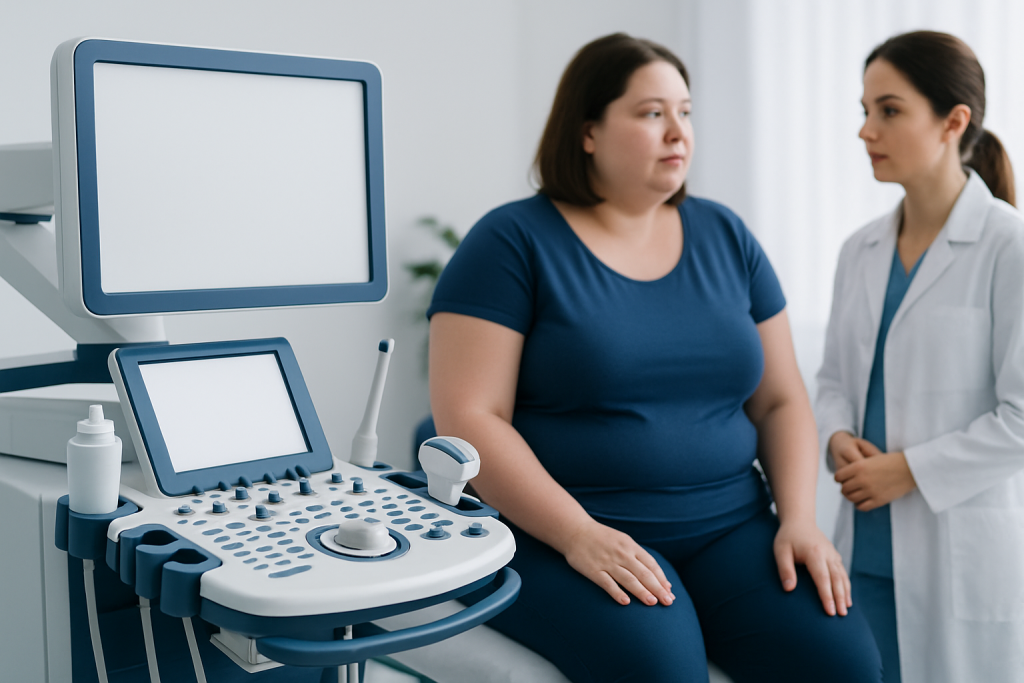
Period-related weight changes rarely appear on their own. They often come with a cluster of familiar premenstrual symptoms that may affect comfort, mood, and appetite. Some women notice that rings feel tighter, shoes fit differently, or the lower abdomen looks and feels more full than usual.
Common associated symptoms include:
- Abdominal bloating or a “full” feeling
- Breast tenderness or swelling
- Food cravings, especially for salty or carbohydrate-rich foods
- Constipation or slower bowel movements
- Mild swelling in the hands, ankles, or face
- Fatigue, irritability, or mood changes
These symptoms usually follow a cyclical pattern, showing up at roughly the same point each month and improving once the period begins or shortly afterward. If the swelling is severe, painful, one-sided, or linked with shortness of breath, chest discomfort, or sudden rapid weight gain, medical evaluation is important.
Causes & Risk Factors
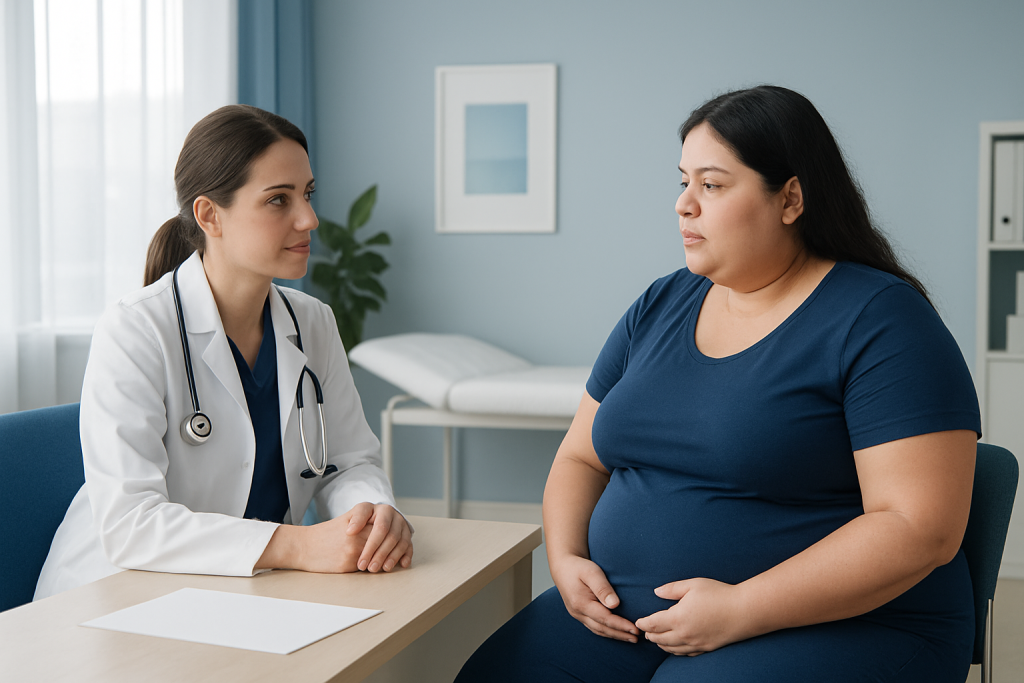
The main reason for a gained weight period is the body’s response to changing hormone levels across the menstrual cycle. Estrogen and progesterone influence fluid balance, appetite, bowel function, and how the body stores and releases sodium and water. When these hormones fluctuate, temporary changes in body weight are common.
Several factors can make the changes more noticeable. A diet high in salt can increase water retention, while lower physical activity may worsen bloating and constipation. Stress, poor sleep, and some medications can also affect appetite and fluid balance. Women who experience premenstrual syndrome (PMS) or premenstrual dysphoric disorder (PMDD) may notice stronger symptom patterns.
Not every monthly weight change is purely hormonal. Other medical conditions can overlap with the menstrual cycle and make symptoms more intense. These include thyroid disorders, polycystic ovary syndrome (PCOS), insulin resistance, certain kidney or heart problems, and gastrointestinal conditions that cause bloating. Because of this overlap, the context and timing of the weight change matter as much as the number itself.
Diagnosis: How Doctors Tell Normal Cycling From a Medical Problem
There is no single test for “period weight gain.” Instead, clinicians look at the full pattern: when the change begins, how much weight is gained, whether it goes away after the period, and what other symptoms are present. A symptom diary or cycle tracker can be very helpful, especially for people managing symptoms from another country and trying to coordinate care around travel or work schedules.
A doctor may ask about menstrual regularity, recent changes in eating, exercise, stress, and sleep, as well as any medications or supplements. If the pattern seems typical for PMS, many cases can be managed conservatively. If the weight gain is persistent, significant, or linked to irregular periods, a doctor may recommend blood tests to check thyroid function, glucose or insulin-related issues, anemia, or other hormone concerns.
In some situations, additional evaluation may be needed to rule out pregnancy, ovarian cysts, fluid-related conditions, or metabolic disorders. The goal is not to overtest normal menstrual changes, but to make sure that a symptom pattern that looks “hormonal” is not actually a sign of a separate condition.
Treatment Options
Most period-related weight changes do not require medication. The most effective approach is usually symptom management and reassurance, combined with practical steps that reduce bloating and fluid retention. When symptoms are part of PMS or PMDD, a clinician may suggest broader treatment strategies tailored to the overall menstrual pattern and quality of life.
Helpful approaches may include dietary adjustments, regular physical activity, and attention to hydration. Some women benefit from reducing very salty foods for a few days before the expected period, choosing meals that are rich in fiber, and keeping meals steady rather than skipping and then overeating later. Gentle movement such as walking, cycling, or stretching can improve circulation and bowel function.
If symptoms are severe, a doctor may consider treatment for underlying PMS, endocrine concerns, or other conditions that mimic menstrual weight gain. For Myomectomy Recovery for International Patients: The Usual Travel Timeline" class="ahp-ilk">international patients, this can involve a coordinated review with gynecology, endocrinology, and nutrition specialists so that evaluation and follow-up remain clear even after returning home. Acibadem Health Point’s multidisciplinary specialists and JCI-accredited hospitals diagnose and treat this condition for international patients.
Prevention & Self-care
While not all cycle-related weight changes can be prevented, many people can reduce their intensity by keeping the body’s routines steady. Predictability often helps more than strict dieting. The aim is to support the body through the premenstrual days, not to “fight” the menstrual cycle.
Practical self-care steps include:
- Drink enough water throughout the day
- Eat regular meals with protein, fiber, and colorful vegetables
- Limit very salty packaged foods during the days before the period
- Move gently and consistently, even if energy is lower than usual
- Prioritize sleep and stress reduction
- Track cycle symptoms for several months to identify patterns
It can also help to avoid daily scale checks during the premenstrual phase if they cause unnecessary anxiety. A few pounds of temporary change may simply reflect fluid shifts, not actual body composition changes. Looking at the longer trend across several cycles is usually more informative than reacting to one difficult week.
When to See a Doctor
Medical advice is worthwhile if the weight change is new, persistent, or hard to explain. A clinician should also be consulted if periods have become irregular, very heavy, or unusually painful, or if there are signs of hormone imbalance such as acne, excess hair growth, hair thinning, or missed periods. These details can point toward conditions such as PCOS or thyroid disease.
It is especially important to seek evaluation if the weight gain is rapid, is not linked to the menstrual cycle, or comes with swelling in the legs, shortness of breath, severe fatigue, chest symptoms, or abdominal distension. Those features may signal a problem beyond normal menstrual changes and should not be attributed to PMS without assessment.
Even when symptoms are mild, a doctor can help confirm what is normal for that individual body. This is particularly useful for people who travel for care and want a clear plan for testing, follow-up, and symptom management after returning home. A careful, personalized review can bring peace of mind and prevent unnecessary worry about the scale.
Living With a Cyclical Change in Body Weight
Many women feel discouraged when the scale rises just before a period, especially if they are trying to manage fitness or health goals. It helps to remember that menstrual cycles naturally influence body weight and that short-term changes do not reflect failure or loss of progress. The most useful response is usually observation rather than restriction.
Recording weight, symptoms, and cycle dates for two or three months can reveal a repeating pattern. That record can help a doctor decide whether the changes are expected or whether further evaluation is needed. It can also show that the body returns to its usual range after menstruation, which is often reassuring.
When the monthly pattern is understood, people can plan ahead with gentler exercise, balanced meals, and realistic expectations for those few days. This approach supports both physical comfort and emotional ease, which is often the real goal of care.
Frequently asked questions
01Is gained weight period normal?
Yes, many women notice temporary weight changes before or during menstruation. The increase is often due to water retention, bloating, and appetite changes rather than true fat gain. If the pattern is persistent or unusually large, a doctor should review it.
02How much weight can a period make you gain?
The amount varies from person to person and from cycle to cycle. Some notice only a small change, while others feel noticeably bloated or heavier. The key point is that the increase is usually temporary and improves after the period.
03Why do I feel more hungry before my period?
Hormonal shifts can affect appetite and cravings in the days before menstruation. Sleep, stress, and blood sugar swings may also play a role. Eating regular, balanced meals can make cravings easier to manage.
04How long does period weight gain last?
It often starts a few days before bleeding and improves once the period begins or shortly after it ends. If the change continues through the whole month, it may not be related to the menstrual cycle alone. In that situation, medical evaluation is sensible.
05Can exercise help with period bloating and weight changes?
Yes, gentle regular movement can help reduce bloating, improve bowel function, and support mood. The goal does not need to be intense exercise; even walking or stretching can help. Consistency matters more than doing more than the body can comfortably handle.
06When should a doctor check for another cause?
A doctor should assess the situation if the weight gain is sudden, severe, not linked to the cycle, or comes with other symptoms such as missed periods, swelling, fatigue, or hair and skin changes. These features can point to hormonal or metabolic conditions that need treatment.
This article is for general information only and is not a substitute for professional medical advice. Please consult a qualified doctor about your individual situation.
Medical weight-loss options in Turkey — costs & eligibility
JCI-accredited · board-certified surgeons · reply within 24h
Add us as a Preferred Source to see more of our trusted health content across Google Search, AI Overviews and Discover.