

What Is Freeze Burning? A Complete Medical Guide
- 8 min read
- Published November 26, 2026
Key Takeaways
- Freeze burning usually refers to frostbite or a cold burn caused by exposure to extreme cold.
- Early signs can include numbness, tingling, pale or waxy skin, and a cold, hard feel in the affected area.
- Warm, gradual rewarming and medical assessment are important because severe cold injuries can damage skin, nerves, and tissue.
- Rubbing the area, using direct heat, or walking on frozen feet can make the injury worse.
- People with poor circulation, diabetes, and those exposed to wind, wet clothing, or prolonged cold face a higher risk.
Freeze burning is a common way people describe a cold-related skin injury, often called frostbite or a cold burn. It happens when skin and deeper tissue are exposed to freezing temperatures long enough to become damaged, and prompt care can help limit lasting effects.
Overview
“Freeze burning” is not a formal medical diagnosis, but it is a phrase many people use to describe a cold injury to the skin. In medical language, this is most often frostbite, and in milder cases a cold burn or superficial freezing injury. The tissue is harmed when blood flow slows and ice crystals or cold-related inflammation begin to injure cells.
The condition can affect fingers, toes, ears, nose, cheeks, and any other area exposed to freezing air, wind, wet clothing, or cold metal. At first, the skin may feel numb rather than painful, which is one reason people sometimes underestimate it. Understanding the term helps people know when the problem is more than simple discomfort and when medical review is needed.
For international patients planning travel, outdoor activity, or work in colder climates, knowing how freeze burning develops is especially useful. A cold injury is often time-sensitive, but it is also manageable when recognized early and treated appropriately.
Symptoms
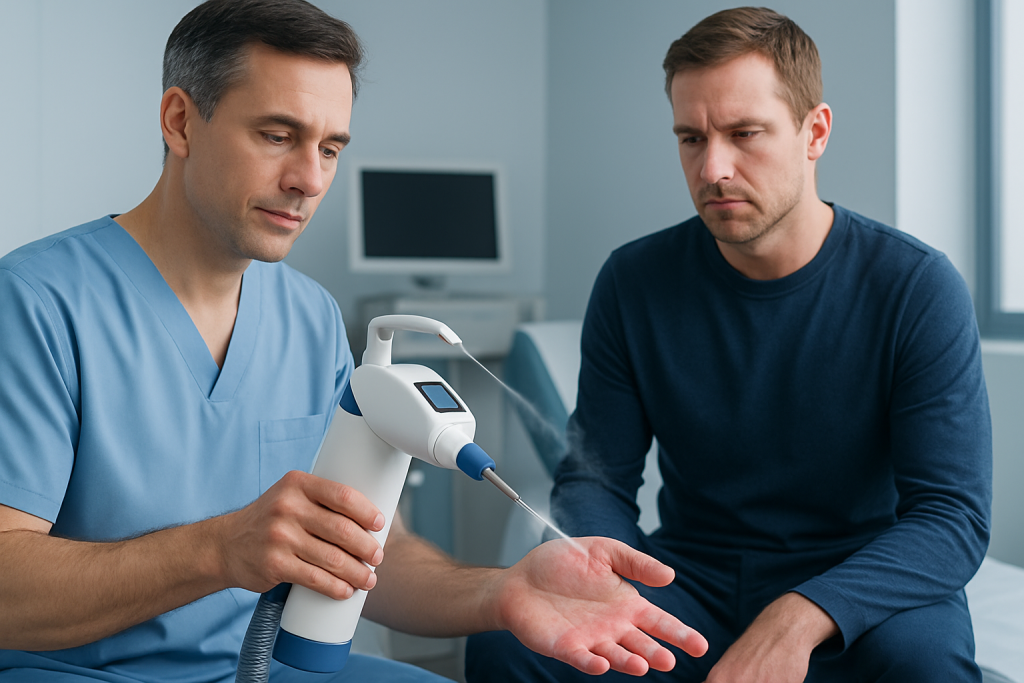
The earliest symptoms often look subtle. Skin may become very cold, pale, or reddish, and the person may notice tingling, burning, stinging, or numbness. As the injury progresses, the area may become firm, waxy, grayish-yellow, or white, and movement can feel stiff or awkward.
In deeper injury, the affected tissue may lose sensation entirely. After rewarming, pain, swelling, blistering, or color changes can appear. This delayed worsening surprises many people, but it is a known pattern of cold injury and does not always mean the treatment failed.
Severe freeze burning can lead to persistent numbness, reduced flexibility, skin breakdown, or blackened tissue if blood supply has been seriously compromised. Any area that remains hard, deeply numb, or discolored after warming deserves prompt medical attention.
Causes & Risk Factors

Freeze burning develops when skin is exposed to freezing temperatures for too long, especially if wind, moisture, or tight clothing increases heat loss. Wet gloves, damp socks, and direct contact with cold surfaces can make injury occur faster than many people expect. High altitude and strong wind can also intensify cold stress.
Certain people are more vulnerable. Those with diabetes, peripheral artery disease, Raynaud’s phenomenon, nerve problems, smoking-related circulation issues, or a prior history of cold injury may be at higher risk. Children, older adults, and people who are exhausted, dehydrated, or undernourished may also have less protection against cold exposure.
- Outdoor work or recreation in freezing weather
- Inadequate clothing or poor insulation
- Alcohol or drug use that reduces awareness of cold
- Long periods of immobility in the cold
- Contact with frozen surfaces, metal, or liquids
Diagnosis
Diagnosis usually begins with a careful history and physical examination. A clinician will ask how long the person was exposed to cold, whether the skin got wet, what the temperature and wind conditions were, and whether sensation or movement changed over time. The appearance of the skin and the presence of blisters, numbness, or tissue firmness help guide the assessment.
In many cases, no advanced test is needed immediately, especially if the injury is mild and skin blood flow returns after rewarming. When the injury appears deeper, imaging or laboratory tests may be used later to check tissue damage, circulation, or infection risk. If the cold injury happened while traveling, the doctor may also consider how quickly follow-up care can be arranged after the person returns home.
Because freeze burning can mimic other problems, such as chilblains, circulation disorders, or skin infection, an accurate evaluation matters. A clear diagnosis helps determine whether home care is enough or whether specialized treatment is needed.
Treatment Options
Treatment depends on severity, but the first goal is to stop further cold exposure. Clothing and jewelry should be removed from the affected area if they may restrict circulation, and the skin should be rewarmed with warm water under medical guidance whenever possible. Rewarming is usually done gradually and carefully, because rough handling can worsen tissue injury.
Medical teams may recommend pain relief, wound care, protection of blisters, and observation for complications. In more serious cases, specialist input is important to monitor tissue viability and guide decisions about advanced care. Surgery is not immediate in most situations; doctors often wait to see what tissue survives after the injury has fully declared itself.
What should generally be avoided is as important as what should be done. The area should not be rubbed with snow, massaged forcefully, or placed near direct heat such as a radiator, fire, or heating pad. These actions can add trauma to already fragile tissue and increase the risk of burns or further damage.
Prevention & Self-care
Prevention starts before going outdoors. Layered clothing, dry socks, insulated gloves, hats that cover the ears, and wind protection all help reduce risk. If conditions are wet or windy, people should shorten exposure time, keep moving when appropriate, and check skin regularly for early warning signs.
Good self-care also includes practical habits that are easy to overlook during travel or work. Staying hydrated, eating enough, changing out of damp clothing quickly, and avoiding alcohol before prolonged cold exposure can all help. People with circulation problems or diabetes should be especially cautious and may want personalized advice before spending time in extreme cold.
If freeze burning is suspected, gentle rewarming and protection from further cold are usually the first steps while arranging medical advice. A person should not try to “tough it out” if numbness, color change, or hard skin persists, because early action is far more effective than waiting for the area to improve on its own.
When to See a Doctor
Medical care is advisable if the area remains numb, pale, waxy, hard, blistered, or very painful after rewarming. The same is true if the injury involves the face, hands, feet, or genitals, or if movement becomes difficult. Deep cold injuries can evolve over hours, so a normal early appearance does not always guarantee the tissue is fine.
People should seek prompt assessment if there is concern about infection, increasing swelling, spreading redness, fever, or drainage from the skin. Those with diabetes, poor circulation, or immune problems should have a lower threshold for evaluation, since healing may be slower and complications can develop more easily.
For international patients, it can be helpful to seek care from a clinician who can assess the injury, explain the expected recovery timeline, and plan follow-up that fits travel schedules. Acibadem Health Point’s multidisciplinary specialists and JCI-accredited hospitals diagnose and treat cold injuries for international patients in a coordinated setting.
Frequently asked questions
01What does freeze burning mean medically?
Freeze burning is a non-medical term people often use for frostbite or a cold burn. It describes skin and tissue injury caused by exposure to freezing temperatures, wind, or wet cold conditions. A clinician may use the terms cold injury or frostbite instead.
02How can someone tell the difference between a mild cold burn and frostbite?
Mild cold injury may cause redness, tingling, or temporary numbness that improves with warming. Frostbite is more concerning when skin becomes hard, pale, waxy, or deeply numb, or when blisters appear after rewarming. Because severity can be hard to judge early, persistent symptoms should be checked by a doctor.
03Should frozen skin be rubbed to warm it up?
No, rubbing can worsen tissue damage and should be avoided. Gentle rewarming is safer than friction or direct heat. If the area is numb or hard, medical guidance is the best next step.
04Can freeze burning heal completely?
Mild cold injuries often heal well with prompt care and protection from further cold. More severe frostbite can leave long-term changes in sensation, skin appearance, or tissue health. Recovery depends on how deep the injury went and how quickly treatment began.
05What should a person do first if freeze burning is suspected?
They should get out of the cold and protect the area from further exposure. Any wet clothing should be removed, and the skin should be rewarmed carefully without direct heat or rubbing. If numbness, color change, or hardness persists, medical evaluation is recommended.
06Who is at higher risk of freeze burning?
People with diabetes, circulation problems, Raynaud’s phenomenon, or a previous cold injury are at higher risk. Children, older adults, smokers, and anyone exposed to wind, moisture, or prolonged freezing temperatures also have increased risk. Protective clothing and early recognition are especially important for these groups.
This article is for general information only and is not a substitute for professional medical advice. Please consult a qualified doctor about your individual situation.
Explore treatments in Turkey — costs, top hospitals & a free quote
JCI-accredited · board-certified surgeons · reply within 24h
Add us as a Preferred Source to see more of our trusted health content across Google Search, AI Overviews and Discover.


How can we help you today?
Meet an Acibadem specialist by secure video, before you travel.
Book a video visit