What Is Fracture Reduction? A Complete Medical Guide

Key Takeaways
- Fracture reduction helps bring broken bone pieces back into proper alignment.
- It may be closed reduction, using external manipulation, or open reduction, which involves surgery.
- The right treatment depends on the fracture type, location, and whether the bone is stable.
- Pain, swelling, deformity, or inability to use the limb are common reasons to seek urgent care.
- After reduction, immobilization, follow-up imaging, and rehabilitation support healing and function.
Fracture reduction is the medical process of realigning a broken bone so it can heal in the correct position. It may be done without surgery or, when needed, with an operation to restore stability and function.
Overview
Fracture reduction is the medical term for putting a broken bone back into a more normal position so it can heal well. In practical terms, it is one of the first decisions an orthopedic team makes after a fracture is diagnosed: whether the bone can be aligned without surgery, or whether an operation is the safest way to restore its shape and stability.
Not every fracture needs reduction, but many do. A small crack in a stable bone may heal with simple support, while a displaced fracture may need the bone ends to be matched more precisely. The goal is not only to make the X-ray look better, but also to protect movement, reduce long-term pain, and lower the risk of poor healing.
For patients traveling for care, fracture reduction is often part of a broader treatment path that includes imaging, pain control, immobilization, and later rehabilitation. The specifics depend on the injury, the patient’s overall health, and how quickly the bone can safely be treated.
Symptoms That May Suggest a Fracture Needs Reduction
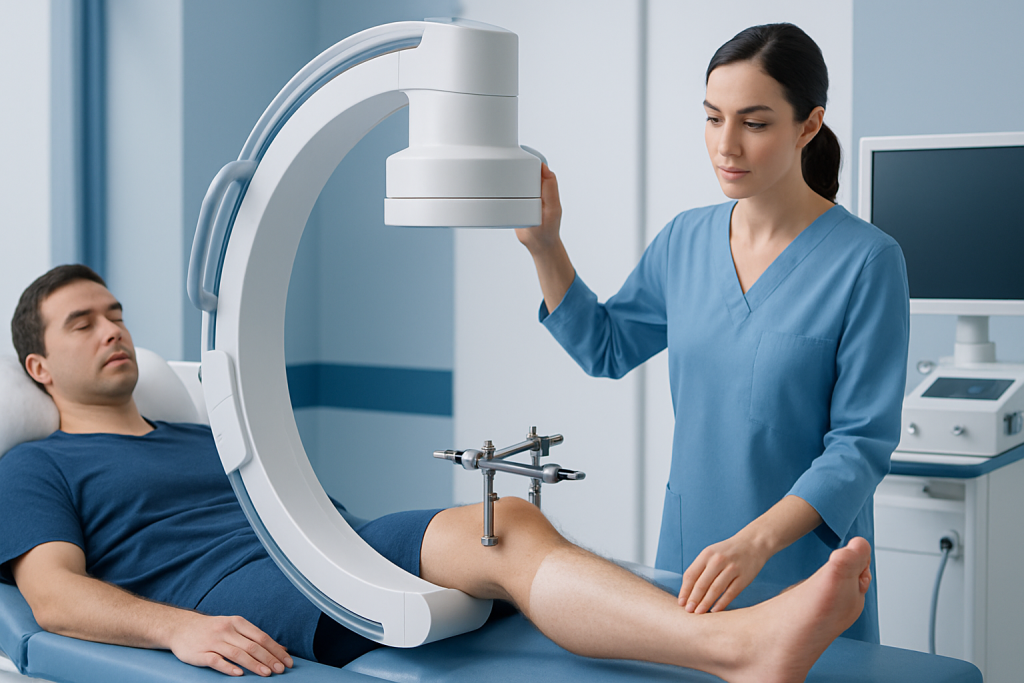
A fracture that may need reduction often causes obvious pain and difficulty using the injured area. The bone may look bent, shortened, rotated, or out of place, especially after a fall, sports injury, or accident.
Swelling, bruising, tenderness, and loss of function are common. Some people can still move the area slightly, which is why imaging is important; the extent of the injury is not always clear from symptoms alone.
Warning signs that a fracture may be more serious include:
- Visible deformity or an unusual angle
- Open wounds near the broken bone
- Numbness, tingling, or weakness
- Pale, cold, or poorly perfused fingers or toes
- Severe pain that does not improve with rest
These symptoms do not prove that reduction is needed, but they do signal the need for urgent medical assessment. Bones that press on nerves, vessels, or nearby soft tissue need prompt attention.
Causes and Risk Factors
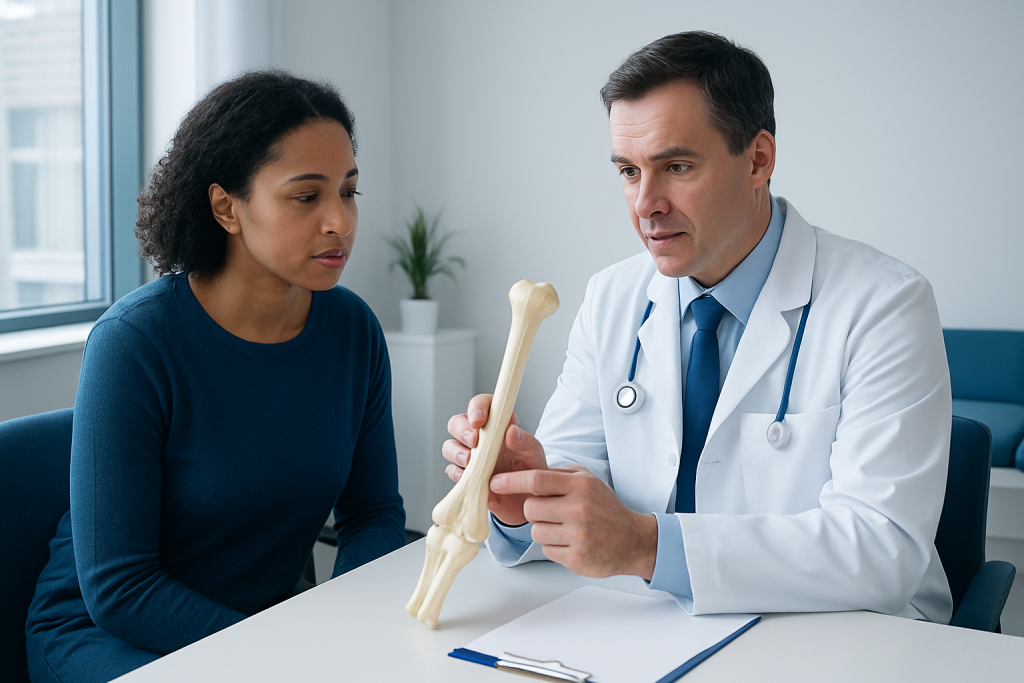
Fractures happen when force exceeds the strength of bone. Common causes include falls, road traffic accidents, sports injuries, direct blows, and twisting injuries. In older adults, even a minor fall may lead to a fracture because bone strength can be reduced by osteoporosis.
Some people are more likely to need fracture reduction because the break is displaced or unstable. This is more common with fractures of the wrist, ankle, collarbone, forearm, shoulder, and certain leg bones, though any bone can be affected.
Factors that can increase fracture risk include:
- Osteoporosis or low bone density
- Previous fracture
- High-impact sports or occupational injury
- Use of medications that weaken bone, in some cases
- Conditions that affect balance or coordination
The decision to reduce a fracture is based less on the cause itself and more on how the bone is positioned, whether the joint is involved, and whether the limb is likely to function well if left as it is.
How Fracture Reduction Is Diagnosed and Planned
Diagnosis usually begins with a physical examination and imaging, most often an X-ray. The clinician checks the position of the bone, the alignment of nearby joints, and whether there are signs that nerves or blood vessels may be affected.
In some cases, a CT scan or additional imaging is needed, especially for complex fractures, joint injuries, or fractures that extend into the surface of a bone. This helps the orthopedic team decide whether closed reduction is enough or whether open reduction is more appropriate.
Before treatment begins, the team also considers factors such as the patient’s age, general health, pain level, the amount of swelling, and whether the bone is open to the skin. For international patients, this planning step is especially important because follow-up care, rehabilitation, and travel timing all need to be coordinated carefully.
Treatment Options: Closed Reduction and Open Reduction
Fracture reduction may be done in two main ways. Closed reduction means the bone is aligned from the outside, without making a surgical incision. The area is usually numbed, and sometimes sedation or anesthesia is used so the bone can be moved into better position comfortably and safely.
Open reduction is a surgical procedure used when the fracture is too complex, unstable, or difficult to align from the outside. During open reduction, the surgeon directly views the fracture and places the bone segments into alignment. Internal fixation, such as plates, screws, rods, or pins, is often added to hold the bone in place while it heals.
After either approach, the bone is commonly protected with a cast, splint, brace, or another support device. The exact method depends on the fracture and the healing plan. The aim is always the same: stable alignment that allows the bone to unite in a functional position.
Some fractures also require urgent care before reduction if there is an open wound, severe swelling, or concern about circulation. In these cases, treatment may be staged so the safest option is chosen at the right time.
Recovery, Rehabilitation, and Self-care
Recovery after fracture reduction usually involves a period of immobilization, followed by gradual return of movement and strength. Follow-up X-rays are often used to check whether the bone remains in the correct position while it heals.
Pain, stiffness, and swelling are common early on. Gentle movement of nearby joints, when approved by the treating team, can help prevent stiffness. Later, physiotherapy or rehabilitation may be recommended to restore range of motion, balance, and strength, especially after surgery or a large joint fracture.
Helpful self-care measures may include:
- Keeping the limb elevated when advised
- Following cast or splint instructions carefully
- Protecting the area from extra strain
- Attending follow-up visits even if symptoms improve
- Reporting worsening pain, numbness, or color change promptly
Healing times vary widely. A simple fracture may improve faster than a complex one, and bone quality, age, and overall health all influence recovery. Patients traveling home after treatment should leave with clear written instructions about wound care, activity limits, and who to contact if concerns arise.
Prevention and Risk Reduction
Not every fracture can be prevented, but some risks can be lowered. Strong bones are less likely to break in the first place, and safer movement habits reduce the chance of falls and injury.
For adults, practical prevention may include maintaining bone health through medical evaluation when osteoporosis is suspected, staying physically active in a way that suits one’s health, and making the home safer by removing tripping hazards and improving lighting. Protective gear is important for sports and high-risk activities.
People who have already had a fracture may benefit from a review of bone health, balance, medications, and fall risk. That discussion is especially valuable for older adults and for those whose fracture occurred after a low-energy fall, because the injury may be a sign that the bones need closer attention.
When to See a Doctor
Anyone who suspects a broken bone should seek medical evaluation, especially if there is deformity, severe pain, inability to bear weight, or an open wound. Fracture reduction is time-sensitive in some cases, and early assessment can help protect both healing and function.
Urgent care is particularly important if there is numbness, loss of movement, increasing swelling, pale or cold fingers or toes, or a bone that seems to have broken through the skin. These symptoms may point to nerve, blood vessel, or soft tissue involvement.
Even after treatment, medical review is needed if pain suddenly worsens, the cast feels too tight, swelling increases markedly, or there is fever or drainage from a surgical wound. Patients coming from another country should keep discharge papers, imaging reports, and medication instructions with them during travel.
Acibadem Health Point notes that its multidisciplinary specialists and JCI-accredited hospitals diagnose and treat fractures for international patients with coordinated orthopedic care and follow-up planning.
Living With a Fracture Reduction Plan
One of the most helpful things patients can do is understand that fracture reduction is not the end of treatment; it is the start of healing in the right position. The alignment achieved on the day of care must be protected while bone and soft tissue recover.
That is why communication matters. Patients should know what level of activity is safe, when to return for imaging, how long support devices may be needed, and which changes should prompt a call to the care team. Clear guidance reduces anxiety and helps avoid setbacks.
For people managing care across borders, a well-organized plan is especially useful. It allows local follow-up to continue smoothly, supports safe travel, and helps the recovery process feel more predictable. With the right treatment and monitoring, many fractures heal well and allow a gradual return to everyday life.
Frequently asked questions
01What does fracture reduction mean?
Fracture reduction means aligning a broken bone so it can heal in a better position. It may be done without surgery or through an operation, depending on the fracture.
02Is fracture reduction the same as setting a bone?
Yes, in everyday language, it is often described as “setting” a broken bone. Clinically, the term fracture reduction is used because it describes the medical process more precisely.
03Does fracture reduction always require surgery?
No. Many fractures can be treated with closed reduction, where the bone is aligned from the outside. Surgery is reserved for fractures that are unstable, complex, or not well aligned by non-surgical methods.
04How painful is fracture reduction?
Pain control is an important part of treatment, and the procedure is typically performed with anesthesia, sedation, or numbing medication when needed. Some soreness can still occur afterward as the tissues settle and healing begins.
05How long does recovery take after fracture reduction?
Recovery time depends on the bone involved, the severity of the fracture, and whether surgery was needed. Some people improve in weeks, while more complex fractures may take months and may need rehabilitation.
06What should a patient do after the bone is reduced?
They should follow instructions about immobilization, activity limits, wound care, and follow-up imaging. It is also important to seek medical advice if pain worsens, swelling increases, or there is numbness or color change in the limb.
This article is for general information only and is not a substitute for professional medical advice. Please consult a qualified doctor about your individual situation.
Joint and spine care in Turkey — expert assessment & treatment
JCI-accredited · board-certified surgeons · reply within 24h
Add us as a Preferred Source to see more of our trusted health content across Google Search, AI Overviews and Discover.