What Is Diarrhea When Period? A Complete Medical Guide

Key Takeaways
- Hormone shifts during menstruation can speed up bowel movements and cause looser stools.
- Period-related diarrhea often improves as the menstrual phase ends.
- Severe pain, fever, blood in stool, or dehydration are not typical and should be evaluated.
- Diet, hydration, and gentle symptom relief may help during the menstrual period.
- Ongoing digestive symptoms outside the period may point to another condition such as IBS or endometriosis.
Diarrhea when period is a common menstrual symptom that usually happens because hormone changes affect the bowel. It is often temporary, but persistent, severe, or unusual symptoms deserve medical attention.
Overview
Diarrhea when period is a familiar experience for many people, and in most cases it is tied to normal menstrual hormone changes rather than a separate illness. As the uterus sheds its lining, hormone-like substances called prostaglandins rise and can affect not only uterine contractions but also the intestines, making stools looser or bowel movements more frequent.
This symptom can show up just before bleeding begins, on the heaviest days, or throughout the first part of the cycle. For some, it is mild and brief; for others, it is noticeable enough to disrupt work, travel, or daily routines. Understanding what is happening in the body can make the symptom feel less confusing and easier to manage.
Although period-related diarrhea is usually benign, it should not be dismissed if it is severe, new, or accompanied by other concerning symptoms. In those situations, a clinician may look for conditions that can mimic menstrual digestive changes, including irritable bowel syndrome, endometriosis, or infection.
Symptoms
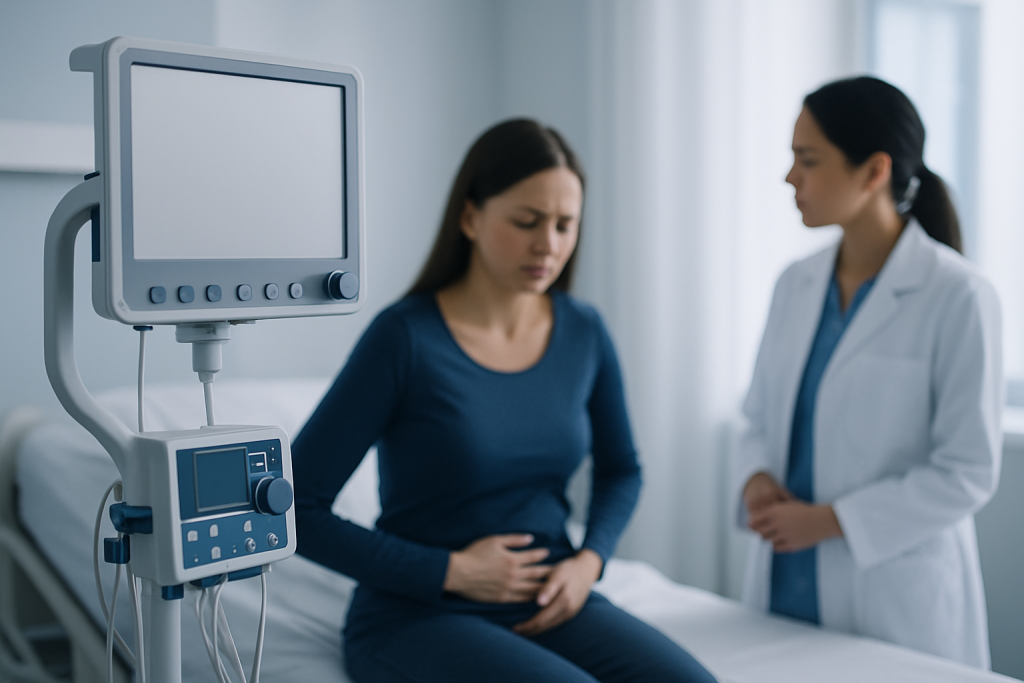
The bowel changes linked to menstruation can vary from person to person. Some experience one or two loose stools, while others notice cramping, urgency, bloating, or a sense that the bowels are more “active” than usual. These symptoms often appear alongside typical menstrual discomfort such as pelvic pain, back pain, fatigue, or breast tenderness.
Period-related diarrhea may be accompanied by:
- More frequent bowel movements than usual
- Loose or watery stool
- Abdominal cramping that may overlap with period cramps
- Urgency or difficulty postponing a bowel movement
- Bloating, gas, or a feeling of intestinal movement
What matters most is the pattern. Symptoms that arrive predictably with the menstrual cycle and settle afterward are more likely to be hormone-related. Symptoms that continue through the month, wake someone from sleep, or come with weight loss or blood in the stool need a closer look.
Causes & Risk Factors
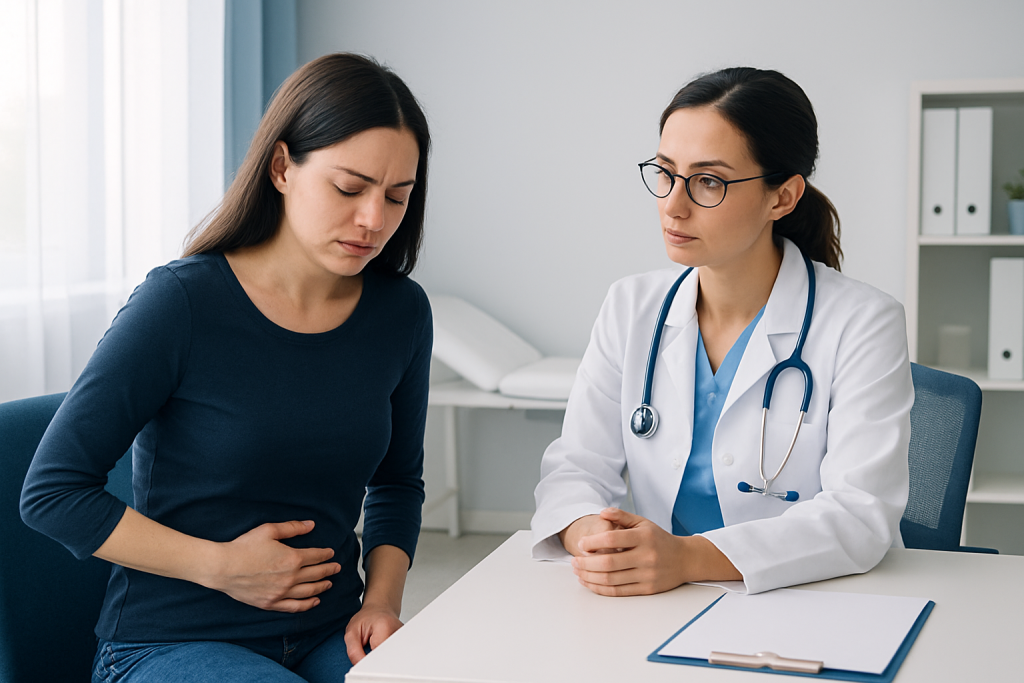
The main reason diarrhea when period happens is the effect of prostaglandins. These compounds help the uterus contract so the lining can be shed, but they can also stimulate the intestines. When the bowel moves faster, there is less time for water to be absorbed, which can lead to looser stool.
Hormone fluctuations can also influence digestion in other ways. Changes in estrogen and progesterone may alter how the gut moves, how sensitive the abdomen feels, and how the body responds to bloating or cramps. In some people, the digestive system is simply more sensitive to these monthly shifts.
Several factors can make period-related bowel symptoms more noticeable:
- A history of painful or heavy periods
- Irritable bowel syndrome or other functional bowel disorders
- Endometriosis, especially when bowel symptoms and pelvic pain occur together
- Stress, poor sleep, or dehydration during menstruation
- Dietary triggers such as very spicy, greasy, or high-caffeine foods
Not everyone with menstrual diarrhea has a gynecologic condition. Still, if symptoms are intense or change over time, it is reasonable to ask a doctor whether another cause should be considered.
Diagnosis
Most of the time, diagnosis starts with a conversation about the timing of symptoms. A clinician may ask when the diarrhea begins, how long it lasts, whether it happens every cycle, and whether there are other digestive or pelvic symptoms. A menstrual diary can be very helpful because it shows whether the pattern is predictable and linked to the period.
If symptoms are typical and mild, no testing may be needed. When the picture is less clear, a doctor may review diet, medications, travel history, infection exposure, and bowel habits outside menstruation. This helps separate cycle-related changes from conditions such as food intolerance, gastrointestinal infection, inflammatory bowel disease, or IBS.
Additional tests are considered when there are warning signs or repeated episodes that do not fit a simple menstrual pattern. Depending on the situation, evaluation may include blood tests, stool testing, pelvic examination, or imaging. For people with severe pelvic pain, pain during intercourse, or bowel symptoms that worsen around the period, assessment for endometriosis may be appropriate.
Treatment Options
Treatment depends on how disruptive the symptoms are. For mild cases, the focus is usually on comfort and hydration rather than medication. Drinking enough fluids, especially if stools are frequent, helps reduce the risk of dehydration and can make the body feel steadier during the menstrual period.
Practical measures that may help include:
- Eating smaller, simpler meals during the first days of the period
- Limiting very greasy, spicy, or highly caffeinated foods if they worsen symptoms
- Using oral rehydration fluids or water-rich foods when stools are loose
- Resting when cramps and bowel urgency are both active
- Applying a warm compress to the lower abdomen if it eases cramping
If symptoms are recurrent and clearly cycle-related, a doctor may discuss treatments aimed at reducing menstrual prostaglandins or easing overall period symptoms. In some cases, hormonal treatment may also be considered, especially when severe cramps, suspected endometriosis, or other menstrual problems are present. The right choice depends on the person’s health history, preferences, and whether they hope to manage symptoms conservatively or more actively.
It is important not to self-treat persistent diarrhea with repeated over-the-counter remedies without a medical review if the pattern is unusual. A clinician can help confirm that the symptom is truly menstrual and not part of another digestive condition that needs different care.
Prevention & Self-care
Not every episode can be prevented, but many people find that small routine adjustments reduce the intensity of bowel symptoms during their period. Keeping meals balanced, staying hydrated, and paying attention to known food triggers can make a meaningful difference from cycle to cycle.
A few self-care habits are often useful:
- Track symptoms for several cycles to identify the most bothersome days
- Keep easy-to-digest foods available before the period starts
- Prioritize sleep and stress reduction when possible
- Carry water when traveling or commuting during the menstrual window
- Plan important outings with the possibility of urgent bathroom access in mind
For people who travel for work, study, or medical care, preparation matters. Packing any recommended medicines, knowing where restrooms are located, and arranging a flexible schedule during the first days of the cycle can reduce discomfort and anxiety. If care is being coordinated internationally, it helps to keep symptom notes in English and bring prior test results so the clinician can understand the full pattern quickly.
When digestive symptoms are severe enough to interfere with daily life, the goal is not merely to endure them. A careful review can identify whether the problem is ordinary menstrual bowel sensitivity or a condition that deserves targeted treatment.
When to See a Doctor
Medical review is a good idea when diarrhea when period is frequent, severe, or different from the person’s usual pattern. A clinician should also be consulted if symptoms do not improve after the period ends, because ongoing diarrhea is less likely to be explained by menstruation alone.
Seek medical advice sooner if any of the following are present:
- Blood in the stool or black stool
- Fever, vomiting, or signs of infection
- Marked dehydration, dizziness, or fainting
- Severe abdominal pain that is not typical for the period
- Unexplained weight loss or diarrhea that occurs outside the menstrual cycle
It is especially important to discuss symptoms that are associated with painful sex, pain with bowel movements, infertility concerns, or worsening pelvic pain, since these can sometimes point to endometriosis or another gynecologic condition. A thoughtful evaluation can bring clarity and prevent months of guesswork.
For international patients seeking coordinated evaluation, Acibadem Health Point can connect individuals with multidisciplinary specialists in JCI-accredited hospitals for diagnosis and treatment planning, including conditions that involve both digestive and menstrual symptoms.
Living With Cycle-Related Digestive Changes
Many people feel reassured once they understand that bowel changes can be part of the menstrual picture. The symptoms can still be bothersome, but a predictable pattern usually means the body is responding to normal cycle biology rather than signaling something dangerous.
A symptom diary can be one of the most useful tools. Recording the first day of bleeding, the timing of diarrhea, pain levels, foods eaten, and any medicines taken helps both the person and the doctor see trends. Over time, this record can guide practical decisions about diet, scheduling, and whether further evaluation is worthwhile.
If the monthly pattern becomes harder to manage, it is reasonable to revisit the diagnosis rather than simply accepting the discomfort. Good care for menstrual-related bowel symptoms is often a combination of observation, gentle self-care, and timely medical assessment when the pattern changes.
Frequently asked questions
01Why do some people get diarrhea when they get their period?
Hormone-like substances called prostaglandins rise during menstruation and can increase bowel contractions. When the intestines move faster, stool can become looser and bowel movements may happen more often.
02Is period diarrhea normal?
It is common and often considered a normal menstrual symptom, especially when it happens around the same time each cycle. It should still be reviewed if it is severe, prolonged, or very different from the usual pattern.
03How long does period-related diarrhea usually last?
For many people, it lasts only a day or two around the start of bleeding. If it continues well after the period ends or happens at other times in the month, another cause should be considered.
04Can diet make period diarrhea worse?
Yes, certain foods may worsen symptoms in some people, especially greasy meals, very spicy foods, excess caffeine, or large meals. A simple, balanced diet and good hydration often help during the first days of the period.
05Could diarrhea during a period be a sign of endometriosis or IBS?
It can be, especially if the digestive symptoms are severe, recurring, or paired with strong pelvic pain. Endometriosis and irritable bowel syndrome are among the conditions doctors may consider when menstrual bowel symptoms are persistent.
06When should someone seek urgent care?
Urgent care is appropriate if there is blood in the stool, severe dehydration, fainting, fever, or intense abdominal pain that feels unusual. Those features are not typical of straightforward period-related diarrhea and need prompt assessment.
This article is for general information only and is not a substitute for professional medical advice. Please consult a qualified doctor about your individual situation.
Medical weight-loss options in Turkey — costs & eligibility
JCI-accredited · board-certified surgeons · reply within 24h
Add us as a Preferred Source to see more of our trusted health content across Google Search, AI Overviews and Discover.